Unmasking the Flaws: How Facial Recognition Tech Reinforces Inequality
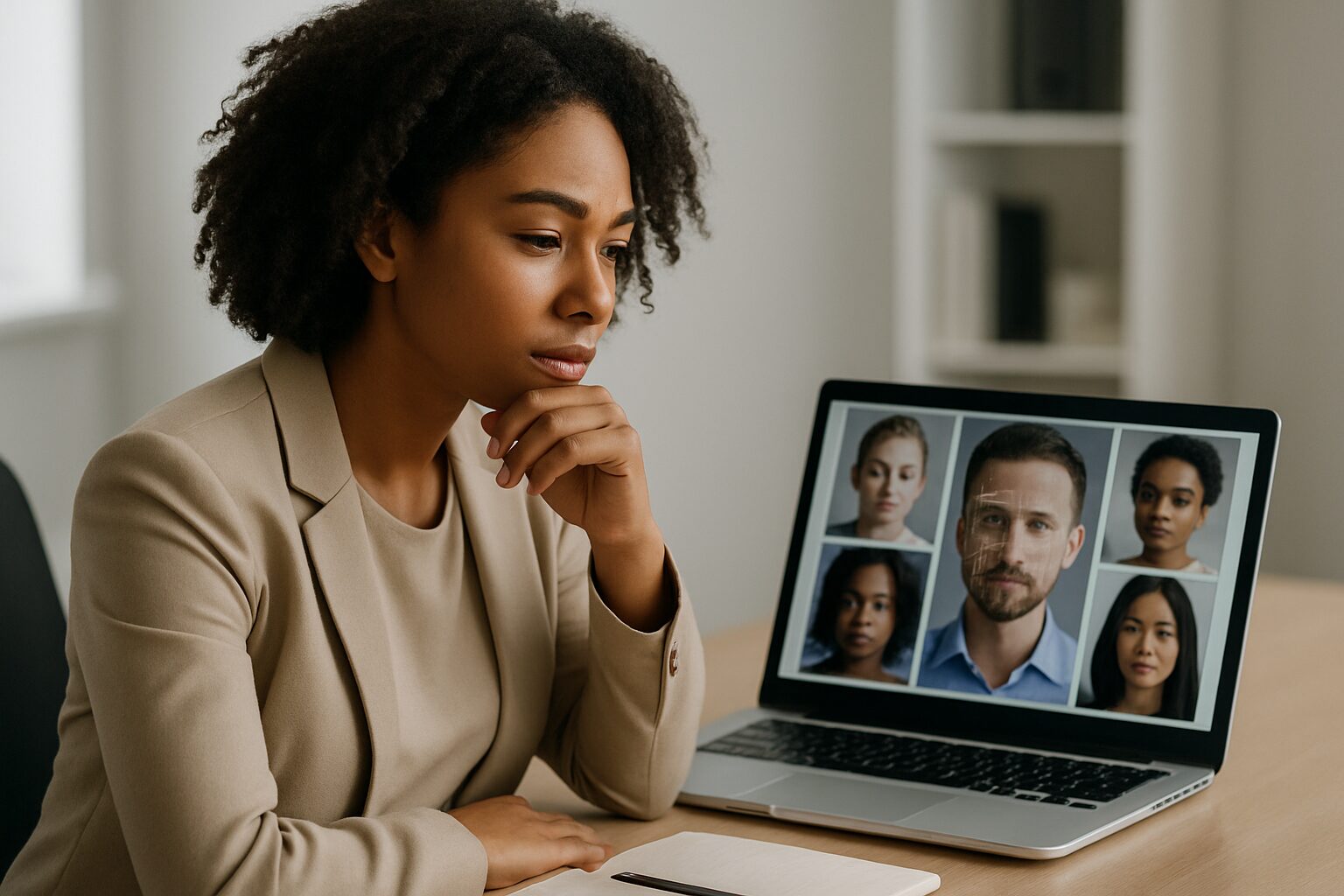
Facial recognition systems analyze images or videos to identify individuals, but these technologies can exhibit bias based on how they are designed and trained. Bias occurs when a system performs unevenly across different demographic groups, such as varying accuracy rates by race, gender, or age. This disparity raises ethical concerns about fairness, accountability, and the potential for harm in real-world applications.
Why It Matters - Real-world impact
Bias in facial recognition systems have profound real-world consequences, disproportionately impacting marginalized communities, people of color, women, and other vulnerable groups. When these systems misidentify individuals due to flawed training data or algorithmic design, the results can range from wrongful arrests and denied services to reinforced systemic discrimination in policing, hiring, and banking. For everyday citizens, this isn't just a technical glitch—it's a threat to civil liberties, as unchecked deployment in public spaces erodes privacy and normalizes surveillance. The normalization of biased AI also perpetuates harmful stereotypes, shaping societal perceptions through inaccurate classifications. Without intervention, these technologies risk automating and scaling injustice under a veneer of objectivity, making public awareness and regulation urgent.
Ethical Concerns - What’s wrong or risky?
Understanding Bias in Facial Recognition Systems
Facial recognition systems, while technologically advanced, often embed and perpetuate societal biases, raising significant ethical concerns. These systems are trained on datasets that may underrepresent certain demographics, leading to skewed performance across different groups.
Fairness Concerns
A primary ethical risk is the lack of fairness, as these systems frequently exhibit higher error rates for people of color, women, and older individuals. This inequity can result in unjust outcomes in critical applications like law enforcement or hiring processes.
Discrimination Risks
Bias in facial recognition can lead to direct discrimination, disproportionately affecting marginalized communities. For instance, false matches might increase surveillance or wrongful accusations against these groups, exacerbating existing social inequalities.
Transparency Issues
Many algorithms are proprietary "black boxes," making it difficult to audit for bias. Lack of transparency prevents stakeholders from understanding how decisions are made, undermining accountability and trust in these systems.
Economic and Employment Impacts
Deployment of biased systems could lead to job loss in sectors reliant on human oversight, while also having broader economic impact by reinforcing disparities in access to services and opportunities.
Worker Rights Considerations
In workplaces using facial recognition for monitoring, issues around worker rights emerge, including privacy invasions and potential for biased performance evaluations, affecting dignity and fair treatment.
Differing Perspectives
Not all agree on the severity of these risks. Some argue that technological improvements can mitigate bias, while others believe the ethical concerns are inherent and warrant strict regulation or even moratoriums on use in sensitive areas.
Additional Moral Concerns
Beyond the linked issues, there are worries about consent, privacy erosion, and the normalization of surveillance, which challenge fundamental human rights and democratic values.
Solutions - What’s being done or proposed?
Diversifying Training Datasets
One technical approach to reducing bias in facial recognition systems is to ensure that the datasets used for training are more representative of diverse populations. This includes collecting images of people from various ethnicities, genders, ages, and other demographic factors. By improving the diversity of training data, the systems can perform more accurately across different groups, reducing disparities in error rates.
Algorithmic Audits and Transparency
Institutional and technical solutions involve conducting regular audits of facial recognition algorithms to identify and mitigate biases. Independent third-party audits can help ensure accountability. Additionally, companies can adopt transparency measures, such as publishing details about their training data and algorithmic processes, to allow for external scrutiny and improvements.
Legal Regulations and Bans
Some governments and municipalities have implemented legal measures to address bias in facial recognition. These range from outright bans on the use of such systems in certain contexts (e.g., law enforcement) to strict regulations requiring bias testing and compliance with fairness standards. Legal frameworks can enforce accountability and limit misuse, though enforcement remains a challenge.
Bias Mitigation Techniques in Model Development
Researchers have developed technical methods to actively reduce bias during the model development phase. Techniques include re-weighting training data, adversarial debiasing, and fairness constraints in algorithms. These approaches aim to minimize disparities in performance across different demographic groups without sacrificing overall accuracy.
Public Awareness and Advocacy
Social solutions involve raising public awareness about the biases present in facial recognition systems and advocating for change. Advocacy groups and affected communities can pressure companies and governments to adopt fairer practices. Public discourse and media coverage can also highlight the ethical implications, driving broader societal demand for equitable technology.
Inclusive Development Teams
Building more diverse teams of developers and researchers can help address bias at the institutional level. Teams with varied backgrounds are more likely to recognize and rectify biases in datasets and algorithms. Encouraging diversity in STEM fields and AI development can lead to more inclusive and fair technologies over time.
Post-Deployment Monitoring and Feedback Loops
Continuous monitoring of facial recognition systems after deployment can help identify and correct biases that emerge in real-world use. Implementing feedback loops where users and affected individuals can report errors or biases ensures that systems are regularly updated and improved. This approach combines technical and institutional efforts to maintain fairness.
Examples and Real Cases
Gender Shades Study (2018)
In 2018, Joy Buolamwini and Timnit Gebru published the Gender Shades study, which evaluated facial recognition systems from IBM, Microsoft, and Face++. The study found these systems had higher error rates for darker-skinned women (up to 34.7%) compared to lighter-skinned men (error rates as low as 0.8%).
Wrongful Arrest of Robert Williams (2020)
In January 2020, Robert Williams, a Black man, was wrongfully arrested in Detroit due to a false facial recognition match. The system misidentified him as a shoplifting suspect, leading to his detention for over 18 hours before being released when investigators realized the error.
Clearview AI and Racial Bias Concerns (2020)
In 2020, Clearview AI's facial recognition technology was found to have higher false positive rates for people of color in tests by the U.S. National Institute of Standards and Technology. This raised concerns about the system disproportionately misidentifying minorities in law enforcement applications.
UK Police Facial Recognition Trials (2019)
During 2019 trials by London's Metropolitan Police, their facial recognition system had an 81% error rate, with numerous false positives. The system disproportionately misidentified people of color, leading to wrongful stops and questioning.
Hypothetical: Hiring Algorithm Bias
A hypothetical AI-powered hiring system using facial analysis might favor candidates with certain facial features common in the training data (e.g., lighter-skinned males). This could systematically disadvantage qualified female candidates and people of color in job applications.
Frequently Asked Questions
What is bias in facial recognition systems?
Bias in facial recognition systems refers to errors or unfair outcomes that disproportionately affect certain groups of people, often due to imbalanced training data or flawed algorithms. For example, some systems may misidentify people with darker skin tones or women more often than lighter-skinned individuals or men.
Why is bias in facial recognition a problem?
Bias in facial recognition can lead to unfair treatment, discrimination, or harm, especially in high-stakes applications like law enforcement or hiring. If a system works poorly for certain groups, it can reinforce existing inequalities and undermine trust in technology.
How does bias enter facial recognition systems?
Bias can enter facial recognition systems in multiple ways, such as using datasets that lack diversity, poor algorithm design, or testing only on limited demographics. If the training data mostly includes light-skinned individuals, the system may struggle with darker-skinned faces.
Can biased facial recognition systems be fixed?
Yes, steps like improving dataset diversity, testing for fairness across different groups, and refining algorithms can help reduce bias. Researchers and developers are actively working on solutions, but it requires ongoing effort and accountability.
How does facial recognition bias affect people today?
Facial recognition bias can lead to real-world consequences, such as wrongful arrests, denied job opportunities, or unequal access to services. Cases have been reported where misidentification disproportionately impacted marginalized communities, raising ethical and legal concerns.