Revolutionizing Healthcare: Smart Monitoring Tech and Regulatory Challenges
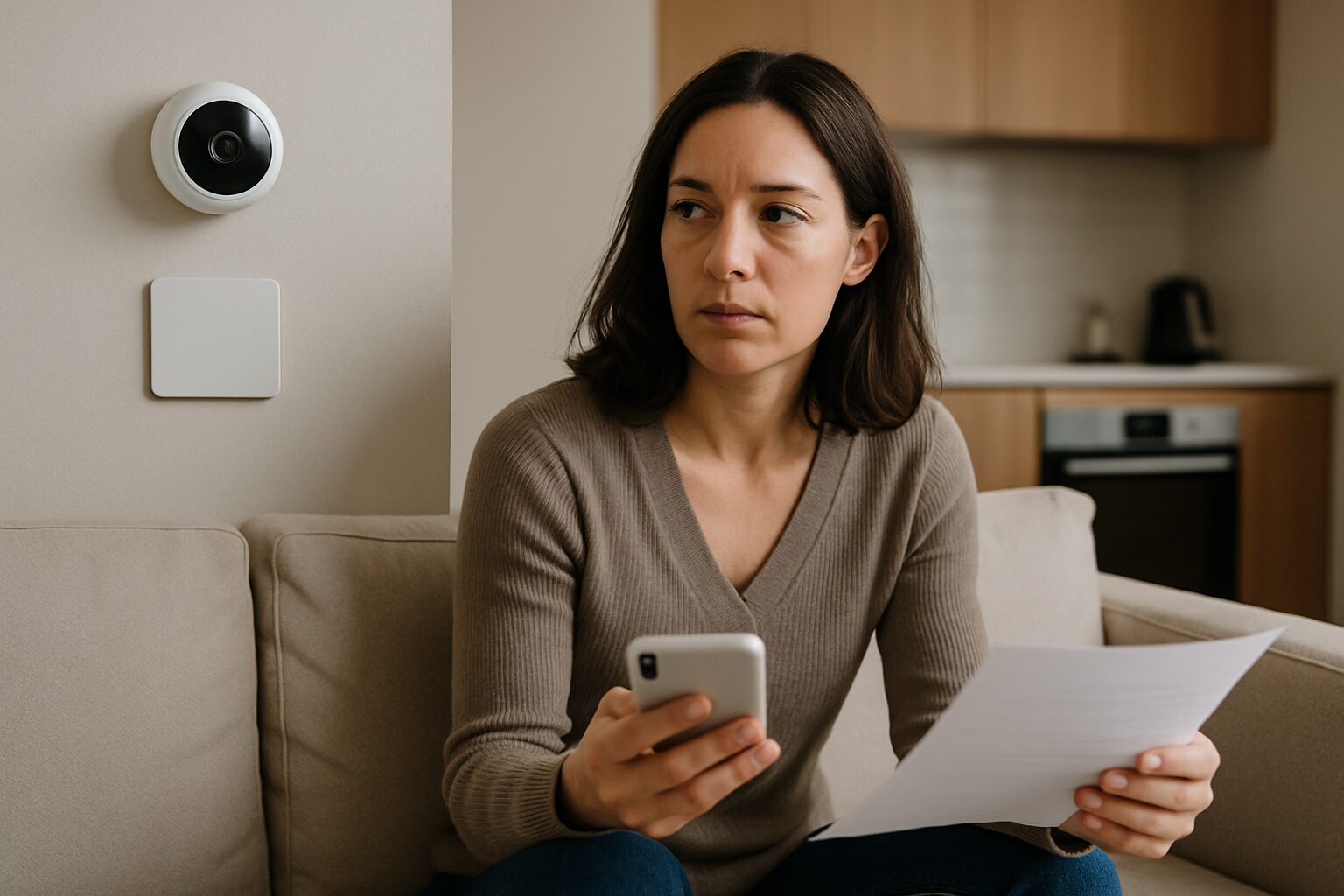
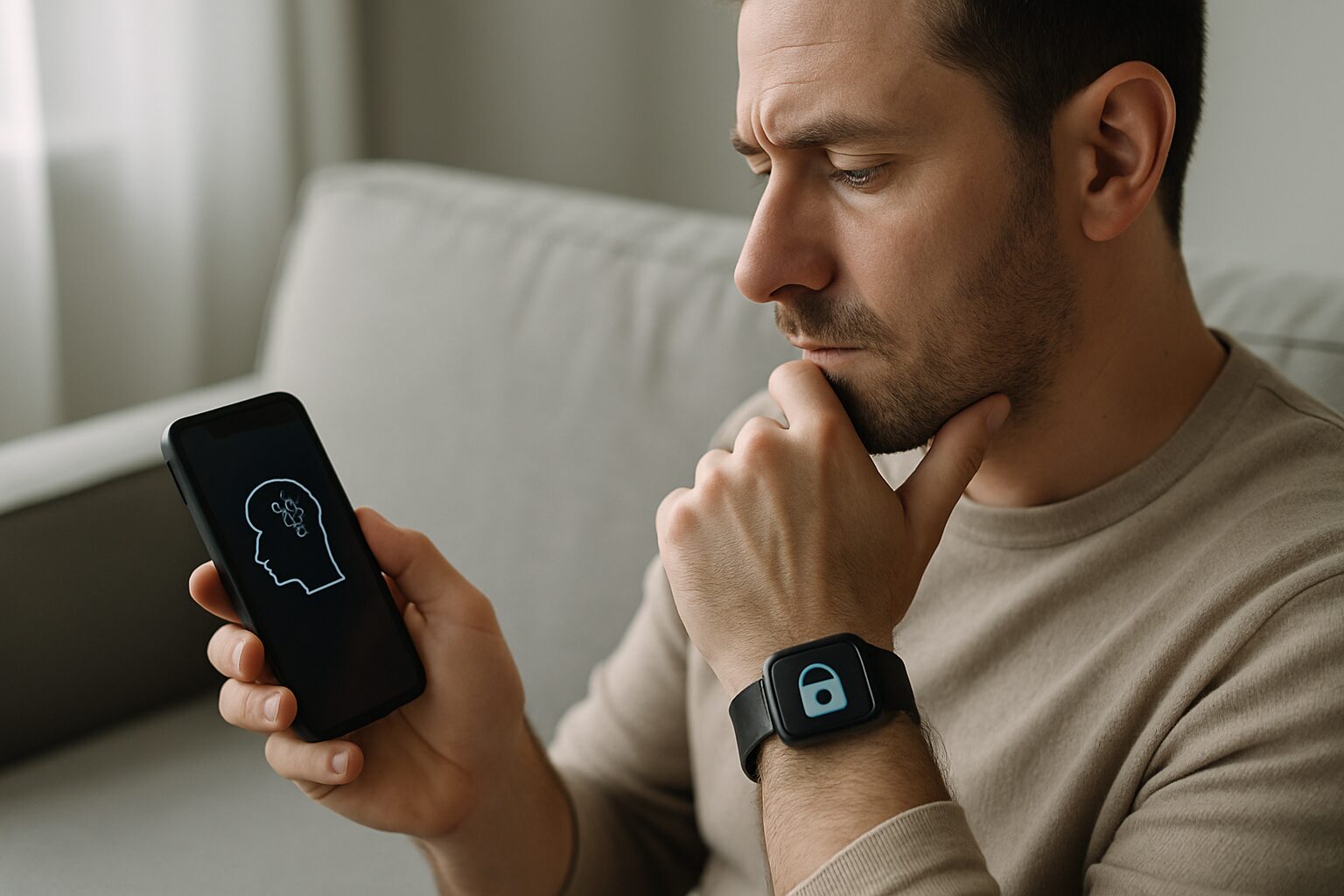
Health monitoring devices powered by AI collect and analyze sensitive personal data, such as heart rate, sleep patterns, and activity levels. This raises ethical concerns about how this data is stored, shared, and used, particularly when users may not fully understand the implications of consent agreements. Regulatory frameworks struggle to keep pace with rapid advancements in AI, creating gaps in privacy protections and accountability.
Why It Matters - Real-world impact
The issue of AI in health monitoring devices and its regulation matters profoundly because it directly impacts individuals' privacy, autonomy, and safety. Patients relying on wearable health trackers, remote diagnostics, or AI-driven medical advice are vulnerable to data breaches, biased algorithms, or misuse of sensitive health information. Without proper oversight, these technologies could lead to misdiagnoses, discriminatory practices, or unauthorized sharing of personal data with insurers or employers. Regular people should care because the ethical use of AI in healthcare determines whether these tools empower or exploit users. The consequences of unregulated AI extend beyond individual harm, eroding trust in medical institutions and deepening societal inequities. Addressing these challenges is critical to ensuring technology serves humanity rather than compromising fundamental rights.
Ethical Concerns - What’s wrong or risky?
Ethical Risks in AI Health Monitoring Devices
AI-powered health monitoring devices offer immense potential for improving patient outcomes, but they also introduce significant ethical risks that demand careful regulation. One primary concern is discrimination, as biased algorithms may disproportionately misdiagnose or underserve marginalized communities, exacerbating existing health disparities.
Fairness and Economic Impact
Issues of fairness arise when AI systems are trained on non-representative data, leading to unequal accuracy across demographic groups. Additionally, the economic impact of these technologies could widen the gap between those who can afford advanced monitoring and those who cannot, creating a two-tiered healthcare system.
Transparency and Accountability
A lack of transparency in how AI algorithms make decisions can erode trust between patients and healthcare providers. Without clear explanations for diagnoses or recommendations, individuals may feel powerless or misinformed about their own health.
Diverse Perspectives on Regulation
Not all stakeholders agree on the urgency or form of regulation. Some argue that strict rules could stifle innovation and delay life-saving technologies, while others emphasize that without robust frameworks, ethical risks like data misuse or loss of human oversight in care could cause irreparable harm.
Additional Moral Concerns
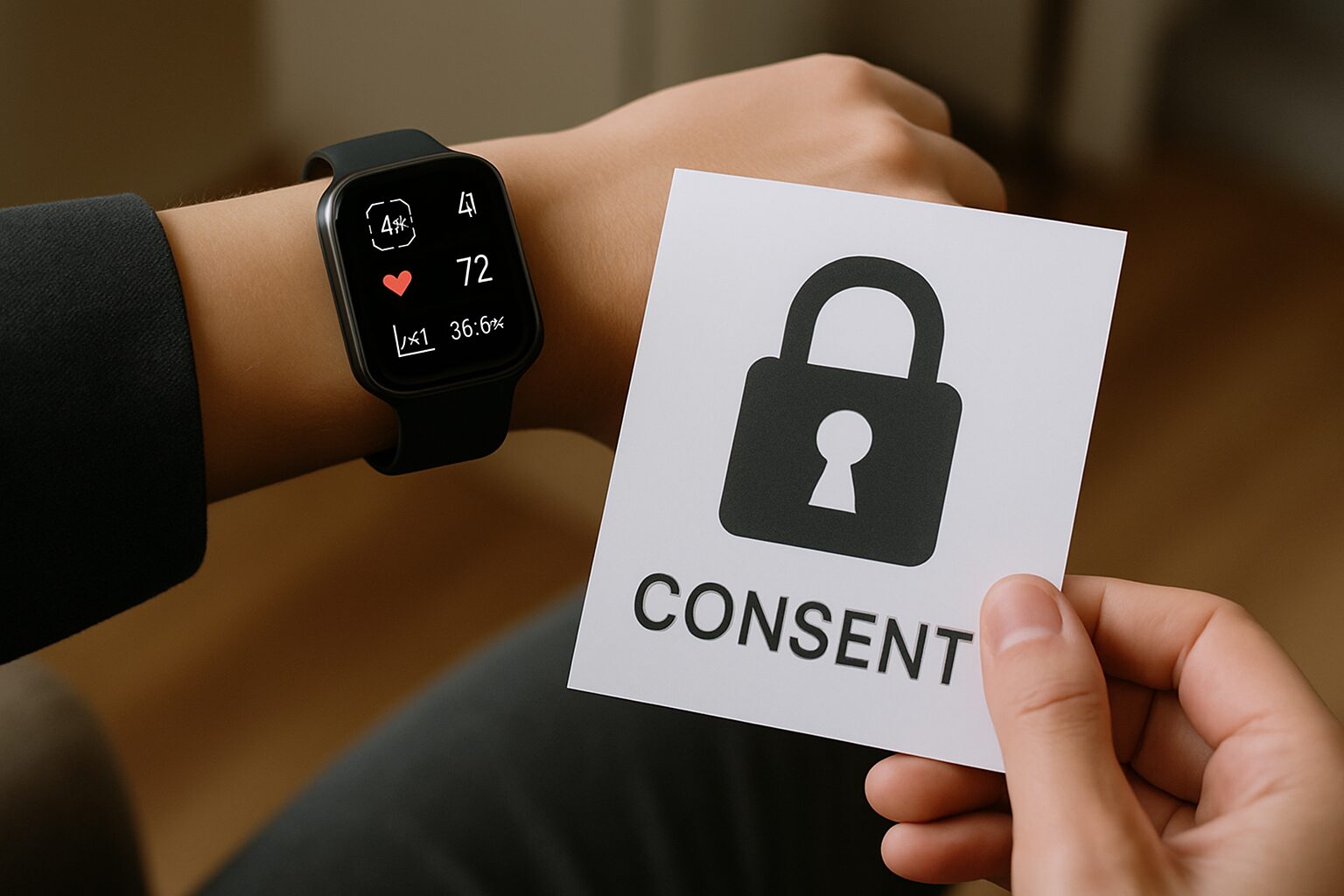
Beyond the linked issues, there are worries about consent—whether users fully understand how their data is used—and autonomy, as AI recommendations might override patient preferences. Privacy breaches remain a critical worry, with sensitive health data vulnerable to exploitation.
Solutions - What’s being done or proposed?
Stricter Data Protection Laws
Governments and regulatory bodies have proposed and implemented stricter data protection laws, such as the GDPR in Europe, to ensure that health data collected by AI devices is handled securely. These laws mandate clear consent from users, transparency in data usage, and severe penalties for breaches. Such regulations aim to give individuals more control over their personal health information while holding companies accountable for misuse.
Anonymization and Encryption Techniques
Technical solutions like advanced anonymization and encryption methods have been developed to protect user data. By stripping identifiable information and encrypting data both in transit and at rest, companies can minimize the risk of exposing sensitive health information. These measures help maintain privacy while still allowing AI systems to analyze aggregated data for insights.
User-Controlled Data Sharing
Some health monitoring devices now offer granular user controls, allowing individuals to decide exactly what data is shared and with whom. Features like opt-in/opt-out settings and time-limited data access empower users to manage their privacy preferences dynamically. This approach balances the benefits of AI-driven health insights with respect for personal autonomy.
Independent Audits and Certifications
To build trust, third-party audits and certifications have been suggested as a way to verify that AI health devices comply with ethical and privacy standards. Organizations like the IEEE and ISO are working on frameworks to evaluate AI systems. Independent oversight ensures that devices meet baseline requirements before reaching consumers.
Public Awareness Campaigns
Educational initiatives aim to inform users about the risks and benefits of AI in health monitoring. By increasing awareness of data privacy issues and how to mitigate them, individuals can make more informed choices about device usage. Campaigns led by nonprofits, governments, and tech companies help bridge the knowledge gap around AI ethics.
Ethical AI Design Principles
Developers and researchers advocate for embedding ethical principles into AI design from the outset. Approaches like 'Privacy by Design' ensure that data protection is a core feature, not an afterthought. By prioritizing fairness, transparency, and accountability during development, companies can reduce the likelihood of harmful outcomes.
Examples and Real Cases
Google's Project Nightingale (2019)
In 2019, Google partnered with Ascension in Project Nightingale, collecting health data from millions of Americans without patient consent. The data included lab results, diagnoses, and hospitalization records, raising significant privacy concerns.
Fitbit Data Used in Court Cases
In 2018, Fitbit data was used as evidence in a criminal case in Pennsylvania, where the defendant's activity data contradicted his alibi. This highlighted how health monitoring devices could be subpoenaed without clear regulatory frameworks.
Hypothetical: AI-Powered Mental Health App Leak
A hypothetical AI mental health app could analyze user conversations for depression but suffer a data breach, exposing sensitive patient insights. Without strict regulations, such leaks could lead to discrimination or stigma.
Apple Watch ECG Feature FDA Approval (2018)
Apple's ECG feature received FDA clearance in 2018, but questions arose about data accuracy and privacy. Users' heart rhythm data could be shared with third parties, emphasizing the need for transparent consent mechanisms.
Hypothetical: Insurance Companies Using Wearable Data
Insurers might hypothetically use AI-processed wearable data to adjust premiums without explicit consent. Without regulation, this could lead to unfair pricing based on health metrics users didnu2019t agree to share.
Frequently Asked Questions
What is AI in health monitoring devices?
AI in health monitoring devices refers to the use of artificial intelligence to analyze health data collected by wearable or medical devices, such as heart rate, sleep patterns, or blood sugar levels. It helps detect trends, predict potential health issues, and provide personalized recommendations.
Why is privacy important in AI health monitoring?
Privacy is crucial because these devices collect sensitive personal health data. Without proper safeguards, this information could be misused, sold, or hacked, leading to discrimination, identity theft, or other harms. Protecting privacy ensures users trust and safely benefit from these technologies.
Do I need to give consent for AI to use my health data?
Yes, in most countries, companies must obtain your explicit consent before collecting or analyzing your health data with AI. This is often outlined in terms of service or privacy policies. Always review these carefully to understand how your data will be used.
How are AI health devices regulated for safety?
Regulations vary by country, but many require AI health devices to meet standards for accuracy, data security, and clinical validation. For example, in the U.S., the FDA oversees certain AI-driven medical devices to ensure they are safe and effective before reaching consumers.
Can AI in health devices make mistakes?
Yes, AI is not perfect and can sometimes provide incorrect readings or predictions. This is why it's important to use these devices as supplements, not replacements, for professional medical advice. Always consult a doctor about concerning health data.