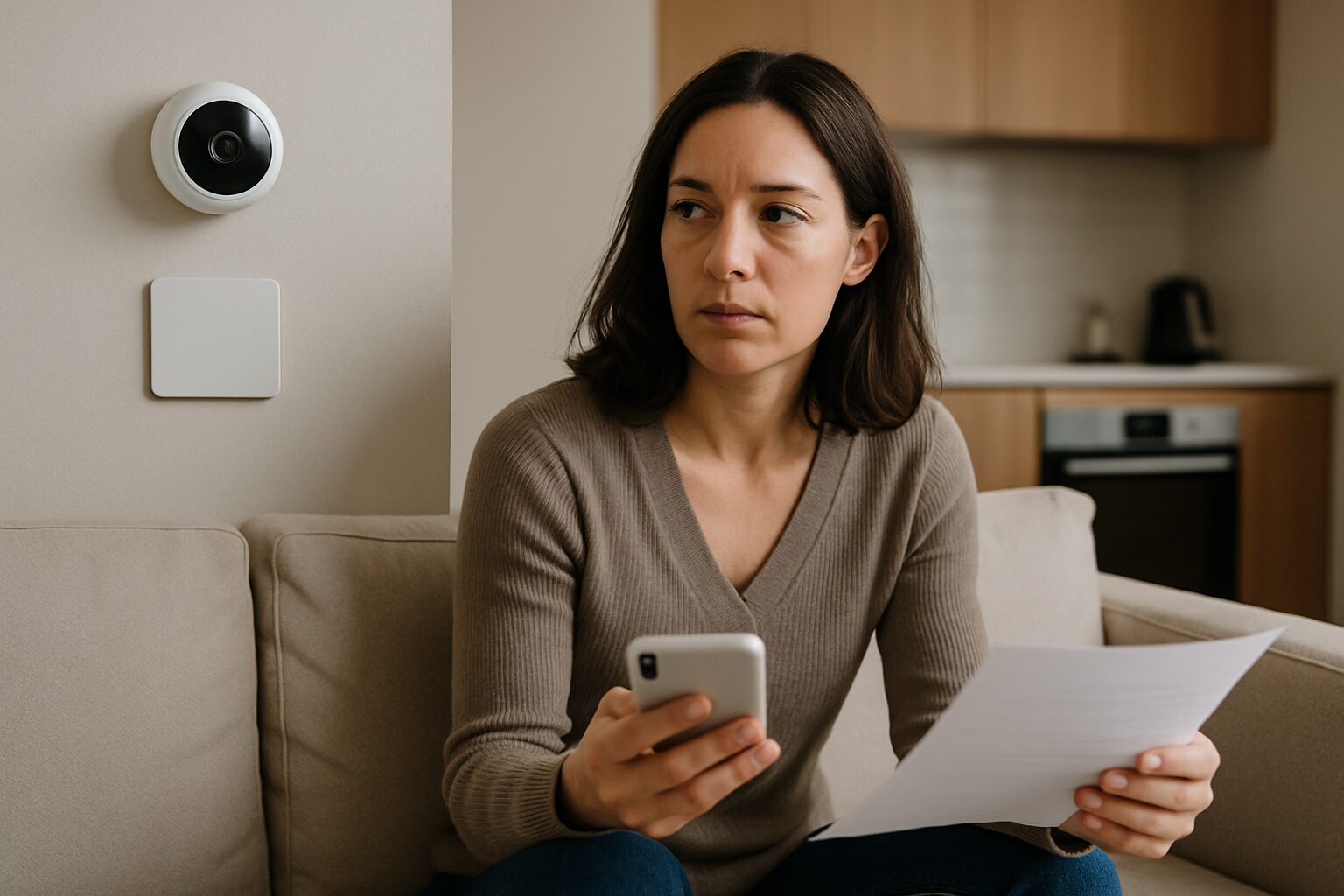
Smart Home Ethics: Balancing Convenience and Privacy in the Age of AI
AI tracking in smart homes involves the collection and analysis of user behavior through connected devices, such as voice assistants, security cameras, and sensors. This raises ethical concerns about privacy and consent, as individuals may not always be aware of what data is being gathered or how it is used. The issue centers on balancing convenience and security with the right to control personal information in private spaces.
Why It Matters - Real-world impact
AI tracking in smart homes raises critical ethical concerns because it directly impacts personal privacy and autonomy. Homeowners, renters, and even guests are affected as devices like voice assistants, security cameras, and smart appliances collect vast amounts of sensitive data—from daily routines to private conversations. Without proper safeguards, this data could be misused by corporations, hackers, or even government entities, leading to surveillance overreach, discrimination, or identity theft. Regular people should care because the erosion of privacy in what should be our most secure spaces undermines trust in technology and society. The normalization of constant monitoring also sets dangerous precedents for how much intrusion we accept in the name of convenience.
Ethical Concerns - What’s wrong or risky?
AI Tracking in Smart Homes: Navigating the Ethical Minefield
As AI-powered devices become ubiquitous in our homes, they collect vast amounts of data on our behaviors, preferences, and routines. While this can enhance convenience, it raises significant ethical questions, particularly around privacy and consent. Let's explore the key ethical risks.
Transparency and Informed Consent
Many users are unaware of the extent to which their data is being collected and analyzed. Without clear communication about how data is used, true informed consent is impossible. This lack of transparency can lead to misuse of personal information, eroding trust between consumers and technology providers.
Discrimination and Bias
AI systems can inadvertently perpetuate or even amplify societal biases. For instance, if smart home algorithms are trained on data from predominantly affluent households, they might not serve lower-income families as effectively, leading to discrimination. This can manifest in personalized pricing or services that unfairly disadvantage certain groups.
Fairness in Data Usage
Questions of fairness arise when considering how data is leveraged. Should companies use behavioral data to influence purchasing decisions or manipulate user behavior? Without ethical guidelines, AI tracking could create power imbalances, where corporations benefit disproportionately from user data without equitable returns for the individuals providing it.
Economic and Social Stratification
The adoption of AI in smart homes might exacerbate existing economic divides. Wealthier households can afford advanced systems that offer better security and efficiency, while others are left with less sophisticated—or more intrusive—options. This could lead to broader economic impact, where data-rich environments become a marker of privilege.
Worker and Domestic Rights
In homes with domestic workers, AI tracking could monitor their activities, potentially infringing on their rights and privacy. This surveillance might be justified for security or efficiency but must be balanced against ethical treatment and consent from all household members, including employees.
Differing Perspectives
Not everyone views these risks uniformly. Some argue that the benefits of personalized experiences and improved security outweigh privacy concerns. Others believe that with robust regulation and transparent practices, ethical risks can be mitigated. There is also debate over whether individuals should have absolute control over their data or if aggregated data use for societal benefits (e.g., energy conservation) is justified.
Job Displacement Concerns
While not directly related to in-home tracking, the automation facilitated by smart home AI could contribute to broader job loss in sectors like security, maintenance, and domestic services. This economic shift warrants consideration in the ethical discourse surrounding AI integration into daily life.
Solutions - What’s being done or proposed?
Legislation and Regulatory Frameworks
Governments and regulatory bodies have proposed and implemented laws to protect user privacy in smart homes. Examples include the General Data Protection Regulation (GDPR) in the EU, which mandates transparency and user consent for data collection. Similar frameworks in other regions aim to hold companies accountable for how they handle personal data, ensuring users have the right to access, delete, or restrict the use of their information.
Privacy-by-Design Technology
Developers are increasingly adopting privacy-by-design principles, embedding privacy protections into AI systems from the outset. This includes techniques like data minimization (collecting only necessary data), anonymization, and on-device processing to reduce reliance on cloud storage. Such measures help mitigate risks of unauthorized access or misuse of personal data.
User-Controlled Data Sharing
Some smart home systems now offer granular controls, allowing users to specify what data is collected and shared. Features like opt-in/opt-out settings, time-limited data retention, and permission management empower users to tailor their privacy preferences. This approach prioritizes user autonomy while maintaining functionality.
Transparency and Explainability
Companies are being urged to provide clear, accessible explanations of how AI systems operate and use data. This includes plain-language privacy policies, real-time notifications about data collection, and dashboards displaying data usage. Transparency builds trust and enables users to make informed decisions about their smart home devices.
Independent Audits and Certifications
Third-party audits and ethical certifications for AI systems are gaining traction as a way to ensure compliance with privacy standards. Organizations like the IEEE and industry consortia are developing benchmarks to evaluate smart home devices. These audits help identify vulnerabilities and assure users that products meet ethical guidelines.
Community and Industry Standards
Collaborative efforts among tech companies, advocacy groups, and academia have led to the creation of ethical guidelines for AI in smart homes. Initiatives like the Partnership on AI promote best practices for data handling, consent, and accountability. Such standards encourage industry-wide adoption of ethical principles.
Public Awareness and Education
Campaigns and resources are being developed to educate users about smart home privacy risks and protections. Workshops, online guides, and media coverage help individuals understand their rights and how to secure their devices. An informed user base is better equipped to demand ethical practices from manufacturers.
Examples and Real Cases
Amazon Ring Doorbell Data Sharing with Police (2019)
In 2019, it was revealed that Amazon's Ring doorbell cameras had partnerships with over 400 police departments in the US, allowing law enforcement to request user footage without a warrant. This raised ethical concerns about mass surveillance and lack of transparent consent from homeowners whose neighborhoods were being monitored.
Google Nest Audio Recording Privacy Lawsuit (2020)
In 2020, Google settled a lawsuit for failing to disclose that its Nest Secure home security system contained an always-on microphone. Users were unaware the device could record audio in their homes, highlighting issues with informed consent in smart home devices.
Roomba Robot Vacuum Mapping Data Controversy (2017)
In 2017, iRobot's CEO suggested the company might sell floor plan data collected by Roomba vacuums to tech giants like Amazon or Apple. While this didn't materialize, it sparked debate about the ethics of repurposing home mapping data without explicit user permission.
Hypothetical: Smart Fridge Diet Monitoring Insurance Rates
A hypothetical scenario where health insurers partner with smart fridge manufacturers to access users' eating habits. Without clear consent, this data could be used to adjust premiums, creating ethical concerns about privacy and discrimination based on dietary choices.
Facebook Portal Smart Camera Data Collection (2018)
When Facebook launched its Portal smart home cameras in 2018, privacy experts raised concerns about the company's ability to collect data about users' homes and interactions. Given Facebook's history with data privacy, this highlighted ethical questions about trust in AI-powered home devices.
Frequently Asked Questions
What is AI tracking in smart homes?
AI tracking in smart homes refers to the use of artificial intelligence to monitor and analyze activities within a home, such as movement, voice commands, or device usage, often through devices like smart speakers, cameras, or sensors.
Why is privacy important in AI tracking for smart homes?
Privacy is crucial because AI tracking can collect sensitive personal data, like daily routines or conversations. Without proper safeguards, this data could be misused, hacked, or shared without consent, leading to security risks or loss of personal freedom.
Do I need to give consent for AI tracking in my smart home?
Yes, ethical and legal standards typically require your informed consent before AI devices can track or store your data. Always review privacy policies and adjust settings to control what data is collected and how itu2019s used.
How can I protect my privacy with AI tracking devices?
You can protect your privacy by disabling unnecessary tracking features, using strong passwords, regularly updating device software, and reviewing permissions to limit data collection to only whatu2019s essential.
Are there laws regulating AI tracking in smart homes?
Yes, laws like GDPR (in Europe) or CCPA (in California) regulate data collection and require transparency. However, regulations vary by region, so itu2019s important to check local laws and advocate for stronger privacy protections if needed.