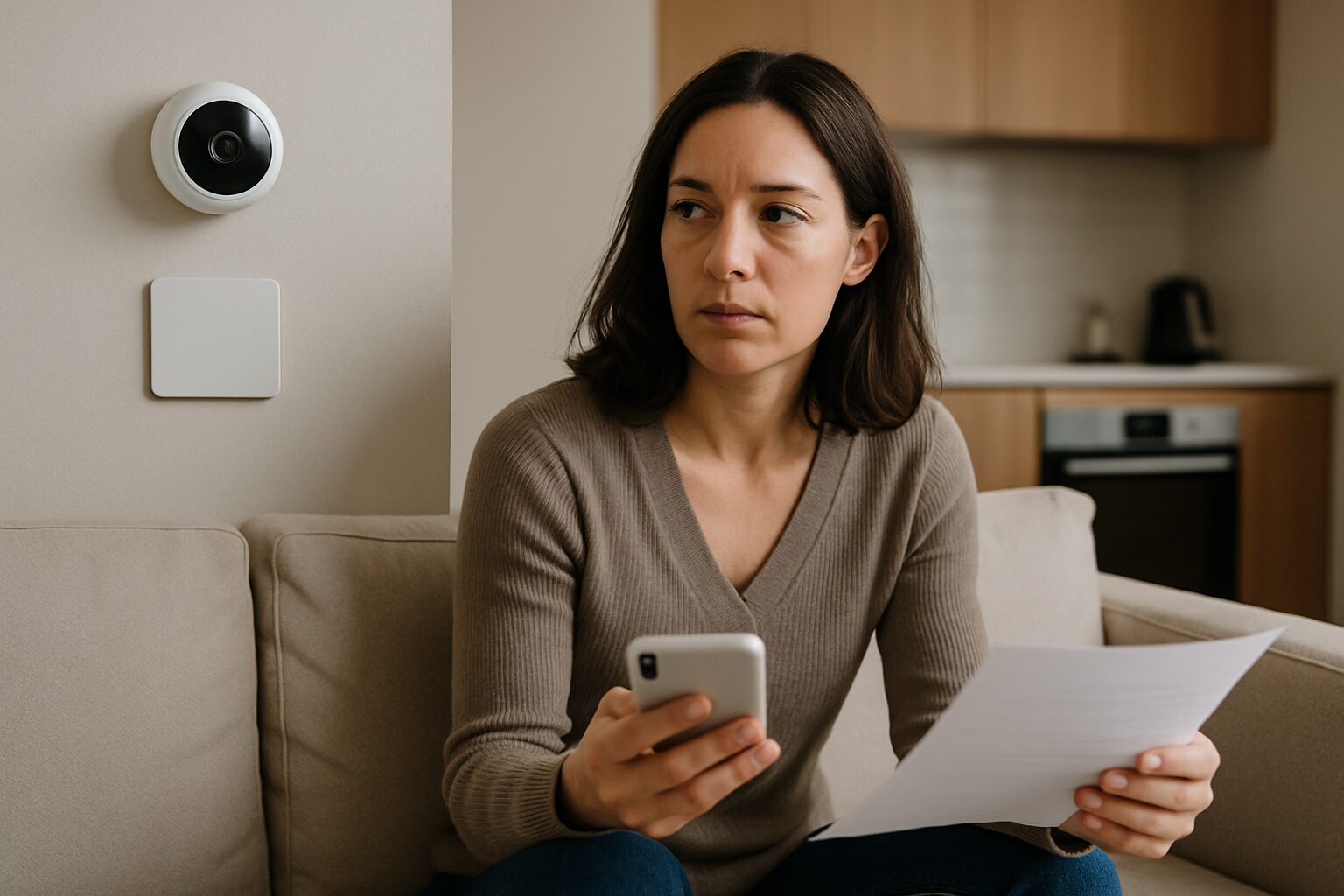
Smart Home Surveillance: How AI Monitors Your Daily Life
AI tracking in smart homes involves the collection and analysis of user data by connected devices, such as voice assistants, security cameras, and sensors. This raises privacy concerns as these systems often process personal information, including daily routines, preferences, and behaviors. The issue centers on whether users fully understand and consent to how their data is used, stored, or shared by these technologies.
Why It Matters - Real-world impact
AI tracking in smart homes raises critical ethical concerns because it directly impacts personal privacy and autonomy. Homeowners, renters, and even guests are affected as devices like voice assistants, security cameras, and smart appliances collect vast amounts of sensitive data—from daily routines to private conversations. Without proper safeguards, this data can be misused by corporations for targeted advertising, hacked by malicious actors, or even exploited by insurers or employers to make discriminatory decisions. Regular people should care because the erosion of privacy in what should be the safest of spaces—the home—sets a dangerous precedent for surveillance in other areas of life. The normalization of constant monitoring risks creating a society where individuals unknowingly trade fundamental rights for convenience.
Ethical Concerns - What’s wrong or risky?
AI Tracking in Smart Homes: Unpacking the Ethical Risks
As AI-powered smart home devices become increasingly integrated into daily life, they collect vast amounts of personal data—from voice commands and movement patterns to daily routines and preferences. While this tracking enables convenience and automation, it raises significant ethical concerns that demand careful scrutiny.
Privacy and Consent Challenges
One of the most pressing issues is the erosion of privacy. Many users are unaware of the extent of data collection, and consent mechanisms are often buried in lengthy terms of service. This lack of informed consent undermines autonomy and can lead to data being used in ways users never intended.
Transparency Gaps
AI systems in smart homes frequently operate as "black boxes," making it difficult for users to understand how their data is being processed or used. This lack of transparency can obscure biases or errors in the algorithms, leaving users vulnerable to decisions made without explanation or recourse.
Risks of Discrimination
Data collected by smart home devices can inadvertently reinforce or amplify societal biases. For example, AI might learn patterns that disadvantage certain demographics, leading to discrimination in services like insurance or lending, if data is shared with third parties.
Fairness in Algorithmic Decisions
Questions of fairness arise when AI systems make automated decisions—such as adjusting energy usage or security settings—that disproportionately affect some households. Without equitable design, these systems could deepen existing social divides.
Economic and Power Imbalances
The data harvested by smart home devices often benefits corporations more than users, contributing to economic impact concerns where wealth and power become concentrated among tech giants. This dynamic can marginalize individuals who lack the resources to opt out or protect their data.
Diverse Perspectives
Not everyone views these risks uniformly. Some argue that the benefits of convenience, energy savings, and security outweigh privacy concerns. Others believe that with robust regulation and ethical design, AI tracking can be implemented responsibly. However, critics emphasize that without strong safeguards, the potential for harm remains high.
Additional Moral Concerns
Beyond the linked issues, other ethical risks include the potential for surveillance creep, where data is repurposed for law enforcement or governmental oversight without clear boundaries. There's also the risk of normalizing constant monitoring, which could reshape social norms around privacy in concerning ways.
Solutions - What’s being done or proposed?
Legislative Frameworks for Data Protection
Governments and regulatory bodies have proposed and implemented laws like the General Data Protection Regulation (GDPR) in the EU and the California Consumer Privacy Act (CCPA) in the US. These laws mandate transparency in data collection, require user consent, and give individuals the right to access or delete their data. Such frameworks aim to hold companies accountable for how they handle personal data collected through smart home devices.
Local Data Processing
Some tech companies and open-source communities advocate for processing data locally on devices rather than sending it to cloud servers. Edge computing and federated learning are examples where AI models run directly on smart home hubs, minimizing the need for external data storage. This reduces privacy risks by keeping sensitive information within the user's home.
Transparency and User Control Tools
Developers have introduced dashboards and settings that allow users to monitor and control what data their smart devices collect. Features like activity logs, permission management, and opt-out options empower users to customize their privacy preferences. Companies like Apple and Google have integrated such tools into their ecosystems to enhance user trust.
Privacy-First AI Design
Researchers and organizations promote 'Privacy by Design' principles, embedding privacy protections into AI systems from the ground up. Techniques like differential privacy and data anonymization help ensure that collected data cannot be traced back to individuals. This approach balances functionality with ethical data usage.
Community and Industry Standards
Industry alliances, such as the Connectivity Standards Alliance (formerly Zigbee Alliance), have developed certification programs for smart home devices that meet specific privacy and security benchmarks. These standards encourage manufacturers to adopt best practices and provide consumers with recognizable labels indicating trustworthy products.
Public Awareness Campaigns
Nonprofits and advocacy groups run campaigns to educate consumers about smart home privacy risks and mitigation strategies. Workshops, online resources, and media outreach help users make informed decisions about device purchases and settings. Increased awareness drives demand for more ethical AI practices in the market.
Decentralized Smart Home Networks
Some innovators propose blockchain-based or peer-to-peer smart home systems where data is shared only between trusted devices without centralized control. These decentralized models aim to eliminate single points of failure and reduce corporate surveillance risks, though scalability remains a challenge.
Examples and Real Cases
Amazon Ring Doorbell Data Sharing with Police (2019)
In 2019, it was revealed that Amazon's Ring doorbell cameras had partnerships with over 400 police departments across the US, allowing law enforcement to request footage from homeowners without a warrant. This raised concerns about mass surveillance and the erosion of privacy norms in residential areas.
Google Nest Audio Recording Privacy Lawsuit (2020)
Google faced a lawsuit in 2020 after it was discovered that Nest security devices were recording audio even when users believed they were turned off. The case highlighted how smart home devices could secretly collect sensitive data without explicit consent.
Hypothetical: Smart Fridge Tracks Eating Habits for Insurance
A realistic hypothetical scenario could involve a smart refrigerator that monitors users' food consumption patterns and shares this data with health insurance companies. Insurers might adjust premiums based on perceived dietary habits, creating privacy concerns about intimate data collection in homes.
Roomba Vacuum Mapping Data Sold to Advertisers (2017)
In 2017, iRobot's CEO suggested the company might sell floor plan data collected by Roomba vacuums to tech giants like Amazon or Google. While they later walked back these statements, it revealed how home layout data could become a commodity without residents' full understanding.
Facebook Portal Smart Camera Privacy Concerns (2018)
When Facebook launched its Portal smart displays in 2018, privacy experts warned the cameras and microphones could expand Facebook's data collection into private homes. Despite company assurances, many remained skeptical about how conversation data might be used for targeted advertising.
Frequently Asked Questions
What is AI tracking in smart homes?
AI tracking in smart homes refers to the use of artificial intelligence to monitor and analyze activities within a home using devices like smart cameras, voice assistants, or sensors. It can track movements, habits, or even predict behaviors to automate tasks or provide insights.
Why is privacy important in AI tracking for smart homes?
Privacy is crucial because AI tracking collects personal data like daily routines, voice recordings, or even video footage. Without proper safeguards, this data could be misused, hacked, or shared without consent, leading to security risks or violations of personal privacy.
Do I need to give consent for AI tracking in my smart home?
Yes, most regions require explicit user consent before AI tracking can collect or process personal data. Always review privacy policies and settings on smart devices to understand what data is being collected and how itu2019s used.
How can AI tracking in smart homes benefit me?
AI tracking can improve convenience by automating lights, adjusting thermostats, or enhancing security with motion alerts. It can also provide insights into energy usage or help caregivers monitor elderly family members safely.
What are the risks of AI tracking in smart homes?
Risks include potential data breaches, unauthorized surveillance, or misuse of personal information. Poorly secured devices could allow hackers access to your home network, making it important to use strong passwords and regular updates.