Top Trends in AI-Powered Health Monitoring Tech
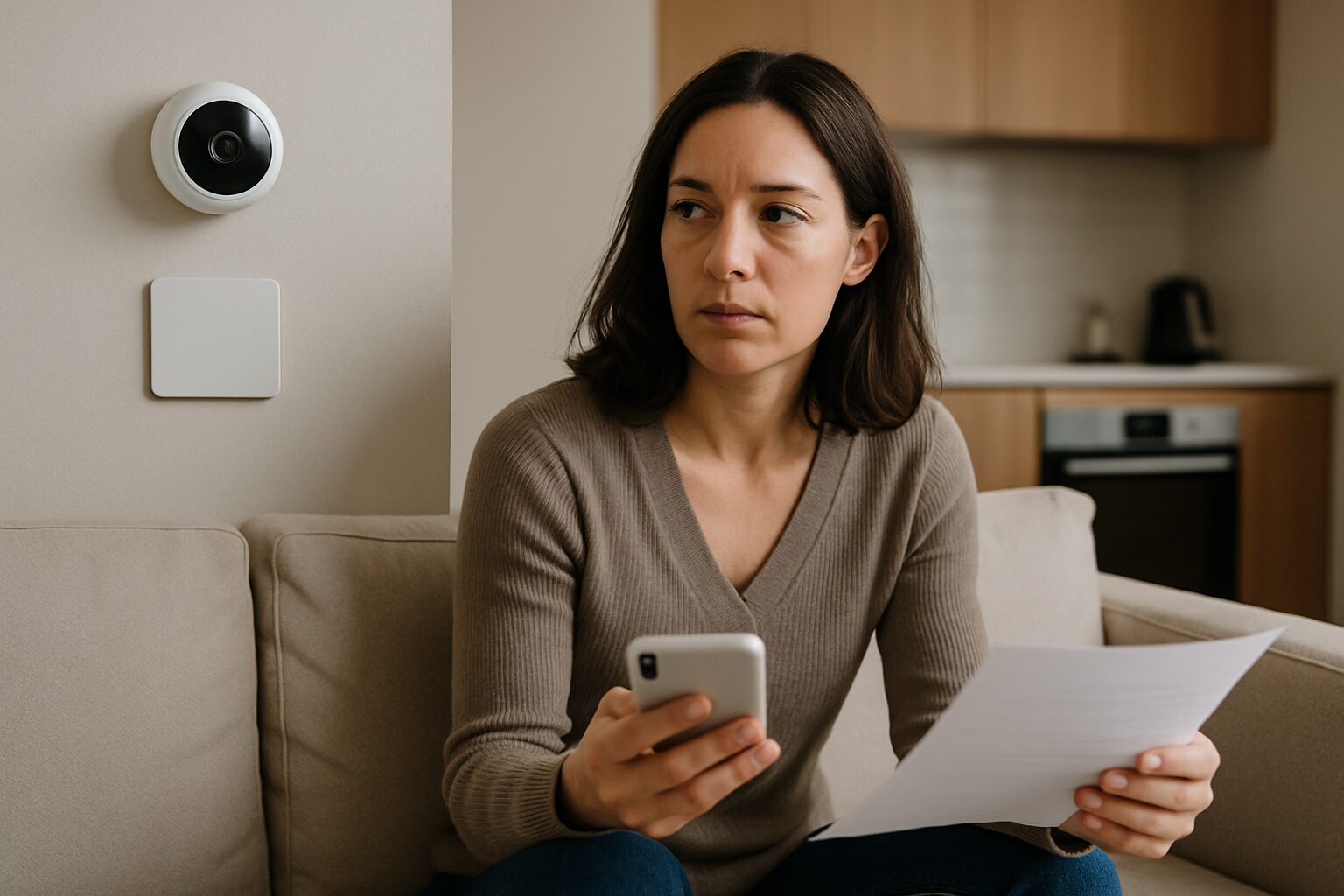
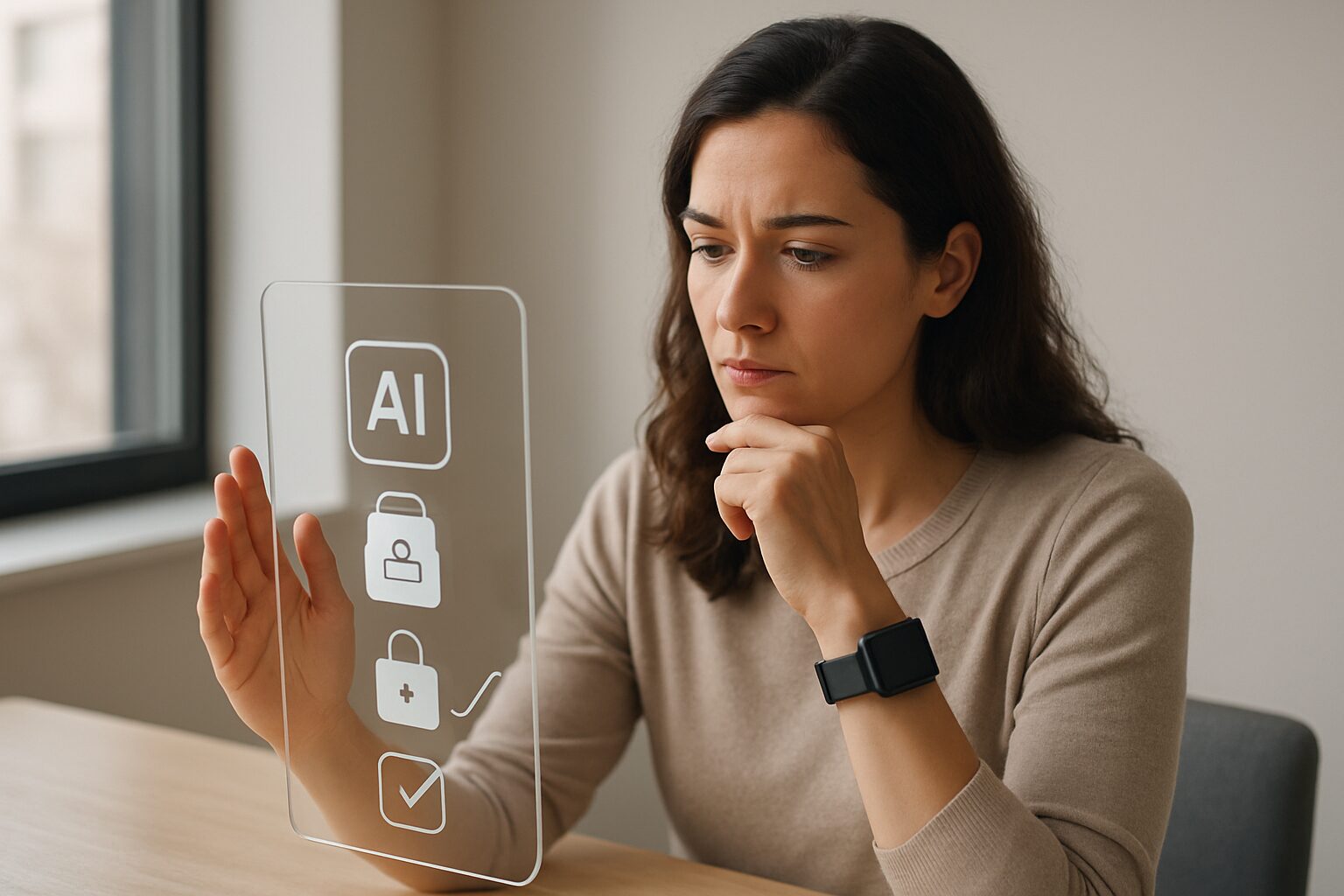
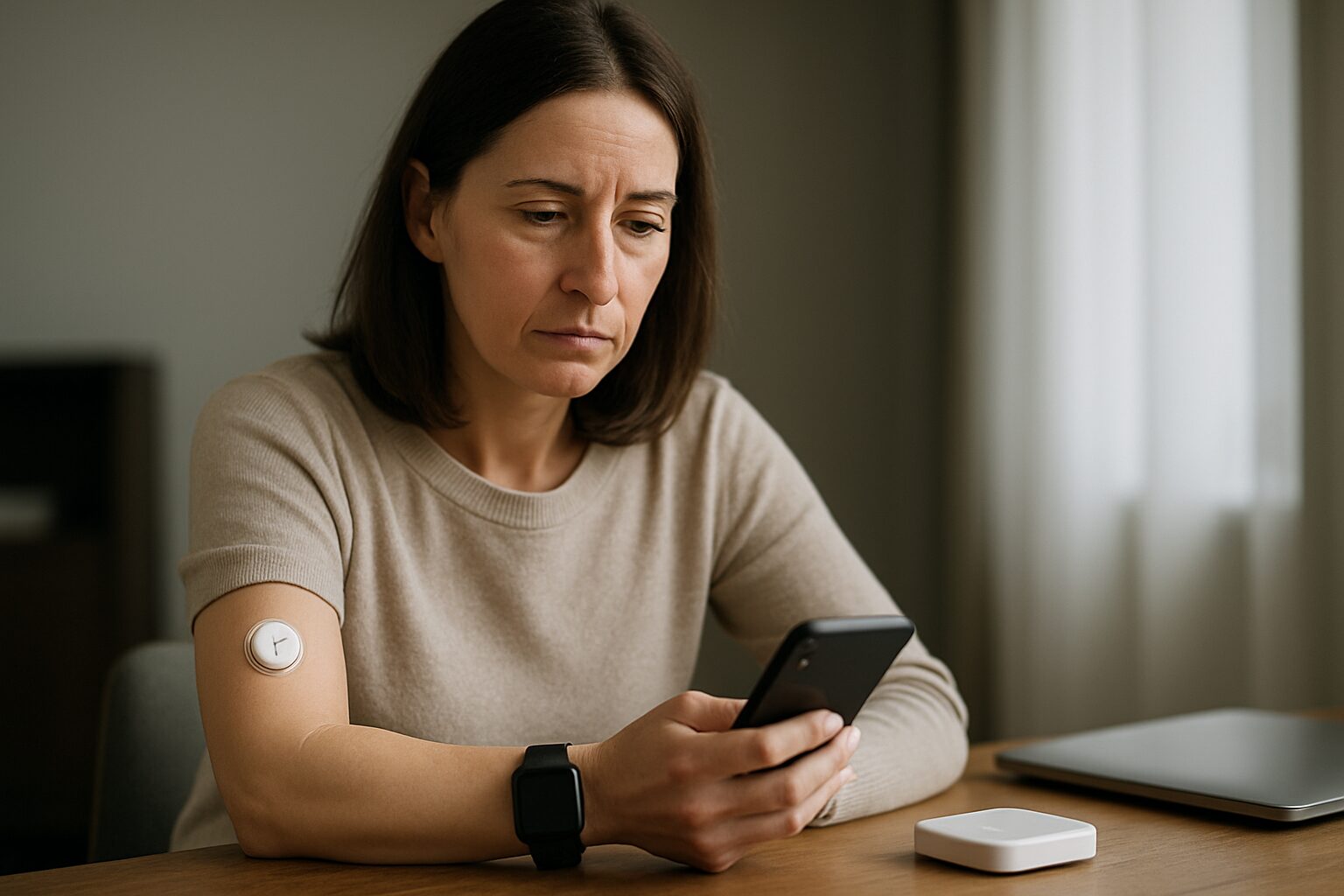
Health monitoring devices increasingly rely on AI to analyze personal data, such as heart rate, sleep patterns, and activity levels. This raises ethical concerns about how user data is collected, stored, and shared, particularly without explicit consent. The integration of AI in these devices also introduces questions about transparency and user control over sensitive health information.
Why It Matters - Real-world impact
The ethical use of AI in health monitoring devices has profound real-world implications, affecting patients, healthcare providers, and society at large. If privacy and consent are compromised, sensitive health data could be misused—by insurers to deny coverage, employers to discriminate, or malicious actors to exploit vulnerabilities. Vulnerable populations, such as those with chronic conditions or limited access to care, are particularly at risk of harm. Regular people should care because these devices collect intimate details about their bodies and behaviors, often without transparent oversight. Without robust ethical safeguards, the very tools meant to improve health could erode trust and exacerbate inequalities.
Ethical Concerns - What’s wrong or risky?
Economic Impact and Access Disparities
The proliferation of AI in health monitoring devices raises significant questions about economic impact, as these technologies often come with high costs. This may exacerbate existing healthcare inequalities, limiting access for lower-income populations and creating a two-tiered system where only the affluent benefit from cutting-edge health insights.
Discrimination in Data and Outcomes
AI systems can perpetuate or even amplify discrimination if trained on biased datasets. For instance, if health data primarily represents certain demographics, predictions and recommendations for underrepresented groups may be less accurate, leading to misdiagnoses or inadequate care.
Fairness in Algorithmic Decision-Making
Issues of fairness arise when AI algorithms make decisions that affect patient care. If the models are not regularly audited for equity, they might favor certain health outcomes over others based on flawed or incomplete logic, indirectly harming vulnerable populations.
Transparency and the "Black Box" Problem
Many AI health monitoring tools operate as "black boxes," making it difficult for users and even healthcare providers to understand how decisions are made. This lack of transparency can erode trust and complicate informed consent, as patients may not fully grasp how their data is being used or why specific health advice is given.
Differing Perspectives on Privacy Trade-Offs
Not everyone agrees on where to draw the line between health benefits and privacy risks. Some argue that continuous monitoring saves lives through early detection, justifying extensive data collection. Others contend that the erosion of privacy and potential for data misuse—such as by employers or insurers—outweighs the benefits, calling for stricter consent protocols and data ownership rights.
Moral Concerns Beyond Linked Categories
Additional ethical risks include autonomy, as over-reliance on AI might diminish personal agency in health decisions, and accountability, particularly when algorithmic errors occur. There is also the moral question of data exploitation—whether corporations should profit from user health data without explicit, ongoing consent.
Solutions - What’s being done or proposed?
Stronger Data Protection Laws
Governments and regulatory bodies have proposed stricter data protection laws specifically targeting AI health monitoring devices. These laws would require explicit user consent for data collection, mandate transparency about how data is used, and impose heavy penalties for breaches. Examples include GDPR in Europe and HIPAA in the US, which are being updated to address AI-specific concerns.
Decentralized Data Storage
Technical experts suggest using decentralized or federated learning systems where health data remains on the user's device or within a local network. This minimizes the risk of large-scale data breaches by avoiding centralized storage. Companies like Apple have implemented on-device processing for health metrics as a step in this direction.
Transparency and User Control Dashboards
Many advocates push for mandatory user interfaces that clearly show what data is being collected, how it's processed, and who has access. These dashboards would give users easy options to opt-out of specific data sharing features while still using core functionality. Some fitness trackers already offer basic versions of this.
Ethics Review Boards for AI Health Products
Similar to institutional review boards for medical research, there are proposals to require independent ethics reviews before AI health monitoring products can be marketed. These boards would assess privacy risks, potential biases, and ensure proper consent mechanisms are in place.
Data Minimization by Design
Privacy-by-design approaches suggest that devices should only collect the minimum data necessary for their core functions. Technical standards are being developed to help manufacturers implement this principle, such as differential privacy techniques that aggregate data without exposing individual records.
Consumer Education Initiatives
Non-profits and some governments have launched programs to educate users about privacy risks in health monitoring devices. These initiatives teach people how to adjust privacy settings, understand terms of service, and make informed choices about which devices to use based on their data practices.
Interoperability Standards with Privacy Safeguards
Industry groups are working on technical standards that allow health devices to work across platforms while building in privacy protections. This would reduce lock-in to single ecosystems while ensuring data sharing happens only with proper consent and security measures.
Examples and Real Cases
Fitbit Data Sharing with Google (2019)
In 2019, Google acquired Fitbit, raising concerns about the potential misuse of health data. Privacy advocates worried that Google could integrate Fitbit's health metrics with its advertising ecosystem, despite promises to keep health data separate.
Apple Watch ECG Feature and HIPAA Compliance
Apple's ECG feature on the Apple Watch, launched in 2018, sparked debates about HIPAA compliance. While Apple claimed data was encrypted, critics highlighted risks if third-party apps accessed this sensitive health information without explicit user consent.
Hypothetical: AI-Powered Mental Health Wearable Leak
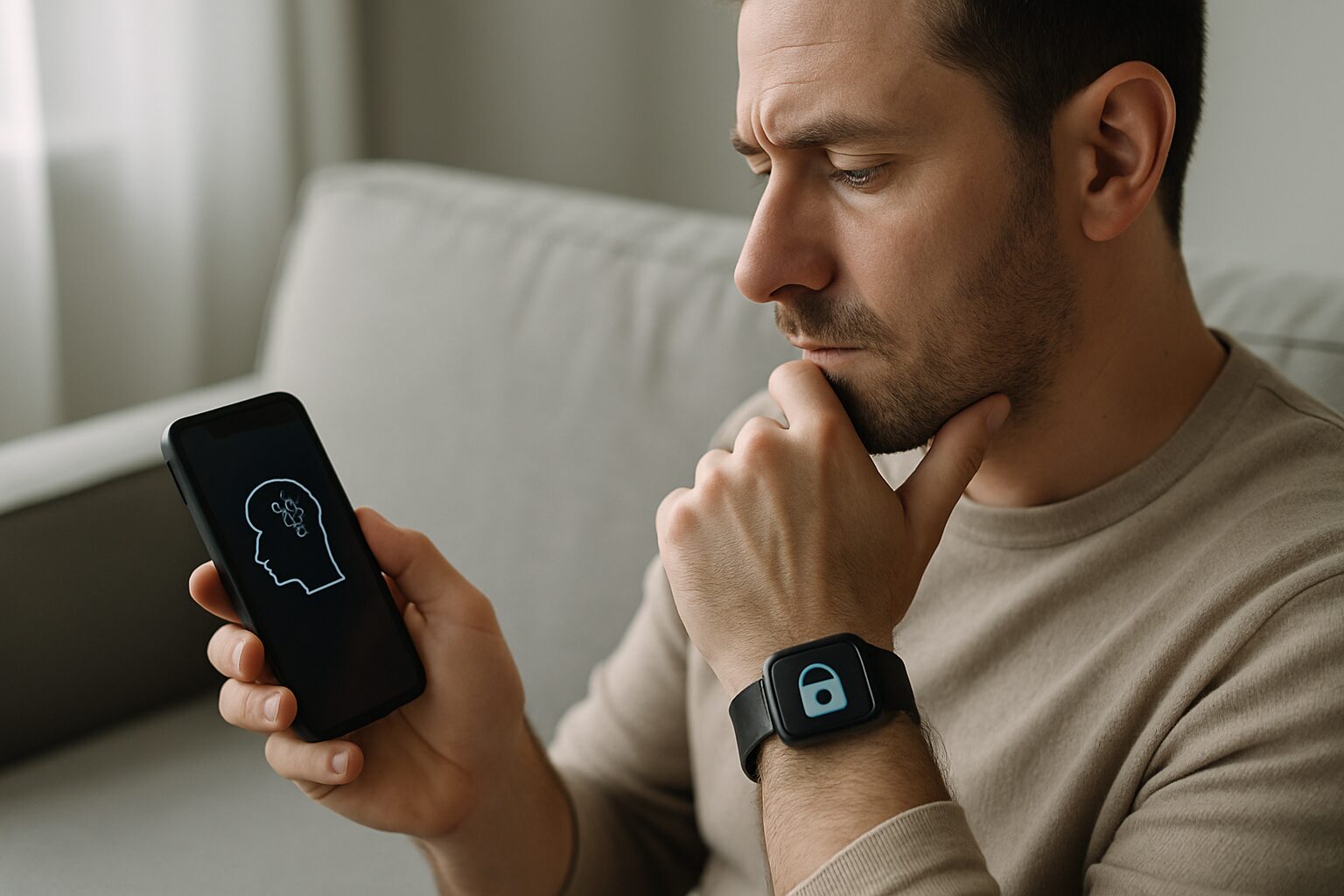
A hypothetical scenario involves an AI-driven mental health wearable that detects mood swings and stress levels. If hacked, this data could be exploited by employers or insurers, leading to discrimination based on mental health status.
Amazon Halo's Voice Analysis Controversy (2020)
Amazon's Halo Band, released in 2020, used AI to analyze users' tone of voice for emotional states. Privacy experts criticized the lack of transparency about how this sensitive audio data was stored and whether it could be used for targeted advertising.
Hypothetical: AI Insulin Pump Data Breach
In a hypothetical case, an AI-powered insulin pump could be vulnerable to hacking, exposing diabetics' glucose levels and dosing schedules. Such a breach could lead to blackmail or insurance premium adjustments based on health conditions.
Frequently Asked Questions
What is AI in health monitoring devices?
AI in health monitoring devices refers to the use of artificial intelligence to analyze health data collected by wearable or medical devices, such as heart rate, sleep patterns, or blood sugar levels. It helps detect trends, predict risks, and provide personalized health insights.
Why is privacy important in AI health monitoring?
Privacy is crucial because AI health devices collect sensitive personal data. Without proper safeguards, this information could be misused, leading to discrimination, identity theft, or unauthorized sharing of medical details.
How does AI in health devices get user consent?
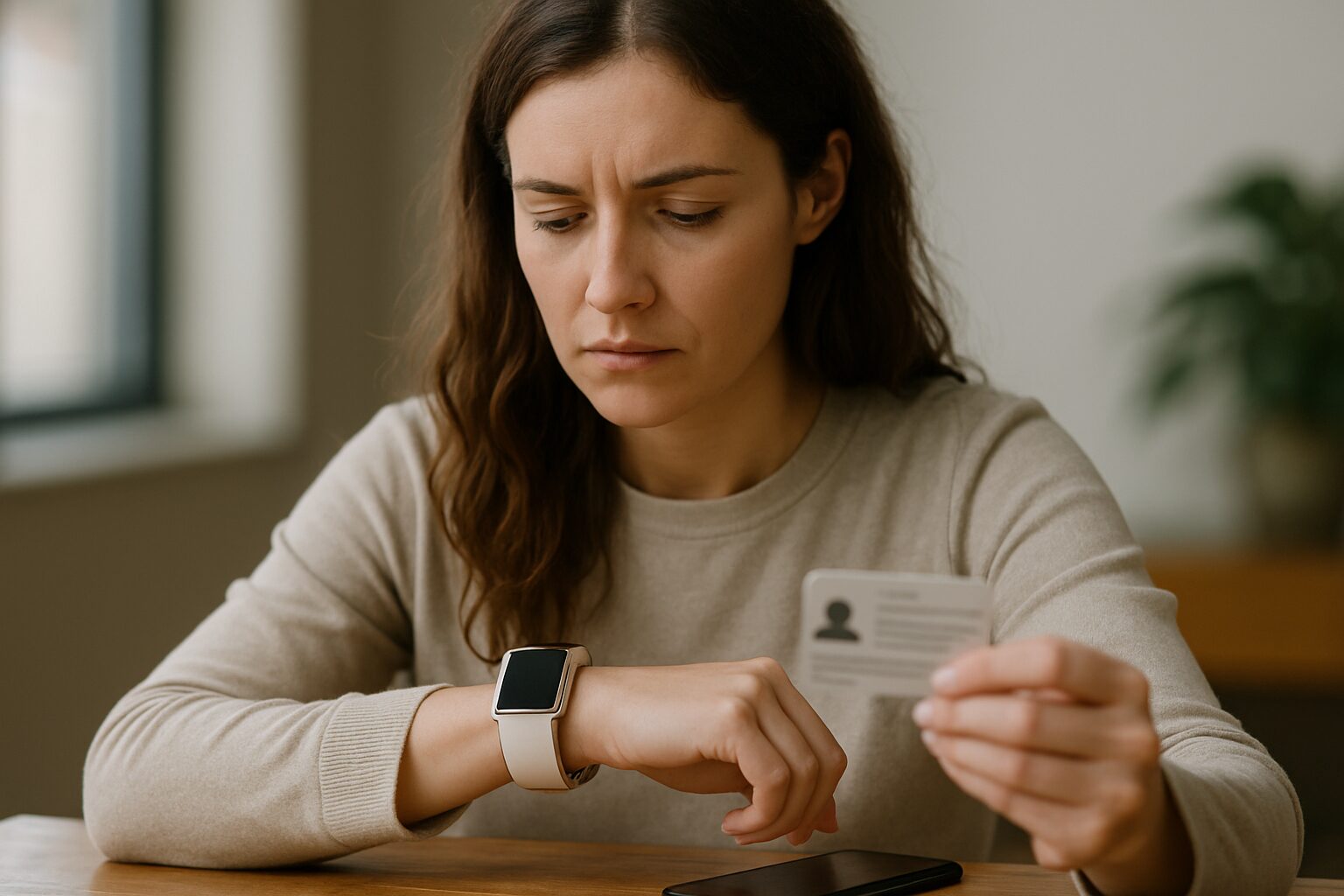
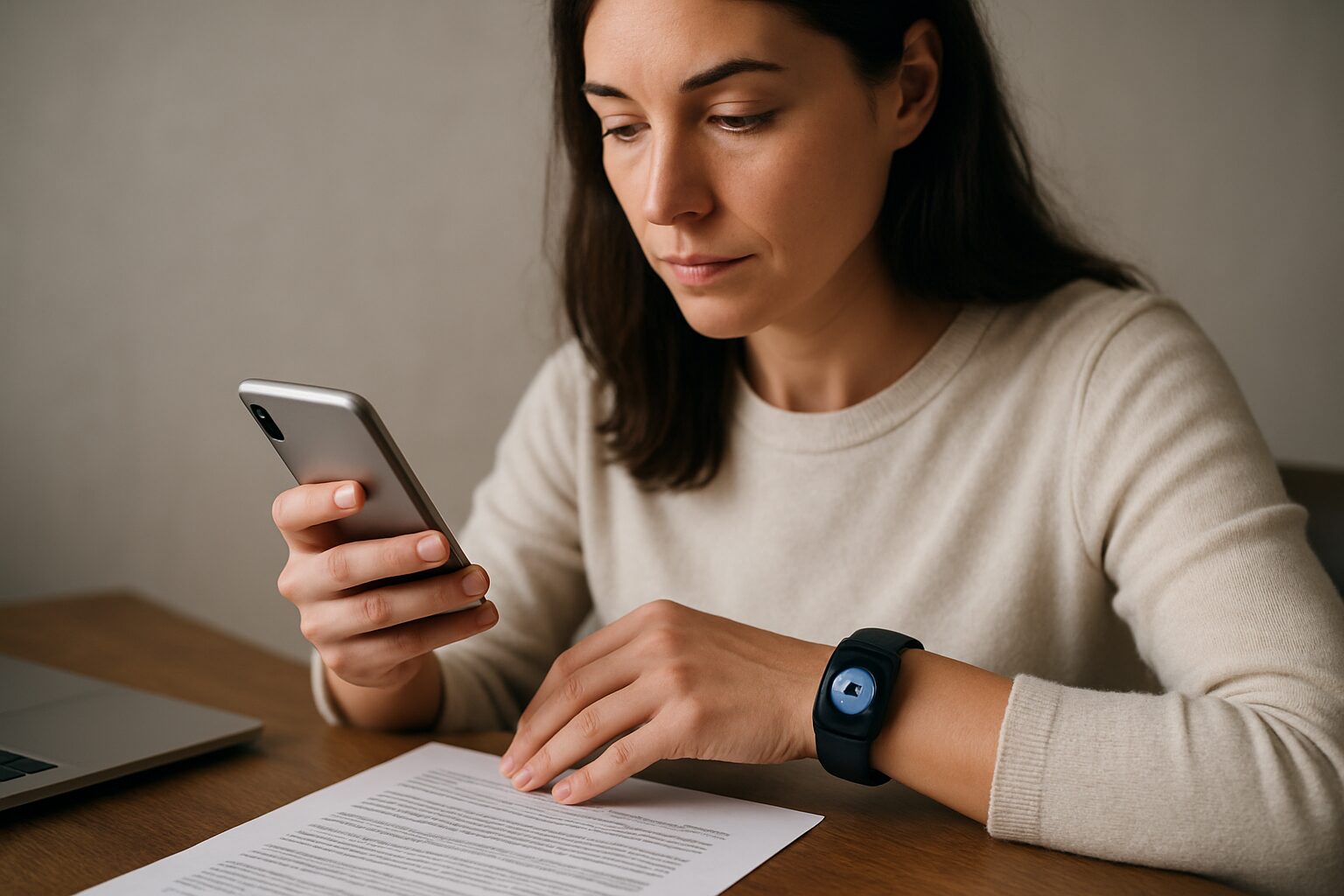
Most AI health devices require users to agree to terms and conditions that explain what data is collected and how it's used. Some apps also ask for explicit permissions, like access to your phone's sensors or health data, before tracking begins.
Can AI health monitoring replace doctors?
No, AI health monitoring complements but doesn't replace doctors. It helps track health trends and alert users to potential issues, but medical professionals are needed for diagnosis, treatment, and interpreting complex health data.
What are the risks of using AI health monitoring devices?
Risks include data breaches, inaccurate readings leading to wrong health assumptions, and over-reliance on technology instead of professional medical advice. Always check if devices are FDA-approved and review privacy policies before use.