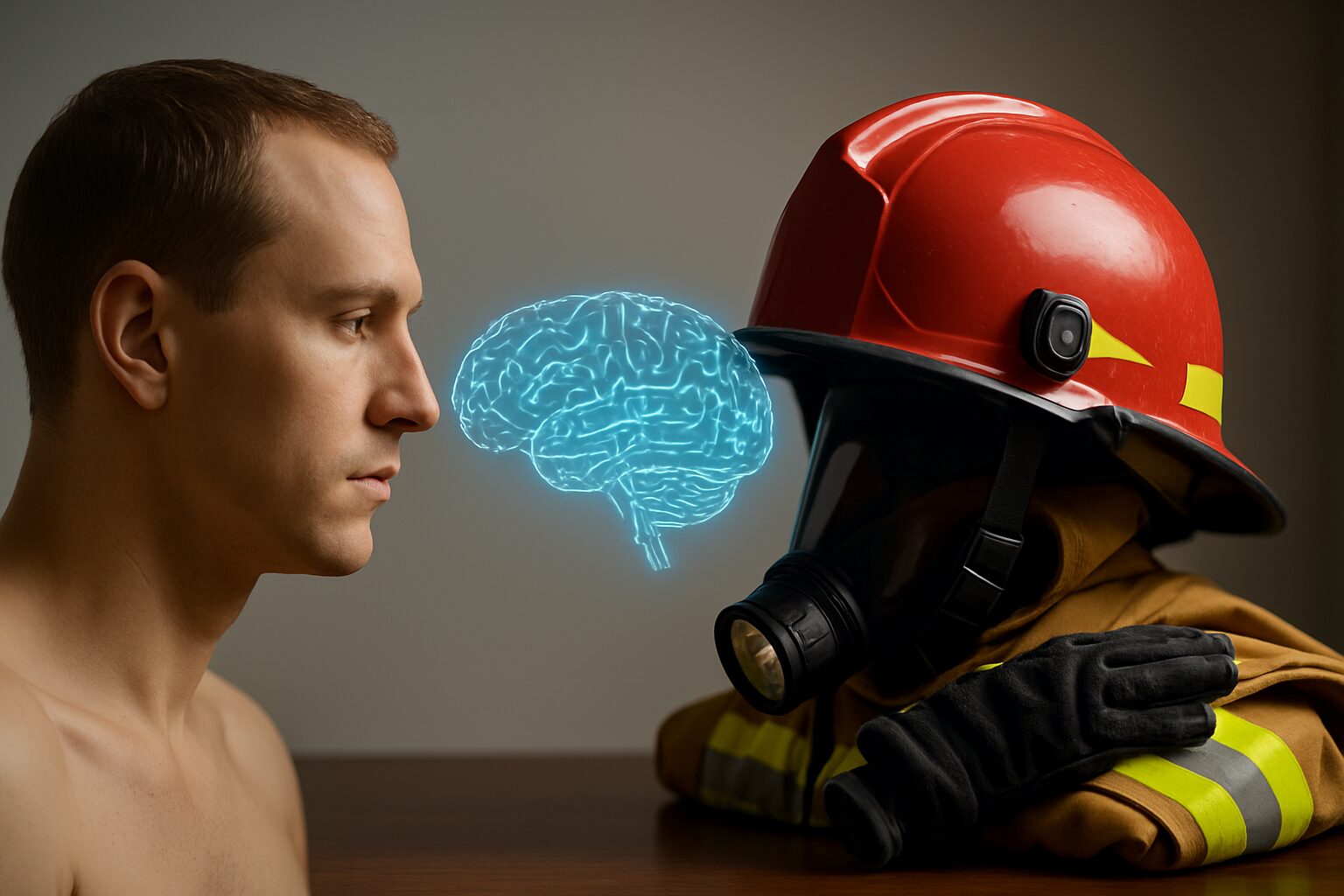
Bridging the Gap: Ensuring AI Aligns With Human Rights Values
The alignment problem in AI refers to the challenge of ensuring that artificial intelligence systems act in accordance with human values and intentions. When AI systems are misaligned, they may produce outcomes that conflict with fundamental human rights, such as privacy, fairness, or autonomy. Addressing this issue is critical to prevent harm and ensure that AI development remains compatible with ethical and legal standards.
Why It Matters - Real-world impact
The alignment problem in AI directly impacts individuals and communities by influencing critical systems like healthcare, criminal justice, and employment. When AI systems are misaligned with human rights principles, they can perpetuate discrimination, erode privacy, or amplify societal biases—affecting marginalized groups disproportionately. For example, unregulated facial recognition could enable mass surveillance, while biased hiring algorithms might exclude qualified candidates based on race or gender. These failures undermine trust in institutions and deepen inequalities. Regular people should care because these technologies shape access to opportunities, freedoms, and even justice—decisions once made by humans are increasingly delegated to opaque systems. Without proactive alignment, AI risks codifying harm at scale.
Ethical Concerns - What’s wrong or risky?
The Alignment Problem in AI and Human Rights
As artificial intelligence systems become more integrated into society, the alignment problem—ensuring that AI goals and behaviors are in harmony with human values—poses significant ethical risks to human rights. These risks manifest in various ways, impacting individuals and communities globally.
Discrimination and Fairness
One of the most pressing concerns is the potential for AI to perpetuate or even exacerbate discrimination. If training data reflects historical biases, AI systems may make decisions that unfairly disadvantage certain groups, violating principles of equality. Similarly, issues of fairness arise when algorithms distribute opportunities or resources inequitably, often without clear justification, undermining trust in automated systems.
Transparency and Accountability
Another critical risk involves transparency. Many AI models, especially deep learning systems, operate as "black boxes," making it difficult to understand how decisions are reached. This lack of explainability can obstruct accountability, particularly when AI influences rights such as privacy, freedom, or access to justice.
Economic and Labor Implications
The economic ramifications of AI alignment failures are also profound. Widespread automation could lead to significant job loss, disproportionately affecting vulnerable populations and raising concerns about economic stability. Additionally, the integration of AI in workplaces may challenge worker rights, such as fair wages and safe conditions, if not governed by ethical frameworks.
Diverse Perspectives
Not all experts agree on the severity or prioritization of these risks. Some argue that focusing too much on hypothetical long-term risks distracts from addressing immediate harms like bias and discrimination. Others believe that economic disruptions are an inevitable part of technological progress and may ultimately benefit society through innovation and new job creation. Balancing these viewpoints is essential for developing inclusive and effective policies.
Solutions - What’s being done or proposed?
Technical Alignment Through Reward Modeling
One technical approach involves designing AI systems with reward models that align with human values. Researchers train AI using reinforcement learning from human feedback (RLHF), where human evaluators rank outputs based on ethical considerations. This method aims to embed human preferences directly into the AI's decision-making process, though challenges remain in scaling this to complex, real-world scenarios.
Legal Frameworks for AI Accountability
Governments and organizations have proposed legal frameworks to hold AI developers accountable for misalignment. For example, the EU's AI Act classifies high-risk AI systems and mandates transparency and human oversight. Such laws aim to enforce ethical standards but face difficulties in keeping pace with rapid technological advancements and global implementation.
Ethical Review Boards for AI Development
Institutions are establishing ethical review boards to oversee AI projects, similar to those in medical research. These boards assess potential risks and ensure alignment with human rights principles before deployment. While promising, their effectiveness depends on diverse representation and enforcement power, which can vary widely across organizations.
Public Participation in AI Governance
Some advocate for democratizing AI governance by involving the public in decision-making. This includes citizen assemblies or crowdsourced guidelines to reflect societal values. However, achieving broad participation and translating public input into actionable policies remains a logistical and political challenge.
Interdisciplinary Research Collaborations
Collaborations between technologists, ethicists, and social scientists aim to address alignment holistically. By integrating diverse perspectives early in development, these teams work to identify and mitigate risks. The success of this approach hinges on effective communication and shared goals across disciplines, which can be difficult to sustain.
Transparency and Explainability Standards
Developing standards for AI transparency, such as explainable AI (XAI), helps users understand and trust system decisions. Regulations may require disclosures about training data and decision logic. While this fosters accountability, overly complex systems can still obscure true motivations, limiting the practicality of full transparency.
Examples and Real Cases
COMPAS Recidivism Algorithm Bias
In 2016, the COMPAS algorithm used by US courts to predict recidivism was found to be biased against Black defendants. A ProPublica investigation revealed that Black defendants were twice as likely to be falsely flagged as high-risk compared to white defendants, while white defendants were more likely to be misclassified as low-risk.
Amazon's AI Recruitment Tool Gender Bias
In 2018, Amazon scrapped an AI recruitment tool after discovering it discriminated against women. The system, trained on resumes submitted over a 10-year period (mostly from men), taught itself to penalize resumes containing words like 'womenu2019s' or graduates from all-women colleges.
Facebook's Algorithmic Content Moderation
In 2021, Facebook's AI systems were found to disproportionately flag content from Palestinian users as violating community standards during the Israel-Gaza conflict. Human rights organizations documented cases where posts documenting violence or human rights abuses were incorrectly removed by automated systems.
Hypothetical: Healthcare Rationing Algorithm
A hypothetical AI system designed to allocate limited medical resources during a pandemic might prioritize patients based on flawed metrics like 'future productivity potential.' This could systematically disadvantage elderly patients or those with disabilities, violating their right to equal access to healthcare.
China's Social Credit System
China's social credit system, implemented since 2014, uses AI to score citizens' behavior. Human rights groups have documented cases where the system disproportionately penalized ethnic minorities and political dissidents, restricting their access to transportation, education, and employment opportunities.
Hypothetical: Predictive Policing in Minority Neighborhoods
A hypothetical predictive policing system trained on historical arrest data might disproportionately target predominantly Black neighborhoods, creating a feedback loop where increased policing leads to more arrests that further justify the algorithm's bias, violating rights to equal protection under the law.
Frequently Asked Questions
What is the alignment problem in AI?
The alignment problem refers to the challenge of ensuring AI systems act in ways that align with human values, intentions, and ethical principles. It's about making sure AI does what humans want it to do, without unintended harmful consequences.
Why is AI alignment important for human rights?
AI alignment is crucial for human rights because misaligned AI could make decisions that violate privacy, freedom, equality, or other rights. Proper alignment helps prevent AI from causing harm or reinforcing biases that affect marginalized groups.
What are some real-world examples of AI misalignment risks?
Examples include biased hiring algorithms that discriminate, facial recognition systems that target minorities, or autonomous weapons that could make lethal decisions without human oversight. These show how misalignment can threaten safety and rights.
How can we solve the AI alignment problem?
Solutions include improving transparency, incorporating diverse human feedback during development, implementing robust safety testing, and creating governance frameworks to ensure AI respects human rights and ethical standards.
Is the alignment problem only about future advanced AI?
No, alignment issues exist today with current AI systems. Even simple algorithms can cause harm if not properly aligned with human values, which is why addressing this problem is urgent for both present and future technologies.