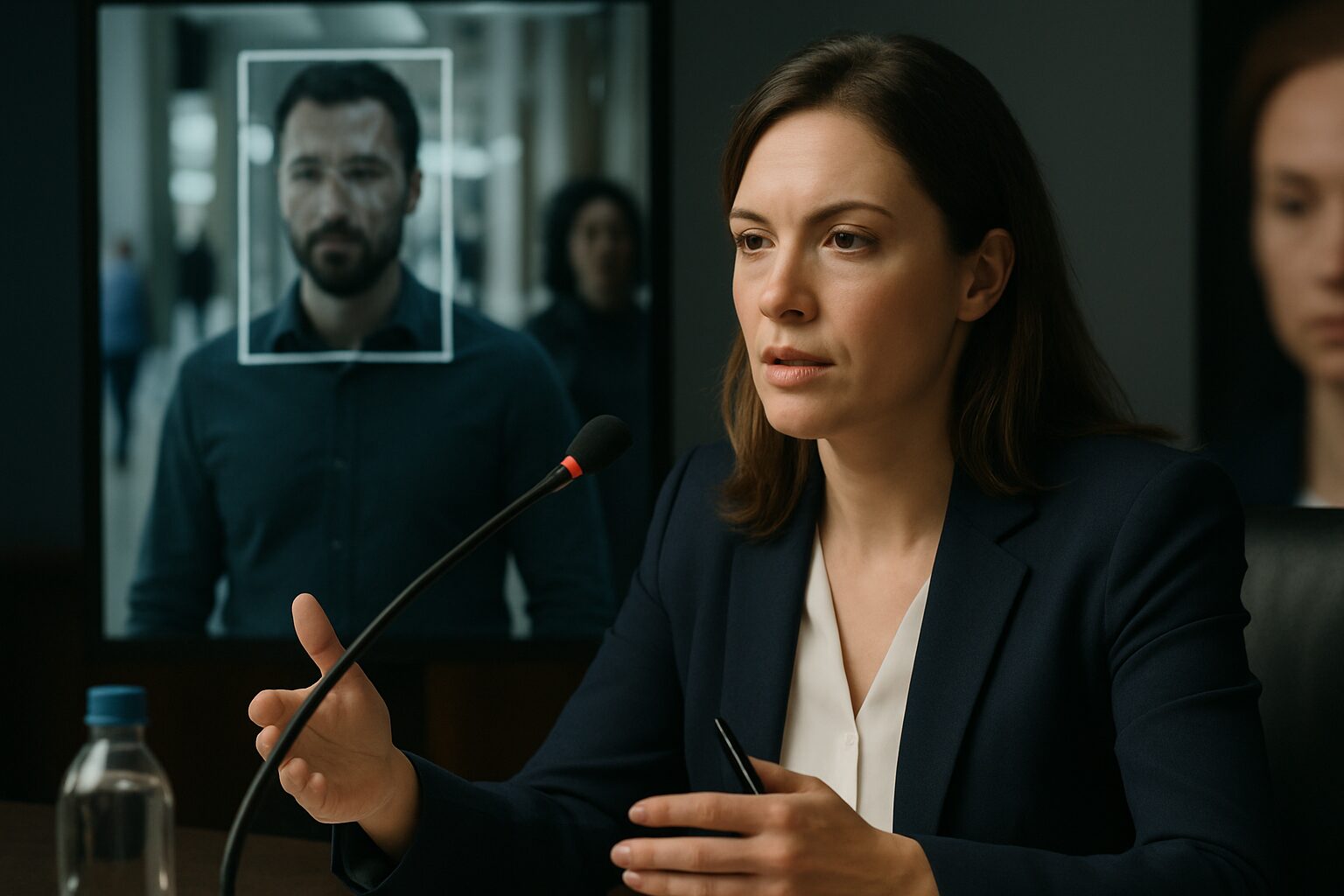
The Ethics of AI Surveillance: Balancing Security and Privacy
Facial recognition technology in public spaces involves the use of AI to identify individuals by analyzing their facial features, often through cameras or surveillance systems. The debate centers on whether this practice respects privacy rights and obtains meaningful consent, given its potential for mass surveillance. Critics and proponents disagree on how to balance security benefits against risks to personal freedom and data protection.
Why It Matters - Real-world impact
The widespread use of facial recognition in public spaces raises critical ethical concerns because it impacts everyone who enters monitored areas—citizens, shoppers, protesters, or even bystanders. Without proper safeguards, the technology can enable mass surveillance, eroding personal privacy and chilling free expression, particularly in marginalized communities disproportionately targeted by such systems. Errors in recognition algorithms have led to wrongful arrests, while opaque data practices risk exposing sensitive biometric information to breaches or misuse. Regular people should care because once deployed, these systems operate silently, often without consent, normalizing a world where anonymity in public becomes impossible. The consequences—loss of autonomy, increased discrimination, and unchecked government or corporate overreach—threaten foundational democratic values.
Ethical Concerns - What’s wrong or risky?
Facial Recognition in Public Spaces: Unpacking the Ethical Risks
The deployment of facial recognition technology in public spaces raises profound ethical questions, particularly around privacy and consent. While proponents argue it enhances security and efficiency, critics highlight significant moral risks that demand careful scrutiny.
Discrimination and Fairness
One of the most pressing concerns is the potential for discrimination. Algorithms trained on unrepresentative data often perform poorly on minority groups, leading to misidentification and unjust targeting. This ties directly into issues of fairness, as biased outcomes can perpetuate systemic inequalities, affecting everything from law enforcement to access to services.
Lack of Transparency
Another critical issue is the transparency of these systems. Many are proprietary, with inner workings hidden from public view, making it difficult to assess accuracy or challenge errors. This opacity undermines accountability and erodes trust.
Economic and Employment Concerns
Some experts warn of broader societal impacts, such as economic disruption if automation replaces human roles in surveillance or security. Related fears about job displacement arise, though others counter that new roles may emerge to manage and regulate the technology.
Worker and Civil Rights
Facial recognition also intersects with worker rights, especially when used for monitoring employees in public-facing jobs, potentially leading to over-surveillance and loss of autonomy.
Diverse Perspectives
Not all stakeholders agree on these risks. Proponents emphasize the technology’s potential to prevent crime and streamline services, arguing that with proper regulation, benefits can outweigh harms. Critics, however, stress that without robust safeguards, ethical pitfalls like function creep—where data is used beyond its original purpose—could irreversibly harm civil liberties.
Balancing innovation with ethical guardrails remains a central challenge in this ongoing debate.
Solutions - What’s being done or proposed?
Legislative Bans and Restrictions
Several cities and countries have implemented bans or strict regulations on the use of facial recognition in public spaces. For example, San Francisco and Portland have prohibited government use of the technology, while the EU has proposed stringent rules under its AI Act. These measures aim to protect privacy rights and prevent misuse, though enforcement and compliance remain challenges.
Transparency and Public Oversight
Some advocates propose requiring transparency reports from entities using facial recognition, detailing how the technology is deployed and its accuracy rates. Independent oversight boards or public audits could ensure accountability. This approach seeks to balance utility with ethical concerns by making operations visible to the public.
Bias Mitigation in Algorithms
Technical solutions focus on reducing bias in facial recognition systems by improving dataset diversity and refining algorithms. Researchers and companies are developing tools to audit and correct biases, particularly against marginalized groups. While progress is being made, achieving fairness across all demographics remains an ongoing challenge.
Opt-In Consent Frameworks
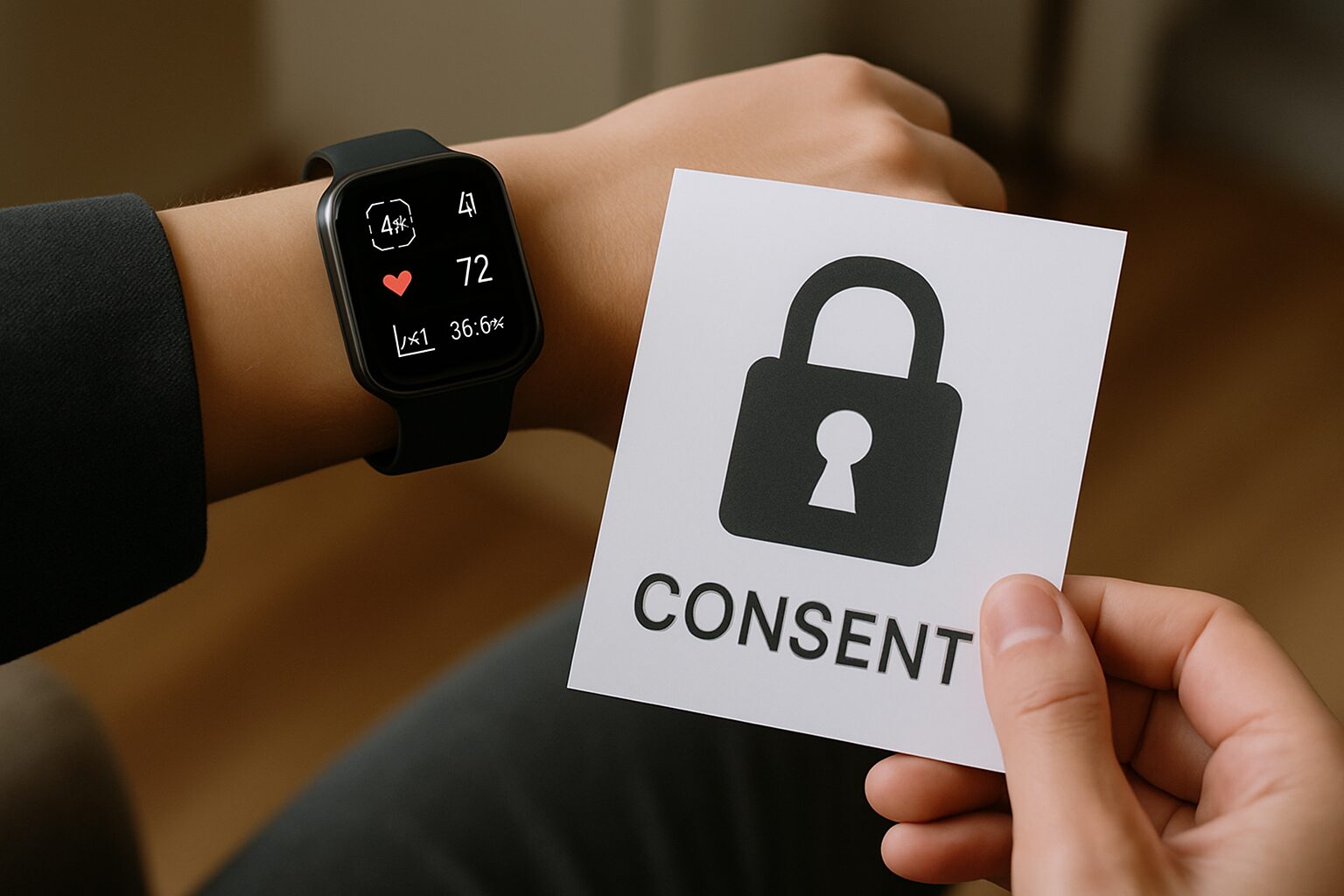
Some suggest implementing opt-in systems where individuals consent to facial recognition in specific contexts, such as secure facilities or personalized services. This approach prioritizes autonomy but faces practical hurdles in public spaces where obtaining explicit consent from everyone is logistically difficult.
Community-Based Alternatives
Grassroots movements and local governments are exploring alternative surveillance methods, such as community policing or anonymized crowd monitoring, to address safety concerns without facial recognition. These solutions emphasize human-centered approaches but may lack the scalability of automated systems.
Sunset Clauses and Moratoriums
Temporary bans or sunset clauses have been proposed to pause facial recognition deployment until regulations or ethical standards are established. This allows time for public debate and policy development but risks delaying potential benefits, such as locating missing persons.
Examples and Real Cases
Clearview AI and Law Enforcement
In January 2020, Clearview AI faced backlash for scraping billions of photos from social media to create a facial recognition database used by law enforcement. The company was sued by the ACLU and faced bans in multiple countries, including Canada in 2021, for violating privacy laws.
San Francisco's Ban on Facial Recognition
In May 2019, San Francisco became the first major U.S. city to ban facial recognition technology by government agencies. The decision was driven by concerns over racial bias and privacy violations, setting a precedent for other cities like Boston and Portland.
London's King's Cross Development Controversy
In August 2019, it was revealed that the King's Cross development in London used facial recognition without public consent. The Information Commissioner's Office investigated, leading to calls for stricter regulations on surveillance in public spaces.
Hypothetical: Smart City Surveillance Expansion
In a hypothetical scenario, a city deploys facial recognition in public transit to reduce crime. However, the system disproportionately misidentifies minorities, leading to wrongful detentions and public outcry over biased algorithms and lack of consent.
Detroit's Wrongful Arrest Due to Facial Recognition
In 2020, Robert Williams, a Black man in Detroit, was wrongfully arrested due to a facial recognition error. The ACLU highlighted the case as an example of racial bias in policing technologies, prompting calls for moratoriums on such systems.
Frequently Asked Questions
What is facial recognition in public spaces?
Facial recognition in public spaces refers to the use of technology that scans and identifies people's faces in places like streets, airports, or stores, often without their explicit consent. It uses cameras and AI to match faces against databases, raising privacy concerns.
Why is facial recognition in public spaces controversial?
It's controversial because it can violate privacy rights, as people may be tracked without their knowledge or consent. There are also concerns about accuracy, bias (e.g., misidentifying certain groups), and misuse by governments or corporations.
Do I have to consent to facial recognition in public?
In many places, nou2014public spaces often lack clear consent requirements, meaning you might be scanned without opting in. Some regions are passing laws to require consent or ban such use, but rules vary widely.
How does facial recognition affect my privacy?
It can track your movements, habits, and associations without your permission, creating detailed profiles. This data could be shared, hacked, or misused, leading to surveillance concerns or discrimination.
Are there places where facial recognition in public is banned?
Yes, some cities (e.g., San Francisco) and countries (parts of the EU) restrict or ban its use in public spaces due to privacy risks. However, many regions still allow it, so laws are evolving.