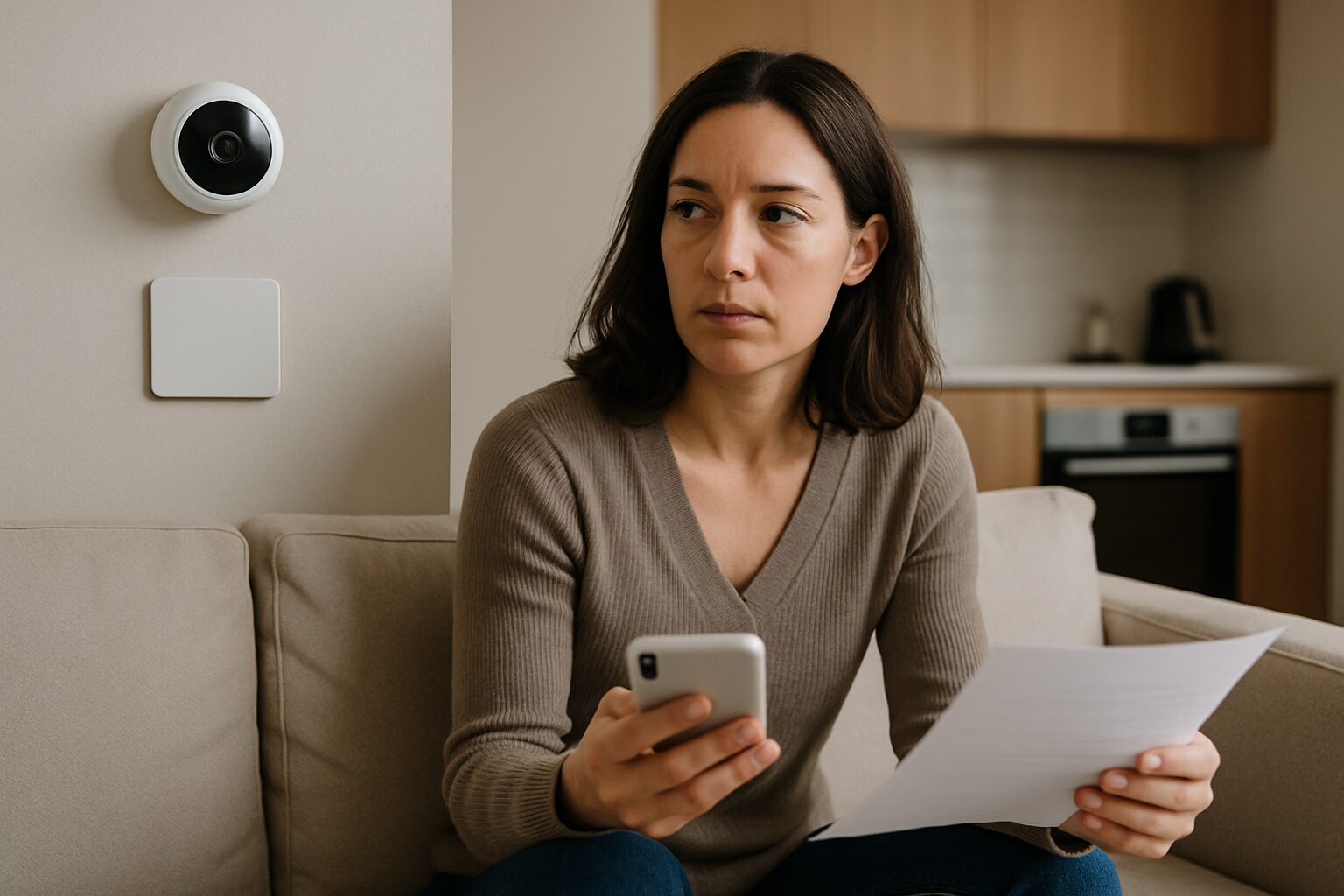
Smart Home Spying: Hidden Dangers of AI Surveillance
AI tracking in smart homes involves the collection and analysis of user behavior through connected devices, such as voice assistants, security cameras, and sensors. This raises privacy concerns as the data gathered—ranging from daily routines to personal preferences—can be highly sensitive. Without clear consent mechanisms, users may not fully understand how their information is stored, shared, or used by companies or third parties.
Why It Matters - Real-world impact
AI tracking in smart homes poses significant real-world risks, affecting not only tech-savvy users but anyone with connected devices—from voice assistants to security cameras. Families, renters, and even neighbors can inadvertently become subjects of surveillance, as these systems often collect vast amounts of personal data, including daily routines, private conversations, and biometric information. If misused, leaked, or hacked, this data could lead to identity theft, stalking, or discriminatory profiling by insurers or employers. Regular people should care because the erosion of privacy in one's own home undermines fundamental rights, creating a society where constant monitoring becomes normalized. Without proper safeguards, the convenience of smart technology risks sacrificing autonomy and security for unchecked corporate or malicious access.
Ethical Concerns - What’s wrong or risky?
AI Tracking in Smart Homes: Unpacking the Ethical Risks
As AI-powered smart home devices become more integrated into daily life, they raise significant ethical concerns around privacy and consent. These systems often track behaviors, preferences, and even conversations, creating risks that extend beyond simple data collection.
Transparency and Informed Consent
Many users are unaware of the extent to which their data is being collected and analyzed. Lack of transparency in how AI systems operate can lead to situations where consent is not fully informed, undermining autonomy and trust.
Discrimination and Fairness
AI algorithms may inadvertently reinforce biases, leading to discriminatory outcomes. For example, smart home systems could adjust services based on inferred socioeconomic status, raising concerns about discrimination. Similarly, if access to certain AI-enhanced features is unevenly distributed, it challenges principles of fairness.
Economic and Social Impacts
The data collected by smart home devices can be used to influence consumer behavior, potentially exacerbating economic inequalities. There are also worries about the broader economic impact, such as how this data might be monetized or used to manipulate markets.
Worker and Societal Concerns
In homes with domestic workers, AI tracking could infringe on worker rights by monitoring productivity or behavior without agreement. Broader societal risks, such as normalized surveillance, challenge ethical norms around dignity and freedom.
Differing Perspectives
Not everyone views these risks uniformly. Some argue that the benefits of convenience, energy efficiency, and security outweigh privacy concerns. Others believe that with robust regulation and ethical design, many of these risks can be mitigated. However, critics emphasize that without proactive measures, the potential for harm remains significant.
Solutions - What’s being done or proposed?
Legislative Regulations and Compliance
Governments and regulatory bodies have proposed stricter laws to govern AI tracking in smart homes. These include requirements for explicit user consent, transparency in data collection practices, and the right to opt-out. For example, the General Data Protection Regulation (GDPR) in the EU sets a precedent for how personal data, including that collected by AI in smart homes, should be handled. Advocates suggest expanding such frameworks globally to ensure uniform protection.
Local Data Processing and Edge Computing
Technical solutions like edge computing allow data from smart home devices to be processed locally on the device rather than being sent to the cloud. This minimizes the risk of data breaches and unauthorized access. Companies are increasingly adopting this approach to reassure users that their data remains private and under their control, reducing reliance on external servers.
User-Controlled Privacy Settings
Many smart home device manufacturers now offer granular privacy settings that let users customize what data is collected and shared. For instance, users can disable voice recording or motion tracking in specific areas of their home. While this empowers users, critics argue that default settings often favor data collection, requiring users to actively opt-out rather than opt-in.
Transparency and Auditing Tools
Some organizations have developed tools that allow users to audit the data collected by their smart home devices. These tools provide logs of data access and usage, helping users understand how their information is being utilized. Transparency initiatives like this aim to build trust, though their effectiveness depends on companies being honest and comprehensive in their disclosures.
Community and Industry Standards
Industry groups and advocacy organizations have pushed for the creation of ethical standards and certifications for AI in smart homes. These standards would ensure devices meet baseline privacy and security requirements before hitting the market. While voluntary compliance is a start, there are calls for these standards to be enforceable to hold companies accountable.
Public Awareness Campaigns
Educating consumers about the risks and benefits of AI tracking in smart homes is another approach. Non-profits and tech-savvy groups run workshops and online resources to inform users about privacy settings, data rights, and how to secure their devices. Increased awareness can lead to more informed purchasing decisions and pressure on companies to prioritize ethics.
Decentralized and Open-Source Alternatives
Some technologists advocate for decentralized, open-source smart home systems where users have full control over their data. These systems avoid reliance on corporate servers and proprietary software, reducing the risk of exploitation. However, these solutions often require technical expertise to set up, limiting their accessibility to the average consumer.
Examples and Real Cases
Amazon Ring Doorbell Data Sharing with Police
In 2019, it was revealed that Amazon's Ring doorbell cameras had partnerships with over 400 police departments in the US, allowing law enforcement to request footage from users without a warrant. This raised privacy concerns as users were often unaware of this data-sharing arrangement when purchasing the devices.
Google Nest Audio Recording Without Consent
In 2019, a Dutch family discovered their private conversations were being recorded by Google Nest smart speakers and sent to a third-party contractor for transcription. The device had mistakenly activated due to a misinterpretation of background noise as the wake word 'Hey Google'.
Roomba Robot Vacuum Mapping Data Sold to Tech Companies
In 2017, iRobot (maker of Roomba) admitted it was considering selling floor plan data collected by its smart vacuums to tech companies like Amazon, Apple, and Google. While the company claimed this would be opt-in, privacy advocates warned about the potential for detailed home mapping data to be exploited.
Hypothetical: Smart Fridge Diet Monitoring Shared with Insurance
In a potential future scenario, a smart refrigerator's AI that tracks eating habits could share data with health insurance companies without explicit consent. This could lead to premium adjustments based on dietary choices that users assumed were private.
Facebook Portal Smart Display Privacy Concerns
When Facebook launched its Portal smart displays in 2018, privacy experts raised alarms about the device's always-on microphone and camera in light of Facebook's data collection history. While Facebook claimed the data wasn't used for advertising, the integration with a company known for privacy issues caused significant concern.
Frequently Asked Questions
What is AI tracking in smart homes?
AI tracking in smart homes refers to the use of artificial intelligence to monitor and analyze activities within a home through devices like cameras, microphones, or sensors. It can learn routines, recognize faces, or even predict behaviors to automate tasks.
Why is privacy a concern with AI tracking in smart homes?
Privacy is a concern because AI tracking often collects sensitive data like daily routines, voice recordings, or video footage. If this data is mishandled, hacked, or shared without consent, it could lead to misuse or unauthorized surveillance.
Do smart home devices always ask for consent before tracking?
Not always. Some devices may enable tracking by default, and users might unknowingly agree to data collection through lengthy terms and conditions. It's important to review privacy settings and opt out if uncomfortable.
How can I protect my privacy with AI tracking devices at home?
You can protect privacy by disabling unnecessary tracking features, using strong passwords, updating device firmware, and reviewing permissions. Also, choose devices from reputable brands with clear privacy policies.
Are there laws regulating AI tracking in smart homes?
Yes, some regions have laws like GDPR (Europe) or CCPA (California) that require transparency and user consent for data collection. However, regulations vary, and not all areas have strict rules for AI tracking in homes.