Smart Home Surveillance: Legal Boundaries and Privacy Concerns
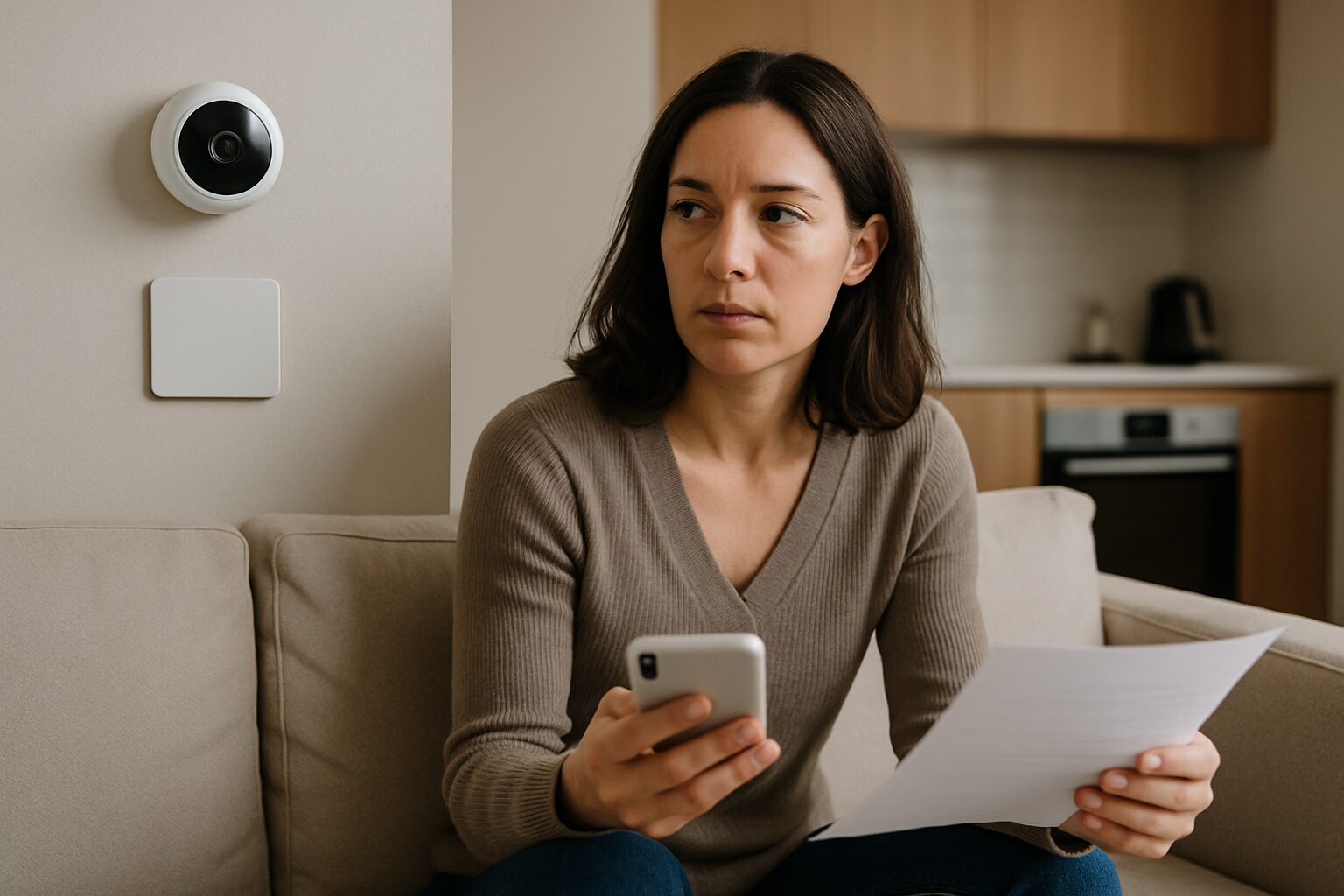
AI tracking in smart homes involves the collection and analysis of personal data by connected devices, such as voice assistants, security cameras, and sensors. This raises legal questions about how much surveillance is permissible under privacy laws and whether users fully understand what data is being gathered. The issue centers on balancing technological benefits with the right to consent and control over personal information.
Why It Matters - Real-world impact
AI tracking in smart homes raises critical ethical and legal concerns because it directly impacts personal privacy and autonomy. Homeowners, renters, and even guests are affected, as devices like smart speakers, cameras, and sensors collect vast amounts of sensitive data—ranging from daily routines to private conversations. Without proper safeguards, this data can be misused by corporations, hackers, or even law enforcement, leading to surveillance overreach or discriminatory profiling. Regular people should care because unchecked AI tracking erodes trust in technology and undermines fundamental rights, such as the ability to control one's personal information. The legal framework surrounding these practices remains fragmented, leaving individuals vulnerable to exploitation while tech companies operate in gray areas. Addressing these issues is essential to ensure that smart homes enhance convenience without sacrificing privacy or ethical boundaries.
Ethical Concerns - What’s wrong or risky?
AI Tracking in Smart Homes: Unpacking the Ethical Risks
As AI-powered smart home devices become ubiquitous, they collect vast amounts of personal data—from voice commands and movement patterns to daily routines and even emotional states. While these technologies promise convenience, they also introduce significant ethical risks, particularly around privacy and consent. Below, we explore key ethical concerns tied to AI tracking in smart homes.
Transparency and Informed Consent
Many users are unaware of the extent to which their data is collected, stored, or shared. Opaque terms of service and complex privacy settings can obscure how information is used, undermining true informed consent. For more on this, see our page on Ethical Concerns: Transparency.
Discrimination and Bias
AI systems may inadvertently perpetuate or amplify biases. For instance, algorithms trained on non-representative data might misidentify accents or dialects, leading to exclusion or unequal treatment of certain demographic groups. This raises serious concerns about fairness and equity in smart home technologies.
Fairness in Data Usage
Data collected by smart home devices could be used in ways that disadvantage users, such as in insurance or employment decisions. If AI interprets certain behaviors as "risky," it might lead to higher premiums or denied opportunities, highlighting the need for Ethical Concerns: Fairness.
Economic and Power Imbalances
The consolidation of data by a few corporations could exacerbate economic inequalities, giving companies unprecedented influence over consumers' lives. For a deeper dive into this issue, visit our resource on Ethical Concern: Economic Impact.
Worker and Domestic Privacy
In homes with domestic workers or caregivers, AI tracking might surveil these individuals without their explicit consent, infringing on their privacy and rights. This intersects with broader Ethical Concerns: Worker Rights.
Differing Perspectives
Not everyone views these risks uniformly. Some argue that the benefits of personalized automation and security outweigh privacy concerns, while others believe that any non-essential data collection is inherently unethical. Companies often emphasize user control and data anonymization, but skeptics question whether these measures are sufficient.
Additional Ethical Considerations
Beyond the linked topics, other moral concerns include the potential for psychological manipulation through personalized content, the erosion of human autonomy, and the environmental impact of maintaining always-on devices. Each of these deserves careful scrutiny as smart home technology evolves.
Solutions - What’s being done or proposed?
Stronger Data Protection Laws
Advocates have pushed for stricter data protection regulations, such as GDPR in Europe or CCPA in California, to be expanded or adapted specifically for AI in smart homes. These laws would require explicit user consent for data collection, mandate transparency about how data is used, and impose heavy penalties for violations. The goal is to give individuals more control over their personal information while holding companies accountable for misuse.
Local Data Processing
Technical solutions like edge computing have been proposed to minimize privacy risks. Instead of sending data to cloud servers, AI devices process information locally on the device itself. This reduces exposure to third-party breaches and limits unnecessary data sharing. Companies like Apple have implemented this approach with features like on-device Siri processing, though it may limit some AI capabilities that require large datasets.
Opt-In Consent Models
Privacy experts recommend shifting from opt-out to mandatory opt-in systems for data collection in smart homes. Users would actively choose to enable tracking features rather than having them enabled by default. This puts the burden on companies to clearly explain benefits and risks upfront, while giving consumers real choice. Some smart home manufacturers have begun offering more granular consent options for different data types.
Independent Auditing Systems
Institutional solutions include establishing third-party auditing organizations that certify AI systems meet privacy standards. Similar to UL certification for electronics, these auditors would test devices for compliance with privacy protections and proper data handling. The IEEE and other groups have proposed frameworks for such certifications, which could help consumers identify trustworthy products.
Data Minimization Standards
Technical and policy experts advocate for implementing data minimization principles in smart home AI design. This means devices would only collect the absolute minimum data needed to function, rather than gathering extraneous information 'just in case.' Some manufacturers have begun adopting this approach, though it requires careful system design to maintain functionality while reducing data collection.
Right to Explanation
Legal scholars propose extending the 'right to explanation' concept to smart home AI systems. This would require companies to provide clear, accessible information about how their AI makes decisions, what data it uses, and how that data flows through the system. The EU's AI Act includes provisions in this direction, though implementation challenges remain for complex machine learning systems.
Community Privacy Standards
Some neighborhoods and housing communities have begun creating collective privacy agreements regarding smart home technology. These social contracts establish norms about what types of AI tracking are acceptable in shared spaces, with mechanisms for reporting concerns. While not legally binding, such agreements can create social pressure for responsible use of surveillance technologies.
Examples and Real Cases
Amazon Ring Doorbell Data Shared with Police Without Warrants
In 2019, it was revealed that Amazon's Ring doorbell cameras had partnerships with over 400 police departments across the U.S., allowing law enforcement to request footage directly from users without a warrant. This raised concerns about mass surveillance and the erosion of privacy rights in residential areas.
Google Nest Audio Recordings Used in Murder Case
In 2017, Arkansas police requested audio recordings from a suspect's Amazon Echo device in a murder investigation. While Amazon initially resisted, they eventually turned over the data with the user's consent, sparking debate about smart home devices as always-on witnesses.
Hypothetical: Smart Fridge Data Used in Insurance Dispute
In a realistic hypothetical scenario, an insurance company could use data from a smart refrigerator's inventory tracking to dispute a food spoilage claim, analyzing consumption patterns to challenge the policyholder's account of events. This would raise questions about the boundaries of data collection in private spaces.
Roomba Mapping Data Potentially Sold to Third Parties
In 2017, iRobot CEO Colin Angle suggested Roomba vacuum cleaning data could be sold to tech companies like Amazon or Apple for smart home applications. While later walked back, this revealed how innocuous device data could become valuable surveillance information.
German Court Rules Against Unrestricted Smart Meter Data Collection
In 2020, Germany's Federal Court of Justice ruled that energy providers cannot collect detailed smart meter data without explicit consumer consent, setting an important precedent for limiting passive data collection in smart homes. The case involved a dispute over minute-by-minute electricity usage tracking.
Frequently Asked Questions
What is AI tracking in smart homes?
AI tracking in smart homes refers to the use of artificial intelligence to monitor and analyze activities within a home through devices like cameras, voice assistants, and sensors. It can track movements, habits, and even conversations to automate tasks or provide insights.
Is AI tracking in smart homes legal?
Yes, but it depends on local privacy laws and consent. Many regions require companies to inform users about data collection and obtain explicit permission. Unauthorized tracking or sharing data without consent can violate privacy laws.
Why is consent important for AI tracking in smart homes?
Consent ensures users are aware of what data is being collected and how it's used. Without consent, tracking can feel invasive and may breach privacy rights. Transparent consent builds trust between users and smart home providers.
Can AI tracking in smart homes be turned off?
Yes, most smart home devices allow users to disable tracking features in settings. However, some functionalities may not work without data collection. Always check the device's privacy options to control what is being tracked.
What are the risks of AI tracking in smart homes?
Risks include potential data breaches, misuse of personal information, or unauthorized surveillance. Poorly secured devices can expose private activities to hackers. Always use strong passwords and review privacy settings to minimize risks.