Digital Identity Dilemmas: Balancing Security and Liberty
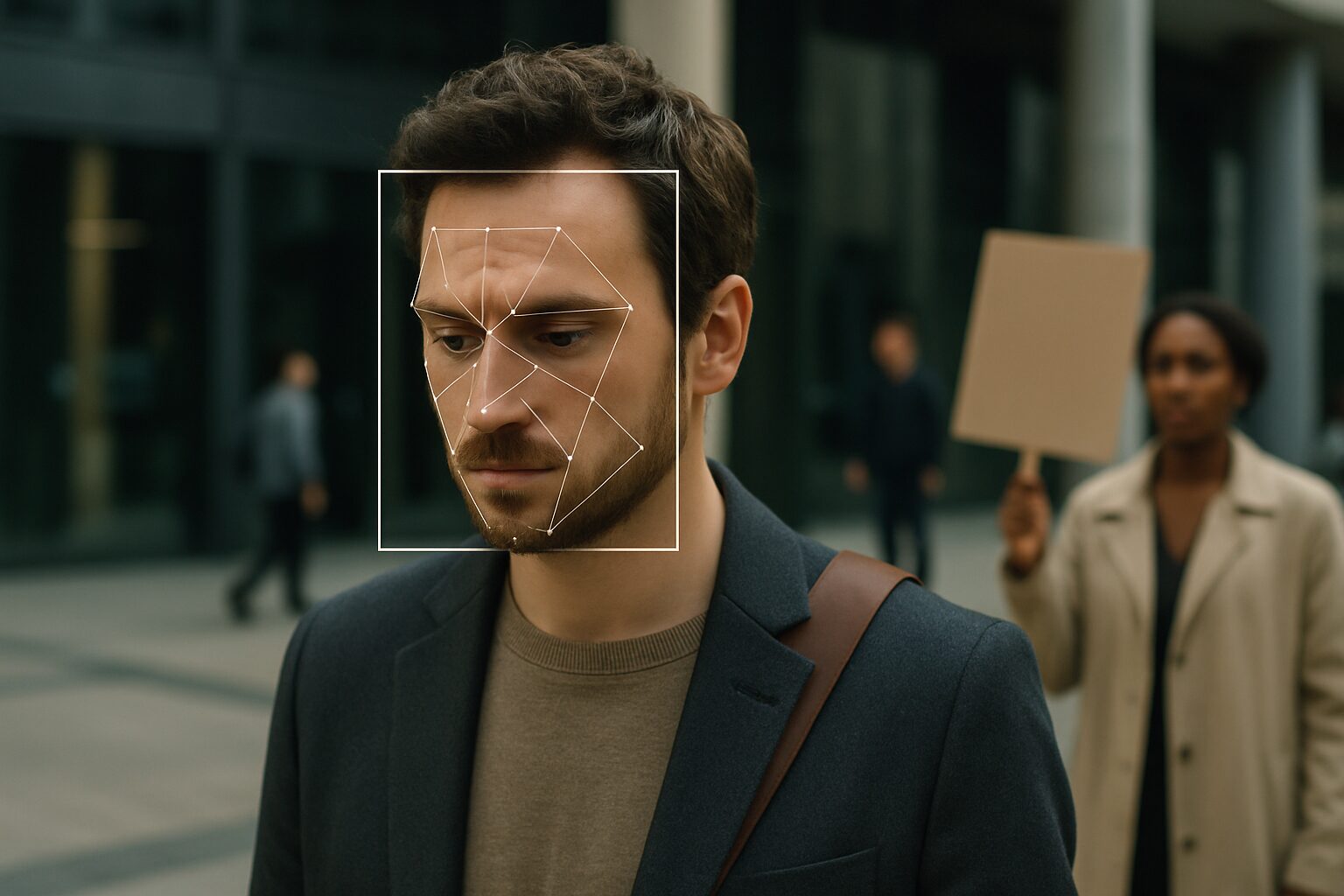
Facial recognition technology in public spaces uses cameras and artificial intelligence to identify individuals by analyzing their facial features. This raises human rights concerns, particularly around privacy and consent, as people may be monitored without their knowledge or permission. The issue centers on how governments and organizations deploy such systems and whether they balance security benefits with individual freedoms.
Why It Matters - Real-world impact
Facial recognition in public spaces poses significant risks to fundamental human rights, affecting everyone who steps into monitored areas. Marginalized communities, including people of color and activists, often face disproportionate harm due to biased algorithms and heightened surveillance. Errors in identification can lead to wrongful arrests, while constant monitoring chills free expression and erodes privacy. Regular people should care because unchecked surveillance normalizes a society where movements are tracked, anonymity vanishes, and personal data becomes a tool for control. The technology's expansion without robust safeguards threatens democratic freedoms and exacerbates existing inequalities.
Ethical Concerns - What’s wrong or risky?
Facial Recognition in Public Spaces: Ethical Risks and Human Rights
The deployment of facial recognition technology (FRT) in public spaces raises significant ethical concerns, particularly regarding human rights and privacy. While proponents argue it enhances security and efficiency, critics highlight profound risks that must be addressed.
Discrimination and Fairness
One of the most pressing issues is the potential for discrimination. Studies show that FRT often performs less accurately for people of color, women, and other marginalized groups, leading to false identifications and unjust targeting. This ties directly into concerns about fairness, as biased algorithms can perpetuate and amplify existing societal inequalities, affecting everything from law enforcement to access to services.
Transparency and Accountability
Another critical risk involves transparency. Many FRT systems operate as "black boxes," with little public understanding of how data is collected, used, or shared. This lack of clarity makes it difficult to hold entities accountable for misuse or errors, eroding trust and complicating efforts to ensure ethical compliance.
Economic and Employment Concerns
While not always the primary focus in public space debates, FRT can contribute to economic disparities by enabling surveillance that may deter free assembly or expression, indirectly affecting livelihoods. In some contexts, automation via FRT could also lead to job displacement, particularly in security and monitoring roles, though this is debated.
Worker and Societal Rights
Expanding surveillance infrastructures may infringe on worker rights, especially for those in public-facing jobs, where monitoring could be used to enforce productivity or compliance in ethically questionable ways. Beyond employment, the chilling effect on free speech and association represents a broader moral concern, as people may alter their behavior due to perceived surveillance.
Diverse Perspectives
Not all stakeholders view these risks uniformly. Some argue that the security benefits of FRT—such as preventing crime or locating missing persons—outweigh privacy concerns, especially when governed by strict regulations. Others believe any public use of FRT inherently violates consent and autonomy, calling for bans or moratoriums. Balancing these viewpoints requires nuanced dialogue and robust oversight mechanisms.
Solutions - What’s being done or proposed?
Legislative Bans and Restrictions
Several cities and countries have implemented bans or strict regulations on the use of facial recognition technology in public spaces. For example, San Francisco and Portland have prohibited government use of facial recognition, citing privacy concerns. The EU has also proposed stringent regulations under the AI Act to limit its deployment. These legal measures aim to protect human rights by preventing misuse and ensuring accountability.
Transparency and Public Oversight
Advocates suggest requiring transparency from organizations using facial recognition, such as public disclosures about where and how the technology is deployed. Independent oversight committees or public audits can ensure compliance with ethical standards. This approach empowers communities to hold entities accountable and fosters trust through openness.
Bias Mitigation in Algorithms
Technical solutions focus on reducing biases in facial recognition systems, which often disproportionately misidentify marginalized groups. Developers are working on diverse training datasets and fairness-aware algorithms. While not a complete fix, these improvements can reduce harm and increase accuracy across different demographics.
Opt-In Consent Mechanisms
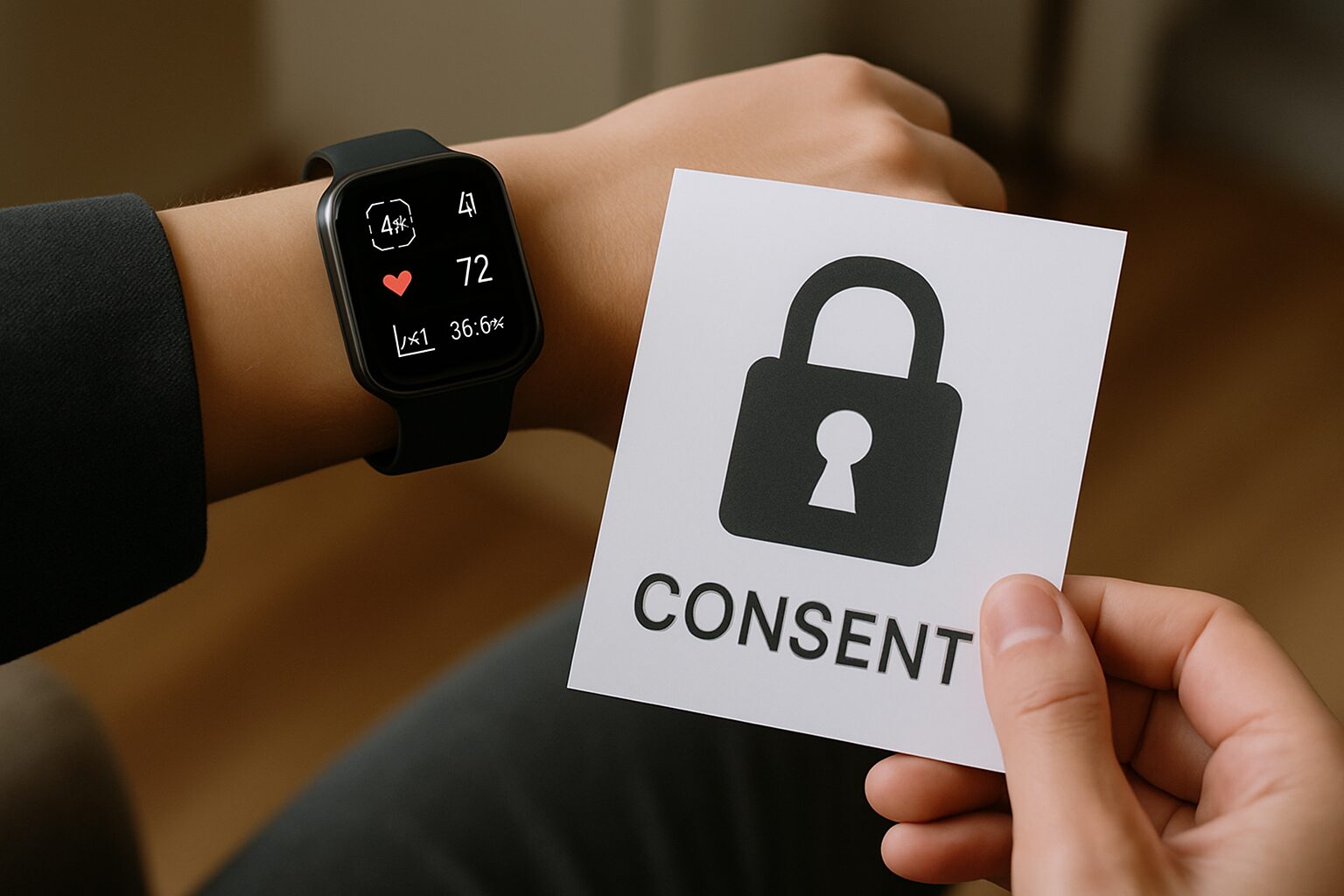
Some proposals suggest implementing opt-in systems where individuals must explicitly consent to being scanned in public spaces. This could involve clear signage and alternatives for those who decline. Though challenging to enforce, it prioritizes personal autonomy and aligns with privacy-by-design principles.
Community-Based Alternatives
Grassroots movements advocate for community-driven surveillance solutions, such as neighborhood watch programs or non-biased policing methods, instead of facial recognition. These alternatives emphasize human oversight and local engagement, reducing reliance on invasive technology while maintaining public safety.
Ethical Use Policies for Law Enforcement
Institutions like police departments are encouraged to adopt strict ethical guidelines for facial recognition use, such as requiring warrants or limiting searches to serious crimes. Policies must include penalties for misuse and regular training to ensure adherence to human rights standards.
Examples and Real Cases
Hong Kong Protests (2019-2020)
During the pro-democracy protests in Hong Kong, the government deployed facial recognition technology to identify and track protesters. This raised significant human rights concerns, as activists reported increased surveillance and fears of retaliation.
Clearview AI and Law Enforcement (2020)
Clearview AI's facial recognition tool was used by law enforcement agencies in the U.S. and other countries without public consent. The company scraped billions of images from social media, leading to lawsuits and privacy violations accusations.
London's King's Cross Development (2019)
The King's Cross Central Limited Partnership in London used facial recognition cameras across the 67-acre site without informing the public. The backlash led to an investigation by the UK Information Commissioner's Office, highlighting lack of transparency.
Hypothetical: Smart City Surveillance (Future Scenario)
In a hypothetical future smart city, facial recognition is integrated into all public cameras to monitor 'suspicious behavior.' Without clear regulations, marginalized communities face disproportionate targeting, eroding trust in public institutions.
San Francisco's Ban (2019)
San Francisco became the first U.S. city to ban government use of facial recognition in 2019, citing racial bias and privacy risks. The move sparked debates on balancing public safety with civil liberties.
China's Social Credit System (Ongoing)
China's widespread use of facial recognition in public spaces ties into its Social Credit System, where citizens' behavior is monitored and scored. Critics argue this enables mass surveillance and suppresses dissent.
Frequently Asked Questions
What is facial recognition in public spaces?
Facial recognition in public spaces is a technology that uses cameras and artificial intelligence to identify or verify individuals by analyzing their facial features in real-time or recorded footage. It is often used for security, surveillance, or marketing purposes without explicit consent.
Why is facial recognition a human rights concern?
Facial recognition raises human rights concerns because it can infringe on privacy, freedom of expression, and freedom of assembly. Without proper regulation, it may lead to mass surveillance, discrimination, or misuse of personal data, disproportionately affecting marginalized communities.
Do people have to consent to facial recognition in public?
In many places, there are no strict laws requiring consent for facial recognition in public spaces, meaning people can be scanned without their knowledge. However, growing privacy movements advocate for explicit consent to protect individual rights.
How does facial recognition affect privacy?
Facial recognition can erode privacy by collecting and storing biometric data without permission. This data can be shared, hacked, or misused, leaving individuals vulnerable to identity theft, tracking, or unauthorized profiling.
Are there places where facial recognition is banned in public?
Yes, some cities and countries have banned or restricted facial recognition in public spaces due to privacy and human rights concerns. Examples include parts of the EU under GDPR, San Francisco, and Boston, where laws prioritize consent and transparency.