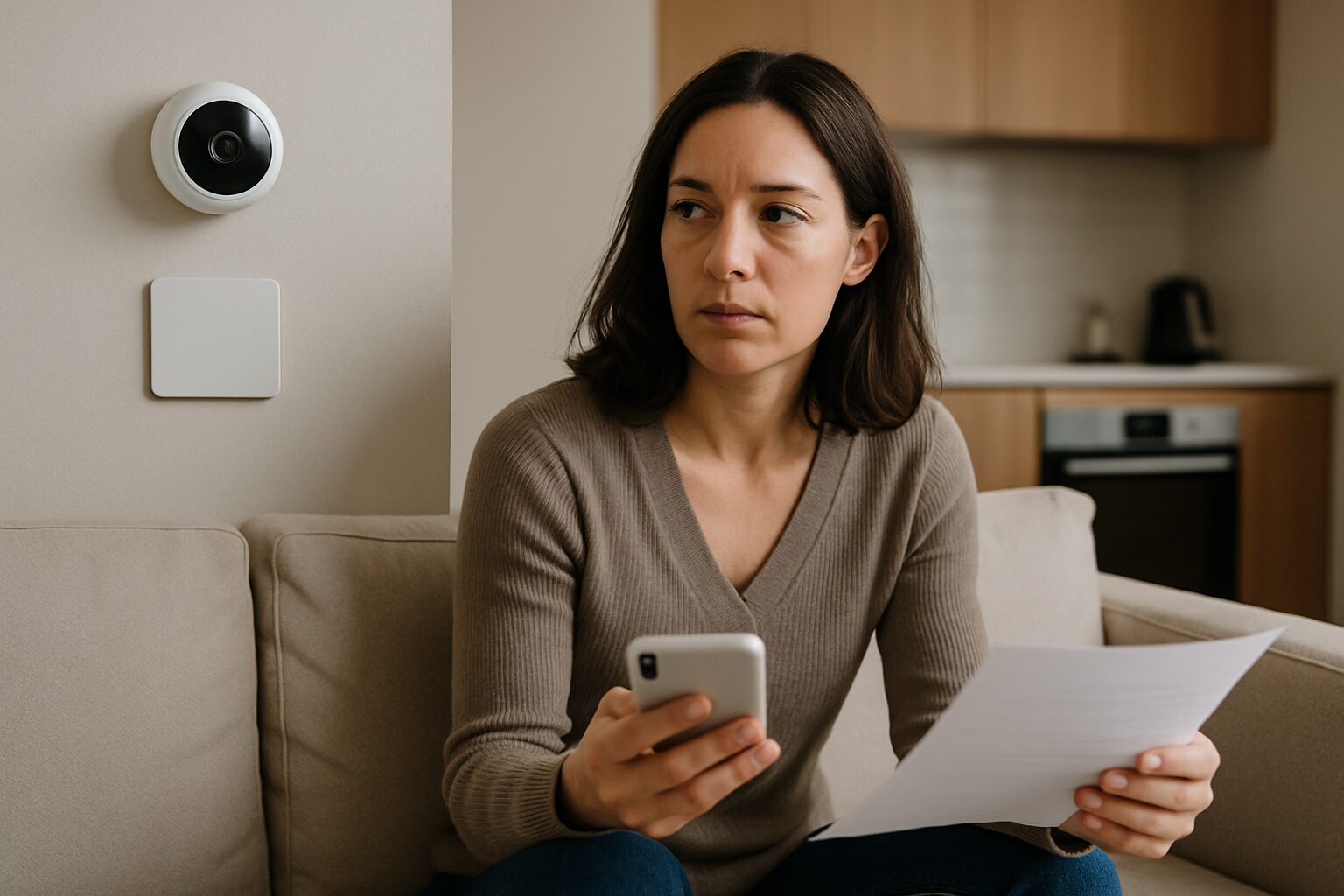
Smart Home Surveillance: How AI Shapes Privacy and Policy
AI tracking in smart homes involves the collection and analysis of personal data by connected devices, such as voice assistants, security cameras, and sensors, to automate tasks and improve user experience. This raises ethical concerns about privacy and consent, as individuals may not always be fully aware of what data is gathered, how it is used, or who has access to it. Governance frameworks must address these challenges to ensure transparency, user control, and accountability in the deployment of AI-driven monitoring systems.
Why It Matters - Real-world impact
AI tracking in smart homes raises critical ethical concerns because it directly impacts personal privacy and autonomy. Homeowners, renters, and even guests are affected as devices monitor behaviors, preferences, and routines—often without explicit consent or transparency. Misuse of this data could lead to surveillance, discrimination by insurers or employers, or even security breaches exposing sensitive information. Regular people should care because the normalization of constant monitoring erodes trust and creates power imbalances between individuals and corporations. Without proper governance, these systems risk becoming tools of control rather than convenience, fundamentally altering our expectations of privacy in our own homes.
Ethical Concerns - What’s wrong or risky?
AI Tracking in Smart Homes: An Ethical Minefield
As AI systems become embedded in smart homes, they collect vast amounts of personal data—from daily routines to private conversations. This raises significant ethical risks, particularly around privacy and consent, but also broader moral concerns that demand attention.
Transparency and Informed Consent
Many users are unaware of the extent of data collection or how it is used. Lack of transparency means consent is often not fully informed, undermining autonomy and trust in these systems.
Discrimination and Fairness
AI algorithms can inadvertently perpetuate biases, for example by associating certain behaviors with risk profiles, leading to discrimination based on race, socioeconomic status, or lifestyle. This challenges the principle of fairness, as outcomes may disproportionately affect vulnerable groups.
Economic and Power Imbalances
The data collected can be used to influence consumer behavior or even affect insurance premiums and credit scores, highlighting concerns about economic impact and the potential for exploitation by corporations.
Differing Perspectives
Some argue that AI tracking enhances security and convenience, justifying data collection. Others emphasize that without strict governance, these systems risk eroding fundamental rights and deepening societal inequalities.
Worker and Societal Implications
While not directly related to smart homes, the infrastructure supporting these systems may involve issues tied to worker rights in the tech industry, or even broader societal disruptions such as job loss due to automation, reminding us that ethical risks often extend beyond immediate contexts.
Solutions - What’s being done or proposed?
Legislation and Regulatory Frameworks
Governments and regulatory bodies have proposed and implemented laws to protect user privacy in smart homes. Examples include the General Data Protection Regulation (GDPR) in the EU, which mandates transparency in data collection and user consent. Similar frameworks require AI systems to disclose what data is being tracked and allow users to opt out. These legal measures aim to hold companies accountable and give individuals more control over their personal data.
Decentralized Data Storage
Technical solutions like decentralized or local data storage have been suggested to reduce reliance on centralized servers. By processing and storing data locally on devices (e.g., using edge computing), users can limit the amount of personal information shared with third parties. This approach minimizes exposure to data breaches and unauthorized access while still allowing smart home functionalities.
Transparency and User Control Tools
Some companies have introduced dashboards and settings that let users monitor and manage data collection. Features like activity logs, permission controls, and easy-to-understand privacy policies help users make informed decisions. These tools empower individuals to customize their privacy settings, ensuring they only share data they are comfortable with.
Ethical AI Certification Programs
Institutions and industry groups have developed certification programs to evaluate AI systems for ethical compliance. These programs assess whether smart home devices adhere to privacy, fairness, and accountability standards. By promoting certified products, consumers can choose devices that align with their values, encouraging manufacturers to prioritize ethical practices.
Community and Advocacy Efforts
Social initiatives, such as consumer advocacy groups and public awareness campaigns, have pushed for stronger privacy protections. These efforts include petitions, educational resources, and collaborations with policymakers to highlight concerns about AI tracking. Grassroots movements play a key role in shaping public opinion and driving change in corporate and governmental policies.
Differential Privacy Techniques
Researchers have proposed using differential privacy, a method that adds noise to datasets to prevent the identification of individuals while still allowing useful analysis. Applying this technique to smart home data can help balance utility and privacy, ensuring that aggregated insights do not compromise personal information.
Examples and Real Cases
Amazon Ring and Police Partnerships
In 2019, Amazon's Ring faced scrutiny for its partnerships with over 400 police departments across the U.S., allowing law enforcement to request footage from Ring cameras without a warrant. Critics argued this created a surveillance network that bypassed traditional privacy protections.
Google Nest Audio Recording Leak
In 2020, a Dutch family reported that their Google Nest device recorded private conversations and sent them to a third party without consent. Google later confirmed a software bug caused the device to misinterpret background noise as activation commands.
Hypothetical: Smart City Surveillance in Singapore
In a hypothetical scenario, Singapore's Smart Nation initiative could integrate AI-powered facial recognition in public housing elevators, tracking residents' movements. While marketed for safety, such systems might lack transparent consent mechanisms or oversight.
Roomba Robot Vacuum Data Controversy
In 2017, iRobot's Roomba sparked debate when CEO Colin Angle suggested the company could sell floor plan data collected by its vacuums to tech giants like Amazon or Apple. While iRobot later denied these plans, the incident raised concerns about unintended data exploitation.
Facebook's Project Aria and Home Monitoring
In 2020, Facebook (now Meta) tested Project Aria smart glasses that captured video, audio, and location data in employees' homes. Though intended for AR development, privacy advocates warned such devices could normalize constant surveillance in private spaces.
Frequently Asked Questions
What is AI tracking in smart homes?
AI tracking in smart homes refers to the use of artificial intelligence to monitor and analyze activities within a home through connected devices like cameras, sensors, and voice assistants. It can track movements, habits, and even preferences to automate tasks or provide insights.
Why is privacy important in AI tracking for smart homes?
Privacy is crucial because AI tracking collects sensitive data about your daily life, such as when you're home or your routines. Without proper safeguards, this data could be misused, hacked, or shared without your consent, leading to security risks or loss of personal freedom.
How does consent work with AI tracking in smart homes?
Consent means you must be clearly informed about what data is being collected and how it will be used before agreeing to AI tracking. Many smart home devices require you to opt-in or adjust settings to control what is monitored and stored.
What are the risks of AI tracking in smart homes?
Risks include unauthorized data sharing, potential surveillance by third parties, and vulnerabilities to hacking. If not properly secured, AI tracking could expose personal information or be used in ways you didn't approve.
How can I protect my privacy with AI tracking at home?
You can protect your privacy by reviewing device settings, disabling unnecessary tracking features, using strong passwords, and regularly updating software. Always check the privacy policies of smart home products to understand data usage.