
The Hidden Power of AI Nudges: Balancing Influence and Responsibility
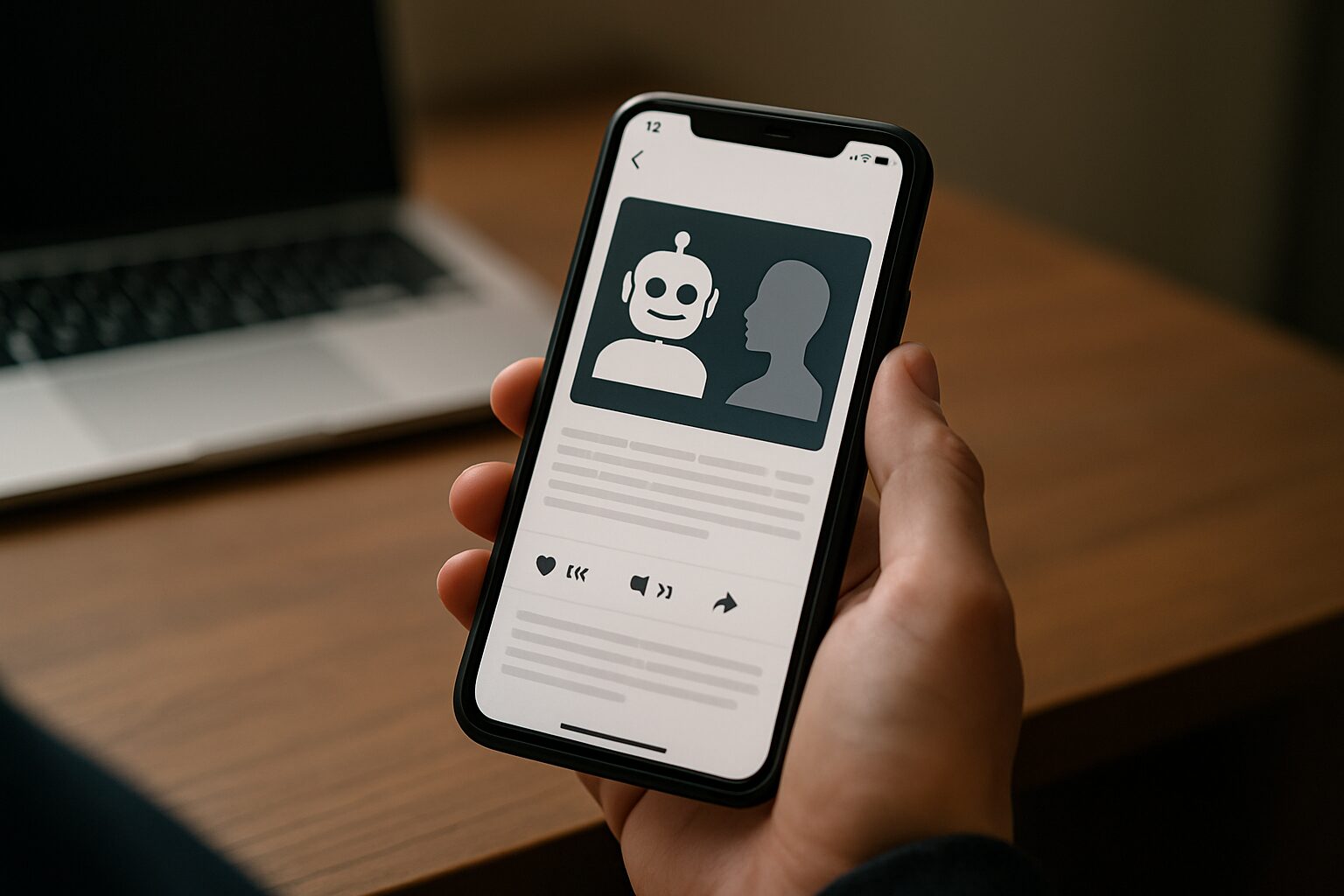
Behavioral nudging refers to subtle design choices that influence people's decisions without restricting their options. When AI systems automate or personalize these nudges, ethical concerns arise about transparency, autonomy, and unintended consequences. The ethics of AI in behavioral nudging examines how these technologies should be designed and deployed to balance influence with respect for user agency.
Why It Matters - Real-world impact
The ethics of AI-driven behavioral nudging matter because these systems increasingly shape everyday decisions—from what we buy to how we vote—often without transparency. Consumers, employees, and citizens are all affected as algorithms subtly steer choices, potentially exploiting cognitive biases or prioritizing corporate profits over individual well-being. Without oversight, nudges could reinforce harmful stereotypes, manipulate vulnerable populations, or erode autonomy under the guise of personalization. Regular people should care because these invisible influences may alter life trajectories—from financial security to mental health—while obscuring accountability. The stakes are high: unchecked AI nudging risks normalizing digital coercion in ways that undermine trust in technology and institutions alike.
Ethical Concerns - What’s wrong or risky?
Ethical Risks in AI Behavioral Nudging
AI-driven behavioral nudging raises significant ethical concerns, particularly around fairness, as algorithms may prioritize outcomes that benefit certain groups while disadvantaging others. This can lead to systemic biases if the nudges are not designed with equitable impact in mind. For more on this, see our page on Ethical Concerns: Fairness.
Discrimination and Bias
Nudging algorithms can inadvertently perpetuate or even amplify discrimination, especially if trained on biased historical data. This may result in nudges that unfairly target or exclude individuals based on protected characteristics like race or gender. Learn about related issues at Ethical Concerns: Discrimination.
Lack of Transparency
Many AI nudging systems operate as "black boxes," making it difficult for users to understand why certain suggestions are made. This opacity challenges informed consent and accountability, as people cannot assess the motives or validity behind the nudges. Transparency concerns are discussed further here.
Economic and Social Manipulation
AI nudges might be used to influence economic behaviors—such as spending or saving—in ways that benefit corporations or governments at the expense of individual welfare. This raises questions about economic justice and autonomy. For insights into economic dimensions, visit Ethical Concern: Economic Impact.
Worker Rights and Autonomy
In workplace settings, AI nudging could undermine worker rights by subtly coercing employees into certain behaviors, like productivity increases or compliance, potentially eroding autonomy and leading to exploitation. More on this can be found at Ethical Concerns: Worker Rights.
Job Displacement Concerns
While not directly related to nudging, the automation of influence could reduce roles in marketing, counseling, or management, contributing to broader job loss anxieties. Explore this topic at Ethical Concerns: Job Loss.
Differing Perspectives
Not all experts agree on the severity of these risks. Some argue that AI nudging can promote positive behaviors, like health or sustainability, if designed ethically. Others emphasize that any form of manipulation, even well-intentioned, risks infringing on personal freedom unless strictly regulated.
Additional Moral Considerations
Beyond the linked topics, issues like privacy invasion, psychological harm, and the erosion of human agency are also critical. Ensuring that nudges respect individual dignity and avoid covert influence remains a paramount challenge in ethical AI development.
Solutions - What’s being done or proposed?
Transparency and Disclosure Requirements
One proposed solution is implementing legal mandates that require AI systems to disclose when they are using behavioral nudging techniques. This would involve clear notifications to users about the intent and mechanisms of the nudges, allowing them to make more informed decisions. For example, platforms could be required to label content or interfaces that are designed to influence behavior, similar to how advertisements are marked.
Ethical Design Frameworks
Technical solutions include the development and adoption of ethical design frameworks for AI systems. These frameworks would guide developers in creating nudges that align with user well-being and autonomy. Principles such as 'beneficence,' 'non-maleficence,' and 'user empowerment' would be embedded into the design process, ensuring that nudges are used responsibly and for positive outcomes.
Independent Oversight Committees
Institutional solutions involve the creation of independent oversight committees to monitor and evaluate the use of AI in behavioral nudging. These committees would assess whether nudges are being used ethically, investigate complaints, and recommend corrective actions. They could operate similarly to ethics review boards in academia, providing a layer of accountability for organizations deploying these technologies.
User Control and Opt-Out Options
A social and technical solution is giving users more control over how they interact with AI-driven nudges. This includes providing easy-to-use opt-out mechanisms or customization options that allow users to adjust or disable nudging features. By empowering users to set their own preferences, the potential for manipulation is reduced, and trust in AI systems is increased.
Public Awareness Campaigns
Educational initiatives aimed at raising public awareness about AI-driven behavioral nudging can help mitigate its ethical risks. Campaigns could inform people about how nudges work, their potential effects, and ways to recognize them. A more informed public is better equipped to critically engage with digital platforms and resist unwanted influence.
Regulatory Limits on Nudge Types
Legal solutions could involve setting regulatory limits on the types of nudges that AI systems are allowed to employ. For instance, certain manipulative or deceptive nudges could be banned outright, while others might be restricted to specific contexts (e.g., health or education). This approach would create clear boundaries for what is considered acceptable use of behavioral influence.
Algorithmic Audits
Technical and institutional solutions include conducting regular algorithmic audits to evaluate the fairness and impact of AI-driven nudges. These audits would be performed by third-party organizations and would assess whether the nudges disproportionately affect certain groups or lead to unintended harms. The findings could then be used to improve or restrict problematic systems.
Collaboration with Behavioral Scientists
A multidisciplinary approach involves collaboration between AI developers and behavioral scientists to ensure that nudges are designed with a deep understanding of human psychology. By integrating ethical behavioral science principles into AI development, the risks of exploitation can be minimized, and nudges can be tailored to promote genuine user benefit.
Examples and Real Cases
Facebook's Emotional Contagion Experiment (2014)
In 2014, Facebook conducted a study where it manipulated the news feeds of 689,003 users to show either more positive or negative content. The study aimed to test emotional contagion, showing that emotions could be influenced without users' explicit consent, raising ethical concerns about behavioral nudging in AI.
Cambridge Analytica and Political Nudging (2016)
Cambridge Analytica used AI-driven behavioral data from millions of Facebook users to create targeted political ads during the 2016 U.S. election. The firm exploited psychological profiles to nudge voters, sparking debates on the ethics of AI-driven manipulation in democracy.
Uber's Surge Pricing Notifications (Hypothetical)
A hypothetical example involves Uber using AI to send surge pricing notifications with phrases like 'Demand is highu2014book now to avoid waiting!' This nudges users into paying higher prices by exploiting urgency bias, though no specific public case has been documented.
Netflix's Autoplay Feature
Netflix employs AI to autoplay the next episode or suggest content immediately after one finishes, leveraging behavioral nudging to increase watch time. Critics argue this exploits psychological tendencies for binge-watching without clear user consent.
Amazon's Dynamic Pricing Algorithms
Amazon uses AI to adjust prices in real-time based on user behavior, such as showing higher prices to users who repeatedly view an item. This nudges buyers into purchasing quickly, raising ethical questions about transparency and fairness.
Frequently Asked Questions
What is AI behavioral nudging?
AI behavioral nudging is when artificial intelligence systems subtly influence people's decisions or behaviors, often without them realizing it. It uses small prompts, suggestions, or design choices to guide users toward certain actions, like choosing healthier options or spending more time on an app.
Is AI nudging ethical?
The ethics of AI nudging depends on how it's used. It can be ethical when it helps people make better choices (like saving money or being healthier), but unethical when it manipulates people for profit or against their best interests, especially if they don't realize they're being influenced.
How does AI nudging differ from manipulation?
AI nudging aims to guide people toward beneficial choices while still allowing freedom, whereas manipulation deceives or forces people into actions they wouldn't normally choose. The key difference is transparency and whether the nudge serves the user's or the company's interests.
Where do we see AI nudging in everyday life?
You encounter AI nudging daily in apps and websitesu2014like when social media suggests posts to keep you scrolling, shopping sites show 'others are buying this,' or fitness apps reward you for healthy habits. Even default settings (like opt-out vs. opt-in) are often AI-driven nudges.
Can AI nudging be regulated to prevent misuse?
Yes, some countries are creating rules for ethical AI nudging, like requiring transparency about how choices are influenced or banning dark patterns (deceptive designs). However, regulation is still developing, and users should stay informed to recognize when nudges cross into manipulation.