The Hidden Flaws in Facial Recognition Technology Exposed
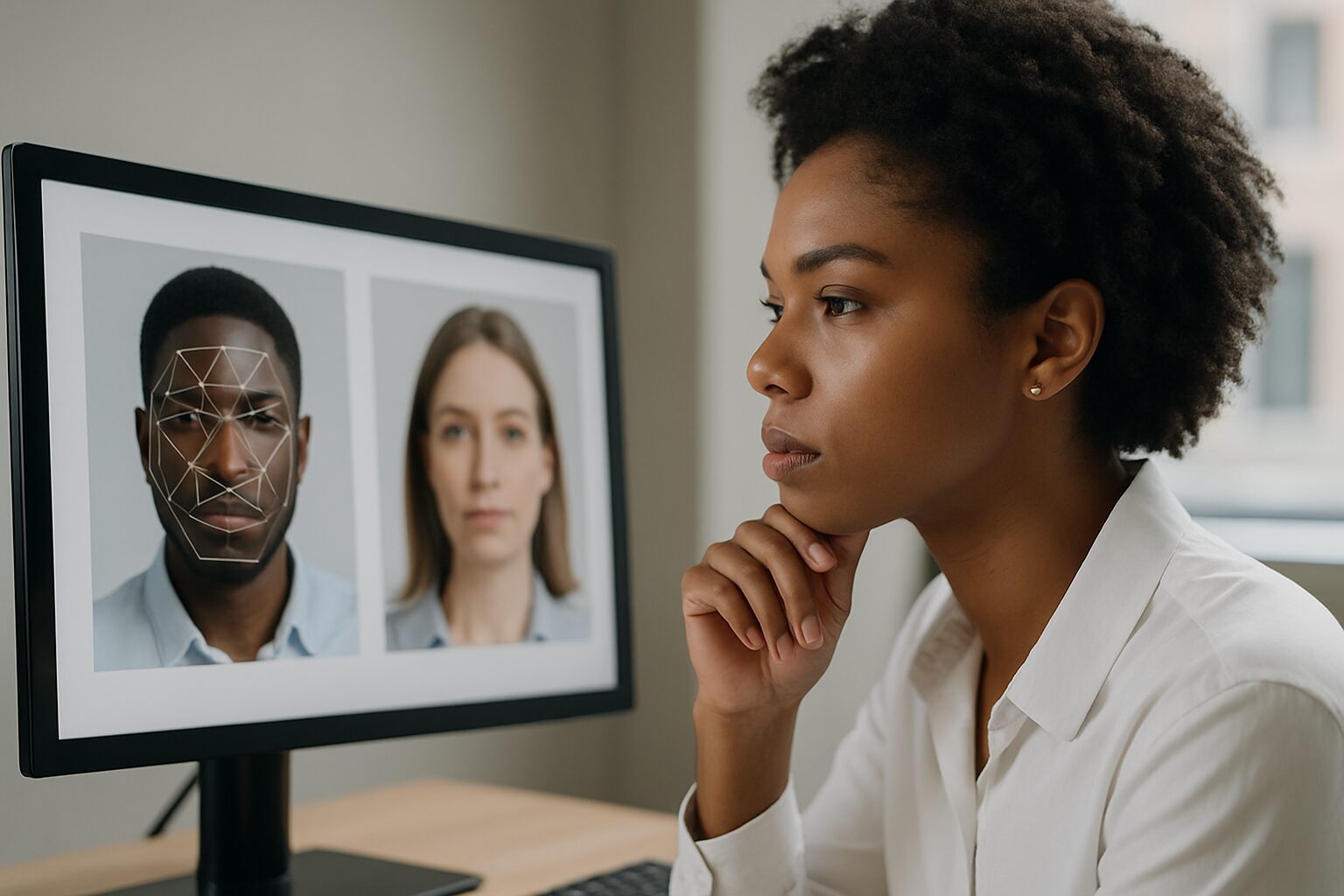
Facial recognition systems are AI-powered tools designed to identify or verify individuals based on facial features. These systems can exhibit bias, leading to unequal accuracy across different demographic groups such as race, gender, or age. Such biases arise from imbalanced training data, algorithmic design choices, or other technical limitations. The impact of these disparities can affect fairness in law enforcement, hiring, and access to services.
Why It Matters - Real-world impact
Bias in facial recognition systems has serious real-world consequences, disproportionately affecting marginalized communities, people of color, women, and other underrepresented groups. Flawed systems can lead to wrongful arrests, denied services, or unfair surveillance when they misidentify individuals due to racial, gender, or age biases. These errors aren't just technical glitches—they reinforce systemic discrimination, erode trust in institutions, and exacerbate existing inequalities. For regular people, this matters because anyone could face life-altering repercussions from an unreliable algorithm, whether in policing, banking, or employment. As these technologies become more widespread, unchecked biases threaten fundamental rights and freedoms, making this an urgent societal issue rather than just a technical one.
Ethical Concerns - What’s wrong or risky?
Understanding Bias in Facial Recognition Systems
Facial recognition technology, while innovative, poses significant ethical risks due to inherent biases. These systems often perform poorly on marginalized groups, leading to serious consequences.
Fairness Concerns
One primary issue is the lack of fairness, as algorithms may be trained on unrepresentative data, resulting in unequal accuracy across demographic groups. This undermines the principle of equitable treatment.
Discrimination Risks
Bias can lead to direct discrimination, where individuals from certain races or genders face higher false positive rates in identification, potentially exacerbating existing societal inequalities.
Transparency Issues
Many systems operate as "black boxes," lacking transparency in how decisions are made. This opacity makes it difficult to audit for bias or hold developers accountable.
Economic and Employment Impacts
Inaccuracies can have economic repercussions, such as denying services or opportunities. Additionally, automation via facial recognition may contribute to job displacement in sectors like security, raising concerns about livelihoods.
Worker Rights Considerations
The deployment of such technology in workplaces can infringe on worker rights, enabling surveillance that may lead to privacy violations or unfair treatment based on algorithmic assessments.
Differing Perspectives
Some argue that these systems enhance security and efficiency, justifying their use despite risks. Others emphasize that without rigorous oversight, the ethical costs outweigh the benefits, advocating for stricter regulations or moratoriums.
Solutions - What’s being done or proposed?
Diverse Training Datasets
One technical approach to reducing bias in facial recognition systems is the use of more diverse and representative training datasets. By ensuring that datasets include a wide range of ethnicities, genders, ages, and other demographic factors, developers can minimize the risk of the system performing poorly on underrepresented groups. Companies like IBM and Microsoft have released more balanced datasets, but challenges remain in collecting comprehensive data without infringing on privacy.
Algorithmic Audits and Transparency
Regular audits of facial recognition algorithms by independent third parties can help identify and mitigate biases. Transparency in how these systems are developed and tested is crucial. Some organizations advocate for open-sourcing algorithms or publishing detailed reports on performance across different demographics. This institutional approach fosters accountability and allows for continuous improvement.
Legal Regulations and Bans
Some cities and countries have implemented legal measures to curb biased facial recognition systems. For example, San Francisco and Boston have banned government use of facial recognition technology due to concerns over accuracy and bias. The European Union has also proposed stricter regulations under the AI Act, requiring high-risk AI systems to meet rigorous fairness standards before deployment.
Bias Mitigation Techniques in Model Development
Researchers have developed technical methods to reduce bias during the model training phase. Techniques such as adversarial debiasing, reweighting training samples, and fairness constraints aim to balance accuracy across different groups. While these methods show promise, they often require trade-offs between fairness and overall system performance, necessitating careful implementation.
Community Engagement and Ethical Guidelines
Engaging with affected communities and stakeholders during the development process can help identify potential biases early. Ethical guidelines, such as those proposed by the IEEE or the Partnership on AI, encourage developers to prioritize fairness and inclusivity. Social solutions like these emphasize collaboration and shared responsibility in addressing systemic issues.
Alternative Identification Methods
In some cases, replacing or supplementing facial recognition with other identification methods can reduce reliance on biased systems. For example, using fingerprint or iris scanning, which may have fewer demographic disparities, can be a practical alternative. However, these methods also come with their own ethical and technical challenges, such as privacy concerns and implementation costs.
Examples and Real Cases
Gender Shades Project (2018)
In 2018, Joy Buolamwini and Timnit Gebru's Gender Shades project revealed that facial recognition systems from IBM, Microsoft, and Face++ had significantly higher error rates for darker-skinned women (up to 34.7%) compared to lighter-skinned men (error rates as low as 0.8%). This study highlighted how commercial systems performed poorly for marginalized groups.
Wrongful Arrest of Robert Williams (2020)
In January 2020, Robert Williams, a Black man in Michigan, was wrongfully arrested due to a faulty facial recognition match by Detroit Police. The system misidentified him as a shoplifting suspect, demonstrating racial bias in law enforcement applications.
Amazon Rekognition Misidentification (2018)
In 2018, the ACLU tested Amazon's Rekognition system and found it incorrectly matched 28 members of Congress (mostly people of color) with mugshots. This raised concerns about racial bias in surveillance applications.
UK Metropolitan Police False Positives (2019)
In 2019, London's Metropolitan Police reported their facial recognition system had a 81% false positive rate, disproportionately affecting Black and minority ethnic individuals. This led to wrongful stops and questioning of innocent citizens.
Hypothetical: Elderly Care Facility Access Denial
In a hypothetical scenario, a facial recognition system used for entry at an elderly care facility fails to recognize Asian residents 30% more often than white residents due to training data gaps. This could prevent vulnerable individuals from accessing critical services.
Frequently Asked Questions
What is bias in facial recognition systems?
Bias in facial recognition systems refers to errors or unfair outcomes that occur when the technology performs worse for certain groups of people, often due to imbalanced training data or flawed algorithms. For example, it may misidentify individuals with darker skin tones or women more frequently than others.
Why is bias in facial recognition a problem?
Bias in facial recognition can lead to discrimination, wrongful accusations, or unequal treatment, especially in law enforcement, hiring, or security applications. It reinforces existing societal inequalities and can harm marginalized groups disproportionately.
How does bias happen in facial recognition technology?
Bias often occurs because the datasets used to train these systems lack diversity (e.g., more light-skinned male faces than others) or because the algorithms aren't designed to account for variations in skin tone, gender, or age. Poor testing and validation can also contribute.
Can biased facial recognition systems be fixed?
Yes, improvements can be made by using more diverse training data, testing systems across different demographics, and developing fairness-aware algorithms. However, ongoing monitoring and ethical oversight are needed to minimize bias.
How does facial recognition bias affect people today?
Real-world impacts include false arrests, surveillance targeting certain communities, and barriers in accessing services like banking or healthcare. These issues highlight the need for regulation and responsible AI development.