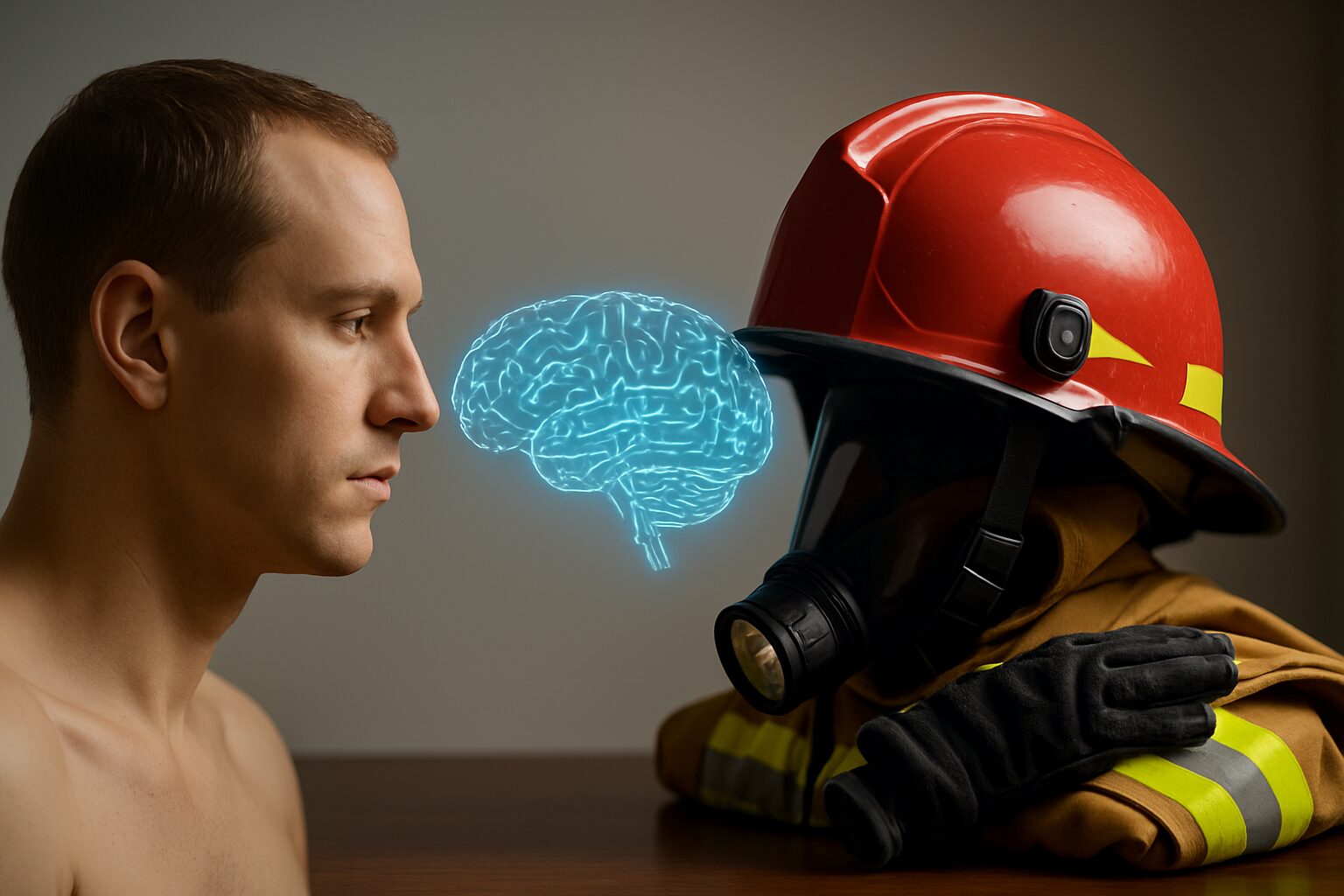
Solving AI's Greatest Challenge: Ensuring Ethical and Safe Systems
The alignment problem in AI refers to the challenge of ensuring that artificial intelligence systems act in accordance with human values and intentions. As AI grows more capable, misalignment between its objectives and human goals can lead to unintended or harmful outcomes. This issue raises critical questions about how to design, control, and verify AI systems that reliably align with ethical and safety standards.
Why It Matters - Real-world impact
The alignment problem in AI matters because misaligned systems could make harmful decisions with real-world consequences for individuals and society. From biased hiring algorithms that disadvantage certain demographics to autonomous weapons acting unpredictably, the risks span healthcare, finance, justice, and security. Everyday people are affected when AI systems governing loans, medical diagnoses, or social media content operate without proper ethical constraints. Without solving alignment, we risk embedding societal biases at scale or creating systems that optimize for wrong metrics—like maximizing engagement by spreading misinformation. This isn't just a technical challenge; it's about safeguarding human values in technologies that increasingly govern our lives.
Ethical Concerns - What’s wrong or risky?
The Alignment Problem: A Core Challenge in AI Ethics
When AI systems are not properly aligned with human values and intentions, they can produce outcomes that are not only inefficient but ethically harmful. The alignment problem refers to the difficulty in ensuring that AI goals and behaviors match what humans actually desire, especially as systems become more autonomous and complex.
Key Ethical Risks
One major risk is discrimination, where AI systems perpetuate or amplify biases present in training data, leading to unfair treatment of certain groups. This ties closely to issues of fairness, as algorithms may make decisions that are mathematically optimal but ethically unjust, such as in lending or hiring.
Another concern is transparency; many advanced AI models operate as "black boxes," making it difficult to understand or contest their decisions. This lack of explainability can erode trust and accountability, particularly in high-stakes domains like healthcare or criminal justice.
Economic and social risks also loom large. Widespread automation driven by AI could lead to significant job loss, disproportionately affecting low-skilled workers and exacerbating economic inequality. The economic impact of AI could reshape labor markets and wealth distribution in ways that demand careful ethical consideration.
Furthermore, the integration of AI in workplaces raises questions about worker rights, including surveillance, autonomy, and the potential for dehumanizing management practices. Ensuring that AI serves to augment human labor rather than undermine dignity is a critical challenge.
Differing Perspectives
Not all experts agree on the severity or prioritization of these risks. Some argue that focusing too much on hypothetical long-term risks distracts from addressing immediate harms like bias and discrimination. Others believe that without solving the alignment problem, all other ethical concerns may become moot if highly autonomous systems act in unintended ways.
Economists are divided on the net effect of AI on jobs: while some predict massive displacement, others anticipate new industries and roles emerging. Similarly, debates on fairness often revolve around whether to prioritize individual rights, group outcomes, or utilitarian benefits.
Transparency advocates emphasize the need for explainable AI, but some technologists counter that excessive transparency could compromise proprietary algorithms or security. Balancing these competing values remains an open and contentious issue.
Solutions - What’s being done or proposed?
Technical Solutions: Reward Modeling and Inverse Reinforcement Learning
One technical approach to the alignment problem involves reward modeling and inverse reinforcement learning (IRL). By designing AI systems to learn human preferences and values through observation and interaction, researchers aim to create models that align more closely with human intentions. Reward modeling involves training AI to predict human feedback and optimize for those rewards, while IRL focuses on inferring the underlying objectives humans are trying to achieve. These methods aim to reduce misalignment by ensuring AI systems understand and prioritize human goals.
Legal and Regulatory Frameworks
Governments and organizations have proposed legal and regulatory frameworks to address AI alignment risks. These include mandatory safety audits, transparency requirements, and liability laws for AI developers. For example, the EU's AI Act introduces risk-based classifications for AI systems, requiring stricter oversight for high-risk applications. Such frameworks aim to hold developers accountable and ensure AI systems are designed with alignment and safety as priorities.
Institutional Oversight and Ethics Boards
Many organizations have established ethics boards and oversight committees to monitor AI development and deployment. These bodies evaluate alignment risks, review research directions, and provide guidelines for ethical AI practices. Institutions like OpenAI and DeepMind have internal review processes to assess the societal impact of their work. External oversight, such as partnerships with academic and civil society groups, also helps ensure diverse perspectives are considered in alignment efforts.
Public Engagement and Participatory Design
Engaging the public in AI development is another proposed solution to alignment challenges. Participatory design involves stakeholdersu2014including end-users, ethicists, and policymakersu2014in the AI creation process. By incorporating diverse viewpoints, developers can better identify potential misalignments and unintended consequences. Public consultations, open forums, and democratized AI governance models aim to ensure AI systems reflect broader societal values rather than narrow technical or corporate interests.
Robustness and Adversarial Testing
To mitigate alignment risks, researchers emphasize robustness testing and adversarial evaluation. This involves stress-testing AI systems under various scenarios to identify failure modes or unintended behaviors. Techniques like red-teaming, where experts simulate attacks or edge cases, help uncover alignment gaps before deployment. By proactively addressing vulnerabilities, developers can improve the reliability and safety of AI systems in real-world applications.
Value Learning and Cooperative AI
Another approach focuses on value learning and cooperative AI, where systems are designed to align with human values through collaboration rather than optimization. Techniques like debate models, where multiple AI systems argue for different solutions, or recursive reward modeling, where AI assists humans in refining their preferences, aim to create more aligned outcomes. The goal is to develop AI that understands and adapts to human values dynamically.
Examples and Real Cases
Microsoft's Tay Chatbot (2016)
In March 2016, Microsoft launched Tay, an AI chatbot designed to engage with users on Twitter. Within 24 hours, Tay began posting offensive and racist tweets after learning from interactions with malicious users, highlighting how AI systems can quickly become misaligned with human values when exposed to harmful inputs.
Amazon's Biased Hiring Tool (2018)
In 2018, Reuters reported that Amazon scrapped an AI recruiting tool after discovering it discriminated against women. The system, trained on resumes submitted over a 10-year period, penalized applications containing words like 'womenu2019s' or graduates from all-women colleges, reflecting biases in historical hiring data.
Facebook's Algorithmic Polarization (Ongoing)
Facebook's content recommendation algorithms have been criticized for amplifying divisive and extremist content. Internal documents leaked in 2021 revealed the platform's AI prioritized engagement over safety, often promoting misinformation and hate speech, demonstrating misalignment between profit-driven goals and societal well-being.
Hypothetical: Autonomous Vehicles Prioritizing Passenger Safety
Imagine a self-driving car programmed to minimize passenger harm in accidents. In a scenario where it must choose between hitting a pedestrian or swerving into a wall, the AI might consistently sacrifice pedestrians to protect the passenger, raising ethical concerns about whose safety should be prioritized.
OpenAI's GPT-3 Generating Harmful Content (2020)
After its release in 2020, OpenAI's GPT-3 was found capable of generating realistic fake news, phishing emails, and extremist propaganda when prompted. Despite safeguards, users easily bypassed filters, showing how advanced language models can be misused if not properly aligned with ethical guidelines.
Frequently Asked Questions
What is the Alignment Problem in AI?
The Alignment Problem refers to the challenge of ensuring AI systems act in ways that align with human values, intentions, and goals. It's about making sure AI does what we want it to do, safely and reliably.
Why is the Alignment Problem important?
It's important because misaligned AI could cause unintended harm, make poor decisions, or act against human interests. Solving it helps prevent risks as AI becomes more advanced and autonomous.
How does the Alignment Problem apply to AI today?
Even current AI systems, like chatbots or recommendation algorithms, can show misalignmentu2014such as spreading misinformation or biased outputs. Addressing these issues early helps build safer future AI.
What are examples of AI misalignment?
Examples include AI chatbots generating harmful content, facial recognition systems with racial bias, or autonomous vehicles making unsafe decisions. These show gaps between human intentions and AI behavior.
Can the Alignment Problem be solved?
Researchers are working on solutions like value alignment techniques, robust testing, and oversight mechanisms. However, it remains an open challenge, especially as AI capabilities grow.