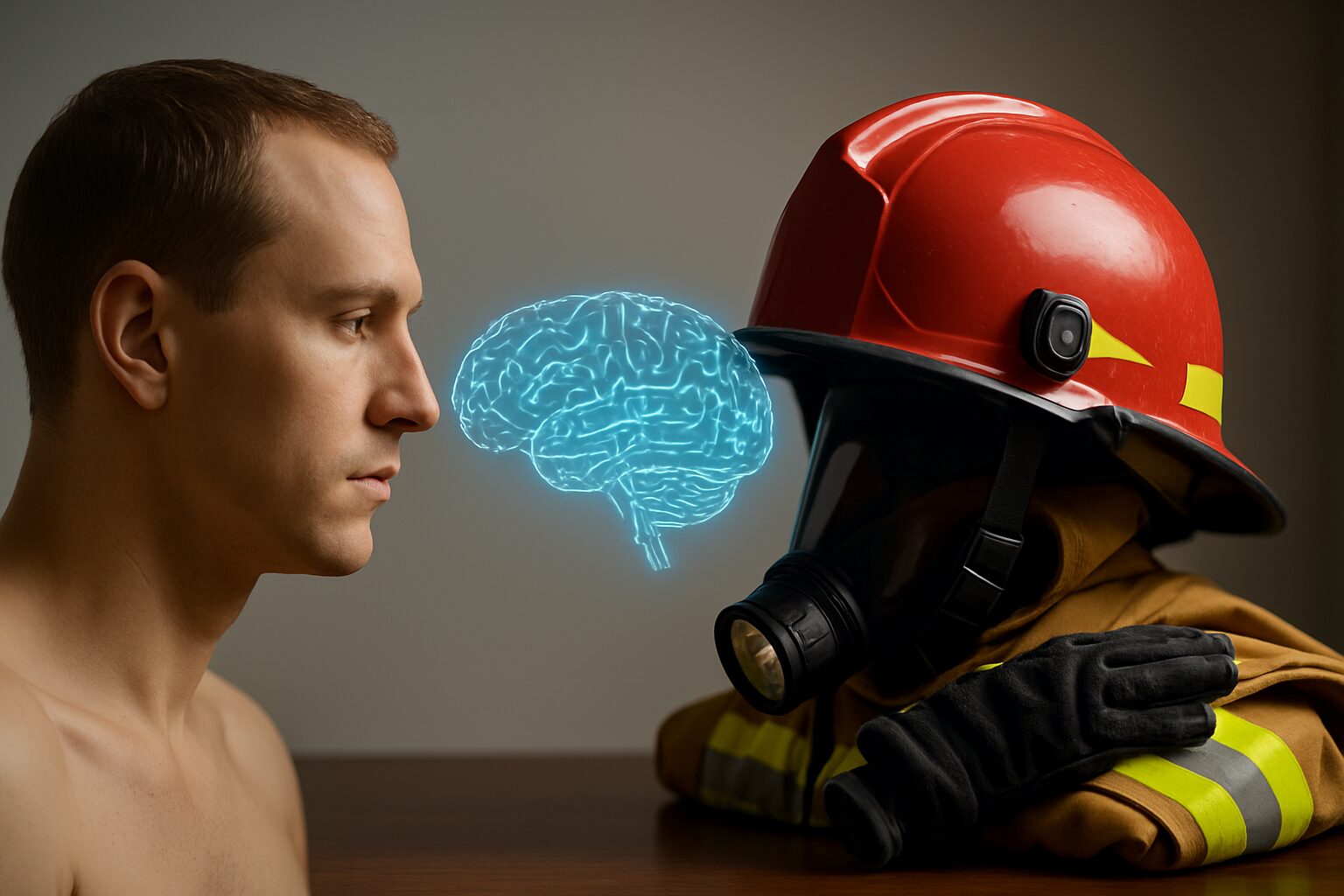
AI Safety Myths Busted: Separating Hype from Real Risks
As artificial intelligence becomes more integrated into safety-critical systems, concerns arise about overreliance on AI for decision-making. This issue centers on the assumption that AI can consistently and accurately handle safety-related tasks without human oversight. The discussion explores the gap between perceived AI capabilities and real-world limitations in high-stakes scenarios.
Why It Matters - Real-world impact
The overreliance on AI for safety-critical decisions has far-reaching consequences, affecting everyone from individuals to entire communities. When AI systems are entrusted with high-stakes choices—such as medical diagnoses, autonomous vehicle navigation, or criminal risk assessments—errors or biases in these systems can lead to life-altering harm. Vulnerable populations, including marginalized groups disproportionately impacted by algorithmic bias, face heightened risks. Regular people should care because these technologies increasingly shape access to healthcare, employment, and even justice, often without transparency or accountability. The myth that AI is infallible in safety contexts obscures these dangers, making public awareness and scrutiny essential to prevent preventable tragedies.
Ethical Concerns - What’s wrong or risky?
Myth: AI Ensures Impartial Safety Decisions
Many assume AI systems make objective safety judgments, free from human bias. However, these systems often inherit and amplify societal prejudices, leading to discriminatory outcomes. For instance, an AI used in workplace safety might disproportionately flag certain demographics based on flawed training data, raising serious Ethical Concerns: Discrimination.
Reality: Hidden Biases and Unfair Outcomes
AI models can perpetuate inequities by relying on historical data that reflects past injustices. This challenges the notion of Ethical Concerns: Fairness, as systems may treat individuals or groups unequally without transparent justification, eroding trust in safety protocols.
Myth: AI Decisions Are Fully Transparent
Proponents argue that AI enhances clarity in safety processes, but many algorithms operate as "black boxes," making it difficult to understand how decisions are reached. This lack of Ethical Concerns: Transparency can obscure accountability, especially when errors cause harm.
Reality: Economic and Labor Implications
Overdependence on AI for safety can lead to reduced human oversight, potentially endangering Ethical Concerns: Worker Rights if employees are not adequately trained or involved in decision-making. Additionally, automation might contribute to Ethical Concerns: Job Loss, displacing workers who traditionally managed safety roles, while the broader Ethical Concern: Economic Impact could include unequal access to safety technologies across industries.
Differing Perspectives
Some experts believe AI can minimize human error and improve safety outcomes overall, arguing that ethical risks are manageable with robust oversight. Others caution that overreliance neglects nuanced human judgment and moral responsibility, prioritizing efficiency over wellbeing.
Additional Moral Concerns
Beyond the linked issues, overreliance on AI raises questions about moral deskilling—where humans lose the ability to make critical ethical decisions—and the potential for systemic vulnerabilities if AI systems fail or are manipulated maliciously.
Solutions - What’s being done or proposed?
Regulatory Frameworks and Legal Oversight
Governments and regulatory bodies have proposed creating strict legal frameworks to govern the use of AI in safety-critical decisions. These frameworks would mandate transparency, accountability, and human oversight. For example, the EU's AI Act classifies high-risk AI systems and imposes requirements like risk assessments and human-in-the-loop mechanisms. Such regulations aim to prevent overreliance by ensuring AI systems are auditable and decisions can be challenged.
Human-AI Collaboration Models
Technical solutions have focused on designing systems where AI assists rather than replaces human judgment. For instance, 'human-in-the-loop' models require human approval for critical decisions, while 'human-on-the-loop' systems allow humans to monitor and intervene. These models aim to balance AI efficiency with human expertise, reducing risks of overreliance by keeping humans actively involved in safety decisions.
Bias and Robustness Testing
To address concerns about AI reliability, institutions have advocated for rigorous testing of AI systems before deployment. This includes stress-testing for edge cases, bias audits, and adversarial testing to identify vulnerabilities. Organizations like the Partnership on AI have developed guidelines for evaluating AI safety. By ensuring systems are robust and fair, stakeholders hope to build trust without encouraging blind reliance.
Education and Training Programs
Social solutions include training programs for professionals who work with AI systems. These programs teach users about AI limitations, ethical considerations, and when to override automated decisions. For example, medical boards have introduced courses on AI-assisted diagnostics to help doctors recognize when to trust AI versus rely on their expertise. Education aims to foster informed skepticism rather than uncritical dependence.
Transparency and Explainability Tools
Technical advancements in explainable AI (XAI) seek to make AI decision-making processes interpretable to users. Tools like decision trees, saliency maps, or natural language explanations help users understand how AI arrives at conclusions. By demystifying AI outputs, these tools empower users to critically evaluate suggestions rather than accept them blindly, mitigating overreliance risks.
Whistleblower Protections and Reporting Channels
Institutional solutions include establishing protected channels for employees to report unsafe AI reliance without fear of retaliation. For example, some tech companies have created internal ethics boards and anonymous reporting systems. These measures encourage accountability by allowing concerns about overreliance to be raised and addressed before they lead to harm.
Public Awareness Campaigns
Advocacy groups and policymakers have launched campaigns to educate the public about AI's limitations in safety contexts. These initiatives use media, workshops, and community engagement to dispel myths of AI infallibility. By fostering realistic expectations, they aim to reduce societal pressure to adopt AI uncritically in high-stakes domains like healthcare or transportation.
Examples and Real Cases
Boeing 737 MAX Crashes (2018-2019)
The Boeing 737 MAX crashes in 2018 (Lion Air Flight 610) and 2019 (Ethiopian Airlines Flight 302) were partly attributed to overreliance on the MCAS (Maneuvering Characteristics Augmentation System), an AI-driven flight control system. Investigators found that Boeing assumed pilots could override the system, but the AI's aggressive corrections left insufficient time for human intervention.
Tesla Autopilot Accidents (Multiple Instances)
Tesla's Autopilot system has been involved in multiple fatal crashes, including a 2016 incident in Florida where the system failed to detect a tractor-trailer. Investigations revealed drivers often overtrusted the AI, leading to reduced vigilance despite Tesla's warnings that the system required supervision.
Facebook's Algorithmic Content Moderation (Hypothetical)
A hypothetical scenario: A social media platform relies entirely on AI to flag harmful content, but the system fails to detect a coordinated disinformation campaign during an election. Human moderators, reduced in number due to AI reliance, are unable to intervene in time, leading to widespread misinformation.
IBM Watson for Oncology (2010s)
IBM's Watson for Oncology, designed to recommend cancer treatments, was found to provide unsafe suggestions in some cases, such as in 2018 when it reportedly recommended incorrect therapies. Hospitals overrelied on its AI-driven insights without sufficient human oversight, risking patient safety.
Uber Self-Driving Fatality (2018)
In 2018, an Uber self-driving car struck and killed a pedestrian in Arizona. The AI system failed to classify the pedestrian correctly, and the human safety driver, who was distracted, assumed the AI would handle the situation. This highlighted the dangers of overtrusting AI in safety-critical roles.
Frequently Asked Questions
What does overreliance on AI for safety decisions mean?
Overreliance on AI for safety decisions means depending too much on artificial intelligence systems to make critical safety or risk-related choices without human oversight. This can lead to errors if the AI lacks context, makes biased decisions, or fails in unexpected situations.
Why is overreliance on AI in safety decisions a concern?
It's a concern because AI systems can make mistakes, lack human intuition, or be influenced by biased data. Safety decisions often require ethical judgment and adaptability, which AI may not fully replicate. Overreliance can lead to accidents, overlooked risks, or unfair outcomes.
Can AI completely replace humans in safety-critical decisions?
No, AI should not completely replace humans in safety-critical decisions. While AI can assist with data analysis and predictions, human oversight is essential to interpret results, consider ethical implications, and handle unforeseen scenarios where AI may fall short.
What are some real-world examples of overreliance on AI causing safety issues?
Examples include autonomous vehicle accidents due to misjudged road conditions, biased hiring or loan approval algorithms, and medical diagnosis errors when AI overlooks rare conditions. These cases highlight the need for human-AI collaboration in safety decisions.
How can we balance AI and human judgment in safety decisions?
Balance can be achieved by using AI as a tool to supportu2014not replaceu2014human decision-makers. Humans should validate AI recommendations, provide context, and intervene when necessary. Clear guidelines and fail-safes should also be in place to prevent overreliance.