When Algorithms Get It Wrong: The Hidden Risks of AI in Healthcare
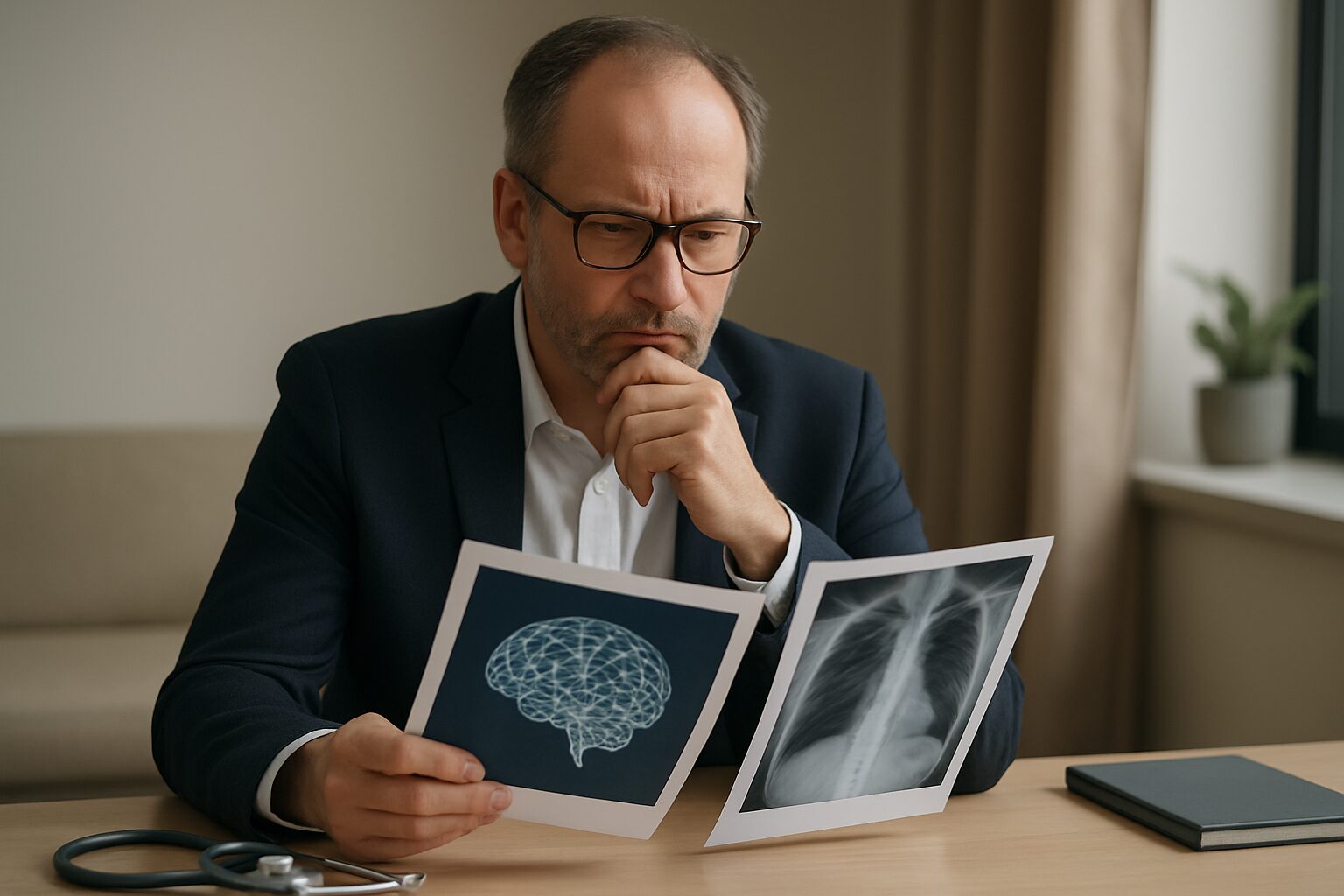
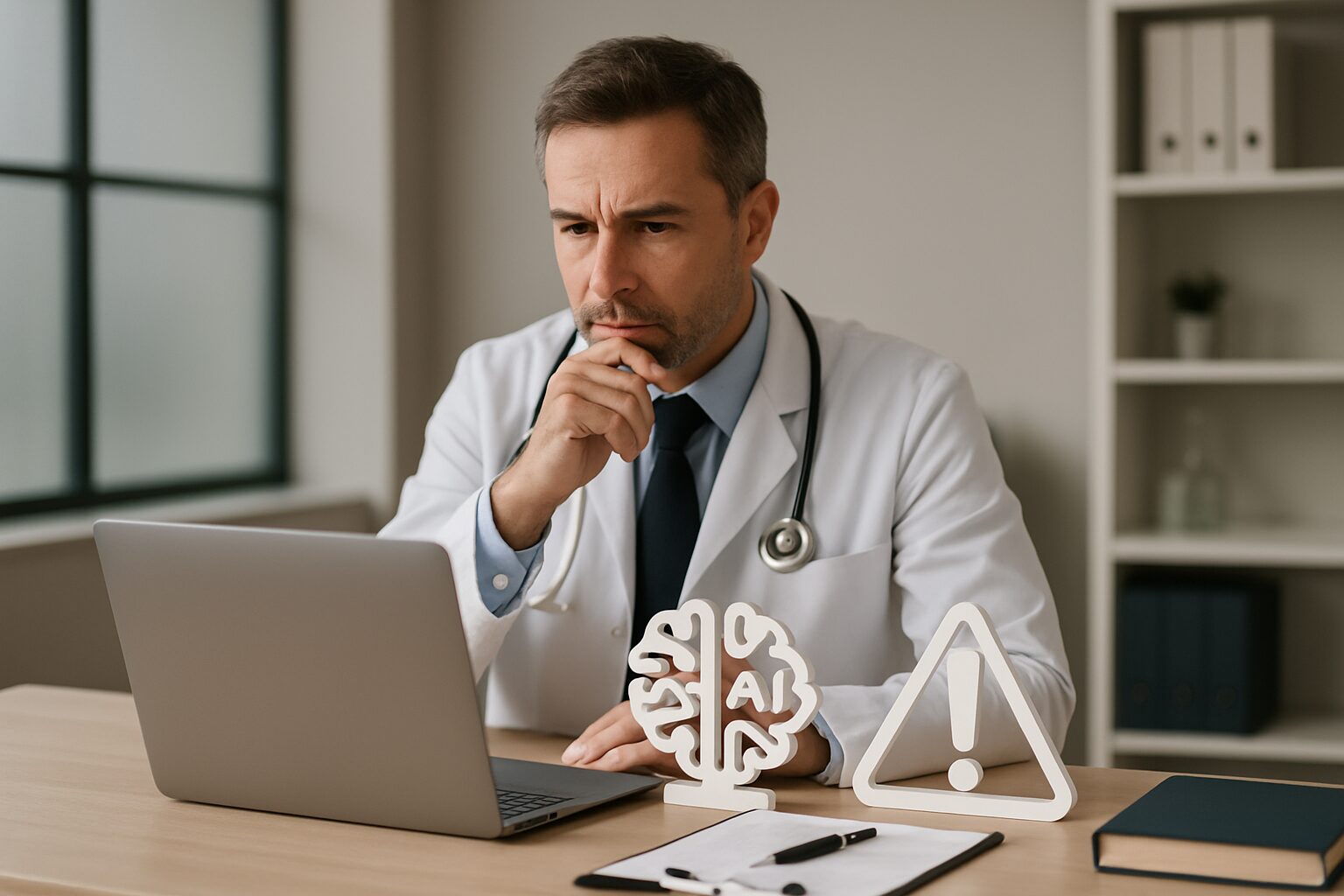
AI decision errors in healthcare occur when artificial intelligence systems provide incorrect, biased, or unreliable recommendations for diagnosis, treatment, or patient management. These errors can stem from flawed data, algorithmic limitations, or inadequate validation, posing risks to patient safety and care quality. As AI adoption grows in medical settings, understanding and mitigating these errors becomes critical to ensuring trustworthy and effective healthcare solutions.
Why It Matters - Real-world impact
AI decision errors in healthcare have real-world consequences that extend far beyond technical failures. Patients may receive incorrect diagnoses, inappropriate treatments, or be denied critical care due to algorithmic biases or flawed data. Healthcare providers face ethical dilemmas and legal risks when relying on potentially unreliable AI recommendations, while insurers and policymakers grapple with accountability questions. For regular people, these errors could mean life-altering medical mistakes, eroded trust in healthcare systems, or unequal access to quality care based on how algorithms were trained. The stakes are particularly high in healthcare where AI-assisted decisions directly impact human wellbeing and survival, making rigorous oversight and ethical AI development imperative.
Ethical Concerns - What’s wrong or risky?
Ethical Risks of AI Decision Errors in Healthcare
When AI systems make errors in healthcare decisions, the consequences can be severe and raise numerous ethical concerns. One major issue is fairness, as biased training data can lead to unequal treatment recommendations for different demographic groups. This ties closely to discrimination, where algorithms may inadvertently perpetuate or even exacerbate existing disparities in care.
Transparency and Accountability
Another critical concern is transparency. Many AI models operate as "black boxes," making it difficult for clinicians and patients to understand how decisions are made. This lack of clarity complicates accountability when errors occur, as it may be unclear whether the fault lies with the algorithm, the data, or the human operators.
Economic and Employment Implications
Errors can also have significant economic impact, from wasted resources on incorrect treatments to costly malpractice lawsuits. Some argue that over-reliance on AI might lead to job loss among healthcare professionals, though others believe it will augment rather than replace human roles. Additionally, there are concerns about worker rights, such as whether staff are adequately trained to oversee AI systems or if they face undue pressure to comply with algorithmic recommendations.
Differing Perspectives
Not everyone agrees on the severity or nature of these risks. Proponents of AI in healthcare emphasize its potential to reduce human error and improve efficiency, arguing that ethical challenges can be mitigated through robust testing and regulation. Critics, however, caution that the rush to adopt AI may prioritize innovation over patient safety, and that systemic issues like bias require deeper societal changes beyond technical fixes.
Solutions - What’s being done or proposed?
Enhanced Transparency and Explainability in AI Systems
One approach to mitigating AI decision errors in healthcare is improving the transparency and explainability of AI systems. Developers are creating models that provide clear explanations for their decisions, such as highlighting which data points influenced the outcome. Regulatory bodies are also pushing for standards that require AI systems to be interpretable by healthcare professionals, ensuring that clinicians can understand and verify AI recommendations before acting on them.
Robust Testing and Validation Protocols
Implementing rigorous testing and validation protocols for AI systems before deployment is another key solution. This includes stress-testing AI models with diverse datasets to identify biases or errors. Independent third-party audits and real-world pilot studies are increasingly used to assess AI performance in clinical settings, reducing the risk of harmful errors once the system is in use.
Legal Frameworks for Accountability
Governments and institutions are developing legal frameworks to assign accountability for AI decision errors. These frameworks clarify liability when AI systems cause harm, whether it falls on developers, healthcare providers, or institutions. Some regions have introduced mandatory reporting for AI-related incidents, ensuring that errors are documented and addressed systematically.
Human-in-the-Loop Systems
Many healthcare providers are adopting human-in-the-loop (HITL) systems, where AI recommendations are reviewed by medical professionals before implementation. This hybrid approach leverages AI's analytical strengths while maintaining human oversight to catch potential errors. Training programs are also being developed to help clinicians effectively collaborate with AI tools.
Bias Mitigation Strategies
To address biases in AI decision-making, researchers are employing techniques like adversarial debiasing and diverse dataset curation. Institutions are also establishing ethics review boards to evaluate AI systems for potential biases before deployment. Ongoing monitoring ensures that biases are identified and corrected throughout the system's lifecycle.
Continuous Monitoring and Feedback Mechanisms
Healthcare organizations are implementing continuous monitoring systems to track AI performance in real-time. Feedback loops allow clinicians to report errors or concerns, which are then used to improve the AI models. Some systems now include automatic alerts when the AI's confidence in a decision falls below a certain threshold, prompting additional review.
Standardized Training for Healthcare Professionals
Educational programs are being developed to train healthcare workers in understanding and working with AI systems. These programs teach clinicians how to interpret AI outputs, recognize potential errors, and maintain critical thinking skills when using AI-assisted tools. Certification requirements are being updated in some regions to include AI competency.
Multi-Stakeholder Governance Committees
Hospitals and healthcare systems are forming multi-stakeholder committees to oversee AI implementation. These committees typically include clinicians, data scientists, ethicists, and patient advocates who collaboratively establish guidelines for AI use, evaluate risks, and make decisions about system deployment and updates.
Examples and Real Cases
IBM Watson's Oncology Treatment Recommendations (2018)
In 2018, IBM Watson's AI system provided unsafe and incorrect cancer treatment recommendations. Internal documents revealed that the system often suggested treatments that were not aligned with standard practices, leading to concerns about patient safety.
Epic's Sepsis Prediction Model (2019)
Epic's AI-driven sepsis prediction model, used in hospitals, was found to miss up to 67% of sepsis cases in 2019. This failure delayed critical interventions, putting patients at risk of severe complications or death.
Hypothetical: AI Misdiagnosis in Radiology (2023)
In a hypothetical scenario, an AI radiology tool misclassifies benign lung nodules as malignant in 2023, leading to unnecessary invasive procedures. The error stems from biased training data that underrepresented certain demographic groups.
Google Health's Breast Cancer Detection Disparities (2020)
In 2020, Google Health's AI model for detecting breast cancer showed lower accuracy for Black women compared to white women. The disparity highlighted risks of biased algorithms in healthcare diagnostics.
Hypothetical: AI-Driven Drug Dosage Error (2022)
A hypothetical AI system in 2022 recommends an incorrect insulin dosage due to a glitch in interpreting patient data. The error results in severe hypoglycemia for multiple patients before being detected.
Frequently Asked Questions
What are AI decision errors in healthcare?
AI decision errors in healthcare occur when artificial intelligence systems make incorrect diagnoses, treatment recommendations, or predictions about patient outcomes. These mistakes can happen due to flawed algorithms, biased training data, or unexpected situations the AI wasn't trained to handle.
Why are AI errors dangerous in healthcare?
AI errors in healthcare are dangerous because they can lead to misdiagnoses, incorrect treatments, or delayed care - all of which may harm patients. Since healthcare decisions directly impact people's lives and wellbeing, even small mistakes can have serious consequences.
What causes AI to make mistakes in medical decisions?
Common causes include: biased or incomplete training data, algorithms that don't account for rare conditions, over-reliance on historical data that may be outdated, and situations where the AI encounters cases very different from its training examples.
How can we prevent AI errors in healthcare?
Prevention methods include: rigorous testing before deployment, continuous monitoring of AI performance, using diverse and representative training data, keeping human oversight in decision-making, and establishing clear protocols for when to override AI recommendations.
Are AI systems replacing doctors in healthcare?
No, AI is designed to assist healthcare professionals, not replace them. Doctors use AI as a tool to support decision-making, but final medical decisions should always involve human judgment, especially considering the complex nature of healthcare and potential for AI errors.