Unveiling Bias in AI Voices: The Transparency Crisis
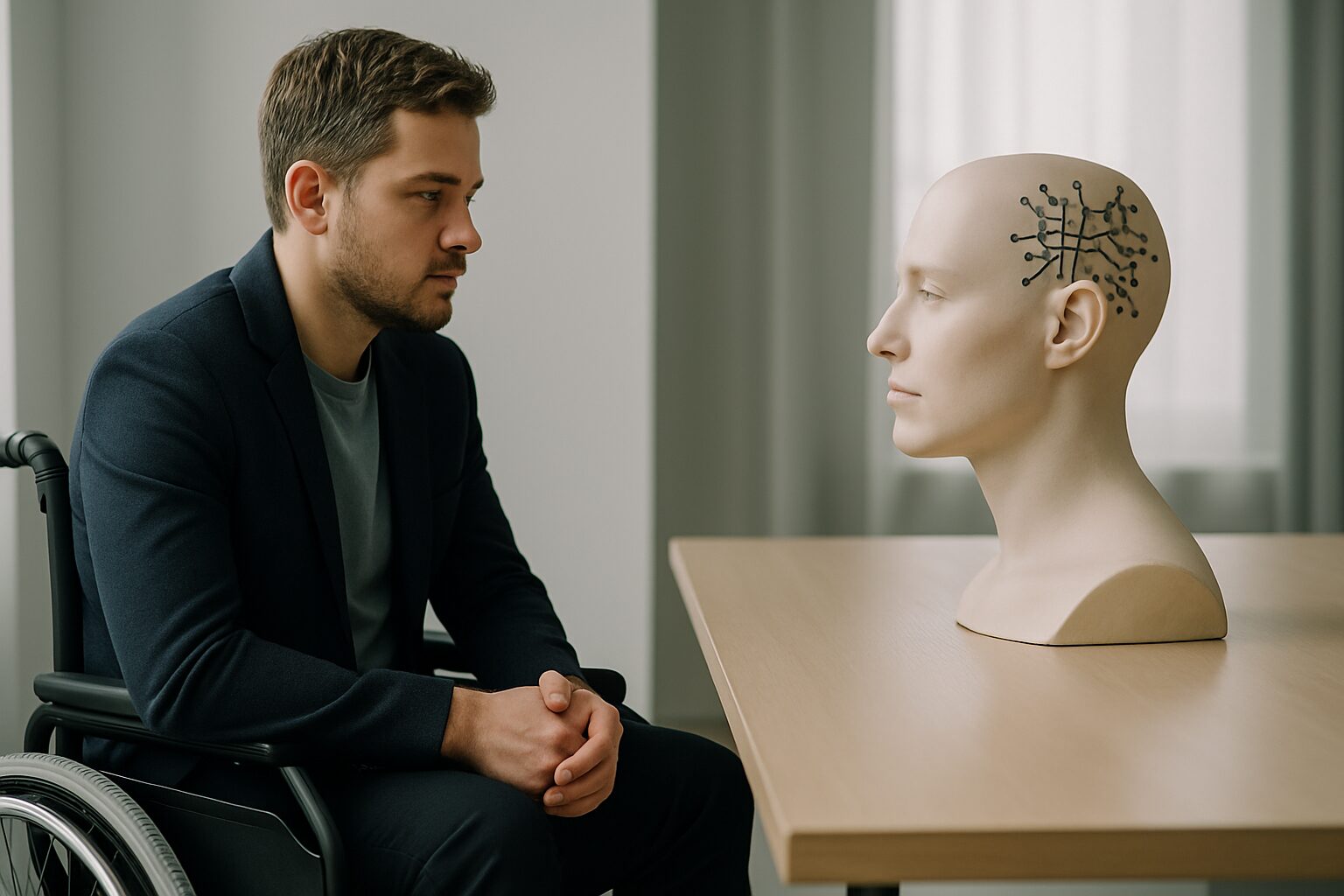
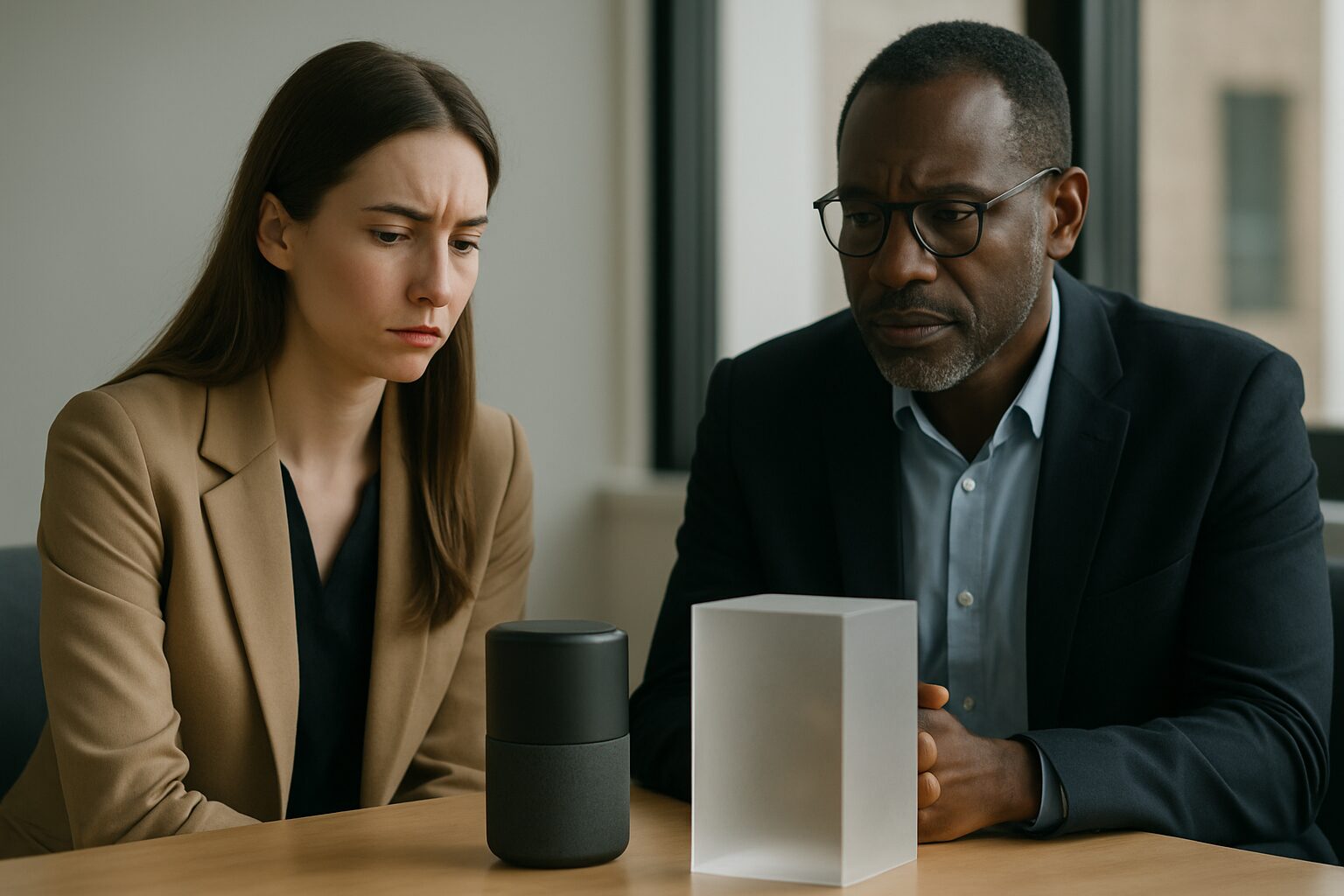
AI voice assistants, such as those found in smartphones and smart speakers, are predominantly designed with female-sounding voices by default. This reflects and reinforces broader societal gender stereotypes, raising concerns about bias in AI development. Additionally, many companies do not disclose how voice options are selected or whether diversity is considered in their design processes, creating a lack of transparency. These disparities highlight the need to examine how gender biases are embedded in technology and how openly decisions are communicated to users.
Why It Matters - Real-world impact
The gender disparities in AI voice assistants have real-world implications, reinforcing harmful stereotypes and shaping societal perceptions of gender roles. By defaulting to female-sounding voices for subservient tasks (e.g., scheduling reminders or answering queries), these technologies perpetuate the outdated notion that women are naturally suited for caregiving or assistant roles, while male voices are often reserved for authoritative functions (e.g., financial or technical advice). This bias affects everyone—from children who grow up internalizing these norms to professionals who encounter AI in workplaces, education, or customer service. If left unchecked, such design choices risk normalizing gendered expectations in human interactions with both machines and each other. Regular people should care because these subtle cues influence behavior, career aspirations, and even hiring decisions, ultimately sustaining systemic inequality under the guise of technological neutrality.
Ethical Concerns - What’s wrong or risky?
Gender Disparities in AI Voice Assistants: An Ethical Overview
AI voice assistants, such as Siri, Alexa, and Google Assistant, are predominantly designed with female-sounding voices, raising significant ethical concerns. This design choice perpetuates and amplifies existing gender stereotypes, associating servitude and submissiveness with femininity. Such biases can reinforce societal norms that devalue women's roles and contributions.
Fairness and Representation
From a fairness perspective, the lack of diverse gender representation in AI voices fails to reflect the varied identities of users. This homogeneity can alienate non-binary and male users, while implicitly suggesting that caregiving and assistance are inherently female duties. Critics argue that fairness requires equitable representation and the avoidance of reinforcing harmful stereotypes.
Discrimination and Societal Impact
The issue ties directly into discrimination, as these design choices may contribute to broader gender biases in technology and society. By defaulting to female voices for assistive roles, developers may unintentionally validate and propagate discriminatory attitudes. This can have real-world consequences, such as normalizing the expectation that women should be more accommodating or available for service-oriented tasks.
Transparency in Design Choices
Transparency is another critical concern. Many users are unaware of the conscious decisions behind voice gender selection, and companies often do not disclose the rationale or the data influencing these choices. Without clear communication, it is difficult to hold developers accountable or to foster public trust in AI systems. Some argue that greater transparency could lead to more informed and ethical design practices.
Alternative Perspectives
Not all stakeholders view this issue uniformly. Some argue that female voices are simply preferred by users due to their perceived warmth and clarity, citing user studies and market research. Others contend that focusing on voice gender overlooks more pressing ethical issues, such as data privacy or the environmental impact of AI systems. There is also debate over whether offering more voice options genuinely addresses underlying biases or merely provides a superficial solution.
Additional Ethical Dimensions
Beyond the primary concerns, there are other moral considerations. For instance, the economic impact includes how gendered AI might influence hiring in service industries, potentially skewing opportunities based on perceived vocal traits. Moreover, the creation of these systems involves worker rights issues, such as the conditions under which voice actors work and whether they are fairly compensated. The potential for job loss in sectors increasingly automated by AI assistants also remains a pertinent, though indirect, ethical risk tied to these technologies.
Solutions - What’s being done or proposed?
Implementing Gender-Neutral Voice Options
One technical solution proposed is the development and default use of gender-neutral or non-binary voice assistants. Companies like Google and Microsoft have experimented with less gendered voices, offering users a choice that doesn't reinforce stereotypes. This approach requires advanced voice synthesis technology to create natural-sounding, neutral voices that avoid traditional gender cues.
Diverse Development Teams
Institutional changes, such as ensuring diversity within AI development teams, can help address unconscious biases in voice assistant design. By including more women and non-binary individuals in the creation and testing phases, companies can better identify and mitigate gendered assumptions that might otherwise go unnoticed in homogeneous teams.
Transparency in Design Choices
Advocates have called for greater transparency from companies about why certain voices are chosen for AI assistants. Publicly documenting the decision-making process, including any considerations around gender, can hold companies accountable and allow for external scrutiny. This social and institutional approach encourages ethical reflection before products are launched.
Regulatory Guidelines on Gender Representation
Legal solutions include proposing regulations that require AI voice assistants to offer balanced gender representation or avoid reinforcing stereotypes. The European Union has explored such guidelines, suggesting that AI technologies should promote equality. This could involve mandates for multiple voice options or restrictions on default gendered settings.
User Customization and Control
Providing users with more customization options is a user-centric technical solution. Allowing individuals to select or even customize the tone, pitch, and style of their AI assistant's voice can reduce reliance on gendered defaults. This empowers users to choose what feels most comfortable or appropriate for their needs, moving away from one-size-fits-all solutions.
Public Awareness Campaigns
Social solutions include campaigns to educate the public about the implications of gendered AI voices. By raising awareness of how these choices perpetuate stereotypes, consumers can demand change from corporations. Grassroots movements and media coverage have already pressured some companies to reconsider their approach to voice assistant design.
Ethical Audits and Impact Assessments
Institutionalizing ethical audits and bias impact assessments before deploying AI voice assistants can help identify potential disparities. These assessments, conducted by internal or third-party ethicists, would evaluate how voice choices might affect different demographics and suggest mitigations. This proactive approach aligns with broader corporate social responsibility goals.
Examples and Real Cases
Apple's Siri Defaults to Female Voice
Since its launch in 2011, Apple's Siri has defaulted to a female voice in most countries, reinforcing gender stereotypes that women are more helpful and subservient. In 2019, Apple introduced a male voice option, but the female voice remains the default, reflecting broader societal biases in AI design.
Amazon Alexa's Gendered Responses
In 2020, researchers found that Amazon Alexa's responses to harassment or abusive language were often submissive or apologetic, reinforcing harmful gender norms. Amazon later updated Alexa to respond with 'I'm not sure what outcome you expected' to such comments, but the initial design highlighted the lack of gender sensitivity in AI development.
Google Assistant's 'Pretty Please' Feature
In 2018, Google introduced a 'Pretty Please' feature for Google Assistant, which rewarded users with polite responses when they used phrases like 'please' or 'thank you.' Critics argued this feature disproportionately targeted children and reinforced gendered expectations of politeness, particularly for female-presenting voices.
Microsoft's Cortana and Sexualized Prompts
Microsoft's Cortana, initially released in 2014, faced criticism for its female voice and responses to inappropriate user queries. In 2021, Microsoft retired the Cortana brand, partly due to concerns about gendered stereotypes and the sexualization of AI assistants.
Hypothetical: AI Hiring Tool Favors Male Voices
A hypothetical AI hiring tool trained on historical data might favor candidates with deeper, male-sounding voices, assuming they are more authoritative. This could disadvantage women and non-binary applicants, perpetuating workplace gender disparities without transparent auditing of the AI's decision-making process.
Frequently Asked Questions
What are gender disparities in AI voice assistants?
Gender disparities in AI voice assistants refer to the tendency for most virtual assistants (like Siri, Alexa, or Google Assistant) to have default female voices, reinforcing stereotypes that women are more helpful or subservient, while male voices are often used for authoritative roles.
Why is gender bias in AI voice assistants a problem?
Gender bias in AI voice assistants perpetuates harmful stereotypes and can shape how people perceive gender roles in real life. It also reflects a lack of diversity in AI development teams, leading to products that don't fairly represent all users.
How does transparency relate to AI voice assistants?
Transparency in AI voice assistants means openly sharing how voice and personality choices are made, including whether user data influences these decisions. Without transparency, biases can go unchecked, and users may not understand why certain voices or responses are prioritized.
What can we learn from gender disparities in AI assistants?
We can learn that AI reflects human biases, and without careful design, technology can reinforce inequality. Addressing these disparities helps create fairer AI that represents diverse perspectives and avoids harmful stereotypes.
How are companies addressing gender bias in voice assistants today?
Some companies now offer more voice options (including neutral or non-gendered voices) and involve diverse teams in development. However, progress is slow, and many default voices still follow traditional gender norms.