Hidden Prejudice in Hiring Tech: Who’s Responsible?
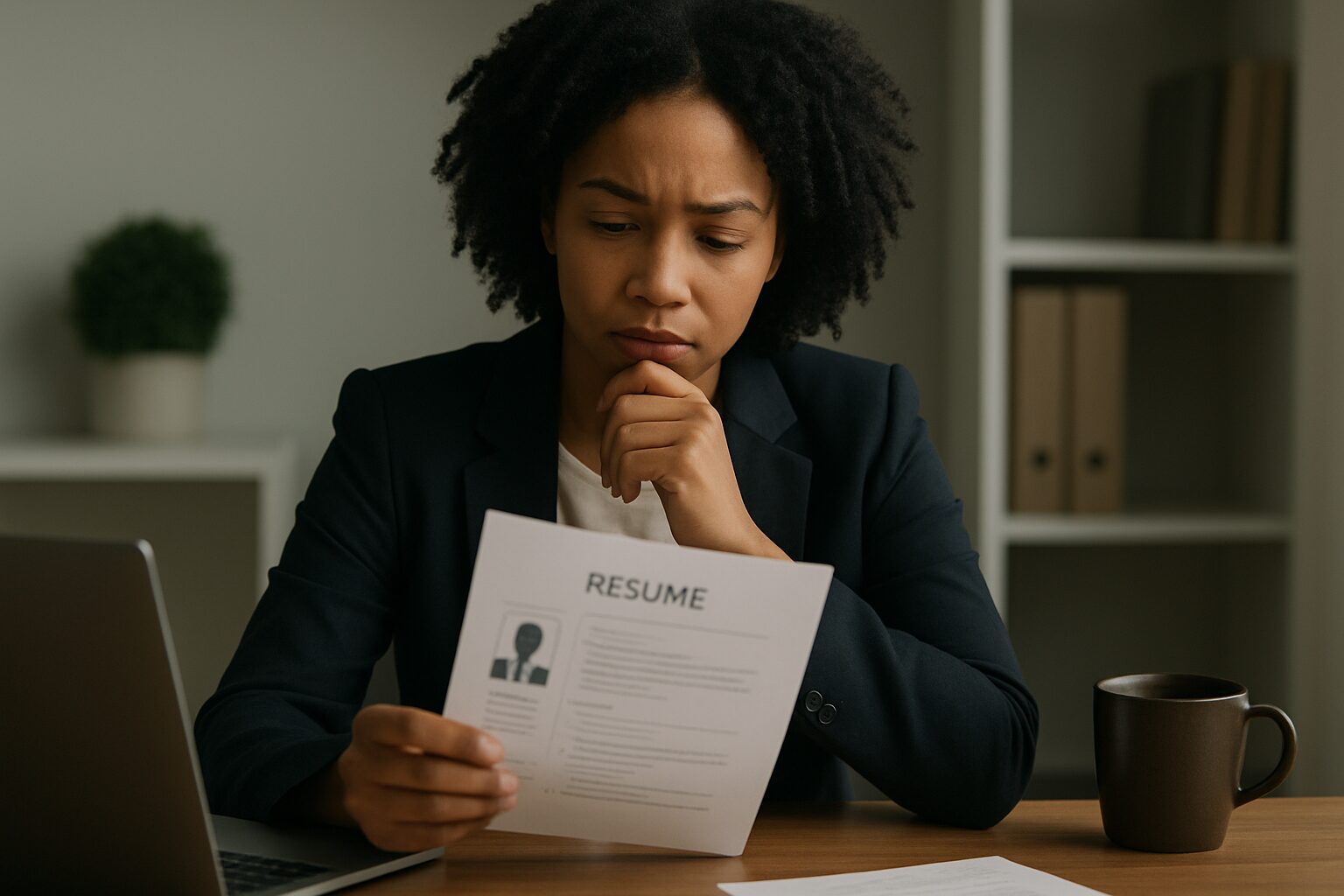
Resume screening algorithms are increasingly used to automate hiring processes, but they can inadvertently perpetuate bias if trained on historical data reflecting societal inequalities. These systems may favor certain demographics over others based on factors like gender, race, or education, raising concerns about fairness in employment opportunities. The lack of transparency in how these algorithms make decisions further complicates accountability when biased outcomes occur.
Why It Matters - Real-world impact
Bias in resume screening algorithms has real-world consequences that perpetuate inequality and limit opportunities. Job seekers from underrepresented groups—such as women, people of color, or individuals with non-traditional career paths—may be unfairly filtered out by biased AI systems, reinforcing systemic discrimination. Employers relying on these tools risk missing qualified candidates, undermining diversity efforts, and exposing themselves to legal and reputational harm. For regular people, this issue matters because it shapes who gets access to economic mobility and career growth, ultimately affecting workplace diversity and societal fairness. Left unchecked, algorithmic bias can deepen existing disparities, making it harder to build inclusive economies where talent, not background, determines success.
Ethical Concerns - What’s wrong or risky?
Bias in Resume Screening Algorithms and Accountability
Resume screening algorithms, while efficient, introduce significant ethical risks. One major concern is discrimination, where algorithms may perpetuate biases against protected groups based on historical hiring data. This can lead to systemic exclusion of qualified candidates from underrepresented backgrounds.
Another critical issue is fairness. Even if unintentional, these systems can create unfair advantages for certain demographics, undermining equal opportunity principles. For example, an algorithm trained on data from a male-dominated industry might undervalue resumes with female-associated experiences or keywords.
Transparency is also a key ethical challenge. Many of these algorithms operate as "black boxes," making it difficult for applicants or employers to understand why a candidate was rejected. This lack of explainability can erode trust and hinder accountability.
Some argue that these tools, when properly designed, can reduce human bias and standardize evaluations. Others contend that outsourcing hiring to algorithms dehumanizes the process and may overlook nuanced qualifications.
Additional moral concerns include potential job loss for HR professionals, though this is debated, and broader worker rights issues, such as the right to a fair evaluation. There are also worries about the economic impact if biased hiring perpetuates wage gaps and limits economic mobility for certain groups.
Solutions - What’s being done or proposed?
Algorithmic Audits and Transparency
One proposed solution is the implementation of regular algorithmic audits conducted by independent third parties. These audits would evaluate the fairness and bias in resume screening algorithms, ensuring they meet ethical and legal standards. Transparency in how these algorithms are trained and the data they use is also crucial. Companies could be required to disclose the criteria their algorithms prioritize, allowing for public scrutiny and accountability.
Diverse Training Data
To mitigate bias, experts suggest using more diverse and representative training data when developing resume screening algorithms. This includes ensuring the data reflects a wide range of demographics, backgrounds, and experiences. By doing so, the algorithms are less likely to perpetuate historical biases or favor certain groups over others. However, collecting such data can be challenging and requires careful consideration of privacy and consent.
Legal Frameworks and Regulations
Governments and regulatory bodies have begun exploring legal frameworks to address bias in AI-driven hiring tools. For example, some jurisdictions are considering laws that mandate fairness assessments or prohibit discriminatory practices in algorithmic hiring. These regulations could include penalties for non-compliance and require companies to demonstrate that their tools do not disproportionately disadvantage protected groups.
Human Oversight and Hybrid Systems
Another approach is combining algorithmic screening with human oversight. Hybrid systems allow human recruiters to review and adjust algorithmic decisions, providing a check against potential biases. This solution acknowledges that while algorithms can streamline processes, human judgment is essential for contextual understanding and fairness. Training recruiters to recognize and counteract algorithmic biases is also a key component of this approach.
Bias Mitigation Techniques in AI Development
Technical solutions within AI development include bias mitigation techniques such as adversarial debiasing, reweighting training data, or using fairness-aware machine learning models. These methods aim to reduce bias during the algorithm's design phase. While promising, they require expertise to implement effectively and may not address all forms of bias, particularly those embedded in the underlying data or societal structures.
Stakeholder Collaboration and Ethical Guidelines
Collaboration among stakeholdersu2014including tech companies, ethicists, policymakers, and advocacy groupsu2014can lead to the development of ethical guidelines for AI in hiring. These guidelines would outline best practices for fairness, accountability, and transparency. Industry-wide standards could encourage widespread adoption of ethical practices and foster trust in AI-driven hiring tools.
Public Awareness and Education
Raising public awareness about the potential biases in resume screening algorithms is another solution. Educating job seekers, employers, and the general public about how these tools work and their limitations can empower individuals to advocate for fairer practices. Workshops, campaigns, and resources can help demystify AI and highlight the importance of ethical considerations in hiring.
Examples and Real Cases
Amazon's AI Recruitment Tool (2018)
In 2018, Reuters reported that Amazon scrapped an AI recruitment tool after discovering it discriminated against women. The algorithm penalized resumes that included words like 'womenu2019s' and downgraded graduates from all-womenu2019s colleges, reflecting biases in historical hiring data.
HireVue's Algorithmic Assessments (2019)
In 2019, HireVue faced scrutiny for its AI-driven video interview assessments, which critics argued could disadvantage candidates with disabilities or non-native speakers. Though the company claimed bias mitigation, the lack of transparency raised accountability concerns.
Hypothetical: University Grading Algorithm Bias
A hypothetical scenario: In 2022, a universityu2019s AI resume screener disproportionately rejected applicants from historically Black colleges due to training data skewed toward Ivy League profiles. The lack of diverse data led to unfair outcomes, sparking public backlash.
Facebook Ad Delivery Algorithm (2019)
A 2019 study by USC and Facebook revealed that the platformu2019s ad delivery algorithm showed job ads for high-paying roles disproportionately to men. Though not a resume screener, it demonstrated how algorithmic bias can shape hiring opportunities.
Frequently Asked Questions
What is bias in resume screening algorithms?
Bias in resume screening algorithms refers to unfair preferences or discrimination that can occur when automated systems evaluate job applicants' resumes. These biases can favor or disadvantage certain groups based on factors like gender, race, or age, often unintentionally due to flawed data or design.
Why is it important to address bias in resume screening?
Addressing bias is important because it ensures fair hiring practices, promotes diversity in the workplace, and complies with anti-discrimination laws. Unchecked bias can exclude qualified candidates and perpetuate inequality in employment opportunities.
How does bias enter resume screening algorithms?
Bias can enter through historical hiring data that reflects past prejudices, poorly chosen criteria (e.g., favoring certain schools or names), or lack of diversity in the data used to train the algorithm. Even neutral-seeming factors like 'cultural fit' can introduce bias.
What are some examples of bias in resume screening?
Examples include algorithms downgrading resumes with female-associated names, penalizing gaps in employment (which may correlate with caregiving roles), or favoring candidates from specific universities that historically lack diversity.
How can companies reduce bias in their resume screening tools?
Companies can audit their algorithms for bias, use diverse training data, remove identifying information (like names or photos) during initial screening, and combine AI tools with human oversight to ensure fair evaluations.