Who's at Fault When Self-Driving Cars Crash? Legal Insights Explained
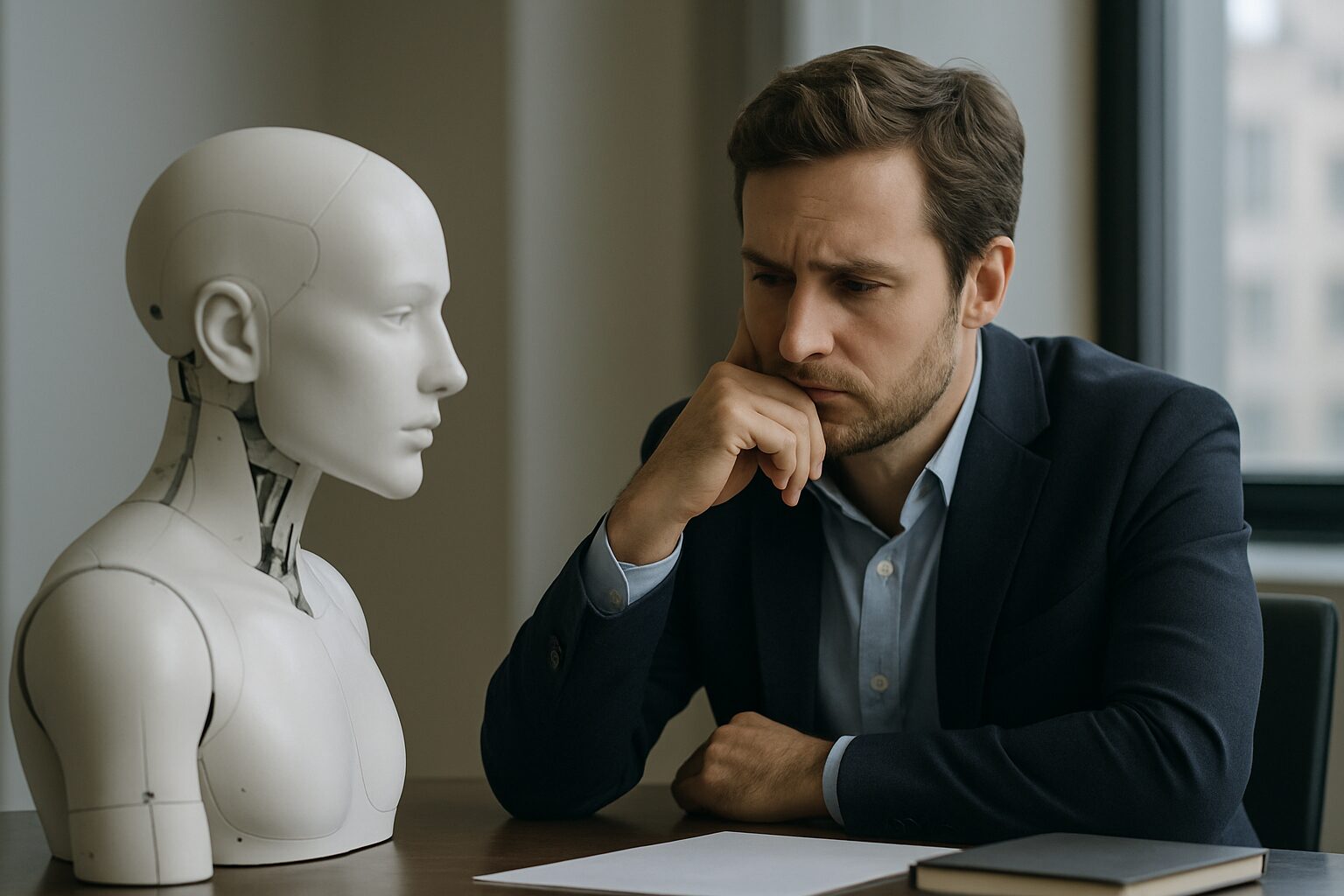
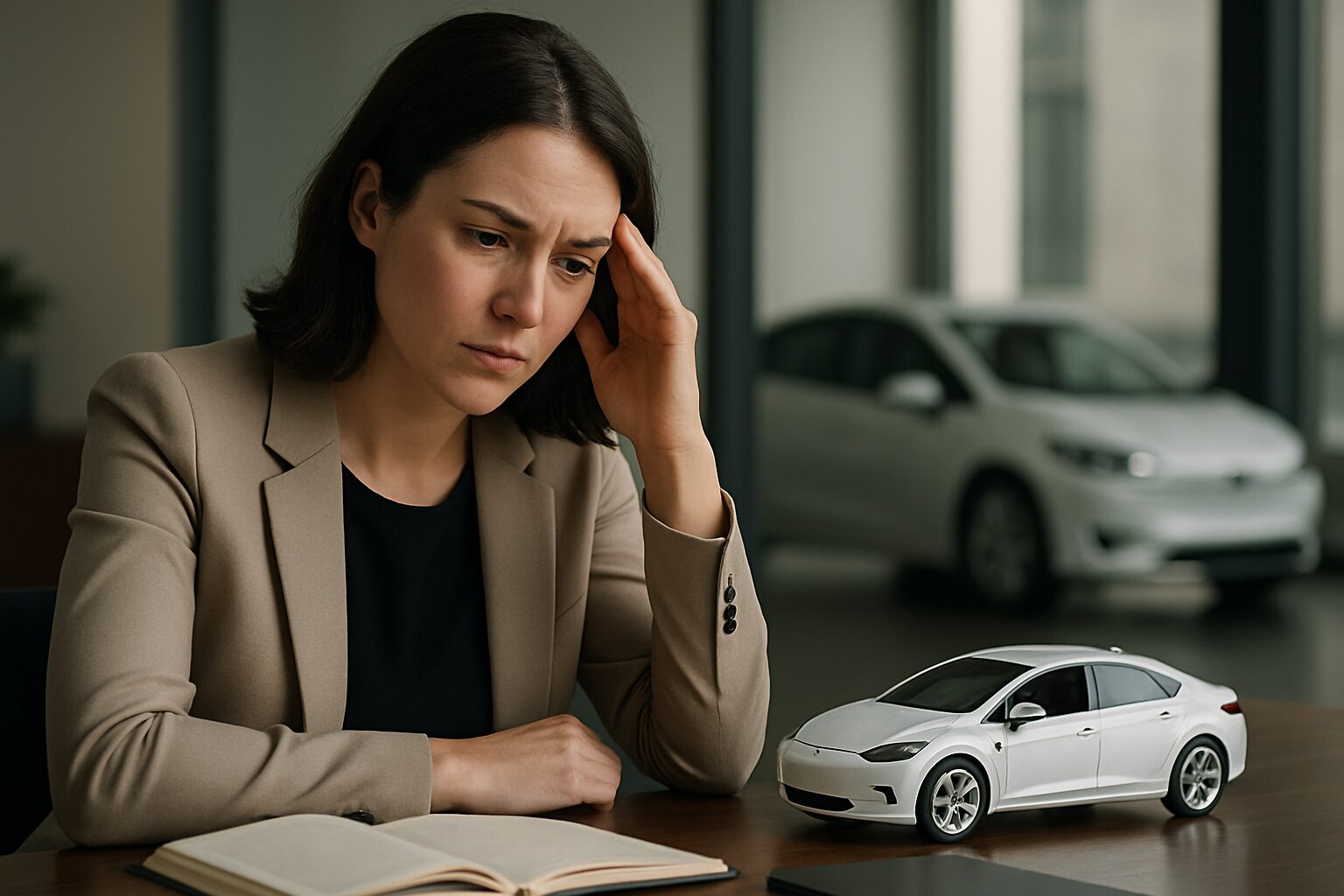
Self-driving cars raise complex questions about liability when accidents occur. Unlike traditional vehicles, where responsibility typically falls on the driver, autonomous systems shift accountability to manufacturers, software developers, or other stakeholders. Determining fault involves examining technical failures, human oversight, and regulatory compliance. This issue sits at the intersection of technology, law, and ethics.
Why It Matters - Real-world impact
The issue of liability in self-driving car accidents has profound real-world implications for public safety, legal systems, and societal trust in autonomous technologies. When accidents occur, victims, manufacturers, insurers, and policymakers are all affected, facing complex questions about accountability and compensation. Without clear liability frameworks, injured parties may struggle to receive justice, while companies could face unpredictable legal exposure, potentially stifling innovation. Regular people should care because autonomous vehicles promise safer roads, but unresolved liability risks may delay adoption or lead to unfair outcomes for drivers, pedestrians, and passengers. The stakes are high—getting this wrong could erode confidence in AI-driven transportation or leave vulnerable individuals without recourse.
Ethical Concerns - What’s wrong or risky?
Liability in Self-Driving Car Accidents: An Ethical Overview
As autonomous vehicles become more common, determining liability in accidents raises significant ethical concerns. These issues go beyond traditional fault models and touch on core principles of justice and responsibility in AI systems.
Fairness in Accident Outcomes
One major ethical risk involves fairness. Self-driving cars must make split-second decisions during potential accidents, often involving trade-offs between the safety of passengers, pedestrians, and other drivers. If these decisions are perceived as favoring certain groups—such as prioritizing younger over older individuals, or passengers over pedestrians—it could lead to public distrust and claims of systemic bias. The algorithms must be designed to distribute risk equitably, but defining what is "fair" in life-and-death scenarios remains deeply contested.
Discrimination Through Data and Design
Another concern is the potential for discrimination. If self-driving AI systems are trained on non-representative data, they might perform less effectively for underrepresented demographics, leading to unequal safety outcomes. For example, if pedestrian detection algorithms are less accurate for people with darker skin tones or certain clothing styles, it could result in disproportionate harm. This raises questions about who is accountable when biased data leads to real-world injuries or fatalities.
Transparency and Accountability Gaps
A lack of transparency in how self-driving cars make decisions complicates liability. When an accident occurs, it can be difficult to determine whether the cause was a sensor failure, a software error, or an unforeseeable scenario. If manufacturers protect their algorithms as trade secrets, victims and regulators may struggle to assess blame fairly. This opacity challenges legal systems built on clear evidence and causation, potentially leaving harmed parties without recourse.
Economic and Social Repercussions
Beyond immediate accident liability, broader ethical issues like economic impact come into play. Widespread adoption of self-driving vehicles could shift financial responsibility from individual drivers to manufacturers or software developers, potentially increasing costs for consumers or concentrating liability in a few corporations. There are also concerns about job loss in driving professions and how that intersects with accident liability—for instance, if an autonomous truck causes an accident, who is responsible when the human "driver" is no longer in control?
Worker Rights in Transition
The transition to autonomy implicates worker rights, particularly for those in transportation sectors. If human operators are expected to supervise self-driving systems, they may be held liable for accidents despite having limited actual control, placing them in ethically precarious positions. This could exploit workers as scapegoats for system failures, undermining their rights and safety.
Differing Viewpoints on Liability
Not everyone agrees on where liability should fall. Some argue that manufacturers should bear full responsibility for accidents, as they design and profit from these systems. Others believe that users or owners must retain some accountability, especially if they misuse the technology or fail to maintain it. There are also calls for no-fault insurance models or government-backed funds to cover accidents, reflecting diverse opinions on how to balance innovation with protection.
Additional Moral Concerns
Other ethical risks include privacy issues (e.g., data collection from vehicles), the moral programming of AI in life-and-death decisions, and the environmental impact of producing and operating autonomous systems. Each of these factors indirectly influences liability frameworks and public trust in the technology.
Solutions - What’s being done or proposed?
Strict Liability Laws for Manufacturers
Some legal experts propose applying strict liability laws to manufacturers of self-driving cars. Under this framework, manufacturers would be held automatically responsible for any accidents caused by their vehicles, regardless of fault. This approach aims to incentivize companies to prioritize safety and ensure rigorous testing before deployment. Critics argue it could stifle innovation, but proponents believe it shifts the burden to those best positioned to prevent harm.
Black Box Data Recorders
Technical solutions like black box data recorders have been suggested to provide clear evidence in the event of an accident. These devices would log vehicle decisions, sensor inputs, and system statuses, helping investigators determine whether the AI, human error, or external factors caused the crash. While useful, challenges remain in standardizing data formats and ensuring privacy protections for users.
Shared Liability Models
A shared liability model distributes responsibility among manufacturers, software developers, human operators (if any), and even infrastructure providers. This approach acknowledges that accidents may result from complex interactions. For example, a manufacturer might be liable for hardware failures, while a city could share blame for poorly maintained roads. Implementing this requires clear legal frameworks to apportion blame fairly.
Mandatory Insurance Pools
Some suggest creating mandatory insurance pools funded by manufacturers and operators of self-driving cars. These pools would compensate victims without requiring lengthy legal battles. Similar to no-fault insurance, this system prioritizes quick payouts but raises questions about how to assess contributions from different stakeholders and prevent moral hazard.
Ethical Decision-Making Algorithms
Technical efforts focus on embedding ethical decision-making algorithms into self-driving systems. For instance, programming cars to minimize harm in unavoidable accidents (e.g., choosing between hitting a pedestrian or risking passenger injury). However, this raises philosophical debates about whose ethics to encode and practical challenges in predicting unpredictable scenarios.
Public Transparency and Oversight Boards
Institutional solutions include forming independent oversight boards to review self-driving car safety data and mandate public transparency. These boards could set safety standards, audit algorithms, and publish incident reports. While promising, effectiveness depends on regulatory authority, funding, and avoiding industry capture that might dilute accountability.
Gradual Deployment with Human Oversight
A social and technical compromise involves gradual deployment where self-driving cars operate only in controlled environments or with human co-pilots initially. This allows real-world testing while limiting risks. Over time, as safety improves, restrictions could ease. Critics argue this slows adoption, but supporters emphasize the need for cautious progress given life-and-death stakes.
Examples and Real Cases
Uber's Self-Driving Car Fatality (2018)
In March 2018, an Uber autonomous test vehicle struck and killed Elaine Herzberg in Tempe, Arizona. The incident raised questions about liability as investigations revealed the safety driver was distracted, and the car's sensors detected Herzberg but failed to stop.
Tesla Autopilot Crash (2016)
In May 2016, Joshua Brown died when his Tesla Model S, operating on Autopilot, collided with a tractor-trailer in Florida. The NHTSA found Tesla's system was not at fault, but critics argued the company's marketing blurred responsibility between human and machine control.
Waymo's Minor Collision (2020)
In February 2020, a Waymo autonomous vehicle was involved in a minor crash in Chandler, Arizona, when a human driver ran a red light. While Waymo was not at fault, the incident highlighted challenges in assigning blame in mixed human-AI traffic environments.
Hypothetical: Autonomous Delivery Vehicle Pedestrian Injury
In a hypothetical scenario, a self-driving delivery van fails to yield to a jaywalking pedestrian, causing injury. The lack of a human driver complicates liability, with potential claims against the manufacturer, software developer, or city infrastructure designers.
Cruise's San Francisco Accidents (2022-2023)
Multiple incidents involving Cruise robotaxis in San Franciscou2014including a 2022 crash with a fire trucku2014led to California regulators suspending its permit in 2023. The cases underscored liability debates when AVs interact with emergency vehicles and unpredictable urban environments.
Frequently Asked Questions
Who is responsible if a self-driving car gets into an accident?
Liability depends on the situationu2014it could be the car manufacturer, software developer, human operator (if present), or even the owner, depending on the level of autonomy and whether human error or a system failure caused the accident.
Why is liability in self-driving car accidents a big concern?
Because self-driving cars blur traditional responsibility lines, making it harder to assign fault. Clear liability rules are needed to protect victims, manufacturers, and insurers while encouraging innovation in autonomous technology.
How do self-driving car accidents differ from regular car accidents legally?
Traditional accidents usually involve driver error, while self-driving accidents may involve software flaws, sensor failures, or manufacturer defects, shifting liability from drivers to companies or technology providers.
Are self-driving car manufacturers always at fault in accidents?
Not always. If the car was misused, improperly maintained, or the human operator overrode the system incorrectly, liability may shift away from the manufacturer.
What can we learn from past self-driving car accidents about liability?
Past cases show that liability is complex and often shared. They highlight the need for better regulations, clearer safety standards, and improved data recording (like black boxes) to determine responsibility accurately.