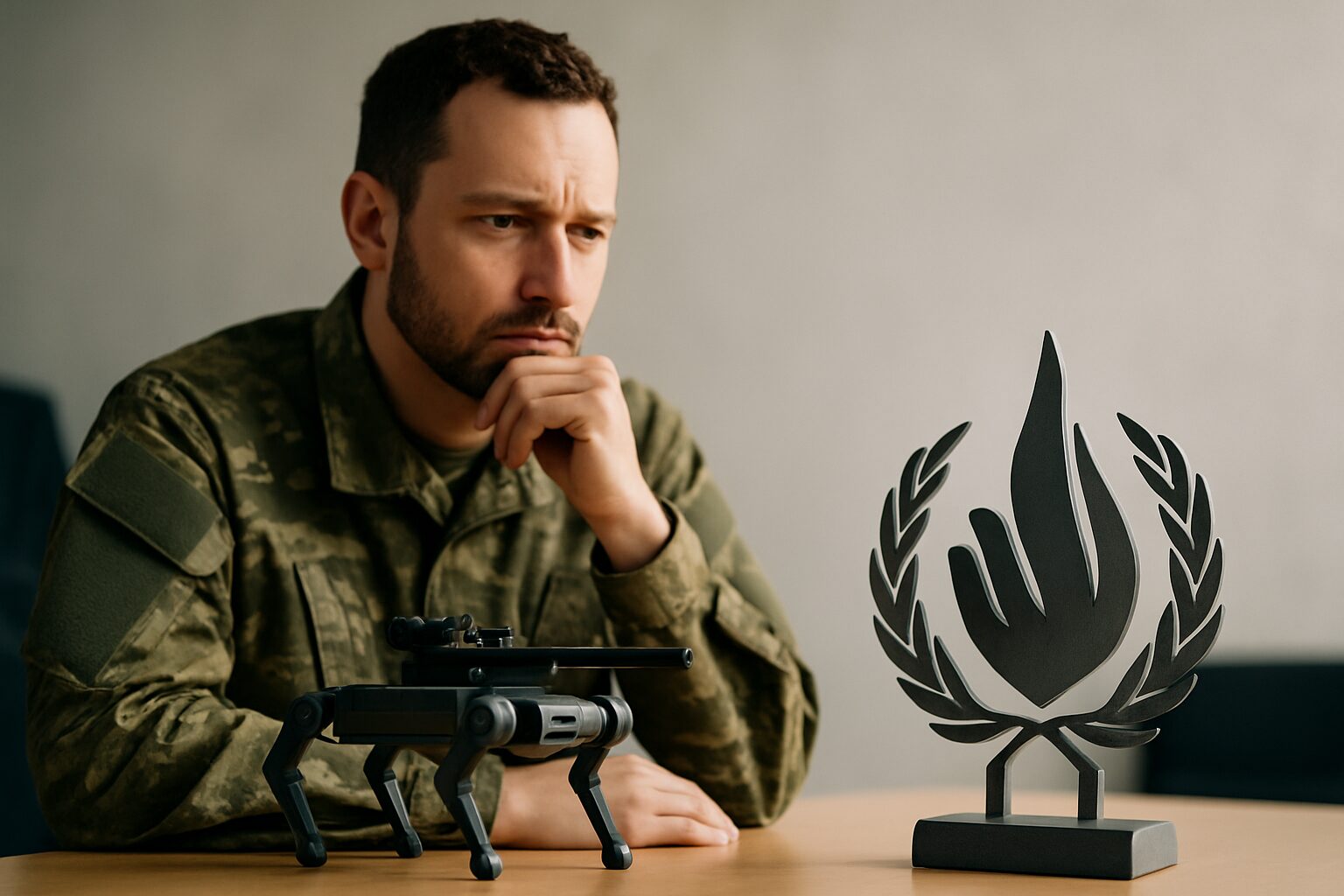
Autonomous Weapons in Warfare: Balancing Innovation and Human Rights
The military use of autonomous weapons—systems capable of selecting and engaging targets without direct human control—raises critical human rights concerns. These technologies challenge long-standing principles of accountability, proportionality, and distinction in armed conflict. The debate centers on whether delegating life-and-death decisions to machines aligns with ethical and legal frameworks designed to protect civilians and combatants alike.
Why It Matters - Real-world impact
The military use of autonomous weapons raises urgent ethical and human rights concerns, with far-reaching consequences for civilians, soldiers, and global stability. These systems, capable of selecting and engaging targets without meaningful human control, risk causing disproportionate harm, escalating conflicts, or malfunctioning with catastrophic outcomes. Vulnerable populations in war zones bear the greatest immediate risk, but the proliferation of such technology threatens international security norms, potentially destabilizing regions and undermining accountability for wartime atrocities. Regular people should care because the normalization of autonomous warfare could desensitize societies to violence, erode moral and legal frameworks, and divert resources from humanitarian needs to an unchecked arms race. The decisions made today will shape the future of warfare and the protection of human dignity for generations.
Ethical Concerns - What’s wrong or risky?
Ethical Risks in Military Autonomous Weapons
The deployment of autonomous weapons systems raises profound ethical questions, particularly regarding their impact on human rights. One major concern is fairness, as these systems may not apply rules of engagement consistently across different scenarios, potentially leading to unjust outcomes in conflict zones.
Discrimination and Bias
Another critical issue is discrimination. If algorithms are trained on biased data, autonomous weapons could disproportionately target certain groups based on ethnicity, location, or behavior, exacerbating existing inequalities and violating international human rights standards.
Lack of Accountability and Transparency
The transparency of decision-making processes in autonomous systems is often limited. This opacity makes it difficult to attribute responsibility for errors or unlawful actions, undermining accountability and the possibility of redress for victims.
Additional Moral Concerns
Beyond these, there are worries about the erosion of human dignity and the potential for an arms race, reducing diplomatic solutions. Some argue that autonomous weapons could make conflicts more efficient and reduce human casualties, while others fear they lower the threshold for war and devalue human life.
Not all perspectives align; proponents highlight potential precision and reduced risk to soldiers, whereas critics emphasize the moral hazards and unpredictable consequences of ceding life-and-death decisions to machines.
Solutions - What’s being done or proposed?
International Legal Frameworks and Treaties
Several organizations and nations have proposed international treaties to regulate or ban autonomous weapons. The Campaign to Stop Killer Robots advocates for a preemptive ban on fully autonomous weapons, similar to treaties prohibiting chemical and biological weapons. The United Nations has held discussions under the Convention on Certain Conventional Weapons (CCW) to address concerns, though consensus on a binding agreement remains elusive. These efforts aim to establish clear legal boundaries and accountability mechanisms for the use of autonomous systems in warfare.
Ethical Design Principles for Autonomous Systems
Technical solutions include embedding ethical principles into the design of autonomous weapons. Researchers suggest implementing 'human-in-the-loop' or 'human-on-the-loop' systems, ensuring human oversight in critical decisions like target identification and engagement. Others propose algorithmic transparency and fail-safes to prevent unintended harm. While these measures can mitigate risks, challenges remain in defining universal ethical standards and ensuring compliance across diverse military applications.
Strengthening Human Rights Impact Assessments
Institutional approaches involve integrating human rights impact assessments (HRIAs) into the development and deployment of autonomous weapons. Governments and militaries could be required to evaluate potential violations of international humanitarian law (IHL) before deploying such systems. This would involve multidisciplinary teams assessing risks to civilians, accountability gaps, and long-term societal consequences. However, enforcement mechanisms and standardized methodologies for HRIAs are still under development.
Public Awareness and Advocacy Campaigns
Civil society groups and activists have launched campaigns to raise public awareness about the dangers of autonomous weapons. By highlighting cases of misuse and potential for mass harm, these efforts pressure policymakers and corporations to adopt stricter regulations. Social media, documentaries, and academic collaborations amplify these messages. While public opinion can influence policy, the effectiveness of advocacy depends on sustained engagement and overcoming geopolitical divides.
National Moratoriums and Unilateral Bans
Some countries have taken unilateral steps to restrict autonomous weapons. For example, Austria and New Zealand have called for bans, while others impose moratoriums on development or deployment. These national measures can set precedents and encourage broader international action. However, without global coordination, such bans may be circumvented or ignored by major military powers, limiting their overall impact.
Multi-Stakeholder Collaboration and Industry Standards
Collaborative initiatives between governments, tech companies, and academia aim to establish industry-wide standards for autonomous weapons. Proposals include certification processes, third-party audits, and shared best practices to ensure compliance with ethical and legal norms. While voluntary standards can foster accountability, their effectiveness hinges on widespread adoption and enforcement by key stakeholders in the defense sector.
Examples and Real Cases
The 2020 Nagorno-Karabakh Conflict
During the 2020 Nagorno-Karabakh conflict, Azerbaijan deployed Israeli-made Harop loitering munitions, which are autonomous drones capable of selecting and attacking targets without human intervention. Reports indicated these weapons were used against Armenian military positions, raising concerns about accountability for civilian casualties.
The UN Report on Libya (2021)
A 2021 UN report documented the use of Turkish-made STM Kargu-2 autonomous drones by Libyan forces. These drones allegedly hunted down retreating soldiers autonomously, marking one of the first recorded cases of AI-driven weapons attacking humans without explicit human command.
US Navy's Sea Hunter (Hypothetical Scenario)
The US Navy's Sea Hunter, an autonomous anti-submarine warfare vessel, could hypothetically be armed in future conflicts. If deployed without human oversight, it might mistakenly target civilian ships, posing significant risks to human rights and maritime law compliance.
Russian Marker UGV in Ukraine (2023)
In 2023, Russia reportedly tested its Marker unmanned ground vehicle (UGV) in Ukraine, an autonomous system designed for combat roles. While details are scarce, its potential use raises ethical questions about autonomous decision-making in life-and-death scenarios.
The 2018 UN Convention on Certain Conventional Weapons Debate
During the 2018 UN CCW meetings, nations debated lethal autonomous weapons systems (LAWS), with countries like Austria calling for a preemptive ban. The lack of consensus highlighted global divisions on balancing military innovation with human rights protections.
Frequently Asked Questions
What are autonomous weapons in the military?
Autonomous weapons are military systems that can identify, target, and engage threats without direct human control. They use AI and sensors to make decisions, raising concerns about accountability and human rights.
Why is the military use of autonomous weapons controversial?
It's controversial because machines making life-or-death decisions may violate human rights, lack empathy, and create accountability gaps if errors or civilian harm occurs without clear responsibility.
How do autonomous weapons impact human rights?
They risk violating rights like life and dignity if used indiscriminately. Without human judgment, they may fail to distinguish combatants from civilians or assess proportionality in attacks.
Are there laws regulating military autonomous weapons?
Currently, no specific global bans exist, but international humanitarian law (like the Geneva Conventions) applies. Many activists and governments are pushing for new treaties to restrict or ban them.
What are the arguments for using autonomous weapons?
Proponents argue they can reduce soldier casualties, react faster than humans in combat, and perform repetitive tasks (like surveillance). Critics warn the risks outweigh these benefits.