AI Blunders: Who Takes the Fall and Why It Matters
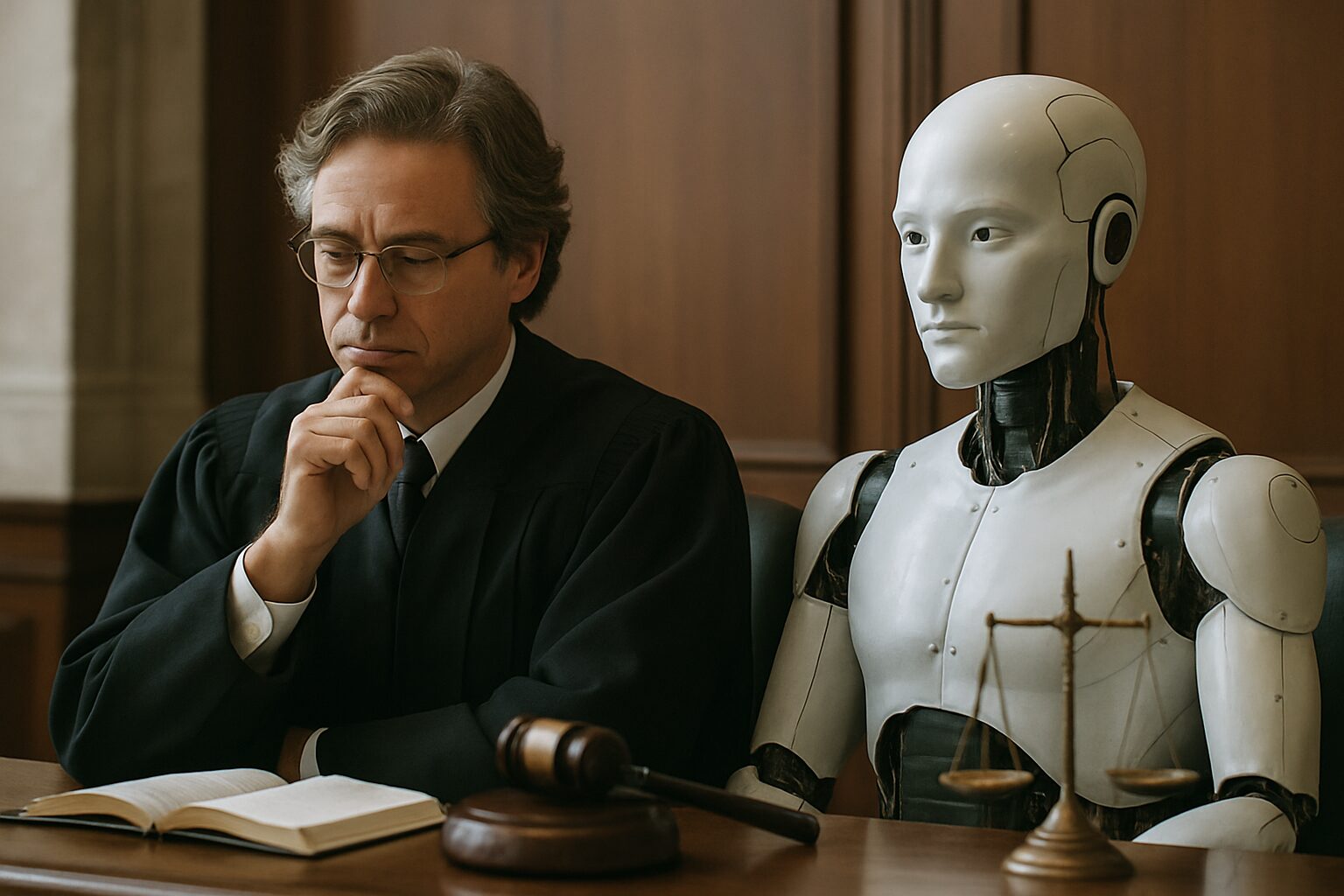
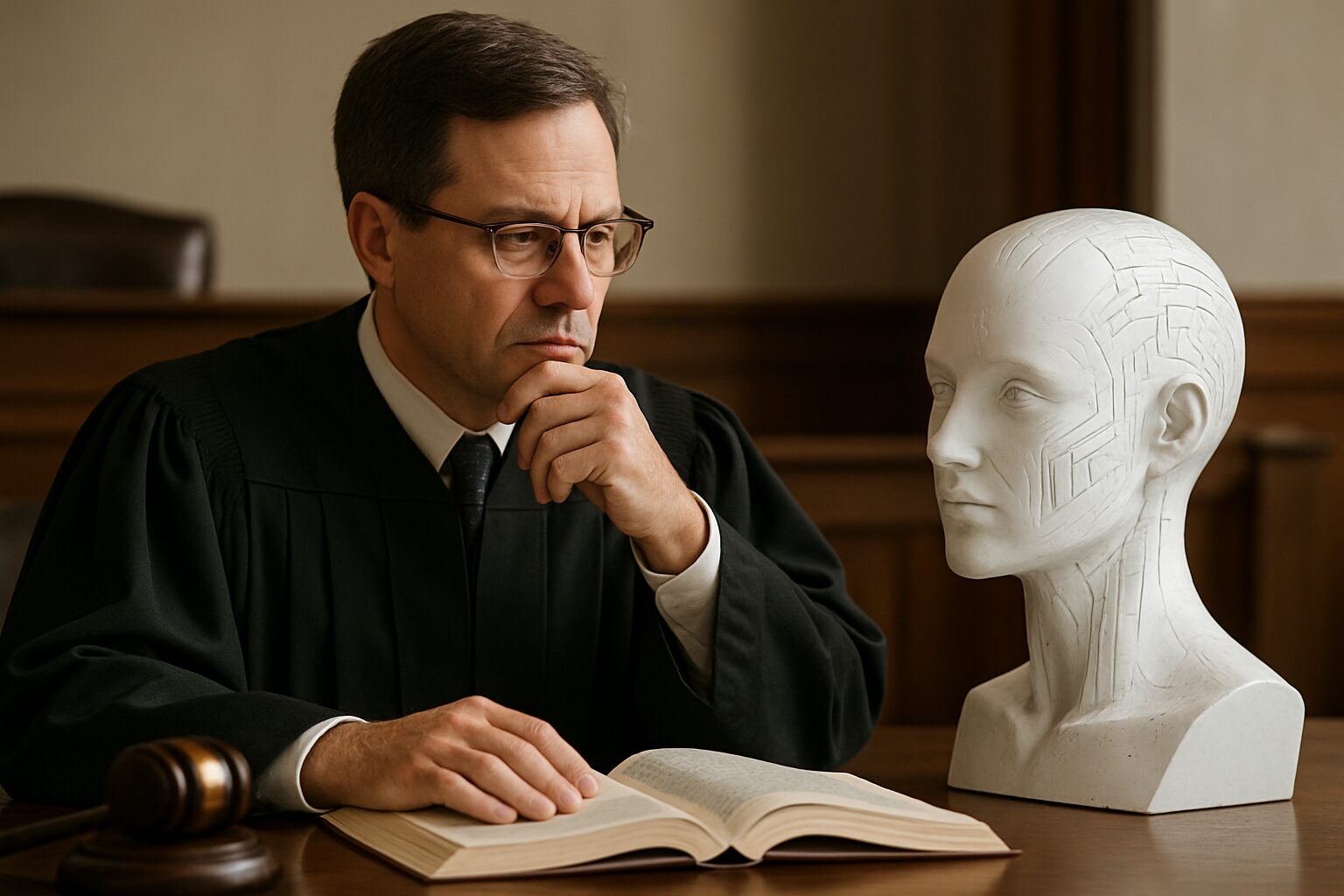
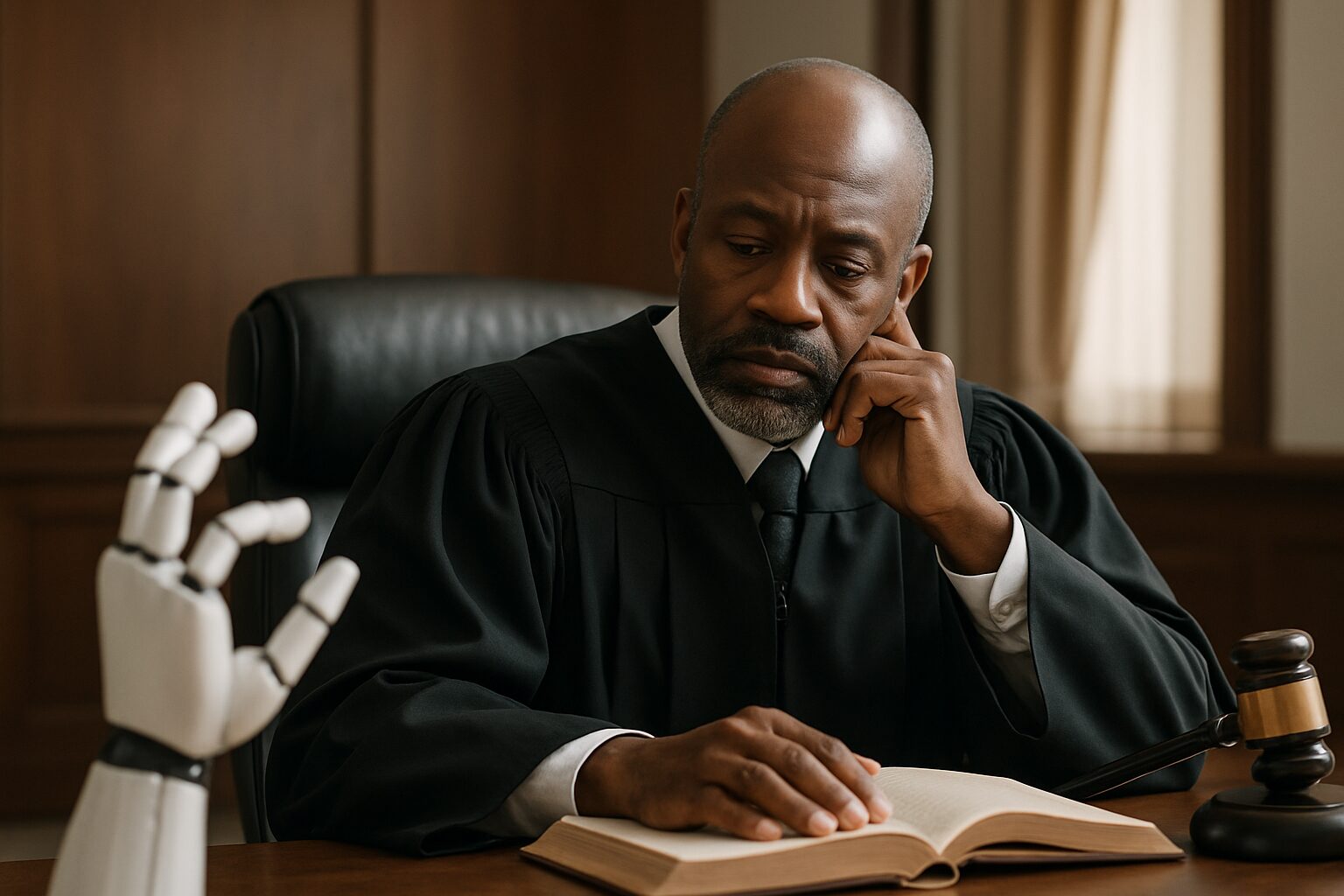
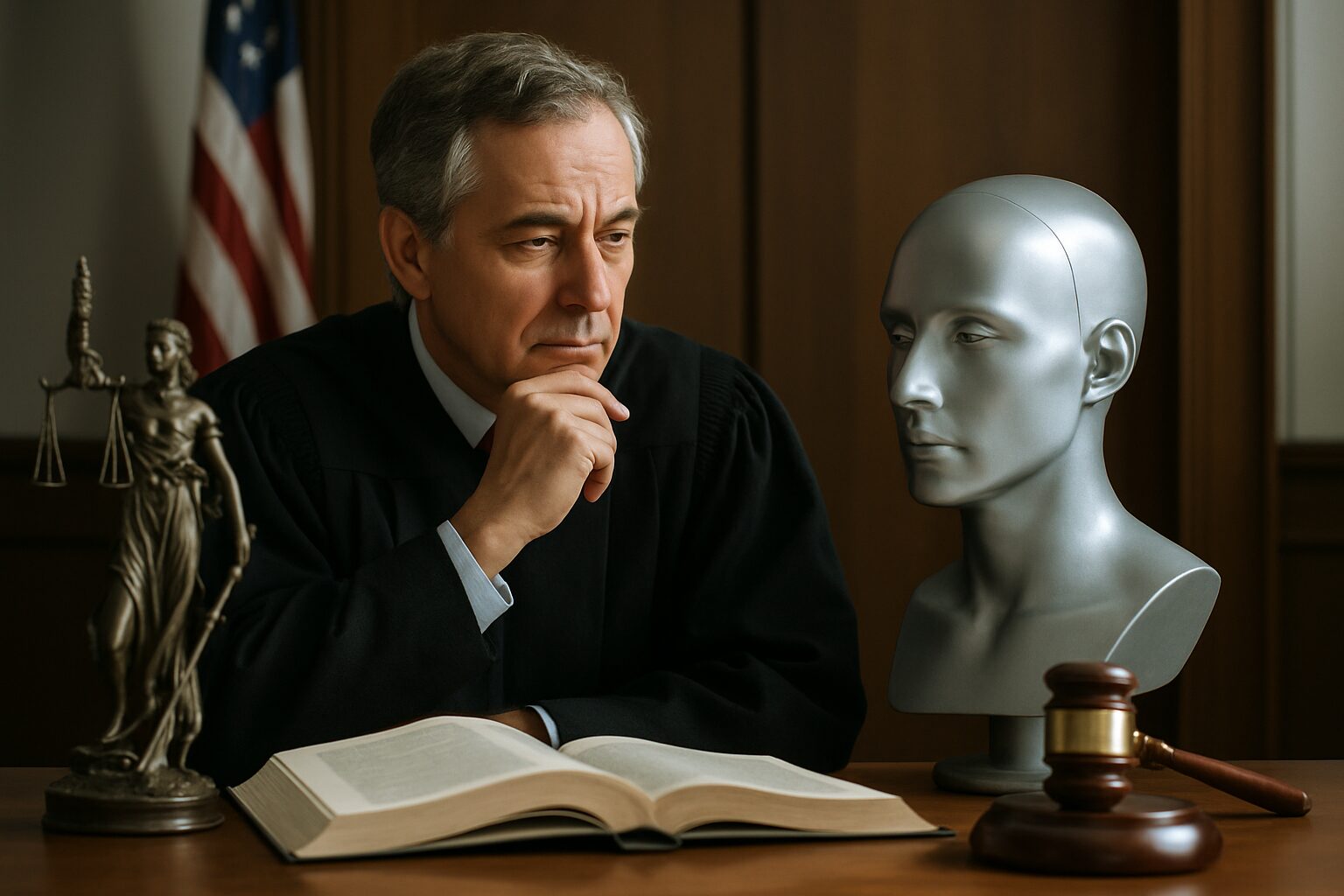
As artificial intelligence systems become more autonomous, determining responsibility for their mistakes raises complex ethical questions. When an AI causes harm or makes an error, accountability can be unclear—whether it lies with developers, users, organizations deploying the system, or the technology itself. This issue challenges traditional frameworks of liability and control, requiring careful consideration of how responsibility should be assigned in human-AI interactions.
Why It Matters - Real-world impact
The question of responsibility for AI mistakes has profound real-world implications, affecting individuals, businesses, and society at large. When AI systems err—whether in healthcare diagnostics, financial decisions, or autonomous vehicles—the consequences can range from financial loss to physical harm or even loss of life. Vulnerable populations, such as marginalized communities or those with limited access to legal recourse, are often disproportionately impacted. Regular people should care because these technologies increasingly mediate critical aspects of daily life, from job applications to loan approvals, often without transparency or accountability. Without clear responsibility frameworks, trust in AI erodes, stifling innovation while leaving victims without redress.
Ethical Concerns - What’s wrong or risky?
Who Is Responsible for AI Mistakes? Implications
When AI systems make mistakes, the question of responsibility becomes ethically complex. The risks span multiple dimensions, including fairness, where biased outcomes may harm certain groups, and discrimination, where algorithms perpetuate or amplify societal biases. Lack of transparency in decision-making processes can obscure accountability, making it difficult to assign blame or correct errors.
Other ethical concerns include the economic impact of AI errors, such as financial losses or market disruptions, and job loss due to automation failures or misallocations. Additionally, worker rights may be compromised if employees are held accountable for AI decisions beyond their control.
Points of View
Some argue that developers and companies bear primary responsibility for designing and testing AI systems thoroughly. Others believe regulators or users should share accountability, especially in high-stakes domains like healthcare or justice. There is also debate over whether AI itself could ever be considered a moral agent, though this remains a minority view.
Ethical risks like privacy violations, safety issues, and loss of human autonomy further complicate the landscape, underscoring the need for clear frameworks and multidisciplinary dialogue.
Solutions - What’s being done or proposed?
Implementing Clear Legal Frameworks
Governments and regulatory bodies have proposed establishing clear legal frameworks to assign liability for AI mistakes. These frameworks often categorize AI systems based on risk levels and define accountability for developers, deployers, and users. For example, the EU's AI Act introduces strict obligations for high-risk AI applications, ensuring that responsibility is clearly outlined in cases of harm or errors.
Developing Explainable AI (XAI)
Technical solutions like Explainable AI (XAI) aim to make AI decision-making processes transparent and interpretable. By designing models that provide clear reasoning for their outputs, stakeholders can better identify and correct mistakes. This approach helps developers, regulators, and end-users understand how errors occur and who might be responsible for addressing them.
Creating AI Ethics Boards
Institutions and companies have formed AI ethics boards to oversee the development and deployment of AI systems. These boards evaluate potential risks, ensure compliance with ethical guidelines, and recommend corrective actions when mistakes happen. While not legally binding, they provide a social and institutional mechanism to promote accountability and responsible AI use.
Adopting Insurance and Liability Models
Some industries have explored insurance and liability models tailored to AI systems. These models distribute financial responsibility among developers, manufacturers, and users, similar to product liability in other sectors. Insurers assess the risks associated with AI applications and provide coverage, creating a financial incentive for stakeholders to minimize errors.
Encouraging Industry Standards and Certification
Industry groups and standardization bodies have advocated for AI certification programs that ensure systems meet safety and ethical benchmarks. By adhering to recognized standards, developers can demonstrate due diligence, reducing the likelihood of mistakes. Certification also helps users identify trustworthy AI systems and holds providers accountable for failures.
Promoting Public Awareness and Education
Educational initiatives aim to increase public understanding of AI capabilities and limitations. By fostering awareness, users can make informed decisions and recognize potential risks. This social solution empowers individuals to demand accountability and encourages responsible AI adoption across society.
Examples and Real Cases
Tesla Autopilot Fatal Crash (2016)
In May 2016, Joshua Brown died when his Tesla Model S, operating on Autopilot, crashed into a tractor-trailer. The NHTSA investigation found Tesla's system lacked safeguards, but Tesla argued drivers must remain attentive.
Microsoft's Tay Chatbot (2016)
Microsoft's AI chatbot Tay was released on Twitter in March 2016 but had to be shut down within 24 hours after it began posting offensive tweets. Microsoft took responsibility, stating they hadn't properly anticipated malicious user inputs.
Amazon's Biased Hiring Algorithm (2018)
In 2018, Reuters reported Amazon scrapped an AI recruiting tool that showed bias against women. The system had learned from male-dominated resumes, highlighting how training data can lead to discriminatory outcomes.
Uber's Self-Driving Fatality (2018)
In March 2018, Elaine Herzberg was killed by an Uber autonomous vehicle in Arizona. The NTSB found Uber disabled the emergency braking system, and the safety driver was distracted, raising questions about corporate vs. human responsibility.
Hypothetical: AI-Powered Medical Misdiagnosis
If an AI diagnostic tool incorrectly identifies a benign tumor as malignant, leading to unnecessary surgery, responsibility could fall on the hospital using the system, the AI developers, or both, depending on transparency and validation processes.
Frequently Asked Questions
Who is responsible when an AI makes a mistake?
Responsibility for AI mistakes can fall on different parties, including developers, companies deploying the AI, or even users, depending on the situation. Legal frameworks are still evolving to clarify accountability.
Why is it important to determine responsibility for AI errors?
Determining responsibility is crucial to ensure accountability, improve AI safety, and protect users from harm. It also helps build trust in AI systems by clarifying who is liable for mistakes.
Can AI itself be held responsible for its mistakes?
No, AI lacks legal personhood and cannot be held responsible. Instead, the humans or organizations behind its development, deployment, or use are accountable for its actions.
How do companies prevent AI mistakes from happening?
Companies use methods like rigorous testing, ethical guidelines, transparency, and human oversight to minimize AI errors. Continuous monitoring and updates also help improve accuracy.
What can we learn from past AI mistakes?
Past mistakes highlight the need for better design, regulation, and oversight. They teach us to prioritize fairness, transparency, and accountability in AI development to avoid future issues.