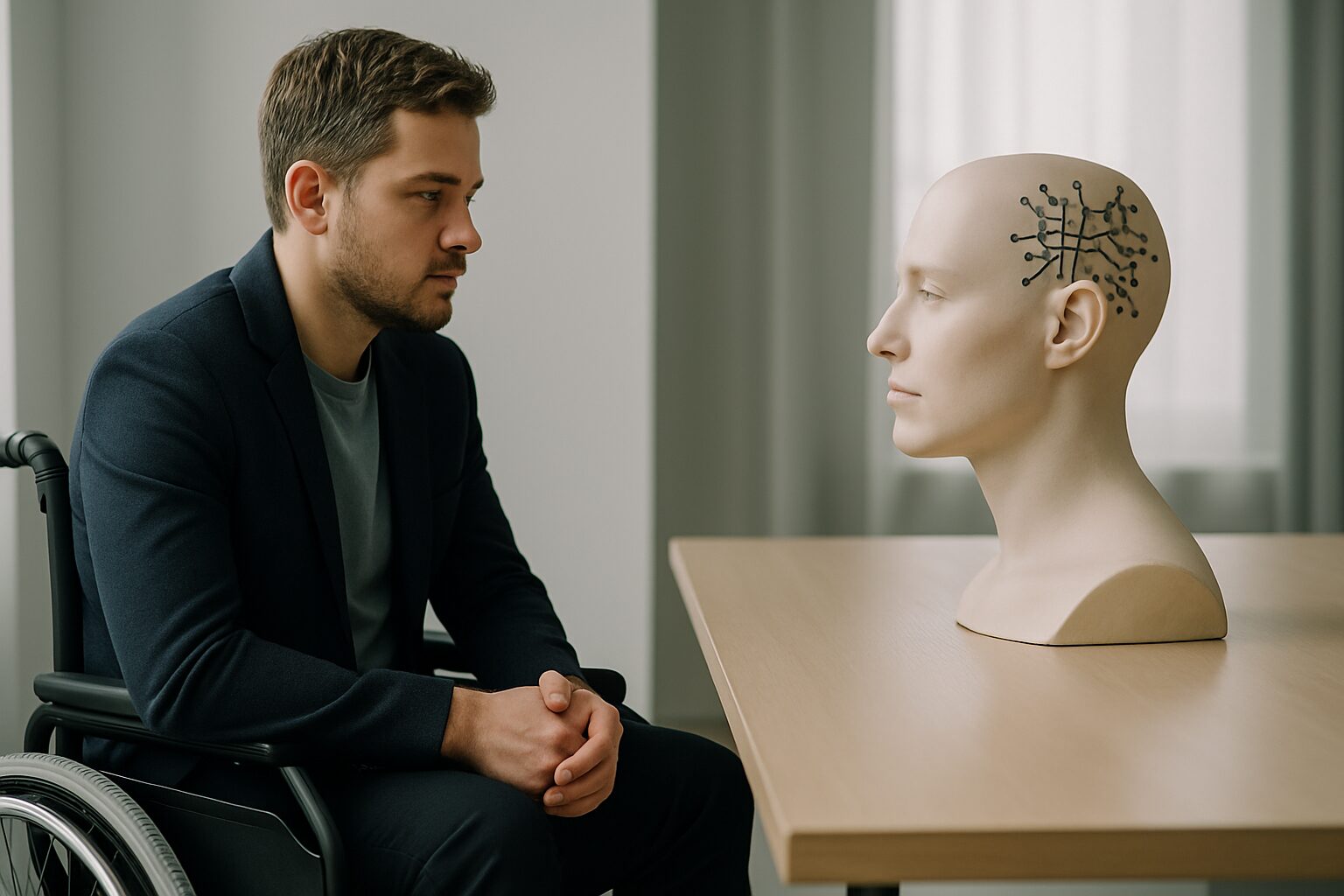
Emotion AI and Human Rights: Balancing Technology and Privacy
Emotion recognition AI analyzes facial expressions, voice tones, or physiological signals to infer human emotions. This technology raises ethical concerns, particularly around bias and fairness, as inaccuracies or cultural differences in interpretation may lead to discrimination. Human rights implications emerge when such systems are used in surveillance, hiring, or law enforcement without transparency or consent.
Why It Matters - Real-world impact
Emotion recognition AI has far-reaching implications for real-life scenarios, affecting individuals across workplaces, schools, law enforcement, and public services. If biased or inaccurate, these systems can misjudge emotions—particularly among marginalized groups—leading to unfair hiring decisions, wrongful surveillance, or discriminatory policing. Vulnerable populations, such as people with disabilities or different cultural expressions, face heightened risks of being misunderstood or penalized by flawed algorithms. Regular people should care because these technologies influence critical aspects of life, from job opportunities to personal privacy, often without transparency or consent. Without ethical safeguards, emotion AI risks entrenching systemic biases and eroding fundamental human rights.
Ethical Concerns - What’s wrong or risky?
Ethical Risks of Emotion Recognition AI
Emotion recognition AI poses significant ethical risks, particularly concerning fairness. These systems often rely on biased datasets, leading to inaccurate interpretations of emotions across diverse demographics. For example, cultural differences in expressing emotions may be overlooked, resulting in unfair outcomes for certain groups.
Discrimination and Its Implications
Another major concern is discrimination. Emotion recognition AI can perpetuate and amplify existing societal biases, such as racial or gender stereotypes. If used in hiring or law enforcement, it could unjustly disadvantage individuals based on flawed emotional assessments.
Transparency and Accountability
Lack of transparency in how these AI systems operate makes it difficult to challenge or understand their decisions. This opacity can erode trust and accountability, especially when emotions are misclassified with serious consequences, such as in healthcare or security contexts.
Economic and Employment Concerns
There are also worries about economic impact and potential job loss, as automation of emotional labor could displace human roles in customer service or therapy. Additionally, the use of such technology might infringe on worker rights, such as privacy and dignity, if employees are constantly monitored.
Differing Perspectives
Not everyone agrees on the severity of these risks. Some argue that emotion recognition AI can enhance human interactions and efficiency, provided it is developed and regulated carefully. Others believe the technology is inherently flawed and should be restricted or banned to protect fundamental human rights.
Solutions - What’s being done or proposed?
Implementing Strict Legal Regulations
Governments and international bodies have proposed strict legal frameworks to regulate the use of emotion recognition AI. These regulations aim to ensure transparency, accountability, and consent. For example, the European Union's AI Act classifies emotion recognition as high-risk, requiring rigorous assessments and compliance with human rights standards. Legal measures also include bans on certain uses, such as in law enforcement or hiring, to prevent misuse and discrimination.
Developing Bias-Mitigation Techniques
Researchers and developers are working on technical solutions to reduce bias in emotion recognition AI. This includes diversifying training datasets to represent a wide range of demographics, cultures, and expressions. Techniques like adversarial debiasing and fairness-aware algorithms are being tested to ensure the AI does not favor or discriminate against specific groups. Continuous auditing and updating of models are also recommended to maintain fairness over time.
Promoting Public Awareness and Education
Advocacy groups and organizations are pushing for public education campaigns to inform people about the capabilities and risks of emotion recognition AI. By raising awareness, individuals can make informed decisions about consent and usage. Workshops, online resources, and community discussions help demystify the technology and empower users to demand ethical practices from companies and governments.
Establishing Ethical Review Boards
Institutions and companies are forming independent ethical review boards to oversee the deployment of emotion recognition AI. These boards evaluate the potential societal impact, ethical implications, and human rights concerns before approving projects. Composed of multidisciplinary experts, including ethicists, technologists, and community representatives, they ensure diverse perspectives are considered in decision-making processes.
Encouraging Industry Self-Regulation
Some tech companies have adopted voluntary guidelines and codes of conduct to govern their use of emotion recognition AI. These self-regulatory measures include transparency reports, third-party audits, and commitments to avoid harmful applications. While not legally binding, these initiatives aim to build trust and demonstrate corporate responsibility, though critics argue they may lack enforcement mechanisms.
Creating Alternative, Non-Invasive Technologies
Innovators are exploring less intrusive alternatives to emotion recognition AI, such as context-aware systems that rely on situational data rather than facial or vocal analysis. These technologies aim to infer emotions indirectly, reducing privacy concerns and the risk of misclassification. For example, systems that analyze user behavior patterns in specific environments may offer a more ethical approach to understanding emotional states.
Examples and Real Cases
HireVue's AI-Powered Emotion Recognition in Hiring (2019)
In 2019, HireVue used AI to analyze facial expressions, tone of voice, and speech patterns in job interviews. Critics argued this could discriminate against neurodiverse candidates or those from different cultural backgrounds who express emotions differently.
China's Emotion Recognition in Xinjiang (Ongoing)
Chinese authorities have deployed emotion recognition AI in Xinjiang to monitor Uyghur Muslims' facial expressions for 'suspicious' emotions. Human rights groups condemn this as a tool for mass surveillance and oppression of minority groups.
Facebook's Emotion Manipulation Study (2014)
Facebook conducted a 2014 experiment manipulating news feed content to study emotional contagion without explicit consent. This raised ethical concerns about AI systems exploiting emotional data to influence user behavior.
Hypothetical: Emotion-Based Insurance Pricing
A health insurer could hypothetically use emotion recognition AI to assess risk based on perceived stress levels. This might unfairly penalize people prone to visible anxiety despite being healthy, creating a new form of algorithmic discrimination.
Affectiva's Automotive AI (2021)
Affectiva's AI detects driver emotions like anger or drowsiness for automotive safety systems. While beneficial, such technology could enable invasive monitoring if repurposed by employers or insurers without proper safeguards.
Frequently Asked Questions
What is emotion recognition AI and how does it work?
Emotion recognition AI is a technology that uses algorithms to analyze facial expressions, voice tones, or body language to identify human emotions. It works by training on large datasets of labeled emotional expressions, but it can sometimes misinterpret emotions due to cultural or individual differences.
Why is bias a problem in emotion recognition AI?
Bias in emotion recognition AI occurs when the technology performs poorly for certain groups, like people of different races, genders, or cultures, because the training data wasn't diverse enough. This can lead to unfair treatment or discrimination in applications like hiring or law enforcement.
How does emotion recognition AI affect human rights?
Emotion recognition AI can impact human rights by invading privacy, enabling mass surveillance, or making biased decisions that affect people's opportunities. If used unfairly, it may violate rights like freedom of expression or equal treatment under the law.
Can emotion recognition AI be fair and unbiased?
Achieving fairness is challenging but possible. Developers must use diverse training data, test for biases, and involve ethicists in design. Transparency and regulations can also help ensure the technology respects human rights and minimizes harm.
Where is emotion recognition AI used today?
It's used in areas like customer service (to gauge satisfaction), education (to monitor student engagement), and security (for surveillance). However, its use raises ethical concerns, especially when deployed without consent or in ways that reinforce stereotypes.