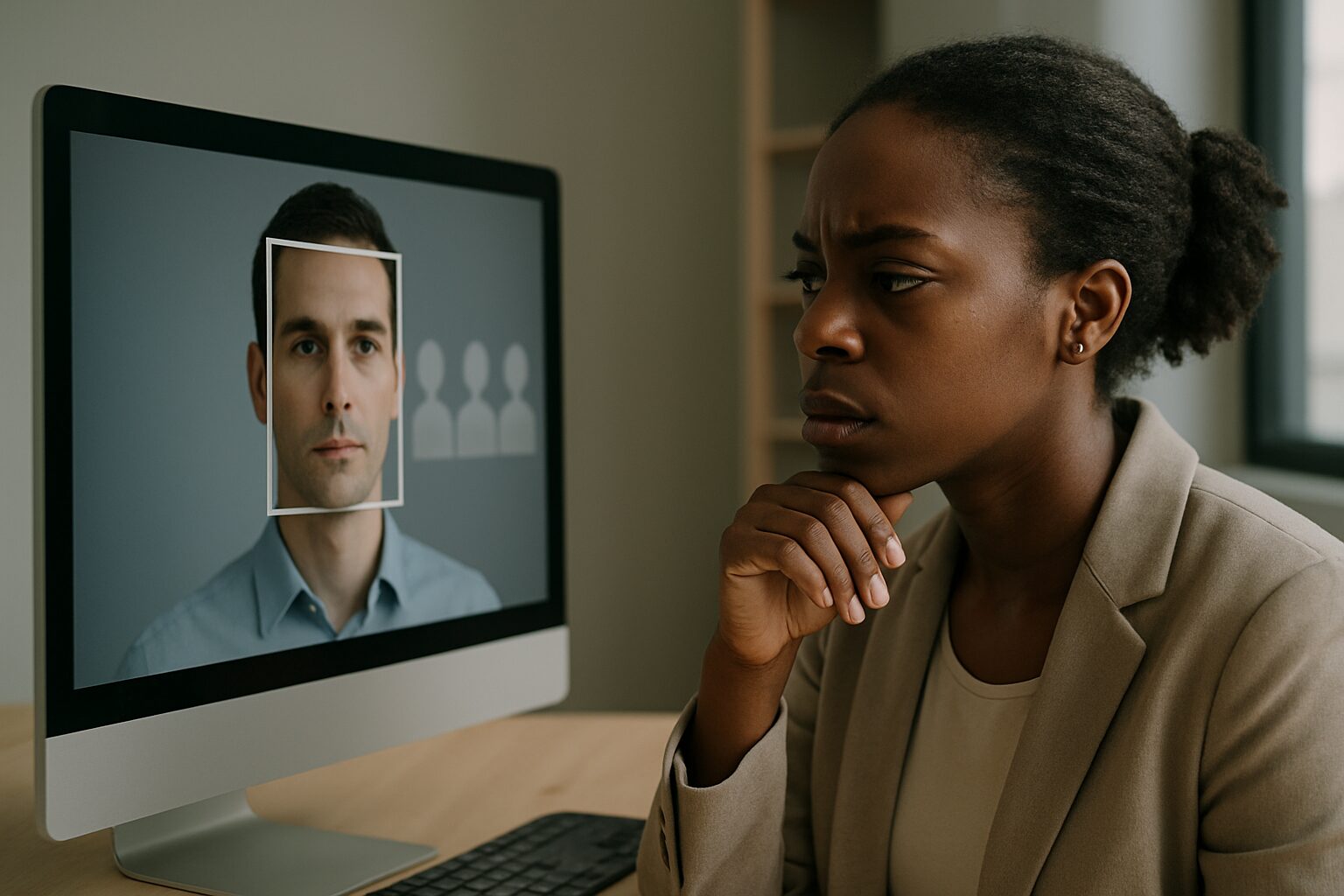
Bias in AI Hiring: How Algorithms Undermine Minority Rights and Equality
AI hiring tools are increasingly used to screen job applicants, but they can unintentionally discriminate against minority groups. These systems may replicate or amplify existing biases in training data, leading to unfair outcomes in employment opportunities. When biased algorithms disadvantage certain demographics, it raises concerns about equal treatment and human rights in automated decision-making.
Why It Matters - Real-world impact
The unfair treatment of minorities in AI hiring tools has real-world consequences, perpetuating systemic discrimination and limiting economic opportunities for marginalized groups. When biased algorithms favor certain demographics, qualified candidates from underrepresented backgrounds are overlooked, reinforcing inequality in the workforce. This not only harms individuals who are denied fair consideration but also deprives organizations of diverse talent, stifling innovation and growth. For regular people, this issue matters because unchecked AI bias can deepen societal divides, making it harder to achieve equitable workplaces. Left unaddressed, such tools risk normalizing discrimination under the guise of technological progress, undermining fundamental human rights to equality and fair employment.
Ethical Concerns - What’s wrong or risky?
Unfair Treatment of Minorities in AI Hiring Tools
AI hiring tools, designed to streamline recruitment, often perpetuate and even amplify biases against minority groups, raising serious ethical concerns. These systems may rely on historical data that reflects past discriminatory practices, leading to unfair outcomes for candidates based on race, gender, or other protected characteristics.
Ethical Risks
One of the primary risks is fairness, as these tools may systematically disadvantage qualified minority applicants. This ties directly into issues of discrimination, where algorithms reinforce societal inequalities rather than mitigating them.
Lack of transparency in how these AI systems make decisions compounds the problem, making it difficult for applicants to understand or challenge biased outcomes. This opacity can erode trust and accountability in the hiring process.
Additionally, the deployment of such tools may contribute to broader economic impact by limiting job opportunities for marginalized communities, exacerbating wealth gaps. There are also concerns about job loss if biased tools replace human judgment entirely in some contexts, though some argue automation could reduce human bias if properly designed.
From another perspective, proponents of AI hiring tools argue that they can standardize evaluations and reduce subjective human bias. However, without rigorous oversight, these systems risk violating worker rights to equal opportunity and fair treatment.
Other moral concerns include privacy violations and the dehumanization of candidates, as algorithms reduce complex human qualities to simplistic data points. Not all stakeholders agree on the severity of these risks; some believe that with improved data and auditing, AI can achieve greater fairness than human-led processes.
Solutions - What’s being done or proposed?
Implementing Bias Audits for AI Hiring Tools
Organizations and researchers have proposed conducting regular bias audits on AI hiring tools to identify and mitigate discriminatory patterns. These audits involve testing the tools with diverse datasets to ensure they do not disproportionately favor or disadvantage minority groups. Companies like IBM and Microsoft have developed frameworks for such audits, which can be adopted industry-wide to promote fairness.
Diverse Training Data and Representation
One technical solution is to ensure that the training data used for AI hiring tools is diverse and representative of all demographic groups. This includes collecting data from a wide range of candidates, including minorities, and continuously updating the datasets to reflect changing demographics. By doing so, the AI systems are less likely to develop biased algorithms that perpetuate existing inequalities.
Legal Frameworks and Regulations
Governments and regulatory bodies have begun drafting laws and guidelines to address bias in AI hiring tools. For example, the EU's proposed AI Act includes provisions to ensure transparency and accountability in AI systems used for employment. Such legal frameworks mandate that companies disclose how their AI tools make decisions and provide avenues for redress if discrimination occurs.
Human Oversight and Hybrid Systems
To counteract the limitations of fully automated systems, some suggest incorporating human oversight into AI hiring processes. Hybrid systems, where AI tools assist human recruiters rather than replace them, can help identify and correct biases. This approach leverages the strengths of both AI and human judgment to create a more equitable hiring process.
Education and Awareness Campaigns
Raising awareness about the potential for bias in AI hiring tools is another key solution. Educational initiatives aimed at both employers and job seekers can help people understand how these tools work and their limitations. Workshops, seminars, and public campaigns can empower stakeholders to demand fairer systems and hold companies accountable for discriminatory practices.
Incentivizing Ethical AI Development
Some advocates propose financial or reputational incentives for companies that develop and use ethical AI hiring tools. This could include certifications, awards, or tax benefits for organizations that demonstrate a commitment to fairness. By rewarding ethical behavior, the market can be encouraged to prioritize unbiased AI solutions.
Community Involvement in AI Design
Engaging minority communities in the design and testing phases of AI hiring tools can help ensure their needs and perspectives are considered. Participatory design approaches, where affected groups have a say in how the tools are developed, can lead to more inclusive and fair systems. This solution emphasizes the importance of collaboration between technologists and the communities they serve.
Examples and Real Cases
Amazon's AI Recruiting Tool (2018)
In 2018, Reuters reported that Amazon scrapped an AI recruiting tool that showed bias against women. The system penalized resumes that included the word 'womenu2019s' (like 'womenu2019s chess club captain') and downgraded graduates from two all-womenu2019s colleges.
HireVue's Facial Analysis (2019)
In 2019, HireVueu2019s AI-powered hiring tool used facial recognition to assess candidatesu2019 suitability for jobs. Critics argued it disadvantaged people with disabilities, non-native English speakers, and those from minority backgrounds who might express emotions differently.
Facebook Ad Delivery Algorithm (2019)
A 2019 study by the U.S. Department of Housing and Urban Development found Facebooku2019s ad delivery system showed job ads disproportionately to white users, even when employers targeted diverse audiences. This algorithmic bias reinforced existing inequalities in hiring.
Hypothetical: AI Resume Screening in Healthcare (2023)
A hospital uses an AI tool to screen nursing applicants but fails to account for non-Western names or credentials from minority-serving institutions. Qualified candidates from underrepresented backgrounds are systematically filtered out before human review.
UK Police Facial Recognition (2020)
In 2020, the UKu2019s Equality and Human Rights Commission warned that police use of facial recognition for hiring or vetting could disproportionately exclude ethnic minorities due to higher error rates in identifying darker-skinned faces.
Frequently Asked Questions
What is unfair treatment of minorities in AI hiring tools?
Unfair treatment of minorities in AI hiring tools refers to when artificial intelligence systems used in recruitment show bias against certain racial, ethnic, or other minority groups. This can happen if the AI is trained on biased historical hiring data or lacks diverse representation in its development.
Why is bias in AI hiring tools a human rights issue?
Bias in AI hiring tools is a human rights issue because it can lead to discrimination in employment opportunities based on race, gender, or other protected characteristics. Everyone has the right to equal opportunity and fair treatment in the workplace under international human rights laws.
How can AI hiring tools be unfair to minorities?
AI hiring tools can be unfair to minorities by favoring candidates who resemble past successful applicants (who may have been predominantly from majority groups), using biased language in job descriptions, or unfairly screening out resumes with names or experiences associated with minority groups.
What are real-world examples of biased AI in hiring?
One famous example is when an Amazon recruiting tool showed bias against women because it was trained on resumes submitted over 10 years (mostly from men). Another example is facial recognition software used in interviews that works less accurately for people with darker skin tones.
What can companies do to make AI hiring tools fairer?
Companies can make AI hiring tools fairer by using diverse training data, regularly testing for bias, including diverse teams in development, being transparent about how the AI works, and combining AI decisions with human oversight to catch potential discrimination.