How Algorithmic News Feeds Fuel Polarization and Filter Bubbles
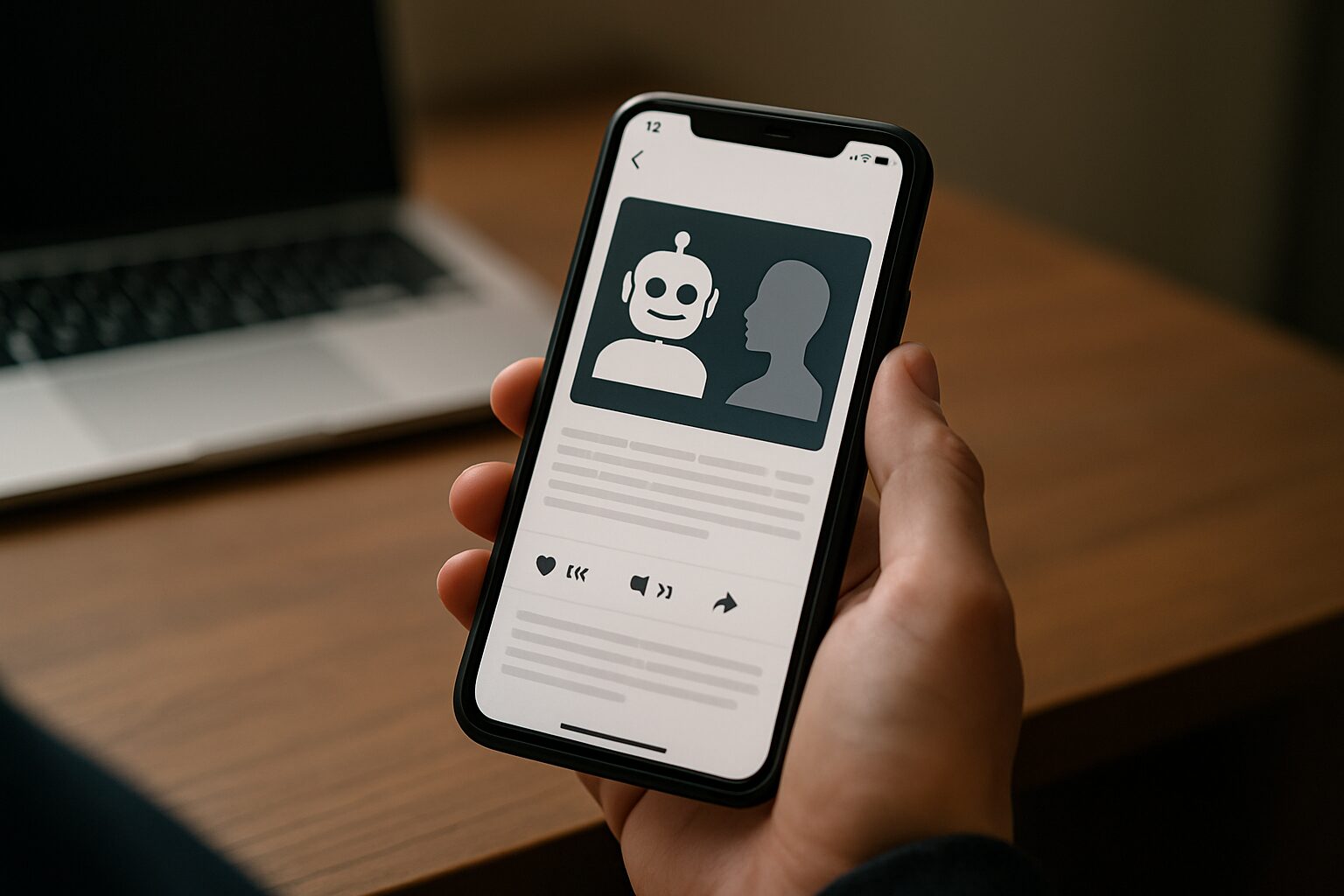
AI-curated news platforms use algorithms to personalize content based on user preferences, potentially reinforcing existing beliefs by filtering out opposing viewpoints. This selective exposure can contribute to the formation of echo chambers, where individuals are exposed only to information that aligns with their views. The ethical concern lies in whether such systems unintentionally manipulate public opinion by limiting diverse perspectives.
Why It Matters - Real-world impact
The rise of AI-curated news raises significant ethical concerns because it amplifies echo chambers, reinforcing existing biases and limiting exposure to diverse perspectives. This affects everyone—from individuals forming opinions based on skewed information to societies grappling with polarization and misinformation. When algorithms prioritize engagement over accuracy, they can inadvertently promote sensationalism or divisive content, undermining informed public discourse. Regular people should care because these dynamics shape political beliefs, social cohesion, and even personal relationships. Left unchecked, AI-driven news curation risks deepening societal divides and eroding trust in media, with real-world consequences for democracy and collective decision-making.
Ethical Concerns - What’s wrong or risky?
AI-Curated News and Echo Chambers: Ethical Risks
AI-curated news platforms, while efficient, raise significant ethical concerns. One major issue is the reinforcement of echo chambers, where algorithms show users content that aligns with their existing beliefs, limiting exposure to diverse perspectives. This can deepen societal polarization and undermine informed public discourse.
Fairness
AI systems may not treat all news sources or viewpoints fairly, often prioritizing engagement over balanced representation. This can marginalize less popular or emerging voices, skewing public perception.
Discrimination
Algorithmic biases can lead to discrimination, where certain groups receive slanted or exclusionary news coverage. For example, if training data underrepresents minority communities, their issues may be overlooked or misrepresented.
Transparency
Many AI news curation systems lack transparency, making it difficult for users to understand how or why certain stories are promoted. This opacity can erode trust and accountability.
Economic Impact
The dominance of AI in news distribution can have a profound economic impact on traditional media outlets, potentially reducing funding for investigative journalism and local news.
Differing Perspectives
Some argue that AI curation enhances user experience by filtering irrelevant information, while others contend it manipulates public opinion. There is also debate over whether echo chambers are inherently harmful or simply reflect natural human tendencies to seek confirming information.
Other ethical risks include the potential for spreading misinformation and the erosion of critical thinking skills, as users become passive consumers of algorithmically selected content.
Solutions - What’s being done or proposed?
Algorithmic Transparency and Auditing
One proposed solution is to mandate transparency in how AI algorithms curate and recommend news content. This involves requiring companies to disclose the criteria and data used by their algorithms. Independent audits could be conducted to ensure these algorithms do not disproportionately favor certain viewpoints or create filter bubbles. While this approach increases accountability, it faces challenges in implementation due to proprietary concerns and the complexity of AI systems.
Diverse Source Promotion
To counteract echo chambers, some platforms have experimented with promoting diverse news sources in users' feeds. This involves intentionally including content from opposing viewpoints or less mainstream outlets. While this can broaden perspectives, it risks user backlash if the content feels forced or irrelevant. Balancing personalization with diversity remains a technical and ethical challenge.
Media Literacy Education
Educational initiatives aimed at improving media literacy have been suggested as a long-term solution. By teaching individuals how to critically evaluate news sources and recognize bias, they become less susceptible to echo chambers. Schools and public campaigns can play a role, but this approach requires sustained effort and may not address immediate algorithmic biases.
Regulatory Oversight and Legislation
Governments have considered or implemented regulations to curb the negative effects of AI-curated news. Examples include laws that require platforms to mitigate algorithmic bias or to provide users with opt-out options for personalized news feeds. However, regulation must navigate the fine line between oversight and censorship, and enforcement can be difficult across jurisdictions.
User-Controlled Customization
Some platforms allow users to adjust their news feed preferences manually, giving them control over the types of content they see. This empowers users to break out of echo chambers at will but relies on their willingness to seek out diverse perspectives. Many users may not take the initiative, limiting the effectiveness of this solution.
Collaborative Filtering with Human Oversight
Combining AI with human editorial oversight has been proposed to ensure balanced news curation. Human moderators can review algorithmic recommendations to prevent extreme bias or misinformation. While this hybrid approach can improve quality, it is resource-intensive and may not scale well for large platforms with vast amounts of content.
Examples and Real Cases
Facebook's News Feed Algorithm (2016)
In 2016, Facebook's news feed algorithm was found to prioritize engaging content, often promoting sensational or polarizing news. This contributed to the spread of fake news during the U.S. presidential election, reinforcing echo chambers among users with similar political views.
YouTube's Recommendation System (2018)
A 2018 study revealed that YouTube's recommendation algorithm often pushed users toward increasingly extreme content. For example, users watching conservative news were frequently directed to far-right conspiracy theories, deepening ideological divides.
Twitter's Curated Trends (2020)
During the 2020 U.S. elections, Twitter's trending topics were criticized for amplifying divisive or misleading narratives. For instance, unverified claims about voter fraud trended prominently, reinforcing partisan echo chambers.
Hypothetical: AI-Powered Local News Aggregator
Imagine a local news app using AI to prioritize stories based on user engagement. Over time, it only shows crime stories to certain neighborhoods, creating a distorted perception of safety and reinforcing racial or socioeconomic biases.
China's Toutiao Algorithm (2017)
In 2017, China's Toutiao app faced backlash for its hyper-personalized news feed, which trapped users in ideological bubbles. The algorithm was so effective at catering to preferences that it often spread misinformation or extremist content unchecked.
Frequently Asked Questions
What is AI-curated news and how does it create echo chambers?
AI-curated news refers to content selected and personalized by artificial intelligence algorithms based on your past behavior. Echo chambers occur when the AI only shows you news that aligns with your existing views, reinforcing your beliefs and limiting exposure to different perspectives.
Why are echo chambers in AI-curated news a problem?
Echo chambers can lead to misinformation, polarization, and a narrow worldview because people only see content that confirms their biases. This makes it harder to have balanced discussions or understand opposing viewpoints.
How does AI-curated news influence people's opinions?
AI-curated news can subtly shape opinions by prioritizing certain stories, hiding others, or even amplifying sensational content. Over time, this can manipulate what people believe is important or true.
Can AI-curated news be manipulated for political or social influence?
Yes, bad actors can exploit AI algorithms to spread propaganda, fake news, or divisive content by gaming the system. This manipulation can sway public opinion or deepen societal divides.
How can I avoid falling into an AI-curated echo chamber?
Seek out diverse news sources, fact-check information, and occasionally reset your algorithm preferences. Being aware of how AI influences your feed is the first step to breaking free from echo chambers.