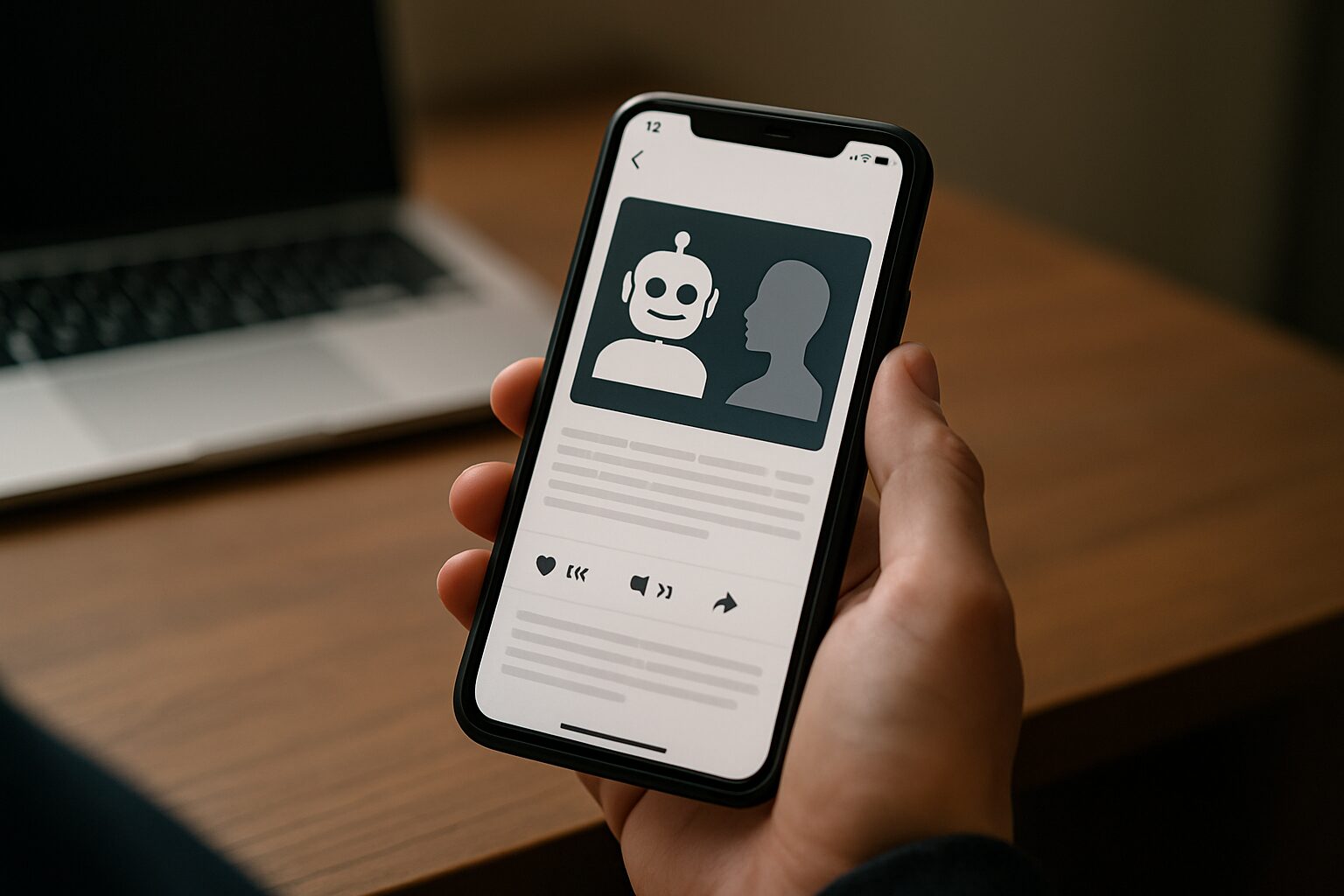
Digital Deception: Unmasking the Rise of Synthetic Feedback
Generative AI enables the creation of convincing fake reviews that mimic human writing, posing challenges for consumers and businesses. These AI-generated reviews can manipulate purchasing decisions, undermine trust in online platforms, and distort market competition. The issue raises ethical concerns about transparency, accountability, and the potential for large-scale deception.
Why It Matters - Real-world impact
The rise of generative AI in creating fake reviews poses significant risks to consumers, businesses, and the integrity of online marketplaces. Misleading reviews can deceive shoppers into purchasing inferior products, eroding trust in e-commerce platforms and harming legitimate businesses that rely on honest feedback. Small enterprises, in particular, suffer when competitors artificially inflate their ratings or sabotage reputations with fabricated negativity. Beyond commerce, fake reviews undermine the credibility of shared information, making it harder for people to make informed decisions. For everyday consumers, this manipulation can lead to wasted money, frustration, and even safety risks if fraudulent endorsements promote unsafe goods. The broader societal impact includes a decline in trust—not just in reviews, but in digital ecosystems as a whole.
Ethical Concerns - What’s wrong or risky?
Generative AI and the Proliferation of Fake Reviews
The rise of generative AI has introduced powerful tools capable of creating highly convincing fake reviews, posing significant ethical challenges. These systems can mimic human writing styles, generate persuasive narratives, and flood platforms with fabricated content, undermining trust in online review ecosystems.
Ethical Concerns: Fairness
Generative AI-driven fake reviews create an unfair playing field for businesses. Companies using AI to generate positive reviews for themselves or negative ones for competitors gain an unjust advantage, distorting market competition and consumer choice. This manipulation violates principles of fairness, as it rewards deceptive practices over genuine quality and effort.
Ethical Concerns: Discrimination
AI-generated reviews can perpetuate or amplify discrimination. If biased data trains these models, they might produce reviews that unfairly target businesses based on ownership demographics—such as race, gender, or location—reinforcing societal prejudices and harming marginalized entrepreneurs.
Ethical Concerns: Transparency
The use of generative AI for reviews challenges transparency. Consumers are often unable to distinguish between authentic and AI-generated content, eroding informed decision-making. Platforms and creators have an ethical obligation to disclose AI involvement, but such practices are rarely implemented, leading to deceptive environments.
Ethical Concerns: Economic Impact
Fake reviews generated at scale can have severe economic consequences. They mislead consumers into making poor purchasing decisions, resulting in financial losses and reduced trust in digital marketplaces. Legitimate businesses may suffer revenue declines or incur costs to combat fraudulent content, destabilizing markets.
Ethical Concerns: Job Loss
While AI can automate review generation, it may also contribute to job displacement for human content moderators and review writers. However, some argue that AI creates new roles in oversight and ethics management, highlighting a divide in perspectives on technological unemployment.
Ethical Concerns: Worker Rights
The pressure to utilize AI for generating reviews might exploit worker rights, especially if employees are tasked with managing or producing deceptive content without consent or fair compensation. Ethical workplaces must ensure that AI tools are used responsibly and that workers are not coerced into unethical practices.
Additional Moral Concerns
Beyond these categories, generative AI raises issues of accountability—determining who is responsible for harmful fake reviews—and autonomy, as consumers’ choices are manipulated without their knowledge. Cultural and contextual nuances might also be overlooked by AI, leading to inappropriate or insensitive content.
Differing Viewpoints
Not all stakeholders view these risks uniformly. Some argue that generative AI can enhance creativity and efficiency in feedback systems, provided robust safeguards are in place. Others believe that the benefits outweigh the risks, emphasizing AI’s potential to identify and filter fake content itself. However, critics caution against underestimating the societal harm and call for preemptive regulation.
Solutions - What’s being done or proposed?
Legal Regulations and Penalties
Governments and regulatory bodies have proposed or implemented laws that penalize the creation and dissemination of fake reviews using generative AI. For example, some jurisdictions have introduced fines for businesses caught posting or commissioning fake reviews. These laws aim to deter unethical practices by holding both individuals and organizations accountable.
AI Detection Tools
Technical solutions include developing AI-powered detection tools that can identify fake reviews by analyzing patterns, language inconsistencies, or metadata. Companies and platforms are investing in machine learning models trained to flag suspicious content, though this remains an arms race as generative AI becomes more sophisticated.
Verified Purchase Labels
E-commerce platforms have introduced 'verified purchase' badges to distinguish reviews from customers who actually bought the product. This social proof mechanism helps users trust reviews more, though it doesnu2019t entirely eliminate fake reviews from those who game the system or use purchased accounts.
Transparency and Disclosure Requirements
Some platforms now require reviewers to disclose if they received free products or incentives in exchange for reviews. This institutional approach promotes transparency, helping users assess potential biases. However, enforcement remains challenging, and not all users comply.
Community Reporting and Moderation
Encouraging users to report suspicious reviews empowers the community to self-police. Platforms often combine this with human moderators who investigate flagged content. While effective to some extent, this method can be slow and resource-intensive, especially at scale.
Ethical AI Development Standards
Industry groups and researchers advocate for ethical guidelines in AI development to prevent misuse in generating fake content. These standards encourage developers to implement safeguards, such as watermarking AI-generated text, though adoption is voluntary and inconsistent across the tech sector.
Consumer Education Campaigns
Educating users about the prevalence and risks of fake reviews helps them make informed decisions. Nonprofits and consumer protection agencies run awareness campaigns to teach people how to spot manipulated content, though this relies on individual vigilance.
Examples and Real Cases
Amazon's Fake Review Problem (2021)
In 2021, Amazon faced widespread criticism after an investigation by Which? revealed that over 75% of top-reviewed products in certain categories had suspicious reviews. Many were believed to be generated by AI tools that mimic human writing patterns to create fake positive reviews.
TripAdvisor's AI-Generated Hotel Reviews (2020)
In 2020, TripAdvisor removed hundreds of reviews for UK hotels after detecting patterns suggesting AI generation. The fake reviews used unnatural phrasing and repetitive structures, likely created by bots to manipulate ratings.
Hypothetical: AI-Generated Political Endorsements
A realistic concern is political campaigns using generative AI to create fake grassroots support. For example, an AI could generate thousands of unique positive reviews for a candidate's book on Amazon to create false perception of popularity, without clear disclosure.
Fiverr's Fake Review Services (2019-2022)
Between 2019-2022, Fiverr freelancers openly offered 'AI review generation' services, creating human-like product testimonials for $5-$20. These services were used by small businesses to artificially boost their online reputations before platforms cracked down.
Hypothetical: AI-Generated Restaurant Reviews
A restaurant chain could use generative AI to flood Yelp with positive reviews during a health code violation scandal. The AI would create varied, location-specific reviews praising cleanliness to drown out legitimate complaints.
Frequently Asked Questions
What is generative AI and how can it create fake reviews?
Generative AI is a type of artificial intelligence that can create text, images, or other content based on patterns it learns from data. It can generate fake reviews by mimicking human writing styles, making them seem real even though they're fabricated to manipulate opinions.
Why are fake reviews created by AI a big problem?
Fake reviews created by AI can mislead consumers into buying poor-quality products or trusting unreliable services. They distort competition, harm honest businesses, and erode trust in online platforms, making it harder for people to make informed decisions.
How can I spot a fake review generated by AI?
Look for overly generic language, repetitive phrases, or unnatural perfection in reviews. AI-generated reviews often lack personal details or specific experiences. Tools and browser extensions can also help detect suspicious patterns in reviews.
What are companies doing to stop AI-generated fake reviews?
Many platforms use AI detection tools, human moderators, and verification methods (like purchase confirmations) to flag or remove fake reviews. Some are also implementing stricter policies and penalties for businesses caught manipulating reviews.
How does generative AI influence public opinion beyond fake reviews?
Generative AI can spread misinformation, create fake social media accounts, or generate persuasive content to sway opinions on politics, health, or products. This manipulation makes it harder to distinguish between real and artificial influence online.