Navigating the Legal Landscape of Facial Recognition and Digital Identity Protection
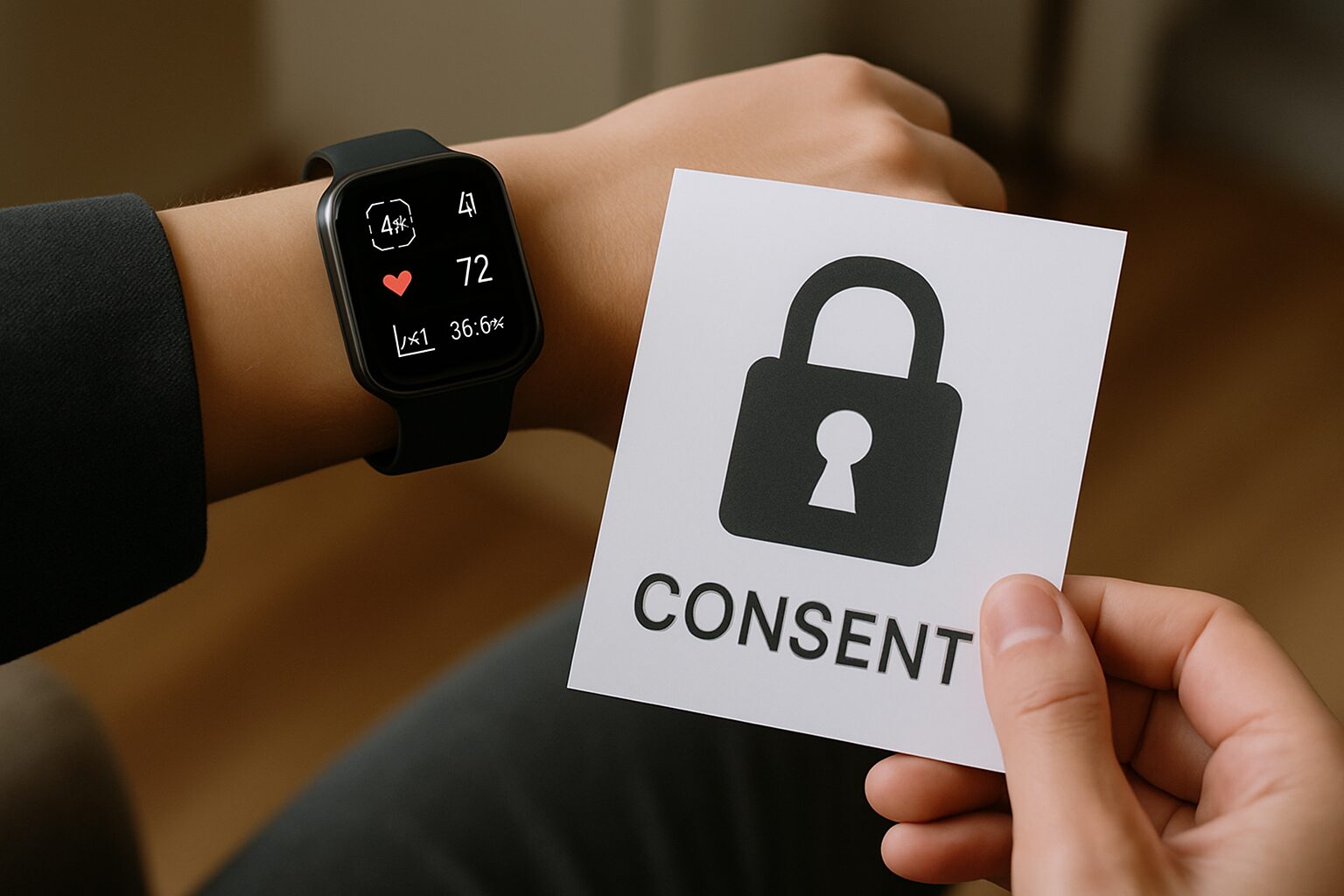
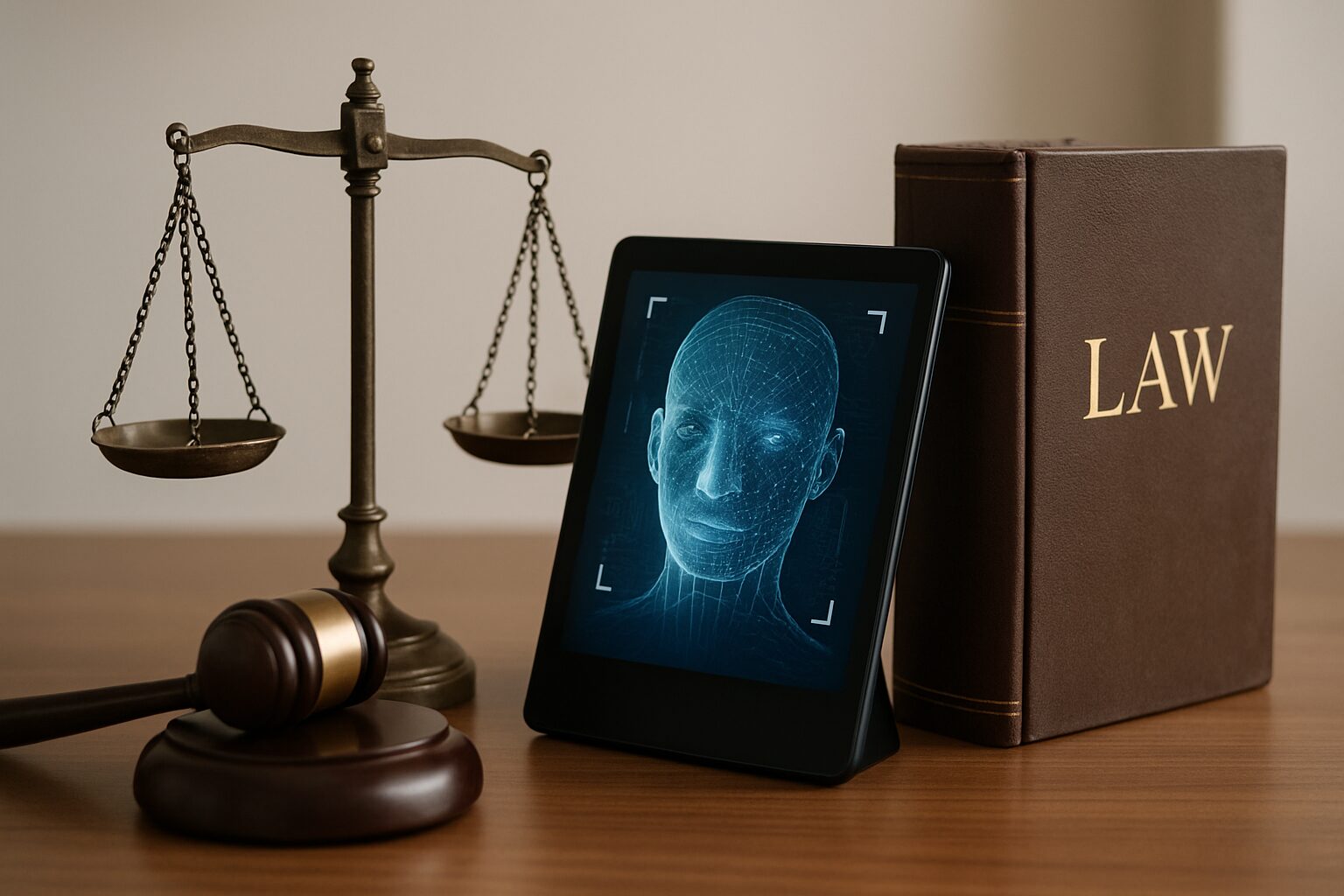
The use of artificial intelligence to process biometric data—such as facial recognition, fingerprints, or voice patterns—raises significant privacy and legal concerns. As AI systems increasingly collect and analyze this sensitive information, questions arise about how it is stored, shared, and protected under existing laws. Balancing technological advancement with individual rights requires clear regulations to ensure transparency, consent, and accountability in the handling of biometric data.
Why It Matters - Real-world impact
The ethical use of AI in processing biometric data—such as facial recognition, fingerprints, or voice patterns—has profound real-world implications for individuals and society. Everyone is affected, from employees subjected to workplace surveillance to marginalized communities disproportionately targeted by biased algorithms. If misused, this technology can enable mass surveillance, identity theft, or discrimination, eroding trust in institutions and violating fundamental rights. Regular people should care because once biometric data is collected, it cannot be changed like a password, creating irreversible risks if breached or exploited. Without robust legal safeguards, the misuse of AI-driven biometrics threatens privacy, autonomy, and equality in both public and private spheres.
Ethical Concerns - What’s wrong or risky?
Navigating the Ethical Minefield of AI and Biometric Data
As artificial intelligence integrates deeper into biometric data processing, significant ethical risks emerge that challenge existing legal frameworks and societal norms.
Discrimination and Fairness
AI systems analyzing biometric data can perpetuate or amplify discrimination, particularly when trained on biased datasets. Facial recognition, for instance, has shown higher error rates for people of color and women, leading to unjust outcomes in law enforcement or hiring. This ties directly into concerns about fairness, as algorithms may systematically disadvantage certain groups, undermining equal treatment under the law.
Transparency and Accountability
Many AI systems operate as "black boxes," making it difficult to understand how decisions are made. This lack of transparency is critical when biometric data influences life-altering decisions, such as access to services or legal judgments. Without clear insight, individuals cannot challenge errors or biases, eroding trust and accountability.
Economic and Employment Implications
The automation of identity verification and monitoring through biometric AI could lead to significant job loss in sectors like security or administrative roles. Moreover, the economic impact extends to marginalized communities who may face exclusion from services or opportunities due to algorithmic biases, widening socioeconomic gaps.
Worker Rights and Surveillance
In workplace settings, biometric monitoring—such as tracking productivity through keystrokes or facial expressions—raises serious worker rights issues. Employees may face constant surveillance, loss of privacy, and pressure to conform to algorithmic standards, potentially eroding autonomy and well-being.
Diverse Perspectives on Balancing Innovation and Ethics
Not all stakeholders agree on how to address these risks. Some argue that stringent regulations could stifle innovation and hinder the benefits of biometric AI, such as enhanced security and personalized services. Others emphasize that without robust legal protections, individual rights and social equity are jeopardized. This tension highlights the need for nuanced, inclusive dialogue to shape policies that balance technological progress with ethical safeguards.
Solutions - What’s being done or proposed?
Stronger Legal Frameworks and Regulations
Governments and regulatory bodies have proposed stricter laws to govern the collection, storage, and use of biometric data by AI systems. Examples include the EU's General Data Protection Regulation (GDPR), which imposes heavy penalties for misuse, and state-level laws like Illinois' Biometric Information Privacy Act (BIPA). These frameworks emphasize informed consent, data minimization, and the right to deletion, aiming to hold organizations accountable for ethical breaches.
Privacy-Preserving AI Techniques
Researchers and technologists have developed methods like federated learning, differential privacy, and homomorphic encryption to process biometric data without exposing raw information. These techniques allow AI models to train on decentralized data or anonymized datasets, reducing the risk of misuse or unauthorized access while still enabling useful applications like facial recognition or health monitoring.
Transparency and Explainability Standards
Advocates push for AI systems that use biometric data to be transparent about how decisions are made. This includes requiring clear documentation of data sources, algorithmic processes, and potential biases. Explainability tools help users understand why an AI system flagged them in a security scan or denied access, fostering trust and enabling recourse for errors.
Public Awareness and Digital Literacy Campaigns
Nonprofits and educational institutions run initiatives to inform people about biometric data risks and rights. Workshops, online resources, and media campaigns teach individuals how to recognize when their data is being collected, how to opt out where possible, and how to demand accountability from companies or governments deploying AI-driven biometric systems.
Ethical Review Boards and Audits
Some organizations have established internal or third-party review boards to assess the ethical implications of biometric AI projects before deployment. Regular audits check for compliance with privacy laws, algorithmic fairness, and unintended societal harms. For example, companies like Microsoft have called for stricter oversight of facial recognition tech through such governance structures.
Decentralized Identity Systems
Blockchain and other decentralized technologies offer ways for individuals to control their biometric data directly. Instead of storing fingerprints or iris scans in a central database, users could grant temporary access via encrypted tokens. Projects like the Decentralized Identity Foundation (DIF) explore this approach to reduce reliance on vulnerable centralized systems.
Sector-Specific Bans or Moratoriums
In response to public backlash, some cities (e.g., San Francisco) and industries have banned certain uses of biometric AI, such as police facial recognition or employee monitoring. These moratoriums aim to prevent abuse until better safeguards are in place, though critics argue they may also stifle beneficial innovations in security or healthcare.
Examples and Real Cases
Clearview AI's Facial Recognition Controversy
In January 2020, Clearview AI faced widespread criticism for scraping billions of facial images from social media without consent to build its facial recognition database. By February 2020, multiple lawsuits were filed against the company, including one by the ACLU alleging violations of the Illinois Biometric Information Privacy Act (BIPA).
Amazon's Rekognition and Law Enforcement
In 2018, Amazon's Rekognition facial recognition tool was used by law enforcement agencies, raising concerns about racial bias and privacy. Tests by the ACLU in July 2018 showed the system misidentified 28 members of Congress as criminals, disproportionately affecting people of color.
Hyundai Department Store's Unauthorized Facial Data Collection
In March 2021, South Korea's Hyundai Department Store was fined u20a950 million for collecting facial data of over 200,000 customers without proper consent. The data was used for marketing purposes, violating the country's Personal Information Protection Act.
Hypothetical: AI-Powered Employee Monitoring System
A hypothetical company installs AI-powered cameras that analyze employee facial expressions and body language to gauge productivity without explicit consent. This could violate GDPR or similar privacy laws if employees aren't properly informed about what data is collected and how it's used.
San Francisco's Facial Recognition Ban
In May 2019, San Francisco became the first major U.S. city to ban government use of facial recognition technology. The legislation cited concerns about misuse, racial bias, and the technology's threat to civil liberties.
Russian Facial Recognition Protests Monitoring
In February 2021, Moscow authorities used facial recognition to identify and detain protesters supporting Alexei Navalny. The system matched live camera feeds against a database of millions of photos, raising concerns about political suppression through biometric surveillance.
Frequently Asked Questions
What is biometric data in AI?
Biometric data in AI refers to unique physical or behavioral characteristics like fingerprints, facial recognition, or voice patterns that are used to identify individuals. AI systems analyze this data for security, authentication, or personalization purposes.
Why is biometric data privacy important?
Biometric data privacy is important because this information is highly personal and permanentu2014unlike passwords, you can't change your fingerprints or face. If misused, it can lead to identity theft, surveillance, or discrimination, making strong legal protections necessary.
Do I have to consent to sharing my biometric data?
In many countries, laws require companies to obtain your explicit consent before collecting or using your biometric data. For example, the GDPR in Europe and some U.S. state laws like BIPA (Illinois) mandate clear disclosure and opt-in permissions.
How is AI used with biometric data today?
Today, AI-powered biometrics are commonly used in smartphones (e.g., Face ID), airport security, banking apps, and workplace attendance systems. However, debates continue about balancing convenience with privacy risks like mass surveillance or biased algorithms.
What should I check before sharing biometric data?
Always check the company's privacy policy to understand how your data will be stored, used, and shared. Look for transparency about security measures (e.g., encryption), retention periods, and whether you can delete your data later if needed.