Are Your Smart Devices Eavesdropping? Privacy Risks You Can't Ignore
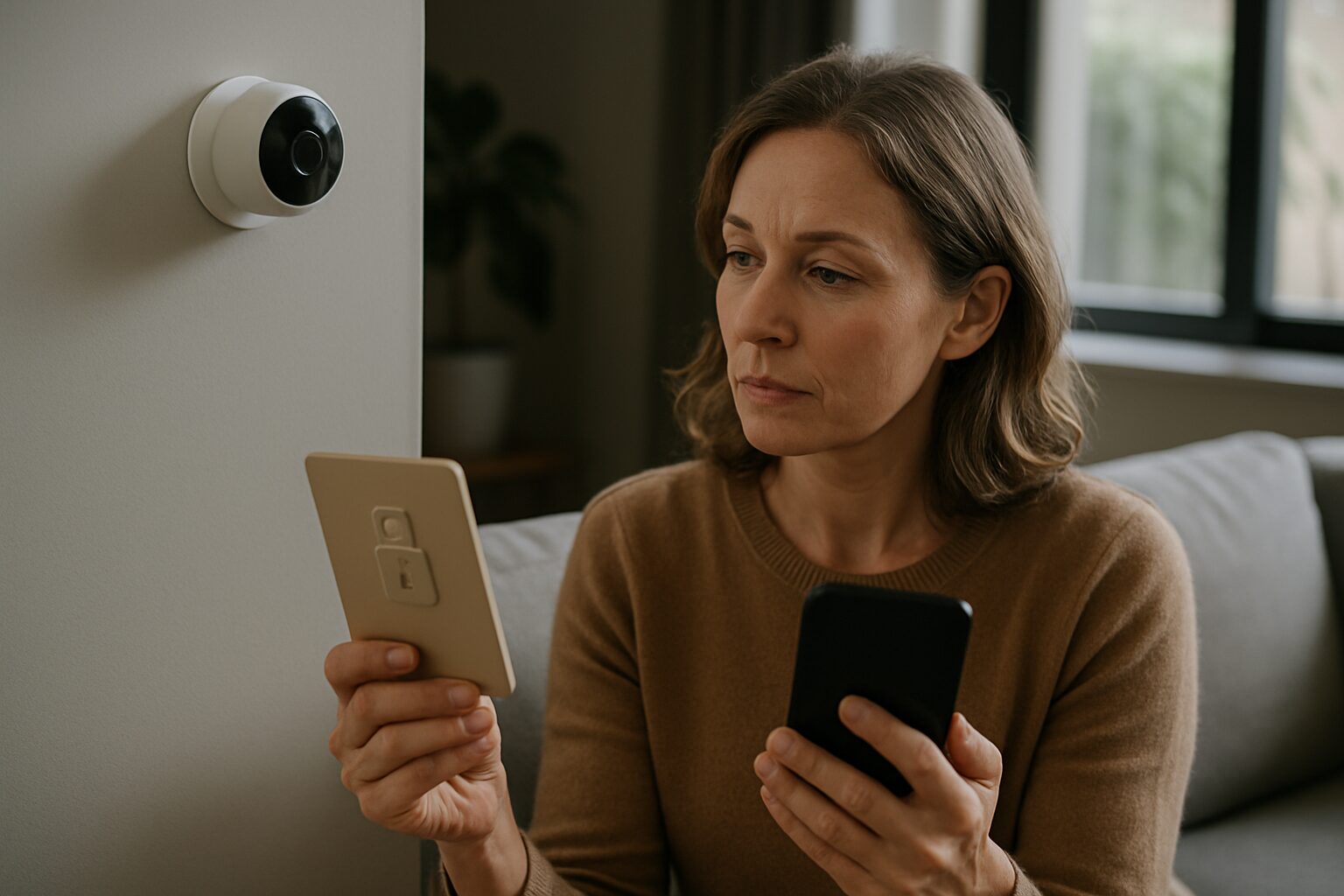
Voice assistants, such as those found in smart speakers and smartphones, rely on always-on listening to respond to wake words like "Hey Siri" or "Alexa." This constant audio monitoring raises privacy concerns, as the technology may inadvertently record and transmit conversations without explicit user consent. The risks include unintended data collection, potential misuse of sensitive information, and a lack of transparency about how recordings are stored or analyzed.
Why It Matters - Real-world impact
The risks posed by always-on voice assistants extend far beyond theoretical privacy concerns—they impact everyday users in tangible ways. These devices constantly listen for activation commands, meaning private conversations, sensitive information, or even background noises could be inadvertently recorded and transmitted to corporate servers. Vulnerable groups, such as children, domestic abuse survivors, or individuals in oppressive regimes, face heightened dangers if recordings are leaked, misused, or weaponized. Even ordinary users risk having their data harvested for targeted advertising, profiling, or unauthorized surveillance. The normalization of passive audio collection erodes personal boundaries and sets a troubling precedent for consent in the digital age, making this an issue everyone should scrutinize.
Ethical Concerns - What’s wrong or risky?
Privacy and Consent in Always-On Listening
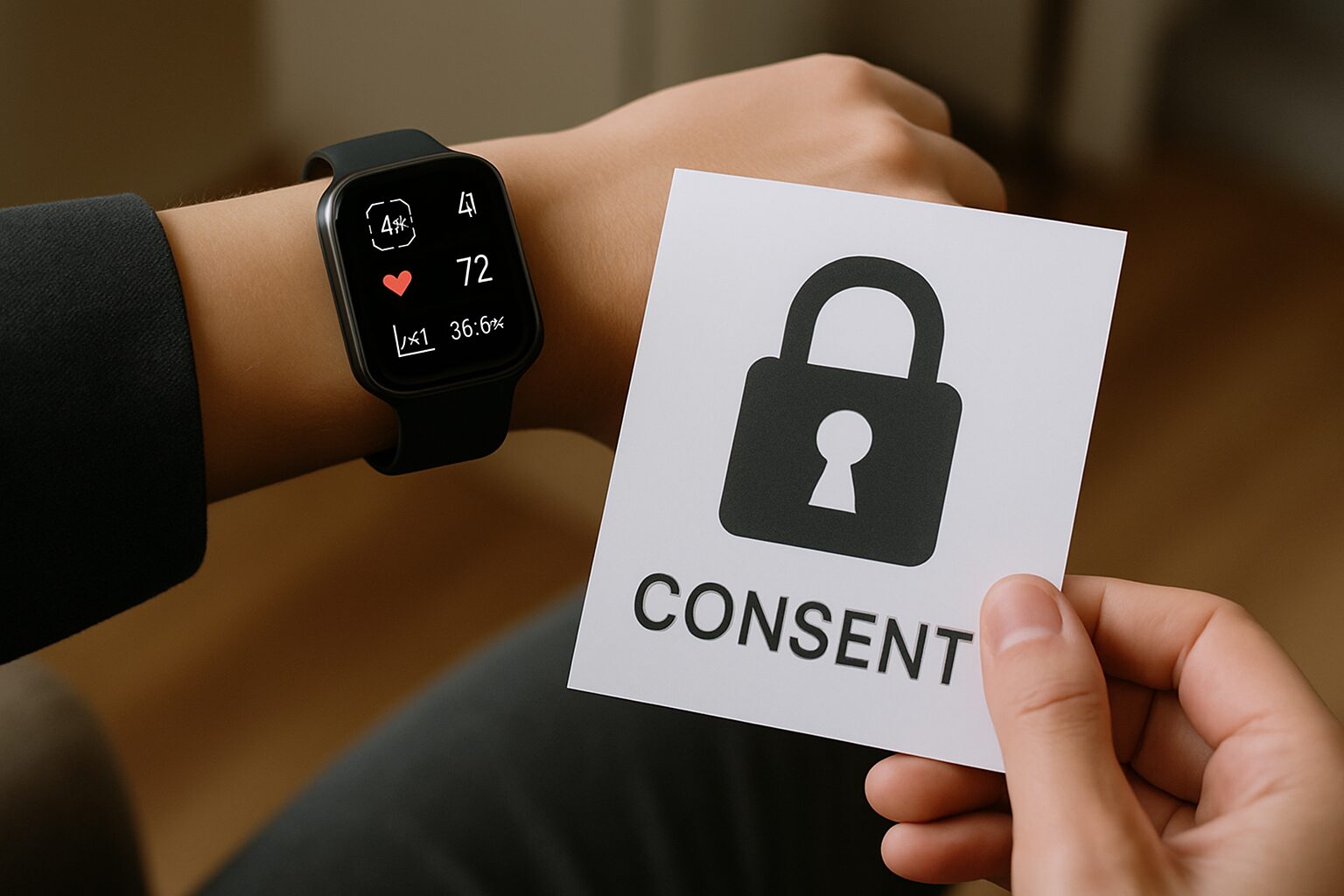
Voice assistants with always-on listening capabilities raise significant ethical concerns regarding user privacy and consent. Devices continuously process audio to detect wake words, creating risks of unintended data collection and potential eavesdropping without explicit user awareness or agreement.
Transparency Issues
A core ethical issue is the lack of transparency in how these systems operate. Users are often unaware of when data is being transmitted, how it is stored, or who has access. This opacity challenges informed consent, as individuals cannot make educated decisions about their privacy.
Fairness and Data Usage
Questions of fairness arise when voice data is used to train algorithms or personalize services. If certain demographics are underrepresented in training data, services may perform poorly for those groups, perpetuating existing biases and creating unequal user experiences.
Discrimination Risks
Voice recognition systems can exhibit biases, leading to discrimination based on accents, dialects, or speech patterns. This may disadvantage non-native speakers or individuals with speech impairments, reinforcing social inequities through technological design.
Economic and Labor Implications
While not always directly related, the data collected can influence economic impact, such as targeted advertising or market research. Additionally, the human reviewers often involved in processing voice data raise concerns about worker rights, including fair wages and working conditions.
Differing Perspectives
Some argue that always-on listening is necessary for seamless functionality and that privacy risks are mitigated through encryption and anonymization. Others contend that the potential for misuse or unauthorized access outweighs these benefits, advocating for stricter regulations and opt-in models.
Additional Ethical Considerations
Beyond the linked categories, issues include psychological impacts of surveillance, the erosion of trust in technology, and the moral responsibility of companies to prioritize user welfare over data-driven profits. These concerns highlight the need for ethical frameworks that balance innovation with respect for individual rights.
Solutions - What’s being done or proposed?
Hardware Mute Switches
Some manufacturers have introduced physical mute switches or buttons that allow users to disable the microphone on voice assistants. This provides a straightforward way to ensure the device is not listening when not in use. While effective, this solution relies on users actively engaging the switch, which may not always happen consistently.
Local Processing of Voice Data
To address privacy concerns, some companies have developed voice assistants that process commands locally on the device rather than sending data to cloud servers. This minimizes the risk of sensitive information being stored or misused by third parties. However, local processing may limit the functionality and accuracy of the assistant compared to cloud-based solutions.
Transparent Data Policies
Advocates have pushed for clearer and more accessible data policies from companies producing voice assistants. These policies would explicitly state what data is collected, how it is used, and how long it is retained. Greater transparency could help users make informed decisions, though enforcement and readability of these policies remain challenges.
Opt-In Consent Models
Some suggest shifting from opt-out to opt-in consent models, where users must explicitly enable features like always-on listening. This would give users more control but could also reduce convenience, as many may not take the extra step to activate the functionality.
Legislative Regulation
Governments have begun exploring laws to regulate always-on listening devices, such as requiring explicit consent for data collection or imposing strict penalties for misuse. While legislation can provide strong protections, enforcement and keeping up with technological advancements pose significant hurdles.
User Education and Awareness
Educational campaigns aim to inform users about the risks and benefits of voice assistants, helping them understand how to adjust privacy settings and minimize exposure. Increased awareness can empower users, but the effectiveness depends on their willingness to engage with the information.
Decentralized Voice Assistants
Emerging projects are developing decentralized voice assistants that operate on peer-to-peer networks rather than centralized servers. This approach reduces reliance on big tech companies but may face challenges in scalability and user adoption due to technical complexity.
Examples and Real Cases
Amazon Echo Records Private Conversation (2018)
In May 2018, an Amazon Echo device in Portland, Oregon, recorded a private conversation between a couple and sent it to a random contact in their address book without their knowledge. Amazon confirmed the incident, attributing it to the device misinterpreting background conversation as a wake word and subsequent commands.
Google Assistant Accidental Activations (2019)
In July 2019, a Belgian news outlet reported that Google Assistant accidentally recorded confidential business meetings at a medical company. The device activated due to misinterpreted phrases, capturing sensitive discussions about patient data and treatment plans.
Apple Siri Grading Program Controversy (2019)
In August 2019, The Guardian revealed that Apple contractors regularly heard private recordings from Siri, including medical details, drug deals, and couples having sex. Apple suspended the program after public outcry, later introducing opt-in controls for audio recording sharing.
Hypothetical: Voice Assistant in Rental Property
In a realistic hypothetical scenario, a vacation rental's smart speaker could record guests' private conversations without their knowledge. The device might misinterpret noises as activation commands, potentially capturing sensitive personal or financial discussions that are stored on corporate servers.
Facebook Portal Voice Data Collection (2020)
In 2020, privacy researchers found that Facebook's Portal devices continued processing voice data even after users disabled the microphone. While Facebook claimed this was for system performance, it raised concerns about persistent background data collection from always-on devices.
Frequently Asked Questions
What is always-on listening in voice assistants?
Always-on listening means that voice assistants like Alexa, Siri, or Google Assistant are constantly listening for their 'wake word' (e.g., 'Hey Siri') to activate. While they claim not to record until activated, privacy concerns exist about accidental recordings or data misuse.
Why is always-on listening a privacy risk?
Always-on listening can accidentally record private conversations, store sensitive data, or share information without explicit user consent. Hackers or companies could misuse this data, leading to breaches of personal privacy.
How can I protect my privacy with voice assistants?
You can mute the microphone when not in use, review and delete voice recordings regularly, disable unnecessary features, and adjust privacy settings to limit data collection. Always check the device's privacy policy for transparency.
Do voice assistants record everything I say?
Most voice assistants only start recording after hearing their wake word, but accidental activations can happen. Some devices may store short audio clips to improve accuracy, which users can often review or delete in their settings.
Can companies use my voice assistant data for advertising?
Some companies may analyze voice data to personalize ads or improve services. Always check your device's privacy policy and opt out of data-sharing features if you're concerned about how your information is used.