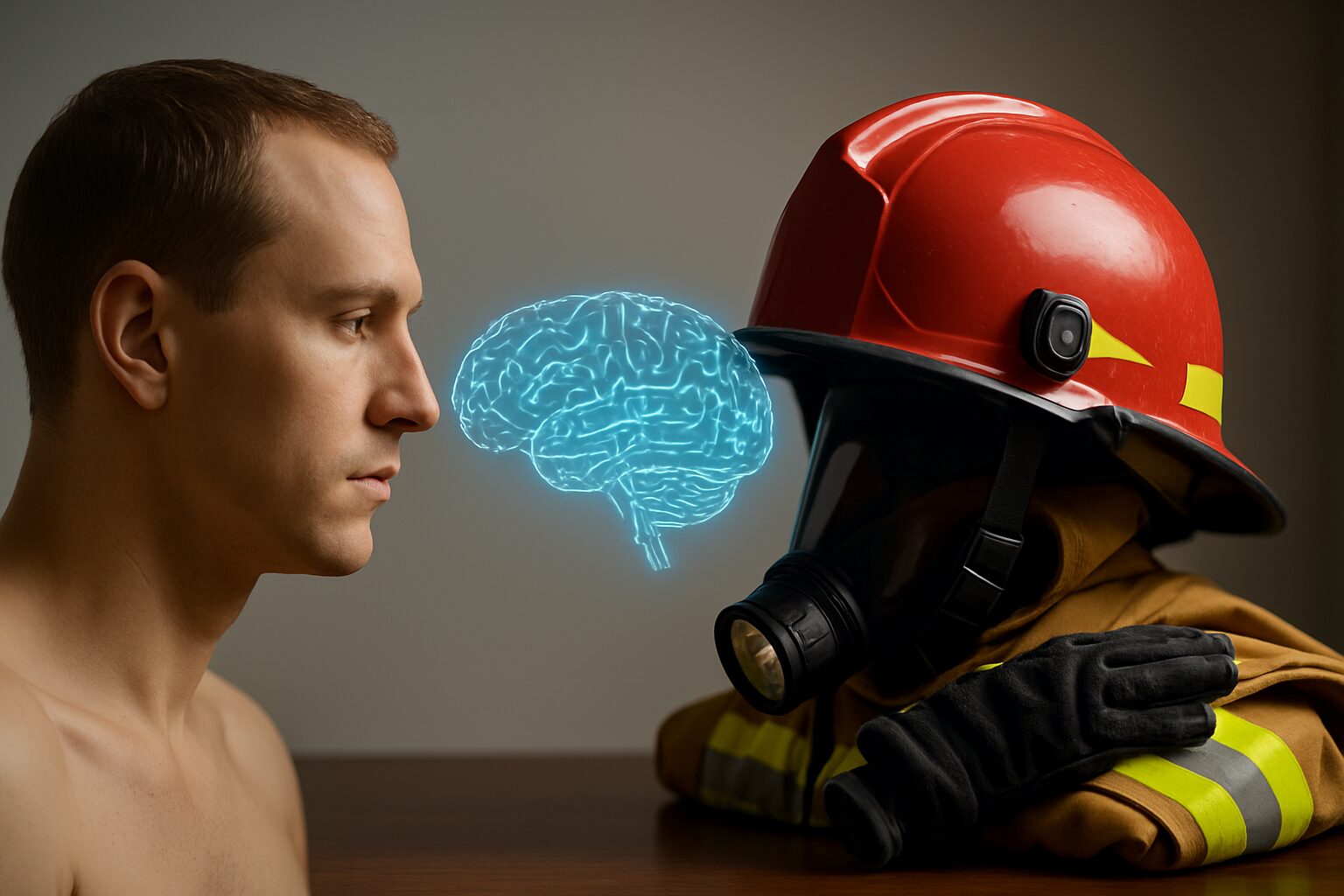
The Hidden Risks of Letting AI Govern Safety and Regulation
Overreliance on AI for safety decisions and regulation occurs when human judgment is excessively deferred to automated systems in critical areas such as healthcare, transportation, or law enforcement. This reliance raises concerns about accountability, transparency, and the potential for systemic errors if AI systems fail or operate beyond their intended scope. The issue becomes more pressing as AI plays an increasingly central role in high-stakes environments where mistakes can have severe consequences.
Why It Matters - Real-world impact
Overreliance on AI for safety decisions and regulation poses significant risks to individuals, organizations, and society at large. When critical safety protocols—such as those in healthcare, transportation, or criminal justice—are delegated to AI systems without adequate human oversight, errors or biases in algorithms can lead to life-threatening consequences. Vulnerable populations, including marginalized communities, are often disproportionately affected due to historical biases embedded in training data. For example, an AI system misclassifying medical conditions or approving unsafe autonomous vehicles could result in irreversible harm. Regular people should care because these systems increasingly govern everyday life, from loan approvals to workplace safety, yet lack the accountability and transparency of human decision-makers. Without proper safeguards, unchecked AI reliance erodes trust in institutions and exacerbates systemic inequities.
Ethical Concerns - What’s wrong or risky?
Overreliance on AI for Safety Decisions and Regulation
As artificial intelligence becomes increasingly integrated into safety-critical systems—from autonomous vehicles to healthcare diagnostics and public policy enforcement—the ethical implications of overreliance on these systems demand careful scrutiny. Delegating safety decisions to AI introduces several ethical risks that could undermine the very protections these systems are meant to ensure.
Fairness in Algorithmic Outcomes
One of the most pressing concerns is fairness. AI systems trained on historical data may perpetuate or even amplify existing biases, leading to unequal safety outcomes for different demographic groups. For instance, if an AI used for predictive policing is trained on biased arrest data, it could disproportionately target marginalized communities, creating a feedback loop of discrimination.
Discrimination and Social Inequity
Closely related to fairness is the risk of discrimination. AI models might develop correlations that result in discriminatory practices, such as denying safety approvals or resources based on race, gender, or socioeconomic status. This not only violates ethical principles but can also exacerbate social divides.
Lack of Transparency in Decision-Making
Another critical issue is transparency. Many AI systems, especially deep learning models, operate as "black boxes," making it difficult to understand how they arrive at specific safety decisions. This opacity can erode public trust and accountability, particularly when these decisions have life-or-death consequences, such as in medical diagnostics or disaster response.
Economic and Labor Implications
Overreliance on AI could also lead to significant economic impact, including shifts in job markets and resource allocation. While AI might improve efficiency, it could also centralize decision-making power away from human experts, potentially devaluing human judgment and experience in safety-critical fields.
Erosion of Worker Rights
In sectors where AI oversees safety protocols, there may be implications for worker rights. For example, if AI systems monitor employee behavior for safety compliance without human oversight, it could lead to unfair disciplinary actions or loss of autonomy, raising concerns about dignity and fair treatment in the workplace.
Job Displacement Concerns
Additionally, the automation of safety-related roles might contribute to job loss, particularly for professionals whose expertise is replaced by algorithmic systems. This not only affects livelihoods but could also result in a loss of nuanced, context-aware decision-making that AI currently cannot replicate.
Diverse Perspectives on AI Reliance
Not everyone agrees on the severity of these risks. Proponents argue that AI can enhance safety by processing vast amounts of data more quickly and accurately than humans, reducing human error. They believe that with robust testing and ethical guidelines, these systems can be deployed responsibly. Critics, however, caution that overreliance on AI may lead to complacency, where humans defer to machines even when situational awareness or moral judgment is required.
Other Moral Concerns
Beyond the linked categories, other ethical risks include accountability gaps—determining who is responsible when an AI-driven safety decision fails—and the potential for systemic vulnerabilities, such as adversarial attacks manipulating AI outcomes. These concerns highlight the need for a balanced approach that integrates human oversight with technological advancement.
Solutions - What’s being done or proposed?
Human-in-the-Loop Systems
One proposed solution is the implementation of human-in-the-loop systems, where AI provides recommendations but final decisions are made by humans. This approach ensures that ethical considerations, context, and nuanced judgment are applied to safety-critical decisions. For example, in autonomous vehicles, AI might suggest braking or swerving, but a human supervisor would have the final say in ambiguous situations.
Transparency and Explainability Requirements
Legal and technical measures have been suggested to mandate transparency and explainability in AI systems used for safety decisions. Regulations could require that AI models provide clear, understandable explanations for their outputs, enabling human reviewers to assess the reasoning behind recommendations. This could involve standardized reporting formats or algorithmic auditing tools to uncover biases or flaws in decision-making processes.
Ethics Review Boards for AI Deployment
Institutional solutions include establishing ethics review boards to evaluate AI systems before they are deployed in safety-critical roles. These boards, composed of multidisciplinary experts, would assess potential risks, biases, and unintended consequences. Similar to institutional review boards in human subject research, they could enforce ethical guidelines and require modifications or restrictions on AI systems that fail to meet safety standards.
Liability Frameworks for AI-Related Harm
Legal frameworks have been proposed to clarify liability when AI systems cause harm due to safety decisions. These frameworks would define accountability for developers, deployers, and users of AI, ensuring that victims have recourse and that organizations have incentives to prioritize safety. For instance, strict liability rules might apply to companies deploying AI in high-risk scenarios, encouraging rigorous testing and oversight.
Public Participation in AI Governance
Social solutions emphasize involving the public in AI governance to ensure that safety regulations reflect societal values. This could include citizen assemblies, public consultations, or participatory design processes where communities affected by AI safety decisions have a voice in how these systems are developed and regulated. Such approaches aim to democratize AI oversight and prevent overreliance on technical or corporate elites.
Red Teaming and Adversarial Testing
Technical solutions like red teamingu2014where independent experts attempt to identify vulnerabilities or failures in AI systemsu2014have been suggested to improve safety. Adversarial testing involves deliberately challenging AI systems with edge cases or malicious inputs to uncover weaknesses before deployment. This practice, borrowed from cybersecurity, could help ensure that AI systems are robust enough for safety-critical applications.
International Standards for AI Safety
Institutional efforts have proposed international standards or treaties to harmonize AI safety regulations across borders. These standards would establish baseline requirements for AI systems used in safety decisions, such as in healthcare or transportation, to prevent a 'race to the bottom' where countries compete by lowering safety standards. Organizations like the ISO or UN could facilitate such agreements.
Examples and Real Cases
Boeing 737 MAX Crashes (2018-2019)
The Boeing 737 MAX crashes in 2018 and 2019, which killed 346 people, were partly attributed to overreliance on the MCAS (Maneuvering Characteristics Augmentation System) AI system. Boeing assumed the AI would compensate for design flaws without adequate pilot training or fail-safes, leading to catastrophic failures when the system malfunctioned.
Tesla Autopilot Fatalities (2016-Present)
Multiple fatal crashes involving Tesla's Autopilot system, such as the 2016 Joshua Brown incident, highlight overreliance on AI for safety decisions. Drivers and regulators assumed the system was more capable than it was, leading to complacency and lack of proper oversight.
Facebook's AI Content Moderation Failures (2017-2021)
Facebook's heavy reliance on AI for content moderation led to widespread failures, including the amplification of harmful misinformation during the 2020 U.S. elections and COVID-19 pandemic. The AI systems lacked nuance, often failing to remove dangerous content while incorrectly flagging harmless posts.
Hypothetical: AI-Powered Medical Diagnosis Errors
In a hypothetical scenario, a hospital fully relies on an AI system for diagnosing rare diseases, leading to misdiagnoses when the AI lacks sufficient training data. Patients suffer as human doctors, trusting the AI, fail to double-check its recommendations.
Uber Self-Driving Fatality (2018)
In 2018, an Uber self-driving car struck and killed Elaine Herzberg in Arizona. The accident revealed overreliance on AI, as the safety driver was distracted, assuming the system would handle all scenarios, while the AI failed to recognize the pedestrian.
Frequently Asked Questions
What does overreliance on AI for safety decisions mean?
Overreliance on AI for safety decisions means depending too much on artificial intelligence systems to make critical safety-related choices without sufficient human oversight or validation, which can lead to errors or unintended risks.
Why is overreliance on AI in safety regulation a problem?
It's a problem because AI systems can have biases, errors, or limitations that humans might miss. If regulators or organizations rely solely on AI without checks, it could result in unsafe outcomes, accidents, or overlooked risks.
What can we learn from past incidents of AI safety failures?
Past incidents show that AI systems can fail unpredictably, especially in complex or unforeseen situations. These cases highlight the need for human oversight, rigorous testing, and fail-safes when using AI for safety-critical decisions.
How does overreliance on AI apply to workplace safety today?
In workplaces, AI might be used to monitor hazards or predict risks. Overreliance without human verification could mean missing dangers, like faulty equipment or unsafe behaviors, leading to preventable accidents.
What are some ways to prevent overreliance on AI in safety decisions?
To prevent overreliance, organizations should combine AI with human judgment, conduct regular audits of AI systems, ensure transparency in how decisions are made, and maintain clear accountability for safety outcomes.