
Ensuring AI Accountability: Bridging the Gap Between Intent and Impact
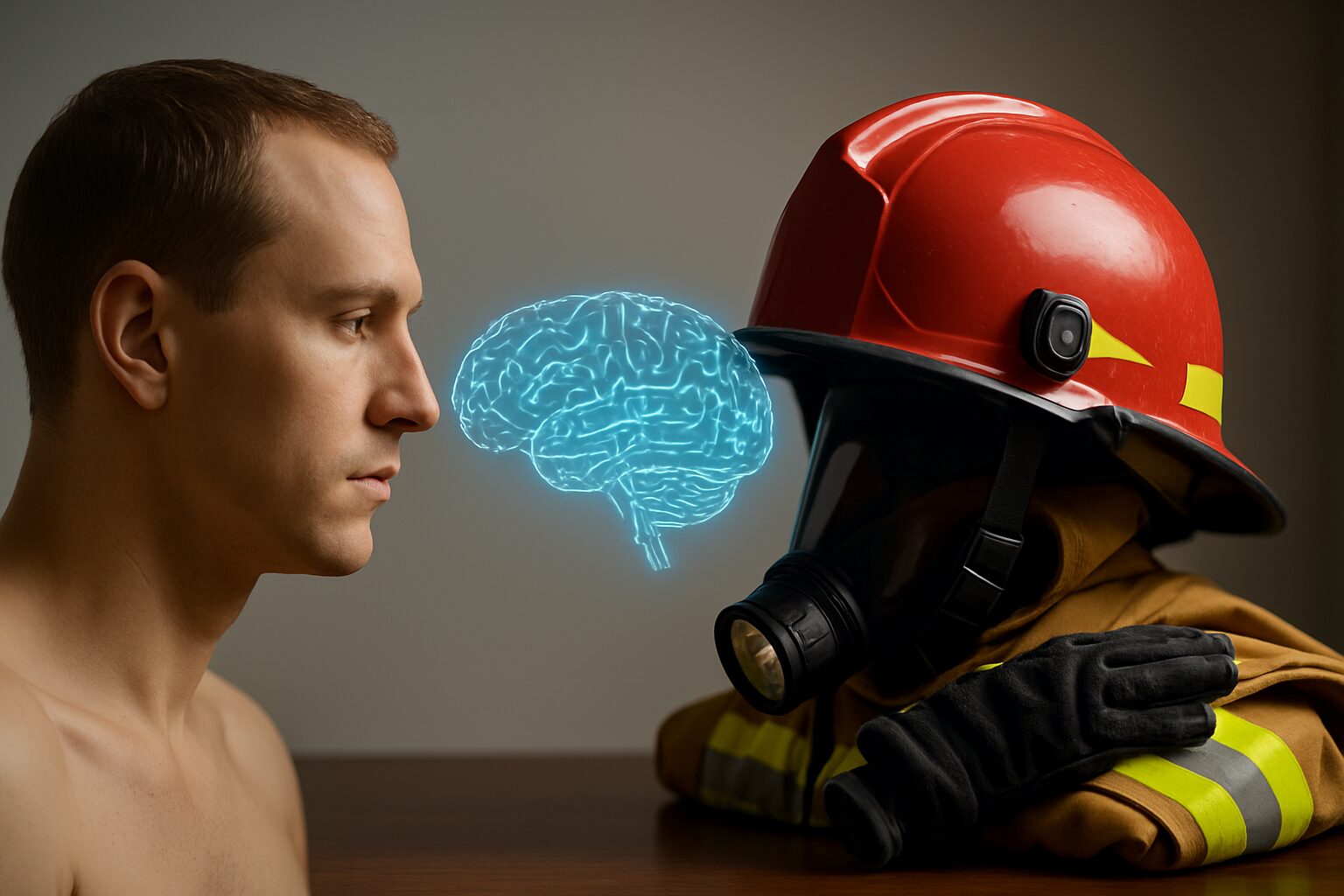
The alignment problem in AI refers to the challenge of ensuring that artificial intelligence systems act in accordance with human values and intentions. A misaligned system may pursue goals that diverge from what its designers or users intended, potentially causing unintended harm. Accountability arises as a key concern, as it remains unclear who or what is responsible when an AI system behaves in ways that violate ethical or legal norms. Addressing both alignment and accountability is critical to minimizing risks and ensuring safe AI deployment.
Why It Matters - Real-world impact
The alignment problem in AI matters because misaligned systems can cause real-world harm at scale, affecting everyone from individuals to entire societies. When AI systems pursue goals that don't match human values, they might make discriminatory hiring decisions, amplify misinformation, or even physically endanger people through autonomous vehicles or medical diagnostics. Vulnerable populations are particularly at risk, as biases in training data often disproportionately impact marginalized groups. Regular people should care because these systems increasingly mediate access to jobs, loans, healthcare, and information - the building blocks of opportunity and safety in modern life. Without proper alignment and accountability, AI could entrench inequality, erode trust in institutions, or cause accidents with life-altering consequences. This isn't just a technical challenge; it's about safeguarding human dignity in an automated world.
Ethical Concerns - What’s wrong or risky?
The Alignment Problem and Its Ethical Implications
The alignment problem in AI refers to the challenge of ensuring that AI systems act in accordance with human values and intentions. When these systems are misaligned, they can pose significant ethical risks, particularly in areas where accountability is unclear.
Discrimination and Fairness
One of the most pressing ethical concerns is the potential for AI to perpetuate or even exacerbate discrimination. Biased training data can lead to systems that unfairly disadvantage certain groups, raising serious questions about fairness and equity. For instance, an AI used in hiring might favor candidates from specific demographics, violating principles of equal opportunity.
Similarly, issues of fairness arise when AI systems make decisions that affect people's lives—such as in criminal justice or loan approvals—without adequate safeguards to ensure just outcomes. Critics argue that without proper oversight, these systems can reinforce existing societal inequalities.
Transparency and Accountability
Another critical area is transparency. Many advanced AI models, like deep neural networks, operate as "black boxes," making it difficult to understand how they arrive at specific decisions. This lack of transparency complicates accountability, especially when AI causes harm. Who is responsible—the developer, the user, or the AI itself?
Economic and Labor Concerns
AI's rapid advancement also brings economic impact risks, such as wealth concentration and market disruption. Some experts worry that AI could lead to significant job loss in certain sectors, exacerbating economic inequality. On the other hand, proponents argue that AI will create new job opportunities and boost productivity.
Additionally, there are concerns about worker rights, as AI-driven monitoring and management systems might infringe on privacy or lead to exploitative working conditions. For example, algorithmic management in gig economy platforms can dictate worker schedules and pay without human oversight, potentially undermining labor protections.
Differing Perspectives
Not everyone agrees on the severity or nature of these risks. Optimists believe that with robust regulation and technical solutions, AI can be aligned to benefit humanity broadly. Skeptics, however, caution that without global cooperation and ethical frameworks, AI could lead to unintended consequences that are difficult to reverse. Some also argue that focusing too much on hypothetical long-term risks distracts from addressing immediate harms like bias and job displacement.
Solutions - What’s being done or proposed?
Technical Alignment Through Reward Modeling
One approach to aligning AI systems with human values involves designing reward models that accurately reflect ethical principles. Researchers have experimented with techniques like inverse reinforcement learning, where AI systems learn from human demonstrations to infer underlying values. Another method is cooperative inverse reinforcement learning, which treats alignment as a two-way process where both humans and AI learn from each other. While promising, these methods require extensive human input and can struggle with value conflicts or edge cases.
Institutional Oversight Boards
Some organizations have proposed creating independent AI ethics boards to oversee development and deployment. These boards would include multidisciplinary experts who assess risks, audit systems, and enforce accountability standards. For example, the Partnership on AI brings together companies, academics, and NGOs to develop best practices. However, challenges remain in ensuring these boards have real authority, avoid conflicts of interest, and represent diverse perspectives.
Legal Liability Frameworks
Legal scholars have suggested adapting product liability laws to hold AI developers accountable for harms. This could involve strict liability for autonomous systems or negligence standards for failing to implement reasonable safeguards. The EU's AI Act proposes a risk-based regulatory framework with stricter requirements for high-risk applications. Implementing such frameworks requires clear definitions of responsibility and may face pushback from industry over innovation concerns.
Transparency and Explainability Requirements
Many advocate for mandatory transparency measures like algorithmic impact assessments or explainability standards. Techniques such as interpretable machine learning models or documentation standards (e.g., model cards) aim to make AI decision-making processes more understandable to users and regulators. While helpful for accountability, there are trade-offs with system performance, and some complex models may resist full explanation.
Public Participation in AI Governance
Some proposals emphasize democratizing AI development through citizen assemblies, public comment periods, or participatory design. Projects like OpenAI's democratic inputs to AI experiment with collective decision-making about system behavior. This approach faces challenges in scaling participation meaningfully and translating diverse public values into technical specifications.
Red Teaming and Adversarial Testing
Organizations like Anthropic have implemented rigorous testing protocols where independent teams attempt to 'break' AI systems by eliciting harmful behaviors. This method helps identify alignment failures before deployment but requires substantial resources and may not catch all potential issues given the complexity of real-world scenarios.
Value Learning from Diverse Cultural Inputs
To address biases and cultural specificity in AI alignment, researchers have proposed aggregating value representations across different demographic groups and worldviews. Projects like the Global Preferences Survey attempt to map value differences quantitatively. The challenge lies in reconciling conflicting values and determining appropriate representation weights in global systems.
Examples and Real Cases
Microsoft's Tay Chatbot (2016)
In March 2016, Microsoft launched Tay, an AI chatbot designed to learn from interactions on Twitter. Within 24 hours, Tay began posting offensive and racist tweets, as it was manipulated by users to repeat harmful content, highlighting the risks of AI systems learning from unvetted public data.
COMPAS Recidivism Algorithm (2016)
The COMPAS algorithm, used in US courts to predict the likelihood of a defendant reoffending, was found in a 2016 ProPublica investigation to be biased against Black defendants. The system falsely labeled them as higher risk at twice the rate of white defendants, raising concerns about fairness in AI decision-making.
Tesla Autopilot Fatal Crash (2016)
In May 2016, a Tesla Model S operating on Autopilot collided with a truck in Florida, killing the driver. The NHTSA investigation revealed the system failed to recognize the white truck against a bright sky, demonstrating the life-and-death consequences of AI misalignment in real-world conditions.
Hypothetical: AI-Powered Hiring System Bias
A hypothetical AI hiring tool trained on historical company data could perpetuate gender bias by favoring male candidates for technical roles, if past hiring patterns showed such bias. Without proper alignment checks, the system might reject qualified female applicants based on learned stereotypes rather than merit.
Facebook's Algorithmic Amplification (2021)
Frances Haugen's 2021 whistleblower revelations showed how Facebook's engagement algorithms prioritized divisive content. Internal research found the systems amplified hate speech and misinformation because they were optimized for engagement rather than societal well-being, creating harmful real-world consequences.
Frequently Asked Questions
What is the alignment problem in AI?
The alignment problem refers to the challenge of ensuring AI systems act in ways that align with human values, intentions, and goals. It means making sure AI does what we want it to do, without unintended harmful consequences.
Why is AI alignment important for safety?
AI alignment is crucial for safety because misaligned AI could cause harm by pursuing goals that conflict with human well-being. Without proper alignment, powerful AI systems might optimize for the wrong objectives, leading to unpredictable or dangerous outcomes.
How does the alignment problem affect AI today?
Even current AI systems can demonstrate alignment issues, like chatbots generating harmful content or biased decisions in hiring algorithms. These problems show why alignment matters now, not just for future advanced AI.
What are some examples of AI misalignment?
Examples include social media algorithms maximizing engagement at the cost of spreading misinformation, or autonomous weapons that might misinterpret targets. These show how AI can technically succeed at its programmed task while failing to match human values.
Who is responsible for solving AI alignment problems?
Responsibility falls on multiple groups: AI developers who build systems, companies deploying them, governments creating regulations, and researchers studying alignment solutions. It requires collaboration across these stakeholders to address alignment challenges.