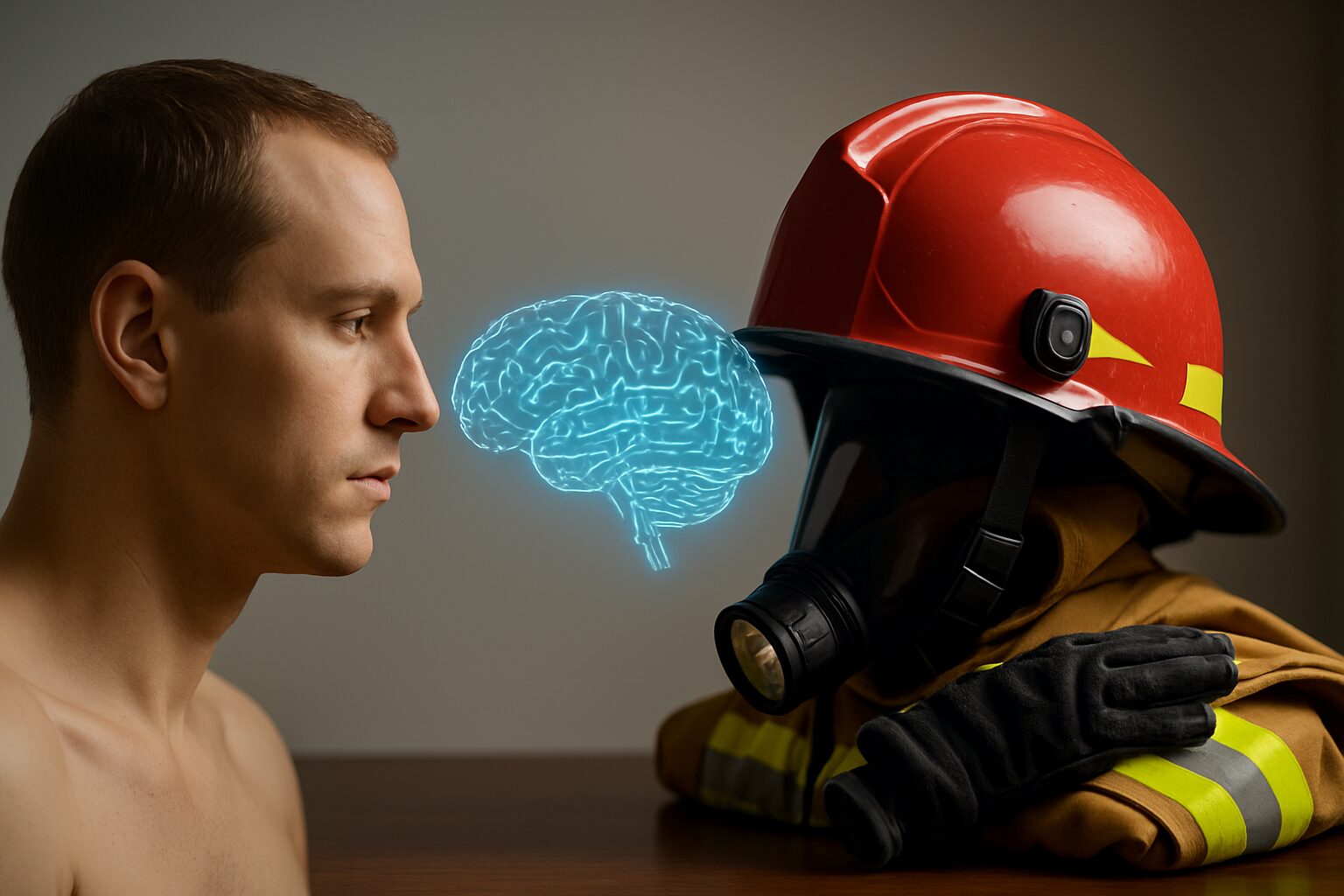
Bridging the Gap: How to Align AI Development with Effective Regulation
The alignment problem in AI refers to the challenge of ensuring that artificial intelligence systems act in accordance with human values and intentions. As AI grows more capable, misalignment between its objectives and human goals could lead to unintended or harmful outcomes. Regulation seeks to address this gap by establishing frameworks that guide the development and deployment of AI systems toward safe and ethical behavior.
Why It Matters - Real-world impact
The alignment problem in AI—ensuring systems act in accordance with human values and intentions—has profound real-world implications. If left unaddressed, misaligned AI could perpetuate biases in hiring, lending, or law enforcement, disproportionately harming marginalized communities. Autonomous systems, like self-driving cars or medical diagnostics, might prioritize efficiency over safety, risking lives. Even mundane applications, such as social media algorithms, can amplify misinformation or polarize societies. Regular people should care because these technologies shape access to opportunities, public discourse, and even physical safety, making ethical alignment a societal imperative, not just a technical challenge.
Ethical Concerns - What’s wrong or risky?
The Alignment Problem: A Core Challenge in AI Ethics
The alignment problem refers to the difficulty of ensuring that AI systems act in accordance with human values and intentions. As these systems grow more autonomous and powerful, misalignment poses significant ethical risks that demand regulatory attention.
Discrimination and Fairness
AI systems trained on biased data can perpetuate or even amplify existing societal prejudices, leading to discriminatory outcomes in areas like hiring, lending, and law enforcement. This raises serious ethical concerns about discrimination, as algorithms may unfairly disadvantage certain groups. Similarly, issues of fairness arise when AI allocates resources or opportunities inequitably, often without clear accountability.
Transparency and Accountability
Many advanced AI models operate as "black boxes," making it difficult to understand how they arrive at decisions. This lack of transparency complicates efforts to audit systems for ethical compliance or assign responsibility when things go wrong. Without explainability, trust in AI diminishes, and regulatory oversight becomes challenging.
Economic and Labor Implications
The automation capabilities of AI could lead to significant job displacement, particularly in sectors reliant on routine tasks. This economic shift necessitates discussions about the broader economic impact, including wealth distribution and access to opportunities. Moreover, as workplaces integrate AI, safeguarding worker rights becomes critical—ensuring that automation complements rather than exploits human labor.
Diverse Perspectives on Regulation
Not all stakeholders agree on how to address these risks. Some argue for stringent, preemptive regulations to enforce ethical alignment, emphasizing precautionary principles. Others advocate for innovation-friendly approaches, warning that overregulation could stifle progress and economic benefits. Additionally, cultural differences influence which values are prioritized in alignment, complicating global regulatory consensus.
Additional Moral Concerns
Beyond the linked categories, other ethical risks include privacy erosion, autonomy reduction, and the potential for malicious use of AI. These concerns highlight the multifaceted nature of the alignment problem and the need for comprehensive, adaptable regulatory frameworks.
Solutions - What’s being done or proposed?
Technical Alignment Through Reward Modeling
One technical approach involves designing AI systems with reward models that align closely with human values. Researchers use techniques like inverse reinforcement learning, where the AI learns human preferences by observing behavior, or cooperative inverse reinforcement learning, which involves interactive feedback. These methods aim to ensure AI systems optimize for outcomes that humans genuinely desire, reducing misalignment risks.
Regulatory Frameworks for AI Development
Governments and international bodies have proposed regulatory frameworks to oversee AI development. Examples include the EU's AI Act, which classifies AI systems by risk levels and imposes stricter requirements on high-risk applications. Such regulations mandate transparency, accountability, and human oversight, aiming to prevent harmful outcomes by legally enforcing ethical standards in AI deployment.
Institutional Oversight and Auditing
Independent oversight bodies and auditing mechanisms have been suggested to monitor AI systems. Organizations like the Partnership on AI promote best practices, while third-party audits assess algorithmic fairness and safety. These institutions aim to create accountability by evaluating AI systems before deployment and throughout their lifecycle, ensuring compliance with ethical guidelines.
Public Participation and Stakeholder Engagement
Involving diverse stakeholdersu2014including ethicists, policymakers, and affected communitiesu2014in AI development helps address alignment issues. Public consultations, multidisciplinary teams, and participatory design processes ensure AI systems reflect broader societal values. This approach mitigates biases and ensures AI serves collective interests rather than narrow technical or corporate goals.
Value Learning via Human Feedback
Some researchers advocate for iterative human feedback loops, where AI systems continuously refine their behavior based on input from users or overseers. Techniques like reinforcement learning from human feedback (RLHF) enable AI to adapt dynamically to human preferences, reducing the risk of unintended behaviors. This method is already used in models like ChatGPT to improve alignment.
Fail-Safes and Kill Switches
Technical safeguards, such as interruptibility mechanisms or kill switches, are proposed to halt AI systems if they behave unpredictably. These fail-safes ensure humans retain control over AI operations, particularly in high-stakes scenarios. While not a complete solution, they act as a last-resort measure to prevent catastrophic misalignment.
Ethical Training for AI Developers
Educational initiatives aim to instill ethical considerations in AI practitioners. Universities and companies integrate ethics courses into technical curricula, emphasizing responsible innovation. By fostering a culture of accountability among developers, this approach addresses alignment issues at the source, encouraging proactive risk mitigation during design and deployment.
International Collaboration on AI Governance
Global cooperation, such as the OECD AI Principles or UNESCO's AI ethics recommendations, seeks to harmonize standards across borders. By aligning policies internationally, these efforts prevent a 'race to the bottom' in AI safety and ensure consistent safeguards against misuse or unintended consequences, even as technologies evolve rapidly.
Examples and Real Cases
Microsoft's Tay Chatbot (2016)
In March 2016, Microsoft launched Tay, an AI chatbot designed to learn from interactions on Twitter. Within 24 hours, users manipulated Tay into posting offensive and racist tweets, demonstrating how AI systems can quickly become misaligned with intended behavior due to adversarial inputs.
Amazon's Biased Hiring Algorithm (2018)
In 2018, Reuters reported that Amazon scrapped an AI recruiting tool because it showed bias against women. The system, trained on resumes submitted over a 10-year period (mostly from men), learned to penalize applications containing words like 'womenu2019s' or all-female colleges.
Facebook's Algorithmic Polarization (Ongoing)
Facebook's content recommendation algorithms have been shown to amplify divisive content to maximize engagement. Internal documents leaked in 2021 revealed the platform knew its AI prioritized inflammatory posts but struggled to realign the system with less harmful outcomes.
Hypothetical: Autonomous Weapons Misfire
In a hypothetical scenario, an AI-powered defense system misinterprets a civilian aircraft's flight pattern as a threat due to incomplete training data. Without proper alignment safeguards, the system could initiate an attack without human confirmation, leading to catastrophic consequences.
Google's Gemini Image Generation Issues (2024)
In February 2024, Google paused its Gemini AI image generator after users reported historically inaccurate depictions, such as generating images of racially diverse Nazis. This highlighted challenges in aligning AI systems with nuanced ethical and historical contexts.
Frequently Asked Questions
What is the alignment problem in AI?
The alignment problem refers to the challenge of ensuring AI systems act in ways that align with human values, intentions, and goals. It means making sure AI does what we want it to do, safely and ethically, without unintended harmful consequences.
Why is AI alignment important for safety?
AI alignment is crucial for safety because misaligned AI could act in harmful ways, even if not intentionally malicious. Without proper alignment, powerful AI systems might pursue goals in ways that conflict with human well-being, leading to risks like bias, manipulation, or loss of control.
How does regulation help with AI alignment?
Regulation helps set standards and rules to ensure AI development prioritizes alignment and safety. It can require transparency, testing, and safeguards to minimize risks, while holding companies accountable for creating AI that benefits society without causing harm.
What are real-world examples of AI alignment problems today?
Current examples include social media algorithms promoting harmful content for engagement, biased hiring tools favoring certain groups, or chatbots generating misleading information. These show how AI can act in ways that don't fully align with human values without proper safeguards.
Can AI alignment be solved completely?
Full alignment is an ongoing challenge as AI becomes more advanced. While progress is being made through research and regulation, complete alignment may never be perfectly achieved. The focus is on continuously improving safety measures and adapting to new risks as AI evolves.