Building Fair and Accurate Facial Analysis Technology
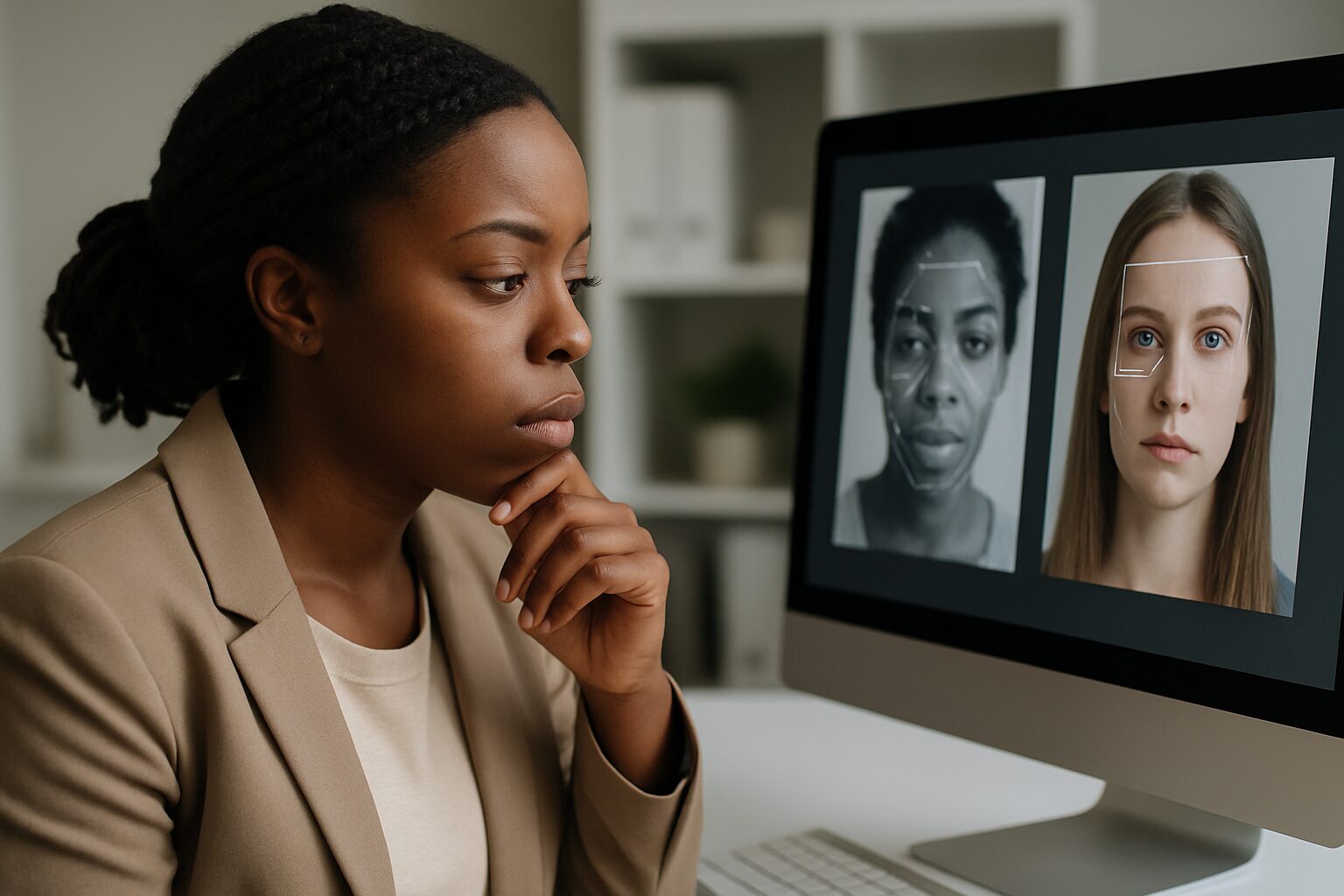
Facial recognition systems analyze images or videos to identify individuals, but they can exhibit bias due to imbalanced training data or flawed algorithms. This bias may lead to unequal accuracy across demographic groups, disproportionately affecting certain races, genders, or age ranges. Addressing these disparities requires careful design, testing, and ongoing evaluation to ensure fairness and reliability.
Why It Matters - Real-world impact
Bias in facial recognition systems has real-world consequences that disproportionately impact marginalized communities, including people of color, women, and non-binary individuals. Flawed algorithms can lead to misidentification, wrongful arrests, or unjust surveillance, exacerbating existing societal inequalities. In critical areas like law enforcement, hiring, or banking, biased systems may deny opportunities or falsely incriminate innocent individuals. Regular people should care because these technologies increasingly govern access to services, safety, and justice—often without transparency or accountability. Left unchecked, such biases risk automating discrimination at scale, eroding trust in institutions and deepening systemic inequities.
Ethical Concerns - What’s wrong or risky?
Understanding Ethical Risks in Facial Recognition Bias
Facial recognition systems, when biased, pose significant ethical risks. One major concern is fairness, as these systems may perform poorly on certain demographic groups, leading to unequal treatment. This ties directly into discrimination, where biased algorithms can reinforce and amplify societal prejudices, affecting access to services or opportunities.
Transparency and Accountability
Lack of transparency in how these systems are designed and trained makes it difficult to identify or correct biases, raising moral questions about accountability when errors occur.
Economic and Employment Implications
Biased systems can also have an economic impact, such as unfairly denying loans or employment based on flawed recognition. This relates to concerns about job loss if automation replaces human roles without equitable oversight, and broader issues around worker rights in surveillance-heavy environments.
Differing Perspectives
Not everyone agrees on the severity of these risks. Some argue that technological advancements will eventually mitigate bias, while others emphasize that without strict regulation, the harms outweigh the benefits. There is also debate on whether transparency can be balanced with proprietary interests, or if economic efficiencies justify potential downsides.
Solutions - What’s being done or proposed?
Diverse Dataset Collection
One technical approach to reducing bias in facial recognition systems is ensuring the training datasets are diverse and representative of all demographic groups. This includes collecting images across different ages, genders, ethnicities, and lighting conditions. Companies like IBM and Microsoft have released more balanced datasets to address historical imbalances. However, challenges remain in obtaining truly comprehensive datasets due to privacy concerns and logistical hurdles.
Algorithmic Auditing and Transparency
Regular audits of facial recognition algorithms by independent third parties can help identify and mitigate biases. Organizations like the Algorithmic Justice League advocate for transparency in AI systems, urging developers to disclose accuracy rates across different demographics. Some jurisdictions are considering laws mandating such audits, though enforcement and standardization of auditing practices are still evolving.
Legal and Regulatory Frameworks
Governments and regulatory bodies have begun implementing laws to curb biased facial recognition. For example, the EU's AI Act proposes strict regulations on high-risk AI systems, including facial recognition. In the U.S., cities like San Francisco have banned police use of facial recognition over bias concerns. These legal measures aim to hold developers accountable, but global consistency in regulations remains a challenge.
Bias Mitigation Techniques in Model Training
Researchers have developed technical methods to reduce bias during model training, such as adversarial debiasing and fairness constraints. These techniques adjust the algorithm to minimize disparities in accuracy across groups. While promising, they often require trade-offs between fairness and overall performance, and their effectiveness varies depending on the specific use case.
Community Engagement and Ethical Guidelines
Involving diverse stakeholdersu2014including ethicists, civil rights groups, and affected communitiesu2014in the development process can help identify potential biases early. Institutions like the IEEE and Partnership on AI have published ethical guidelines for facial recognition. However, voluntary adherence to these guidelines lacks enforcement, and broader adoption is needed.
Alternative Technologies or Human Oversight
Some organizations have opted to replace or supplement facial recognition with less biased alternatives, such as manual verification or other biometric methods. In high-stakes applications, human oversight is recommended to review AI decisions. While this can reduce harm, it may also introduce inefficiencies and subjectivity, depending on the context.
Examples and Real Cases
Gender Shades Study (2018)
In 2018, Joy Buolamwini and Timnit Gebru published the Gender Shades study, which evaluated facial recognition systems from IBM, Microsoft, and Face++. The study found these systems had significantly higher error rates for darker-skinned women (up to 34.7%) compared to lighter-skinned men (error rates as low as 0.8%).
Wrongful Arrest of Robert Williams (2020)
In January 2020, Robert Williams, a Black man, was wrongfully arrested in Detroit due to a false facial recognition match. The system incorrectly identified him as a shoplifting suspect, leading to his detention despite having an alibi.
Amazon Rekognition Congressional Testimony (2019)
During 2019 Congressional hearings, Amazon's Rekognition system was shown to misidentify 28 members of Congress as criminal suspects, with disproportionate errors for people of color. This demonstration highlighted racial bias in the commercial facial recognition system.
UK Metropolitan Police Trials (2020-2021)
The UK Metropolitan Police's live facial recognition trials in London between 2020-2021 showed an 81% false positive rate. Independent analysis found the system was more likely to misidentify Black individuals, raising concerns about disproportionate impacts on minority communities.
Hypothetical: Airport Security Screening
In a hypothetical scenario, an airport's facial recognition system for passport control consistently flags travelers from certain ethnic backgrounds for additional screening. While the system achieves 95% accuracy for Caucasian travelers, its error rate jumps to 25% for travelers with darker skin tones, causing unnecessary delays and frustration.
Frequently Asked Questions
What is bias in facial recognition systems?
Bias in facial recognition systems refers to errors or unfair outcomes that disproportionately affect certain groups of people, often due to imbalanced training data or flawed algorithms. For example, some systems may struggle to accurately recognize faces of people with darker skin tones or women.
Why is addressing bias in facial recognition important?
Addressing bias is crucial because unfair facial recognition can lead to real-world harm, such as wrongful arrests, discrimination, or exclusion. Ensuring fairness helps build trust in technology and promotes equal treatment for all individuals, regardless of race, gender, or other characteristics.
How does bias occur in facial recognition systems?
Bias often occurs when the training data used to develop the system lacks diversity (e.g., mostly light-skinned male faces) or when the algorithm isn't tested across diverse groups. This can cause the system to perform poorly for underrepresented populations.
What are some best practices to reduce bias in facial recognition?
Best practices include using diverse and representative training datasets, regularly testing the system across different demographic groups, improving transparency in how the system works, and involving ethicists or fairness experts in the development process.
Can biased facial recognition systems be fixed?
Yes, but it requires ongoing effort. Developers can retrain models with better data, implement fairness metrics, and update algorithms to reduce disparities. Continuous monitoring and improvement are key to minimizing bias over time.