The Future of Identity: How Public Cameras Are Changing Security
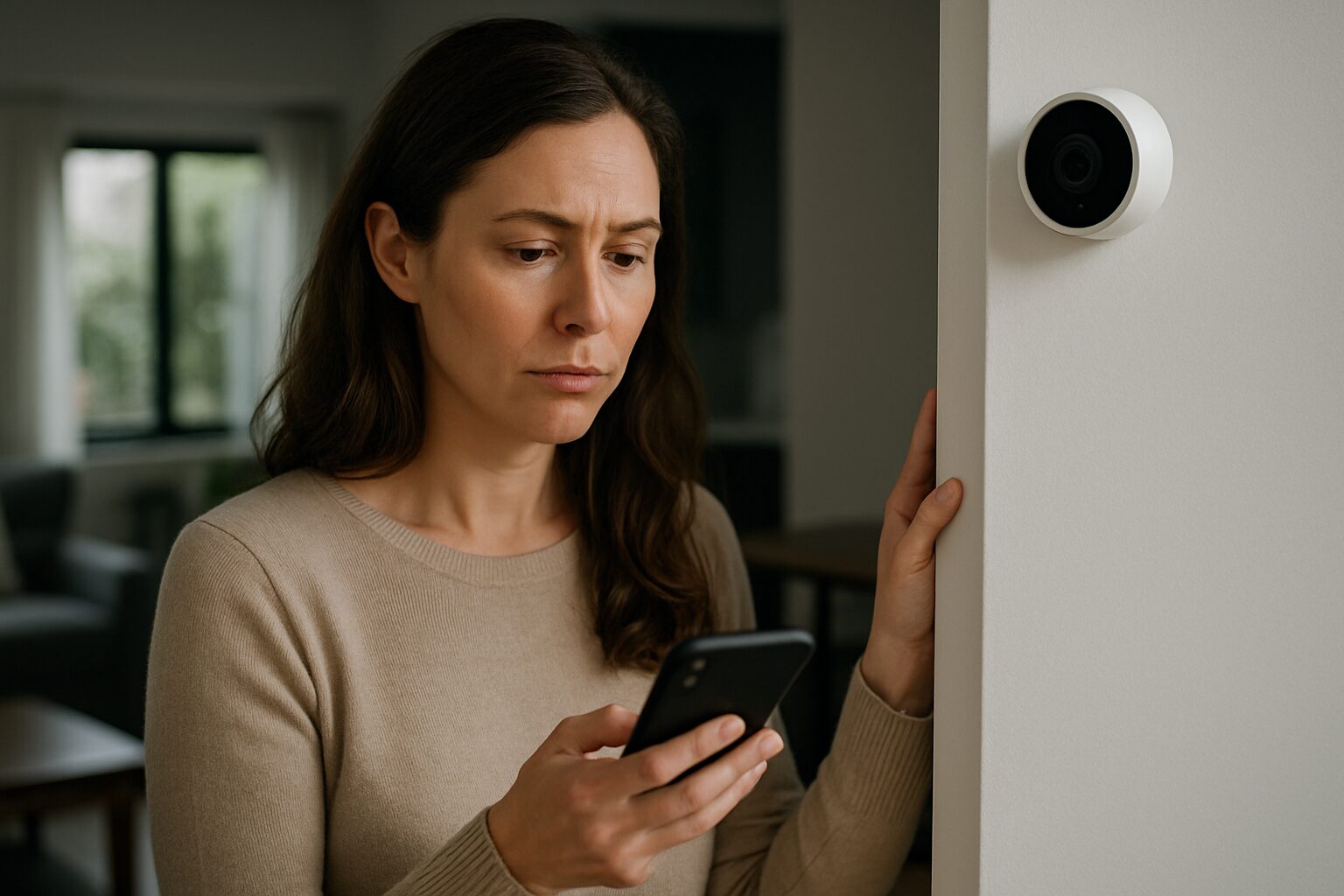
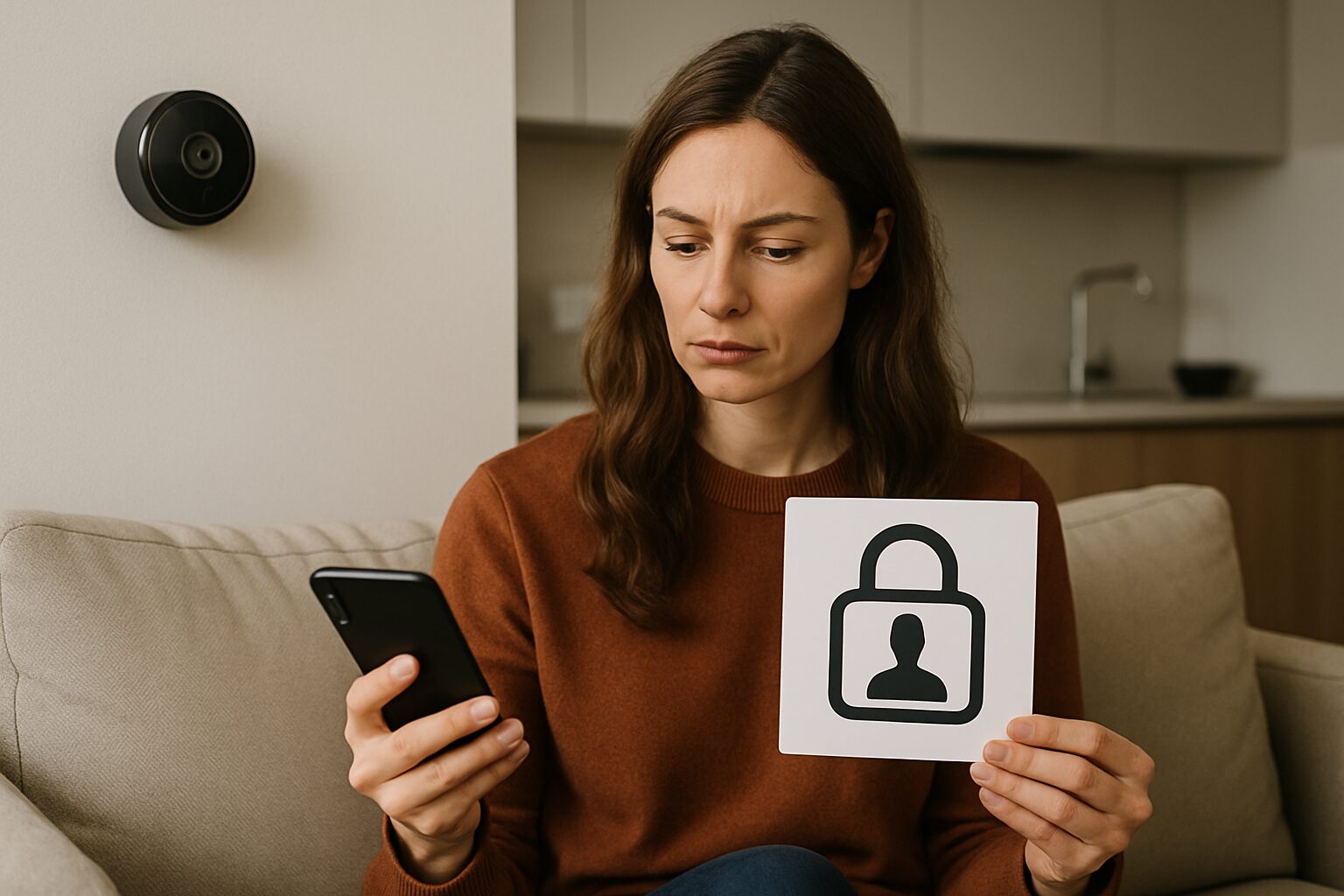
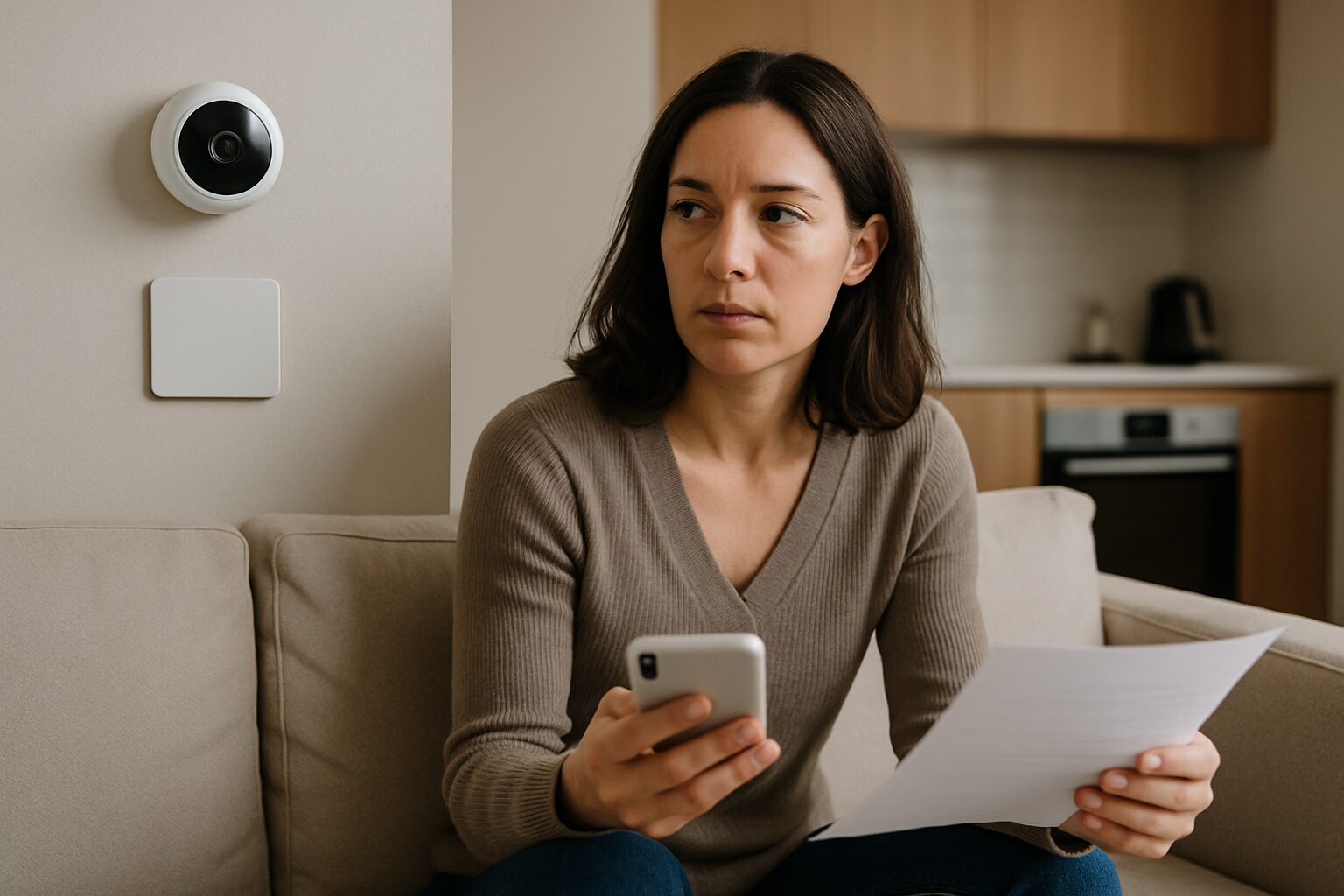
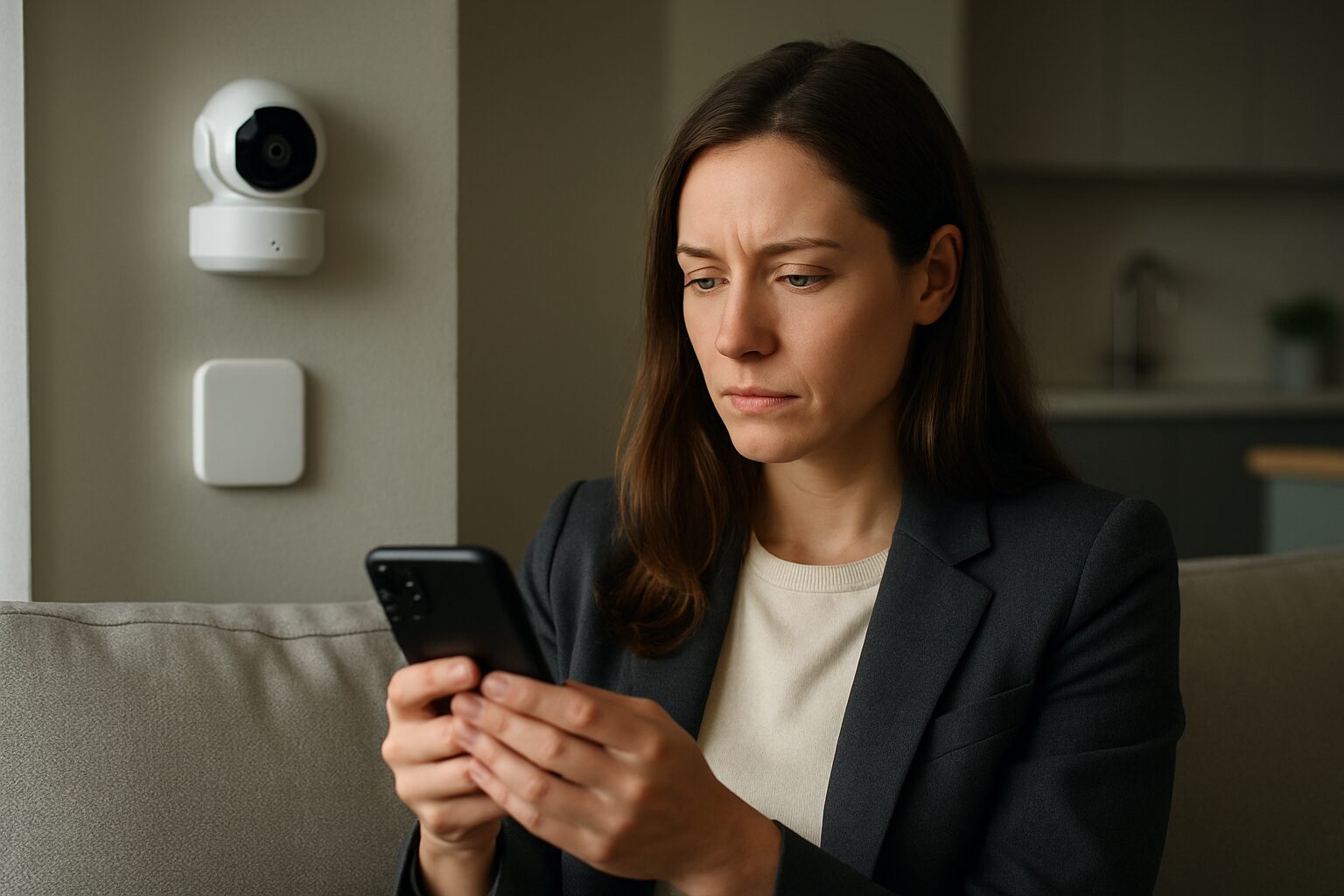
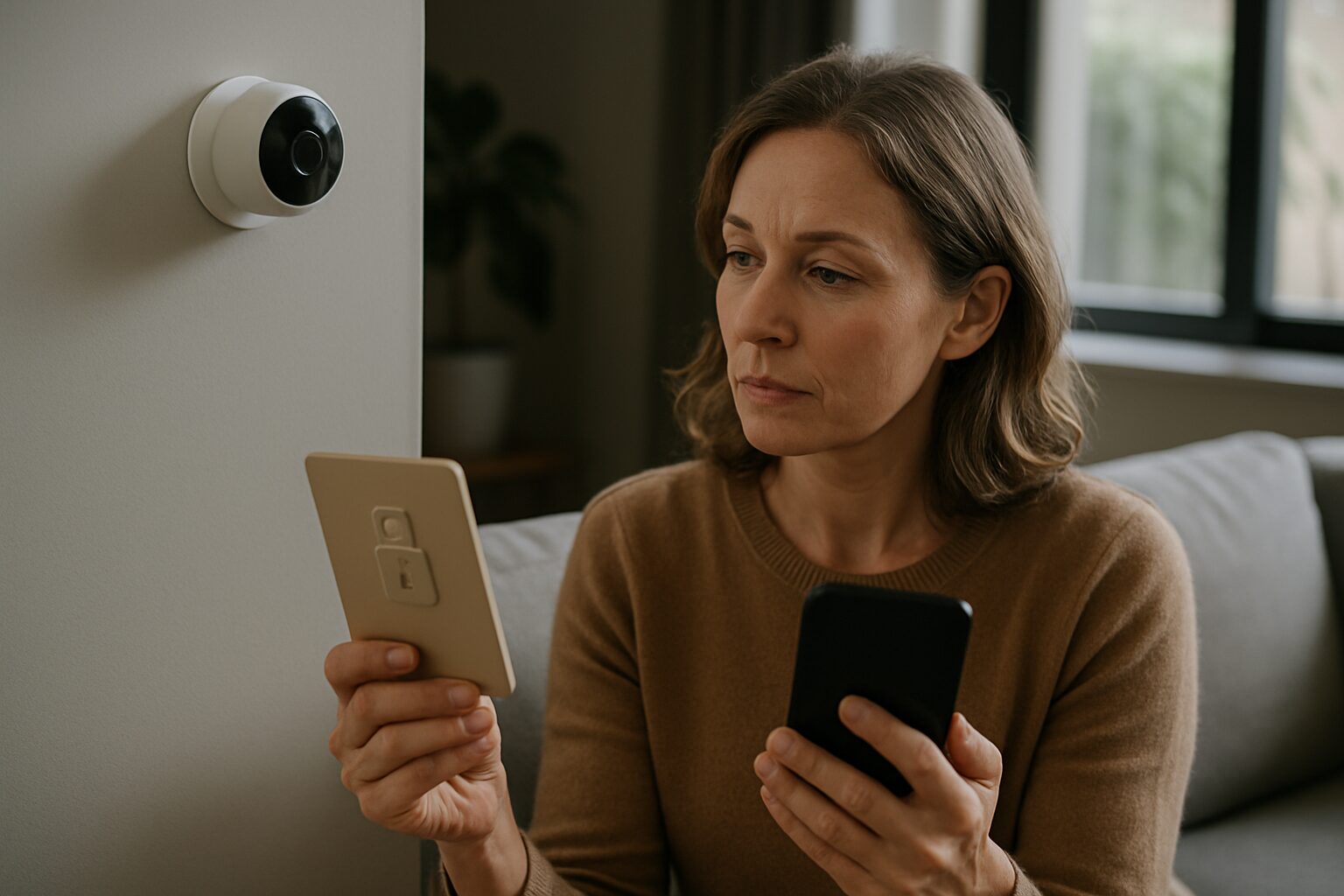
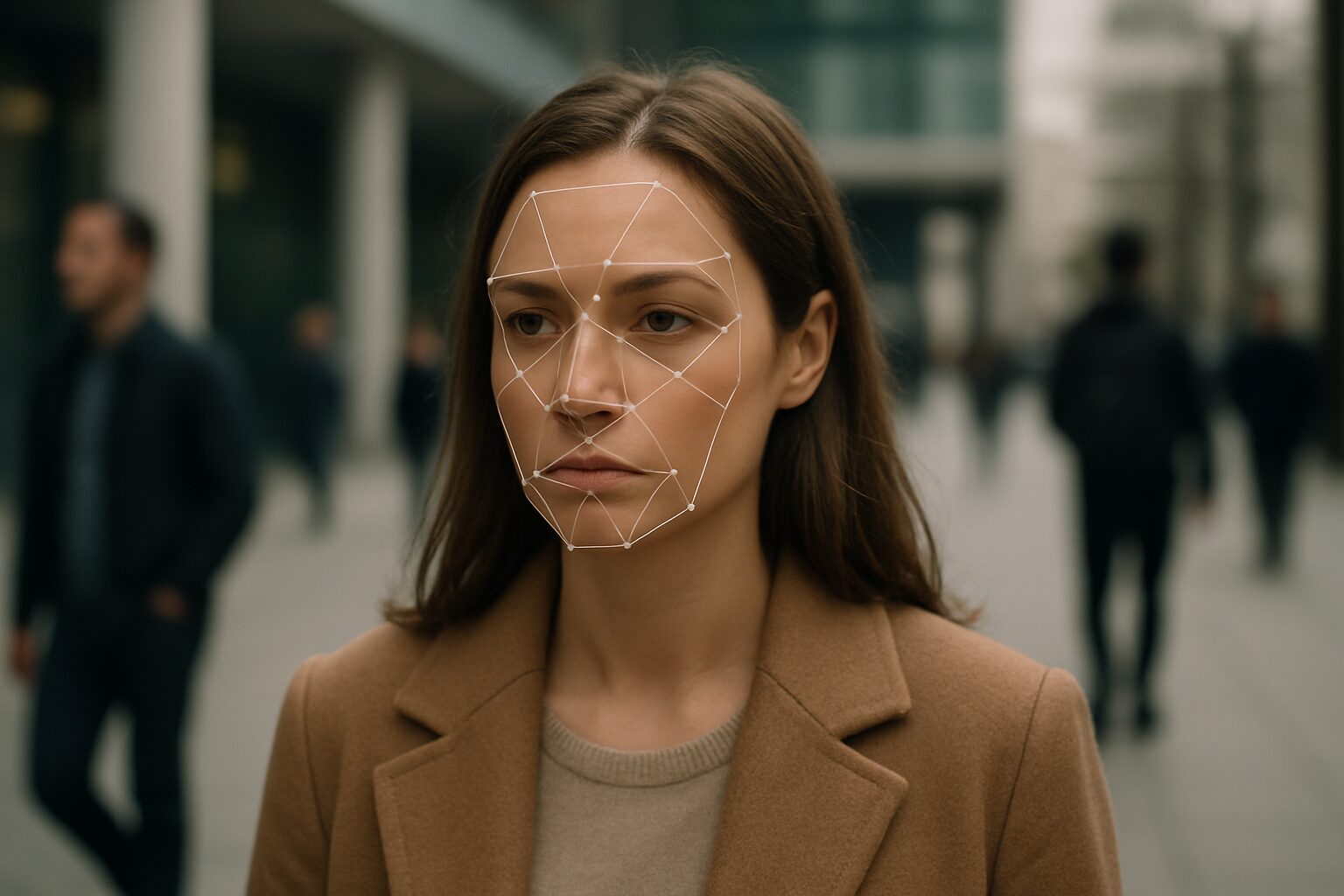
Facial recognition technology in public spaces involves the use of AI to identify individuals by analyzing their facial features from images or video footage. This raises ethical concerns about privacy, as it often operates without explicit consent or public awareness. The issue centers on how this technology balances security benefits with potential intrusions into personal freedoms.
Why It Matters - Real-world impact
Facial recognition in public spaces raises urgent ethical concerns because it impacts everyone—citizens, marginalized communities, and even governments. The technology risks normalizing mass surveillance, eroding privacy, and enabling misuse, such as wrongful arrests or discriminatory targeting based on race, gender, or political views. Vulnerable groups, including minorities and activists, often bear the brunt of these harms, facing heightened scrutiny or repression. For regular people, the unchecked spread of such systems means living in a society where anonymity in public becomes a relic of the past, and personal data can be weaponized without consent. The stakes are high: once deployed, these systems are difficult to roll back, making proactive public awareness and regulation critical.
Ethical Concerns - What’s wrong or risky?
Facial Recognition in Public Spaces: Ethical Risks
The deployment of facial recognition technology in public areas raises significant ethical concerns, particularly around privacy and consent. These systems, often implemented without public consultation, can lead to a range of moral issues that demand careful consideration.
Discrimination and Fairness
One of the most pressing issues is the potential for discrimination, as algorithms may perform less accurately on certain demographic groups, leading to biased outcomes. This ties directly into concerns about fairness, where unequal treatment can exacerbate existing social inequalities.
Transparency and Accountability
Another critical area is the lack of transparency in how these systems operate. Without clear information on data usage, algorithm training, or decision-making processes, it becomes difficult to hold entities accountable for errors or misuse.
Economic and Employment Concerns
Some argue that the proliferation of surveillance technologies could lead to significant economic impact, including shifts in public spending and private investment. Additionally, there are fears about job loss in sectors where human oversight is replaced by automated systems, though proponents claim it may create new tech-focused roles.
Worker Rights and Broader Issues
Expanding surveillance also intersects with worker rights, particularly for those monitored in public-facing roles, raising questions about dignity and autonomy. Beyond these, other moral concerns include the erosion of anonymity, the potential for function creep, and the psychological impact of constant monitoring.
Diverse Perspectives
Not everyone views these risks uniformly. Advocates emphasize the benefits for public safety, crime prevention, and efficiency, arguing that with proper regulation, risks can be mitigated. Critics, however, stress that without robust legal frameworks and public consent, the technology poses a fundamental threat to civil liberties.
Solutions - What’s being done or proposed?
Legislative Bans and Restrictions
Several cities and countries have implemented bans or strict regulations on the use of facial recognition technology in public spaces. For example, San Francisco and Portland have prohibited government use of facial recognition, while the EU has proposed stringent rules under its AI Act to limit its deployment. These measures aim to protect privacy and prevent misuse, though enforcement remains a challenge.
Transparency and Public Oversight
Advocates have called for mandatory transparency reports from organizations using facial recognition, detailing how the technology is deployed, its accuracy rates, and its impact on marginalized groups. Public oversight committees could review these reports to ensure accountability. This approach seeks to balance utility with ethical considerations, though it relies on institutional cooperation.
Technical Safeguards and Accuracy Improvements
Developers are working on improving algorithmic fairness and reducing bias in facial recognition systems, particularly for underrepresented demographics. Techniques include diverse training datasets and third-party audits. Some propose 'privacy-preserving' designs, such as systems that blur faces unless a match is confirmed, though these solutions are still in early stages.
Opt-In Consent Frameworks
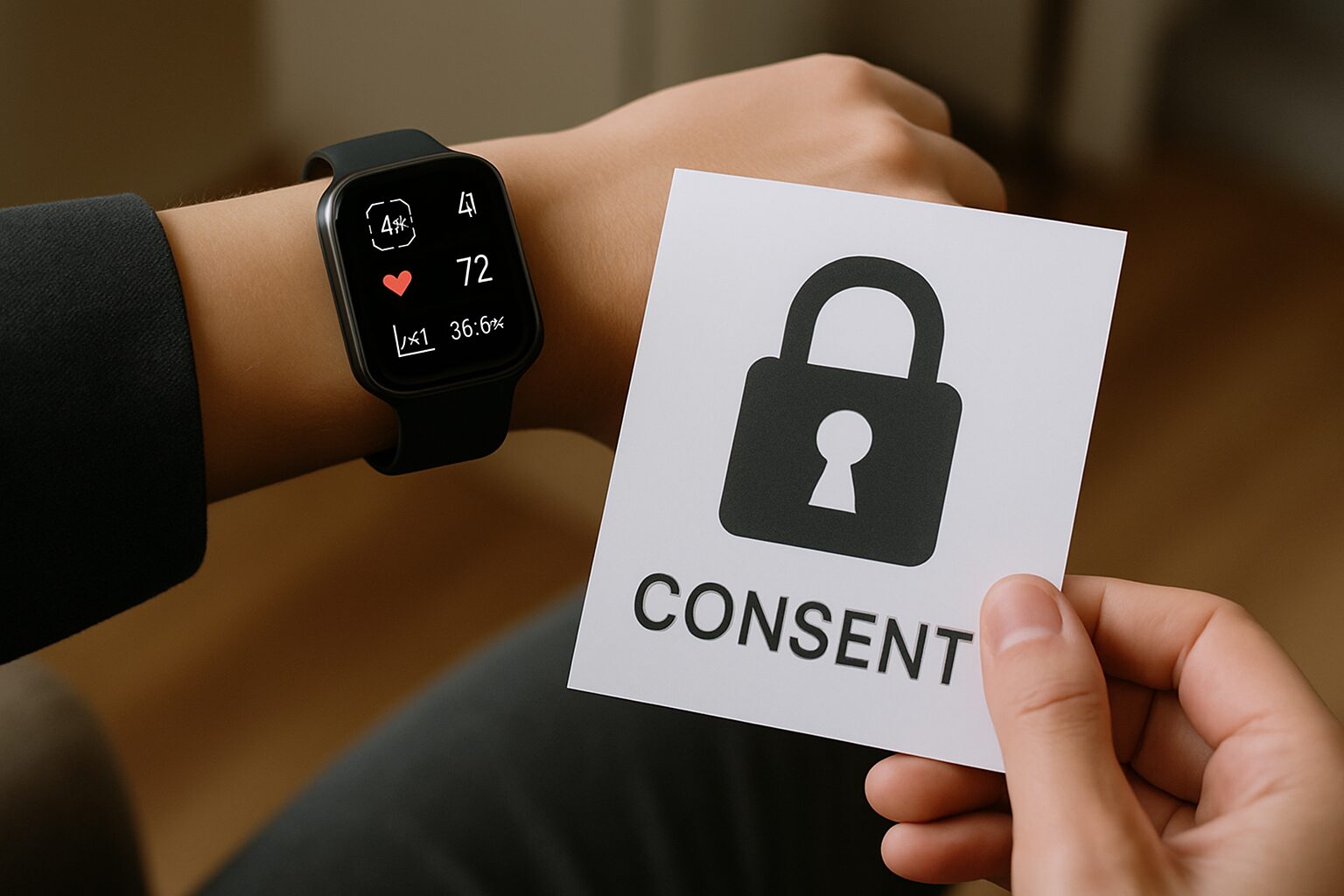
Some suggest requiring explicit opt-in consent for facial recognition in public spaces, similar to data privacy laws like GDPR. This would allow individuals to choose whether their biometric data is processed. However, critics argue this is impractical in crowded or surveilled areas where avoiding the technology may be impossible.
Community-Based Alternatives
Grassroots movements have promoted community-driven surveillance alternatives, such as neighborhood watch programs or non-biased security measures. These prioritize human oversight over automated systems. While these solutions avoid some ethical pitfalls, they may lack the scalability of facial recognition technology.
Examples and Real Cases
Clearview AI and Law Enforcement
In 2020, Clearview AI faced backlash for scraping billions of images from social media to create a facial recognition database used by law enforcement. The company's practices raised privacy concerns, leading to lawsuits and bans in several countries, including Canada and Australia.
San Francisco's Ban on Facial Recognition
In May 2019, San Francisco became the first major U.S. city to ban the use of facial recognition technology by police and other government agencies. The decision was driven by concerns over racial bias and the potential for misuse in surveillance.
London's King's Cross Development
In 2019, it was revealed that the King's Cross Central development in London used facial recognition cameras without public consent. The controversy led to an investigation by the UK's Information Commissioner's Office, which highlighted the lack of transparency and legal basis for such surveillance.
Hypothetical: Smart City Surveillance
In a hypothetical scenario, a smart city deploys facial recognition at all public transit stations to monitor commuters. While intended to reduce crime, the system lacks clear consent mechanisms, leading to public outcry over privacy violations and potential misuse of data.
China's Social Credit System
China's widespread use of facial recognition in public spaces, tied to its Social Credit System, has raised global ethical concerns. Cameras track citizens' behavior, affecting their social scores, with critics arguing it infringes on privacy and freedoms.
Frequently Asked Questions
What is facial recognition in public spaces?
Facial recognition in public spaces is a technology that uses cameras and software to identify or verify individuals by analyzing their facial features in real-time or from recorded footage. It is often used for security, surveillance, or marketing purposes in places like airports, shopping malls, or streets.
Why is facial recognition in public spaces controversial?
Facial recognition in public spaces is controversial because it raises privacy concerns, as people may be tracked without their consent. There are also worries about accuracy, bias (especially against certain racial or gender groups), and misuse by governments or companies for surveillance beyond its intended purpose.
Do I have to give consent for facial recognition in public?
In many places, nou2014public spaces often don't require individual consent for facial recognition since they are considered 'open' areas. However, laws vary by country, and some regions (like parts of the EU) have stricter rules requiring transparency or opt-out options.
How can I protect my privacy from facial recognition in public?
To reduce exposure, you can wear hats, sunglasses, or masks that obscure facial features, though this isn't foolproof. Some activists also advocate for laws limiting facial recognition use. Checking local regulations and supporting privacy-focused policies can help push for broader protections.
Where is facial recognition in public spaces commonly used today?
Facial recognition is used in many places, including airports (for security and boarding), retail stores (to prevent theft or personalize ads), and city surveillance systems (for law enforcement). Some cities or countries have banned or restricted it due to privacy concerns.