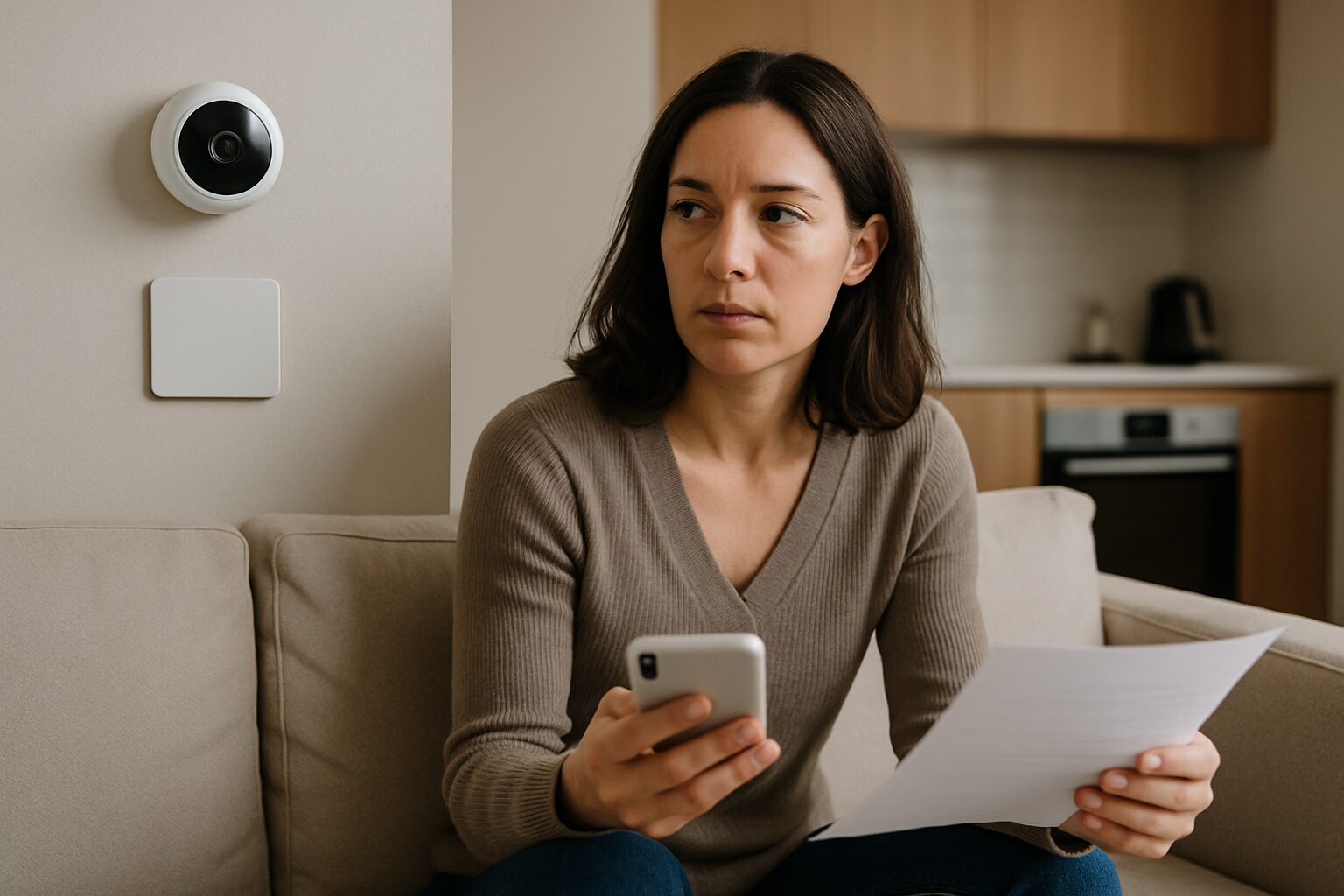
Smart Home Spy: How Your Devices Watch and Learn
AI tracking in smart homes involves the collection and analysis of user data by connected devices, such as voice assistants, security cameras, and sensors. This raises privacy concerns, as the technology often operates continuously and may gather personal information without explicit awareness or consent. The issue centers on how data is stored, shared, and used, as well as whether users have meaningful control over these processes.
Why It Matters - Real-world impact
AI tracking in smart homes raises critical ethical concerns because it directly impacts personal privacy and autonomy. Homeowners, renters, and even guests are affected, as devices like smart speakers, cameras, and thermostats collect vast amounts of sensitive data—ranging from daily routines to private conversations. Without proper safeguards, this data can be misused by corporations, hackers, or even governments, leading to surveillance, discrimination, or identity theft. Regular people should care because the erosion of privacy in what should be the safest of spaces—the home—sets a dangerous precedent for broader societal control. The normalization of constant monitoring also risks desensitizing individuals to intrusions that could escalate in workplaces or public spaces.
Ethical Concerns - What’s wrong or risky?
AI Tracking in Smart Homes: Navigating Ethical Risks
As smart homes become more integrated with AI tracking capabilities, ethical concerns around privacy and consent are increasingly prominent. These systems, which monitor activities, behaviors, and preferences, raise several moral issues that demand careful consideration.
Transparency and Informed Consent
A core ethical risk involves transparency. Many users are unaware of the extent to which their data is collected, analyzed, or shared. Without clear communication, consent becomes meaningless, undermining autonomy and trust in technology.
Discrimination and Bias
AI systems can perpetuate or even amplify societal biases. For instance, if tracking data is used to make inferences about behavior—such as sleep patterns or energy usage—it could lead to discriminatory outcomes in areas like insurance or lending, raising concerns about discrimination.
Fairness in Data Usage
Questions of fairness arise when AI tracking influences decisions that affect users' lives. For example, if smart home data is used by employers or landlords to assess reliability, it may disadvantage those with irregular schedules or limited resources, creating inequitable outcomes.
Economic and Power Imbalances
The aggregation of data by corporations can exacerbate economic disparities, as companies profit from user information while individuals may see little benefit or even face financial harm from data misuse.
Worker Rights in the Smart Home Ecosystem
For those employed in roles involving smart home technologies—such as installers or maintenance staff—AI tracking could infringe on worker rights, through surveillance or automated decision-making that affects job security and conditions.
Differing Perspectives
Not all stakeholders view these risks uniformly. Some argue that AI tracking enhances convenience, security, and efficiency, justifying data collection. Others prioritize privacy and autonomy, advocating for stricter regulations and user control. Balancing these viewpoints is essential for ethical development.
Additional Ethical Concerns
Beyond the linked issues, risks include loss of anonymity, potential for misuse by malicious actors, and the psychological impact of constant monitoring. Each of these underscores the need for robust ethical frameworks and proactive measures.
Solutions - What’s being done or proposed?
Legislation and Regulatory Frameworks
Several countries have introduced or proposed laws to regulate AI tracking in smart homes, such as the GDPR in Europe and the CCPA in California. These laws require companies to obtain explicit consent from users before collecting data, provide transparency about data usage, and allow users to opt out. Advocates argue that stronger, more specific regulations are needed to address the unique challenges posed by AI in home environments.
Local Data Processing
Some smart home device manufacturers have started offering local data processing as an alternative to cloud-based AI. This means data is processed directly on the device rather than being sent to remote servers, reducing privacy risks. While this approach limits the capabilities of AI due to hardware constraints, it provides users with greater control over their personal information.
Transparency and User Control Features
Companies have introduced features that allow users to see what data is being collected and how it is being used. For example, dashboards that display data access logs or settings to customize tracking levels. These tools aim to empower users with knowledge and control, though critics note that interfaces can sometimes be complex or misleading.
Open-Source and Auditable AI Systems
Open-source smart home platforms have emerged, allowing users and third parties to audit the AI algorithms for privacy violations or biases. These systems provide transparency but require technical expertise to implement and maintain, limiting their accessibility to the average consumer.
Consumer Advocacy and Education
Non-profits and consumer groups have launched campaigns to educate the public about AI tracking risks and best practices for protecting privacy. Workshops, guides, and certification programs help users make informed decisions about smart home devices. However, reaching a broad audience remains a challenge.
Privacy-Focused AI Alternatives
Some startups and researchers are developing AI models that prioritize privacy by design, such as federated learning or differential privacy techniques. These methods aim to provide smart home functionality while minimizing data exposure. Adoption is still limited due to higher costs and performance trade-offs.
Industry Self-Regulation and Standards
Tech industry groups have proposed voluntary standards for ethical AI use in smart homes, including privacy certifications and best practice guidelines. While these initiatives encourage accountability, enforcement is inconsistent, and compliance is often optional.
Examples and Real Cases
Amazon Ring Doorbell Data Sharing with Police (2019)
In 2019, it was revealed that Amazon's Ring doorbell cameras had partnerships with over 400 police departments in the US, allowing law enforcement to request user footage without a warrant. This raised concerns about mass surveillance and lack of user consent, as many homeowners were unaware their devices could be used for neighborhood policing.
Google Nest Audio Recording Leak (2020)
In 2020, a Dutch family discovered their private conversations were being recorded by a Google Nest security camera and sent to a stranger's device. The incident occurred due to a technical error where the device was incorrectly linked to another user's account, exposing sensitive household audio without consent.
Roomba Robot Vacuum Mapping Data Sold to Tech Companies (Hypothetical)
In a realistic hypothetical scenario, iRobot's Roomba could collect detailed floor plans of homes through its mapping technology. If this data were sold to tech companies without explicit user consent, it could reveal intimate details about living spaces, furniture ownership, and daily routines for targeted advertising purposes.
Facebook Portal Smart Camera Privacy Concerns (2018)
When Facebook launched its Portal smart home cameras in 2018, privacy experts raised alarms about the device's data collection practices given Facebook's history with user data. While Facebook claimed calls were encrypted, concerns remained about metadata collection and potential access to sensitive in-home conversations and activities.
Smart TV Voice Recording by Samsung (2015)
In 2015, Samsung's smart TV privacy policy revealed that voice commands spoken to the TV were being recorded and transmitted to third parties. This meant private conversations near the TV could potentially be captured and analyzed without users' knowledge or explicit consent for each recording.
Frequently Asked Questions
What is AI tracking in smart homes?
AI tracking in smart homes refers to the use of artificial intelligence to monitor and analyze activities within a home, such as movement, device usage, or even voice commands, to automate tasks or provide insights.
Why is privacy important in AI tracking for smart homes?
Privacy is crucial because AI tracking collects personal data, like daily routines or voice recordings, which could be misused if not properly secured. Protecting this data ensures your personal information stays safe.
Do I need to give consent for AI tracking in my smart home?
Yes, most smart home devices require your consent to collect and process data. Always review privacy policies and settings to understand what data is being tracked and how itu2019s used.
How can I limit AI tracking in my smart home?
You can limit tracking by adjusting privacy settings, disabling unnecessary features, using offline modes, or choosing devices with strong data protection policies.
What are the benefits of AI tracking in smart homes?
AI tracking can improve convenience by automating tasks (like adjusting lights or thermostats), enhance security (through motion detection), and provide energy savings by optimizing device usage.