Protecting Your Digital Identity in the Age of Smart Technology
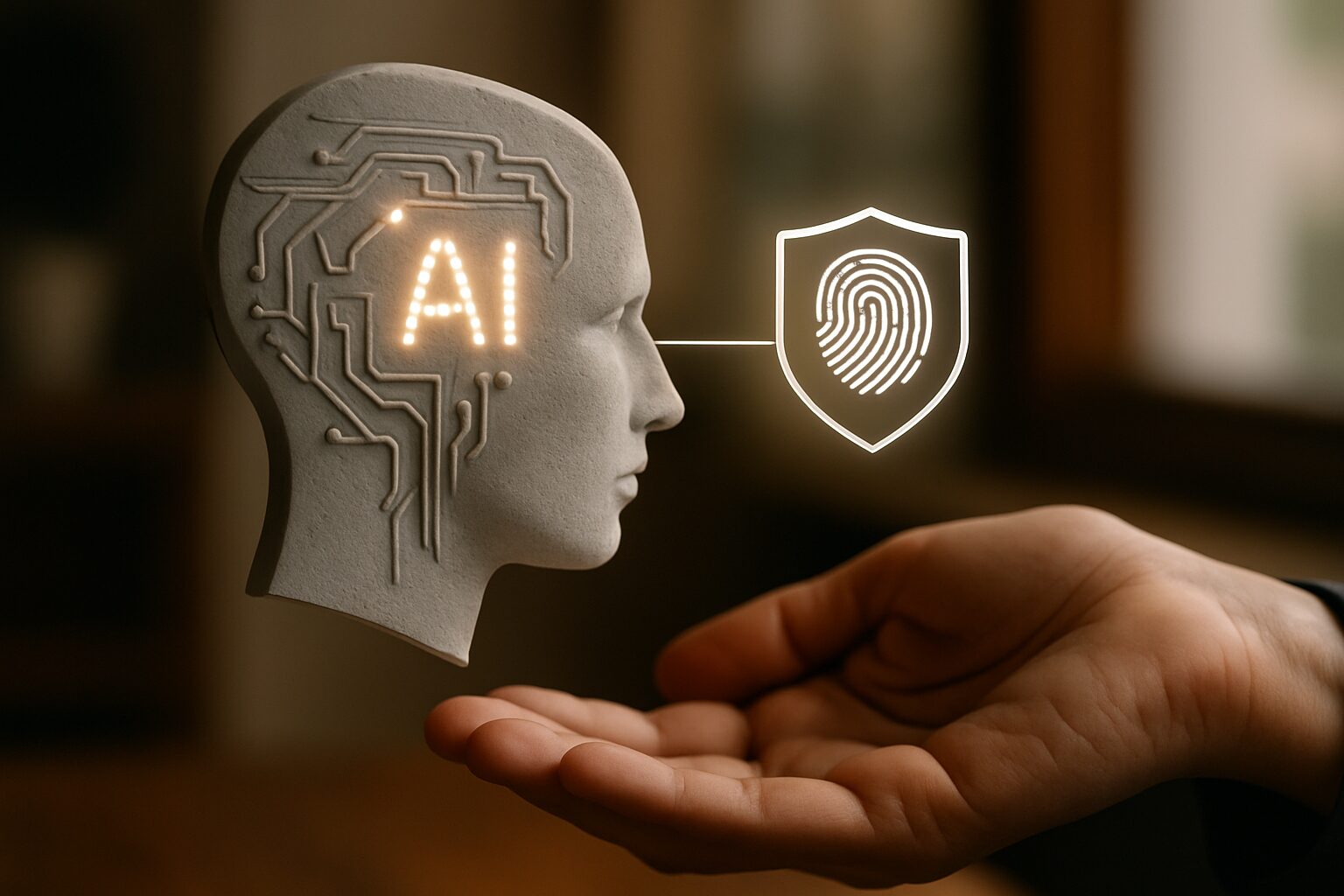
AI systems increasingly rely on biometric data—such as fingerprints, facial scans, or voice patterns—to verify identity or personalize services. This raises concerns about how such sensitive information is collected, stored, and used, particularly without explicit user consent. The challenge lies in balancing technological advancements with the protection of individual privacy rights.
Why It Matters - Real-world impact
The ethical use of AI in handling biometric data—such as facial recognition, fingerprints, or voice patterns—has profound real-world implications for individuals and society. From employees subjected to workplace surveillance to marginalized communities disproportionately targeted by biased algorithms, the misuse of biometric data can lead to privacy violations, discrimination, and even wrongful arrests. If corporations or governments deploy these technologies without transparency or consent, individuals lose control over their most personal identifiers, risking identity theft or perpetual monitoring. Everyday citizens should care because once biometric data is compromised, it cannot be replaced like a password—its abuse can have irreversible consequences. The stakes are high: without proper safeguards, AI-driven biometric systems threaten fundamental rights to autonomy and anonymity in an increasingly digitized world.
Ethical Concerns - What’s wrong or risky?
AI and Biometric Data Privacy: Navigating Ethical Risks
As artificial intelligence integrates deeper into biometric systems—such as facial recognition, fingerprint scans, and voice identification—ethical concerns around privacy and consent intensify. These technologies collect and process highly personal data, raising significant moral questions.
Discrimination Risks
Biometric AI systems can perpetuate or even amplify societal biases. For example, facial recognition algorithms have demonstrated higher error rates for people of color and women, leading to potential misidentification and unjust treatment. This ties directly into broader Ethical Concerns: Discrimination, where automated decisions reinforce existing inequalities.
Fairness in Application
Questions of fairness arise when biometric data is used in contexts like hiring, law enforcement, or access to services. If the data or algorithms are flawed, outcomes may be systematically unfair to certain groups. Ensuring equitable design and deployment is critical, as highlighted in discussions on Ethical Concerns: Fairness.
Transparency and Accountability
Many AI-driven biometric systems operate as "black boxes," making it difficult to understand how decisions are made. Lack of transparency can erode trust and complicate accountability, especially when errors occur. Advocates for Ethical Concerns: Transparency argue that users have a right to know how their data is being used and judged.
Economic and Power Imbalances
The collection of biometric data often benefits corporations or governments more than individuals, creating power asymmetries. This can lead to exploitation, such as monetizing data without fair compensation or consent. These dynamics relate to worries about the Ethical Concern: Economic Impact of AI, where profits may prioritize over privacy.
Worker and Individual Rights
In workplaces, biometric surveillance—like monitoring employee attendance or productivity—can infringe on dignity and autonomy. Critics argue this may dehumanize labor and undermine rights, a perspective detailed under Ethical Concerns: Worker Rights. Not all agree; some employers view it as essential for security and efficiency.
Diverse Perspectives
Supporters of biometric AI argue that these technologies enhance security, streamline services, and reduce fraud. They may see privacy trade-offs as necessary for public safety or convenience. Conversely, privacy advocates stress that consent is often coerced or uninformed, and the risks of abuse or function creep—where data is used beyond its original purpose—are too high. Cultural differences also shape views; some societies prioritize collective security, while others emphasize individual rights.
Additional Ethical Worries
Beyond the linked categories, other concerns include irrevocability (biometric data, unlike passwords, cannot be changed if compromised) and the potential for mass surveillance, which could chill free expression and association. These issues challenge fundamental human rights and demand robust ethical frameworks and regulations.
Solutions - What’s being done or proposed?
Stronger Legal Frameworks and Regulations
Governments and regulatory bodies have proposed stricter laws to govern the collection, storage, and use of biometric data by AI systems. Examples include the EU's General Data Protection Regulation (GDPR), which imposes heavy penalties for misuse, and the Biometric Information Privacy Act (BIPA) in Illinois, USA, which requires explicit consent. These frameworks aim to ensure transparency, accountability, and user control over personal data.
Decentralized Data Storage
Technical solutions like decentralized storage systems (e.g., blockchain) have been suggested to reduce the risks of centralized data breaches. By distributing biometric data across secure nodes, users retain ownership, and access can be tightly controlled. This minimizes single points of failure and makes unauthorized access more difficult.
Differential Privacy Techniques
Researchers have proposed integrating differential privacy into AI systems handling biometric data. This technique adds statistical noise to datasets, making it harder to identify individuals while still allowing useful analysis. It balances utility and privacy, particularly in facial recognition or fingerprint-matching applications.
Ethical AI Certification Programs
Institutions and industry groups have developed certification programs to audit AI systems for ethical compliance, including biometric data usage. Companies adhering to these standards can earn trust marks, signaling responsible practices. Examples include the IEEE's certification initiatives and third-party audits by privacy-focused organizations.
Public Awareness and Education Campaigns
Advocacy groups and governments have launched campaigns to educate the public about biometric data risks and rights. By increasing awareness, individuals can make informed choices about consent and demand accountability. Workshops, online resources, and media outreach help demystify AI's role in data privacy.
On-Device Processing
Tech companies are shifting toward processing biometric data locally on user devices (e.g., smartphones) instead of cloud servers. This reduces exposure to external breaches, as data never leaves the device. Apple's Face ID and Android's fingerprint authentication are examples where biometric templates are stored securely on the device itself.
Consent Management Platforms
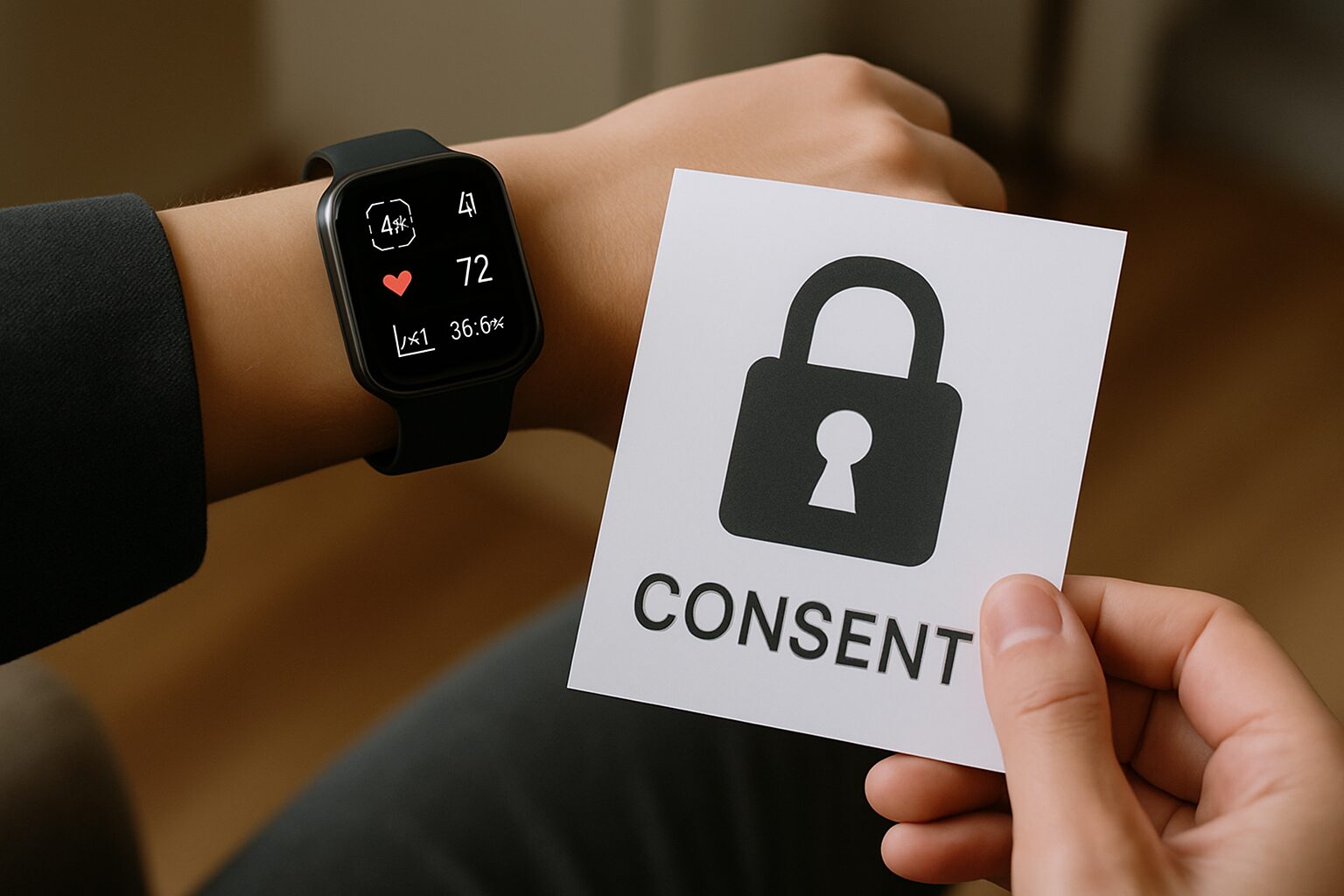
Organizations are adopting consent management tools that allow users to granularly control how their biometric data is used. These platforms provide clear opt-in/opt-out mechanisms and track data usage in real time, ensuring compliance with legal requirements and building user trust.
Examples and Real Cases
Clearview AI's Facial Recognition Controversy
In January 2020, Clearview AI was found to have scraped billions of facial images from social media platforms without consent to build its facial recognition database. This led to lawsuits and bans in multiple countries, including Canada and Australia, for violating privacy laws.
Amazon's Rekognition and Law Enforcement
In 2018, Amazon's Rekognition tool was used by law enforcement agencies, raising concerns about misuse and racial bias. Tests by the ACLU showed the system misidentified 28 members of Congress as criminals, disproportionately affecting people of color.
Hypothetical: AI-Powered Employee Monitoring
A hypothetical company introduces AI-driven biometric monitoring to track employee productivity through keystrokes, facial expressions, and heart rate. Employees are unaware of the full extent of data collection, leading to privacy violations and ethical concerns about workplace surveillance.
China's Social Credit System
China's Social Credit System, implemented in 2014, uses AI and biometric data to monitor citizens' behavior. This has raised global concerns about mass surveillance and the erosion of personal privacy, as the system can restrict access to services based on behavior.
Facebook's DeepFace and Tag Suggestions
In 2014, Facebook introduced DeepFace, a facial recognition system that automatically tagged users in photos without explicit consent. This led to a $650 million settlement in 2021 for violating Illinois' Biometric Information Privacy Act.
Frequently Asked Questions
What is biometric data in AI?
Biometric data refers to unique physical or behavioral characteristics like fingerprints, facial recognition, or voice patterns that AI systems can analyze to identify individuals. It's often used for security, authentication, or personalization purposes.
Why is biometric data privacy important?
Biometric data is highly personal and permanentu2014unlike passwords, you can't change your fingerprints or face. If this data is misused or stolen, it could lead to identity theft, surveillance, or discrimination, making strong privacy protections essential.
How does AI use biometric data with consent?
Ethical AI systems should always ask for explicit user consent before collecting or processing biometric data. This means clearly explaining how the data will be used, stored, and protected, and giving users the option to opt out.
What are the risks of AI and biometric data?
Risks include unauthorized surveillance, data breaches, bias in facial recognition systems, and misuse by corporations or governments. Without proper safeguards, AI-powered biometrics can threaten personal privacy and civil liberties.
How can I protect my biometric data from AI systems?
Be cautious about sharing biometrics, read privacy policies, use systems with strong encryption, and opt out when possible. Support regulations that require transparency and user control over biometric data collection by AI.