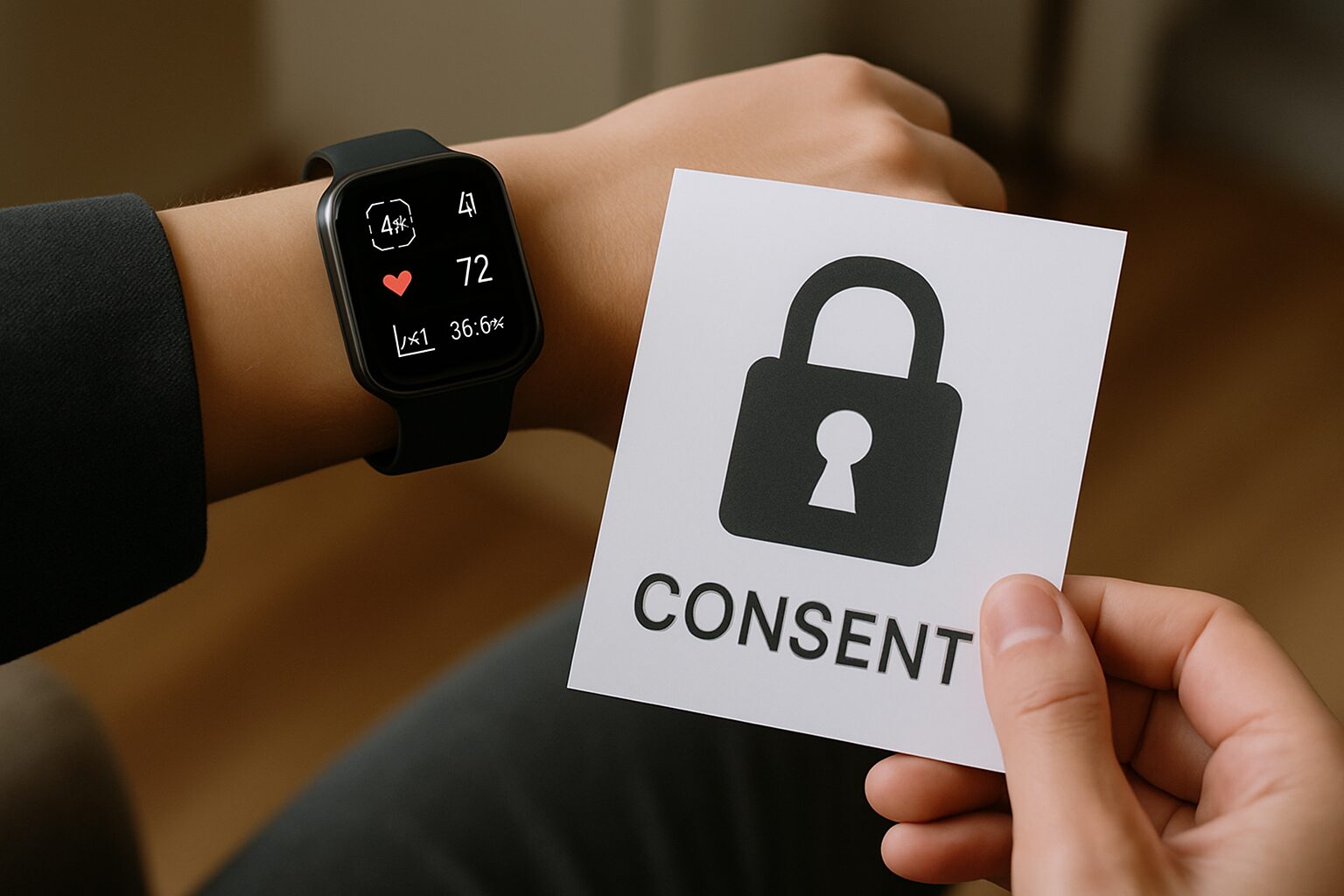
Balancing Safety and Privacy: The Ethics of Smart Surveillance in Schools
The use of AI in school surveillance systems raises ethical questions about privacy and consent. These systems, which may include facial recognition, behavior monitoring, or predictive analytics, collect and analyze student data without always providing clear transparency or choice. Balancing safety concerns with the rights of students and families remains a key challenge in deploying such technologies.
Why It Matters - Real-world impact
The ethical implications of AI in school surveillance systems extend far beyond classrooms, affecting students, educators, and society at large. Students, whose behaviors and biometric data are monitored, may face lasting psychological effects from constant scrutiny, while marginalized groups often bear disproportionate consequences due to biased algorithms. Schools risk normalizing invasive tracking, eroding trust and fostering environments of suspicion rather than learning. For regular people, this issue signals a broader societal shift toward unchecked surveillance, where privacy is traded for perceived security. Without thoughtful regulation, such systems could set dangerous precedents for how AI monitors public spaces, workplaces, and even homes.
Ethical Concerns - What’s wrong or risky?
AI in School Surveillance: Navigating Ethical Minefields
As schools increasingly adopt AI-powered surveillance systems—such as facial recognition, behavior analytics, and social media monitoring—ethical concerns around privacy and consent are intensifying. These technologies promise enhanced safety, but they also introduce significant moral risks that demand scrutiny.
Discrimination and Bias
AI surveillance tools can perpetuate or even amplify existing biases. For instance, facial recognition algorithms have been shown to have higher error rates for people of color, which could lead to disproportionate targeting of minority students. This raises serious questions about discrimination and whether these systems reinforce structural inequalities.
Fairness in Application
Even when algorithms are technically accurate, their deployment may not be fair. Surveillance might be concentrated in underfunded schools or those with diverse student bodies, creating an uneven landscape of monitoring. Discussions around fairness must consider not just the technology, but also how and where it is implemented.
Lack of Transparency
Many AI surveillance systems operate as "black boxes," making it difficult for students, parents, or even school administrators to understand how decisions are made. This opacity challenges accountability and informed consent, highlighting the critical need for transparency in algorithmic processes.
Other Ethical Considerations
Beyond these linked concerns, other issues arise, such as the normalization of constant monitoring and its psychological impact on students. Some argue that surveillance fosters a culture of distrust, potentially stifling creativity and free expression. Others counter that safety justifies these measures, especially in response to real threats like school violence.
Differing Perspectives
Not all stakeholders agree on the ethics of AI surveillance in schools. Proponents emphasize the potential to prevent bullying, self-harm, or external threats, arguing that safety outweighs privacy concerns. Critics, however, warn of a slippery slope toward authoritarian environments and urge caution, advocating for strict regulations and community involvement in decision-making.
Solutions - What’s being done or proposed?
Implementing Strict Data Protection Laws
Several regions have introduced or strengthened data protection laws to regulate AI surveillance in schools. For example, the General Data Protection Regulation (GDPR) in the EU mandates transparency, consent, and data minimization. Schools must inform students and parents about surveillance practices, obtain explicit consent where required, and ensure data is only collected for legitimate purposes. Such laws also grant individuals the right to access, correct, or delete their data, providing a legal framework to protect privacy.
Developing Ethical AI Guidelines for Schools
Educational institutions and AI ethics organizations have proposed guidelines to ensure responsible use of surveillance AI. These guidelines emphasize proportionalityu2014using surveillance only when necessary and with minimal intrusion. They also recommend regular audits to assess the impact of AI systems on student privacy and well-being. By adopting such frameworks, schools can balance safety concerns with ethical considerations, fostering trust among students and parents.
Transparency and Community Involvement
Some schools have adopted transparent policies by involving parents, students, and teachers in decisions about surveillance systems. Public forums, surveys, and advisory committees allow stakeholders to voice concerns and influence how AI is deployed. Transparency about how data is collected, stored, and used helps build accountability and ensures surveillance measures align with community values and expectations.
Anonymization and De-identification Techniques
Technical solutions like anonymization and de-identification of data have been suggested to mitigate privacy risks. By stripping personally identifiable information from surveillance data, schools can reduce the potential for misuse. However, challenges remain, as advanced AI systems might still re-identify individuals from anonymized datasets. Ongoing research aims to improve these techniques to ensure robust privacy protection.
Alternative Non-Invasive Safety Measures
Instead of relying on AI surveillance, some schools have explored less invasive safety measures. These include increased human supervision, conflict resolution programs, and mental health support services. By addressing the root causes of behavioral issues, schools can create safer environments without resorting to pervasive monitoring, thus preserving student privacy and autonomy.
Student and Parent Opt-Out Options
To respect individual autonomy, some proposals suggest allowing students and parents to opt out of certain surveillance features, provided safety is not compromised. For instance, facial recognition might be optional for non-critical functions. Clear opt-out mechanisms empower families to make informed choices about their participation in surveillance systems, though implementing this without creating disparities remains a challenge.
Independent Oversight Committees
Establishing independent oversight committees to monitor AI surveillance in schools has been proposed as a way to ensure accountability. These committees, comprising ethicists, legal experts, and community representatives, would review surveillance practices, investigate complaints, and recommend improvements. Such bodies can act as a check against overreach and ensure systems are used ethically and lawfully.
Examples and Real Cases
Lockport City School District's Facial Recognition System
In 2020, the Lockport City School District in New York implemented a facial recognition system for surveillance, funded by a state grant. The system raised privacy concerns among parents and civil rights groups, leading to a temporary halt by the New York State Education Department due to potential biases and lack of consent.
China's Smart Classroom Surveillance
In 2018, schools in China began using AI-powered 'smart classrooms' that monitor students' facial expressions and behaviors. Critics argued this system invades privacy and creates a culture of constant surveillance, with data being stored and analyzed without clear consent from students or parents.
Hypothetical: AI-Powered Social Media Monitoring in U.S. Schools
A hypothetical scenario involves a U.S. school district partnering with an AI firm to monitor students' social media posts for signs of bullying or self-harm. While intended for safety, this could raise ethical concerns about privacy, consent, and the potential for misinterpretation of data.
Sweden's GDPR Violation with AI Cameras
In 2019, a high school in Sweden used AI cameras to track student attendance, resulting in a $20,000 GDPR fine. The Swedish Data Protection Authority ruled the school failed to obtain proper consent and violated privacy laws by processing biometric data unnecessarily.
Hypothetical: Predictive Policing in School Hallways
A realistic hypothetical involves a school using AI to predict 'high-risk' behavior based on movement patterns in hallways. While aimed at preventing incidents, this could lead to profiling and unjust targeting of certain student groups without transparent consent mechanisms.
Frequently Asked Questions
What is AI school surveillance?
AI school surveillance uses artificial intelligence technologies like facial recognition and behavior tracking to monitor students and staff in schools, aiming to enhance safety but raising privacy concerns.
Why is privacy important in AI school surveillance?
Privacy is important because students have the right to control their personal data. Excessive surveillance can lead to misuse of information, lack of consent, and a feeling of constant monitoring, which may harm their mental well-being.
Do schools need consent to use AI surveillance?
Yes, ethical practices require schools to obtain consent from students and parents before deploying AI surveillance, as it involves collecting sensitive data. Laws like GDPR (in the EU) and FERPA (in the US) may also apply.
How does AI surveillance affect students today?
AI surveillance can create a safer environment by detecting threats, but it may also increase anxiety, limit personal freedom, and normalize constant monitoring, shaping how students view privacy in the digital age.
What are the ethical concerns with AI in schools?
Key ethical concerns include bias in AI algorithms, lack of transparency, potential misuse of data, and the balance between safety and infringing on students' rights to privacy and autonomy.