Protecting Your Digital Identity: The Future of Secure Tech
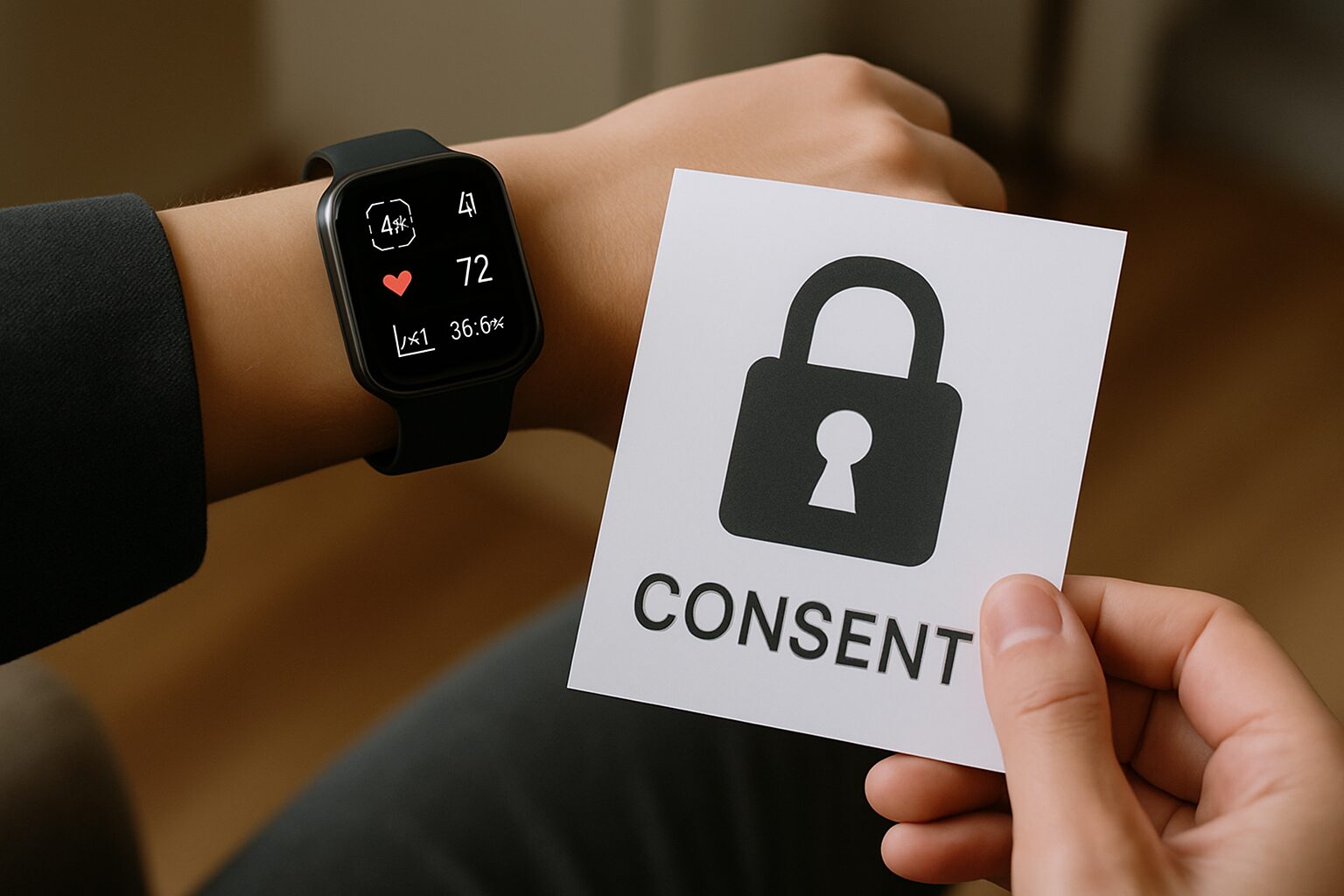
AI systems increasingly rely on biometric data, such as facial recognition, fingerprints, or voice patterns, to identify and authenticate individuals. This raises privacy concerns because biometric information is uniquely personal and cannot be changed if compromised. The collection, storage, and use of such data by AI applications require careful consideration of consent, transparency, and security to protect individual rights.
Why It Matters - Real-world impact
The ethical use of AI in processing biometric data—such as facial recognition, fingerprints, or voice patterns—has profound real-world implications for individuals and society. Governments, corporations, and even malicious actors can exploit this sensitive information, leading to mass surveillance, identity theft, or discrimination based on race, gender, or behavior. Everyday people are affected when their biometric data is collected without consent, stored indefinitely, or used to make automated decisions about employment, security, or access to services. Without proper safeguards, irreversible harm can occur, eroding trust in institutions and stripping individuals of their privacy and autonomy. This issue matters because biometric data is uniquely personal—unlike passwords, it cannot be changed if compromised—making its protection a critical concern for civil liberties in the digital age.
Ethical Concerns - What’s wrong or risky?
AI and Biometric Data Privacy: Navigating Ethical Risks
As artificial intelligence integrates deeper into biometric data processing, ethical concerns emerge around how this sensitive information is collected, stored, and used. Biometric data—such as fingerprints, facial recognition, and voice patterns—is inherently personal and immutable, raising unique privacy and consent challenges.
Discrimination Risks
One of the most pressing ethical risks is the potential for discrimination. AI systems trained on biased data can perpetuate and even amplify existing societal prejudices. For example, facial recognition technologies have demonstrated higher error rates for people of color and women, leading to unjust outcomes in law enforcement, hiring, or access to services.
Fairness Concerns
Closely related is the issue of fairness. Biometric AI might create or reinforce inequities if deployment favors certain demographics or geographies. Systems used for credit scoring or insurance assessments, if based on biometric correlations, could unfairly disadvantage vulnerable groups without clear justification.
Transparency Gaps
A lack of transparency in how AI algorithms process biometric data obscures accountability. When individuals cannot understand how decisions about them are made—such as in surveillance or identity verification—it undermines trust and informed consent, making it difficult to challenge errors or biases.
Economic and Social Impacts
Beyond discrimination and transparency, some argue that biometric AI could lead to significant economic impact, such as reshaping job markets or creating new power dynamics between corporations and consumers. Others raise concerns about worker rights if biometric monitoring is used to track productivity or behavior without employee agreement.
Diverse Perspectives
Not all stakeholders view these risks uniformly. Proponents of biometric AI emphasize its benefits for security, efficiency, and personalized services, arguing that ethical risks can be mitigated through robust regulation and technical improvements. Critics, however, caution against normalizing surveillance and data exploitation, advocating for stricter consent frameworks and limitations on use cases. Privacy advocates often stress that biometric data should be treated with higher safeguards due to its permanence and potential for misuse.
Ethical frameworks must balance innovation with protection, ensuring that biometric AI serves society without compromising fundamental rights.
Solutions - What’s being done or proposed?
Stronger Legal Frameworks and Regulations
Governments and international bodies have proposed stricter laws like the GDPR in Europe, which includes provisions for biometric data. These frameworks mandate transparency, require explicit consent, and impose heavy penalties for violations. Countries are also exploring sector-specific regulations to address unique challenges posed by AI in healthcare, security, and consumer tech.
Privacy-Preserving AI Techniques
Technical solutions such as federated learning, differential privacy, and homomorphic encryption allow AI systems to analyze biometric data without directly accessing raw information. These methods minimize exposure risks while still enabling useful insights. Companies like Apple and Google have implemented on-device processing to reduce data transfers.
Decentralized Identity Systems
Blockchain-based and self-sovereign identity models give individuals control over their biometric data. Users can share specific attributes without revealing full datasets, and revoke access anytime. Microsoft's ION and various government digital ID programs are piloting such systems for secure authentication.
Ethical AI Audits and Certifications
Independent third-party audits of AI systems are being advocated to assess compliance with privacy standards. Certifications like ISO/IEC 27553 for biometric data protection help organizations demonstrate adherence. Some firms now employ Chief Ethics Officers to oversee these processes internally.
Public Awareness and Digital Literacy Campaigns
Non-profits and educational institutions run programs to teach people about biometric data risks and rights. Initiatives like Data Privacy Day and workshops on consent mechanisms empower users to make informed choices. Social media platforms have also introduced clearer data permission interfaces.
Biometric Data Minimization Policies
Organizations are adopting principles of collecting only essential biometric data and deleting it after use. The 'Privacy by Design' approach embeds these practices into product development cycles. For example, some facial recognition systems now use temporary tokens instead of storing actual images.
Examples and Real Cases
Clearview AI's Facial Recognition Controversy
In January 2020, Clearview AI faced widespread criticism for scraping billions of facial images from social media without consent to build its facial recognition database. The company's practices led to lawsuits and bans in multiple countries, including Canada and Australia, for violating privacy laws.
Amazon's Rekognition and Law Enforcement
In 2018, Amazon's Rekognition facial recognition tool was used by law enforcement agencies, raising concerns about racial bias and privacy. The ACLU demonstrated that the system disproportionately misidentified people of color, prompting cities like San Francisco to ban police use of facial recognition technology.
Hypothetical: Workplace Biometric Monitoring
A hypothetical company introduces AI-powered keystroke and facial expression monitoring to assess employee productivity. Workers are unaware their biometric data is being collected and analyzed, leading to privacy violations and potential misuse of sensitive personal information.
China's Social Credit System
China's social credit system, operational since 2014, uses AI and biometric data to monitor citizens' behavior. The system collects facial recognition data, purchase histories, and social media activity to assign scores, raising ethical concerns about mass surveillance and privacy.
IBM's Diversity in Faces Dataset
In 2019, IBM released the Diversity in Faces dataset to improve facial recognition accuracy across demographics. However, the dataset included photos scraped from Flickr without explicit consent, sparking debates about ethical data sourcing in AI development.
Frequently Asked Questions
What is biometric data in AI?
Biometric data in AI refers to unique physical or behavioral characteristics like fingerprints, facial recognition, or voice patterns that AI systems use to identify individuals. It's often collected for security, authentication, or personalization purposes.
Why is consent important for biometric data collection?
Consent is crucial because biometric data is highly personal and permanentu2014unlike passwords, you can't change your fingerprints or face. Without proper consent, collecting or using this data may violate privacy rights and lead to misuse or discrimination.
How is AI used with biometric data today?
AI powers everyday tools like phone face unlocks, airport security scans, or banking voice verification. It analyzes biometric data quickly, but raises privacy concerns if used without transparency or user control over how data is stored or shared.
What are the risks of AI processing biometric data?
Risks include data breaches (exposing sensitive info), surveillance overreach, bias in AI systems (e.g., misidentifying certain groups), or misuse by companies/governments without user knowledge. Strong privacy laws aim to reduce these risks.
Can I refuse to share my biometric data with AI systems?
Yes, in many cases. Laws like GDPR (in the EU) or BIPA (in Illinois, USA) require opt-in consent. You can often choose alternatives (e.g., passwords instead of face scans), but some workplaces or services may make biometrics mandatory.