Balancing Safety and Privacy: The Future of Smart School Monitoring
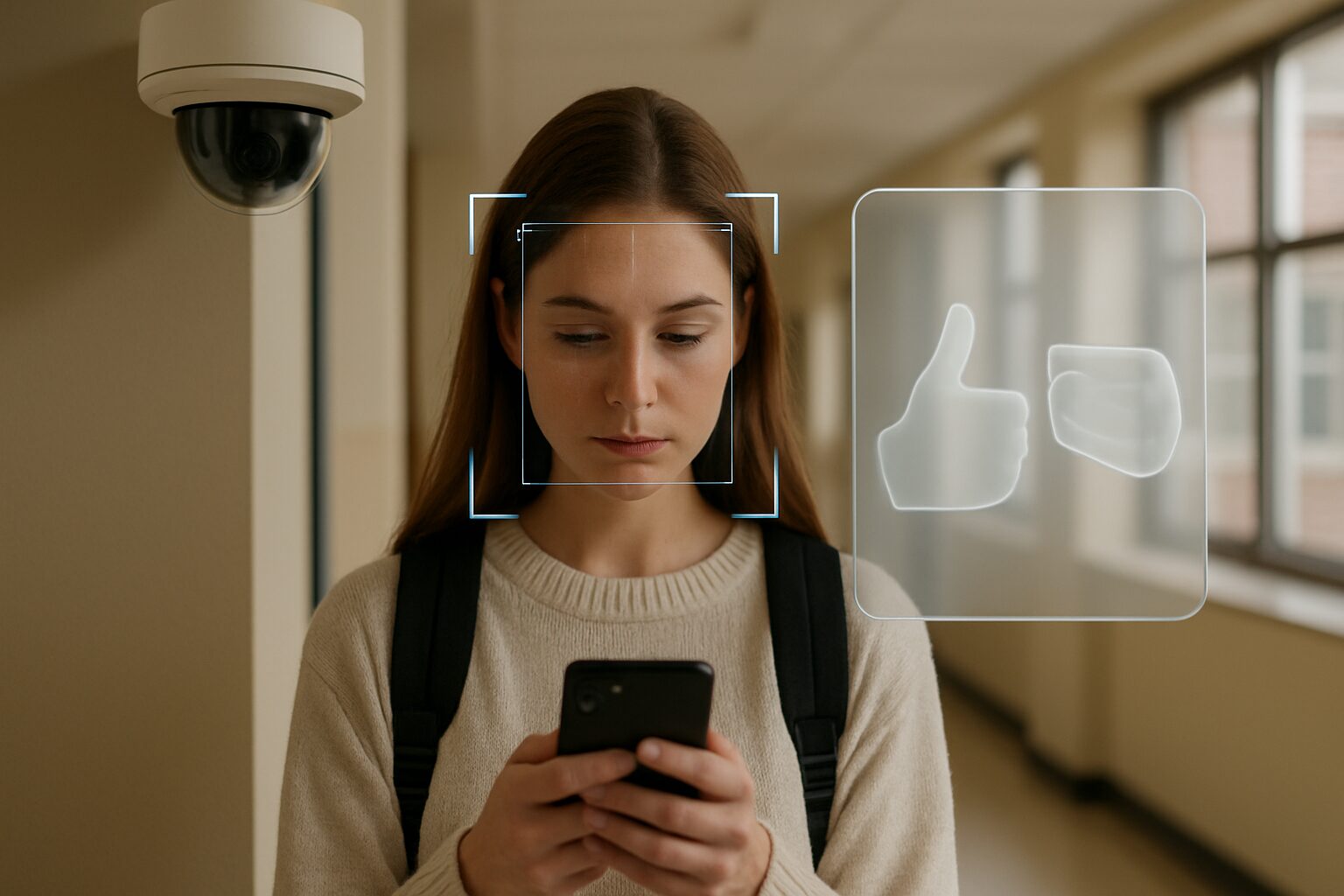
Schools are increasingly adopting AI-powered surveillance systems to monitor students, using technologies like facial recognition, behavior analysis, and predictive analytics. These tools raise concerns about privacy, as they collect and process sensitive personal data, often without clear consent or transparency. The lack of disclosure about how data is used, stored, or shared creates ethical challenges regarding student rights and institutional accountability.
Why It Matters - Real-world impact
The use of AI in school surveillance systems raises critical ethical concerns with real-world consequences. Students, teachers, and parents are directly affected, as opaque algorithms may lead to unjust monitoring, biased disciplinary actions, or the misuse of sensitive data. Without transparency, these systems can perpetuate discrimination, erode trust in educational institutions, and normalize invasive surveillance from a young age. Regular people should care because such technologies set precedents for broader societal norms—accepting unchecked surveillance in schools could pave the way for similar intrusions in workplaces or public spaces. The stakes are high: failing to address these issues risks compromising privacy, autonomy, and fairness for future generations.
Ethical Concerns - What’s wrong or risky?
AI in School Surveillance: Balancing Safety and Ethics
As schools increasingly adopt AI-powered surveillance systems—from facial recognition to behavior monitoring algorithms—ethical concerns around privacy and consent come to the forefront. These technologies promise enhanced safety but introduce significant moral risks that demand scrutiny.
Transparency and Accountability
A core issue is the lack of transparency in how these systems operate. Many AI surveillance tools function as "black boxes," making it difficult for administrators, parents, or students to understand what data is collected, how it is analyzed, or what triggers alerts. Without clear explanations, trust erodes, and accountability becomes nearly impossible to enforce.
Fairness in Implementation
Questions of fairness arise when AI systems are deployed unevenly across schools or districts. Wealthier institutions might implement more sophisticated (and less error-prone) systems, while underfunded schools rely on cheaper, less reliable alternatives. This could exacerbate existing inequalities in educational environments.
Discrimination and Bias
AI surveillance can perpetuate or even amplify discrimination. If training data reflects historical biases—such as over-policing of certain demographic groups—these systems may disproportionately flag minority students, reinforcing harmful stereotypes and contributing to a hostile school climate.
Diverse Perspectives
Not all stakeholders share the same concerns. Some parents and administrators argue that safety justifies extensive monitoring, believing the benefits outweigh privacy trade-offs. Others, including civil liberties advocates, stress that surveillance culture may undermine student autonomy and create an environment of constant scrutiny, potentially stifling growth and free expression.
Additional Ethical Risks
Beyond the linked issues, other moral concerns include the psychological impact on students, who may feel constantly watched, and the risk of data breaches exposing sensitive information. The long-term effects of normalizing surveillance in childhood also remain poorly understood.
Solutions - What’s being done or proposed?
Legislative Frameworks for AI Surveillance
Several jurisdictions have proposed or enacted laws to regulate the use of AI in school surveillance. These frameworks often mandate transparency reports, require parental consent, and limit the types of data that can be collected. For example, some laws stipulate that schools must disclose the purpose, scope, and duration of surveillance systems, ensuring stakeholders are informed. Additionally, legal measures may include penalties for misuse or unauthorized data sharing, creating accountability mechanisms.
Transparency and Public Audits
Advocates have pushed for schools to conduct regular public audits of their AI surveillance systems. These audits would detail how the technology is used, what data is collected, and how decisions are made. By making this information accessible, schools can build trust with students, parents, and the community. Some institutions have also adopted third-party audits to ensure impartial evaluations of system fairness and bias, emphasizing transparency.
Ethical AI Design Principles
Technical solutions include embedding ethical principles into the design of AI surveillance systems. Developers are encouraged to prioritize privacy-by-design, minimizing data collection and ensuring algorithms are free from bias. For instance, some systems now anonymize data or use edge computing to process information locally, reducing the risk of misuse. Ethical review boards for AI projects in schools have also been suggested to oversee compliance with these principles.
Community Engagement and Consent
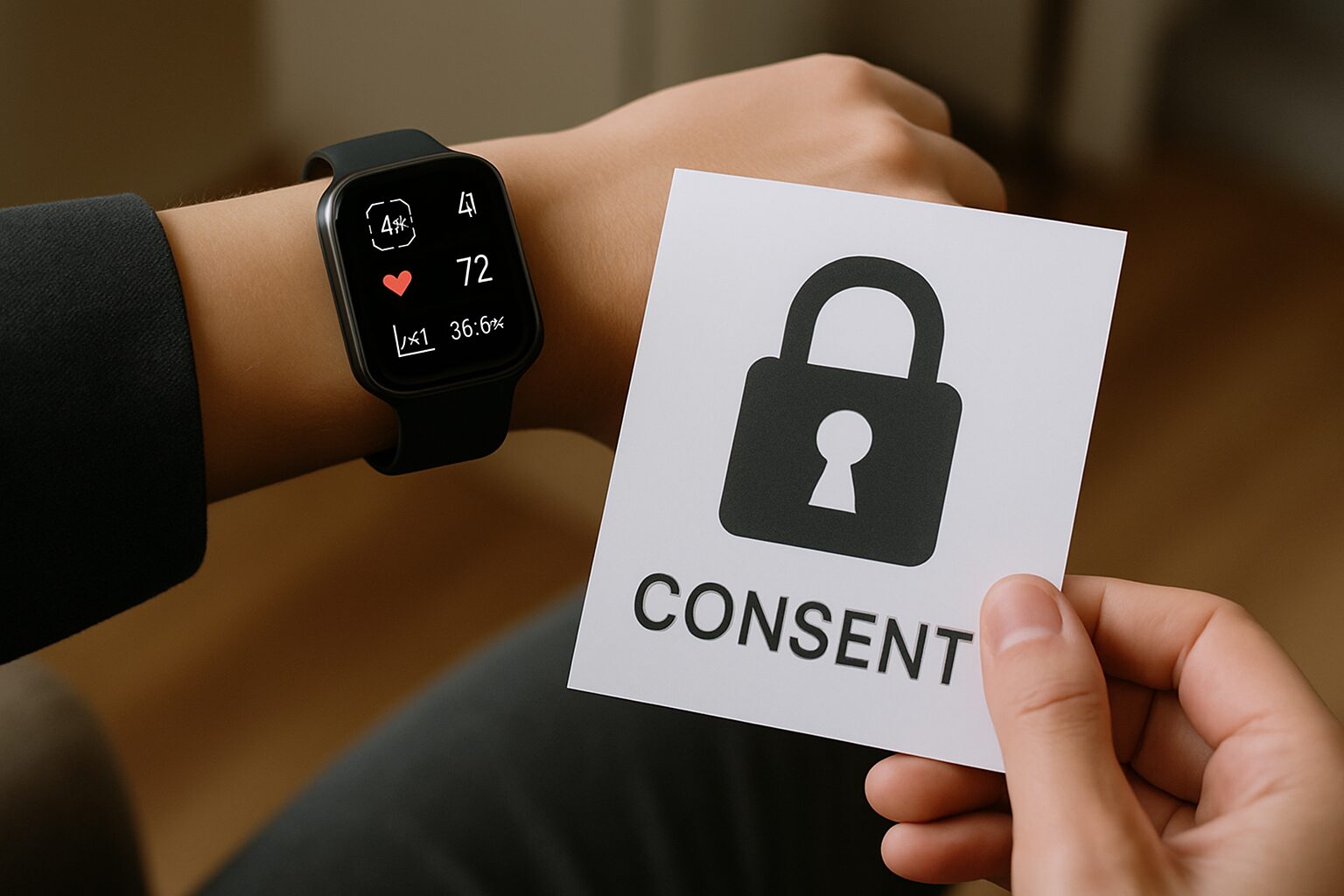
Social solutions emphasize involving the school community in decision-making about surveillance systems. This includes holding forums, surveys, and discussions where students, parents, and staff can voice concerns or preferences. Some schools have implemented opt-in or opt-out policies, allowing families to choose whether their children participate in surveillance programs. Transparent communication about the benefits and risks helps ensure informed consent.
Alternative Non-Invasive Monitoring
To reduce privacy concerns, some schools have explored non-invasive alternatives to AI surveillance. These include using anonymized occupancy sensors for safety monitoring or adopting human-centric approaches like increased counselor presence. Such methods aim to balance security needs with respect for privacy, avoiding the pitfalls of constant digital surveillance while still addressing safety concerns.
Examples and Real Cases
Lockport City School District's Facial Recognition System
In 2020, the Lockport City School District in New York implemented a facial recognition system funded by a state grant. The system, intended to identify threats, raised privacy concerns as it scanned students without clear consent or transparency about data storage.
Gaggle's AI Monitoring in U.S. Schools
Gaggle, an AI student surveillance company, has been used by schools nationwide since 2019 to monitor students' online activities. Critics argue it lacks transparency, as students and parents often aren't fully informed about what data is collected or how it's used.
Hypothetical: AI-Powered Behavior Tracking in Classroom Cameras
A school district could hypothetically install AI-powered cameras to analyze student behavior, like attention levels or engagement, without disclosing how the data is processed or stored. This would raise ethical questions about surveillance and lack of informed consent.
China's Smart Uniforms in Guizhou Province
In 2018, a school in Guizhou, China, tested 'smart uniforms' with embedded chips tracking students' locations. While not AI-powered, this example shows how surveillance tech can be implemented without meaningful transparency or student consent.
Hypothetical: Predictive Policing in School Hallways
A school might deploy an AI system predicting 'potential troublemakers' based on movement patterns in hallways. Without transparency about the algorithm's criteria, this could lead to profiling while students remain unaware they're being analyzed.
Frequently Asked Questions
What is AI school surveillance?
AI school surveillance uses artificial intelligence technologies like facial recognition and behavior analysis to monitor students and staff in schools, aiming to enhance safety but raising privacy concerns.
Why is transparency important in AI school surveillance?
Transparency ensures students, parents, and staff understand how AI surveillance works, what data is collected, and how it's used, helping to build trust and protect privacy rights.
Do schools need consent to use AI surveillance on students?
Laws vary by location, but ethical practices generally require informing students and parents and obtaining consent where possible, especially when collecting biometric data like facial recognition.
How can AI surveillance impact student privacy?
AI surveillance may track movements, behaviors, or even emotions, potentially creating detailed profiles of students without their knowledge, leading to concerns over misuse or data breaches.
What are alternatives to AI surveillance in schools?
Schools can prioritize human monitoring, anonymous reporting systems, and community-building programs to improve safety without relying on invasive AI technologies.