The Hidden Impact of Public Surveillance Tech on Privacy and Freedom
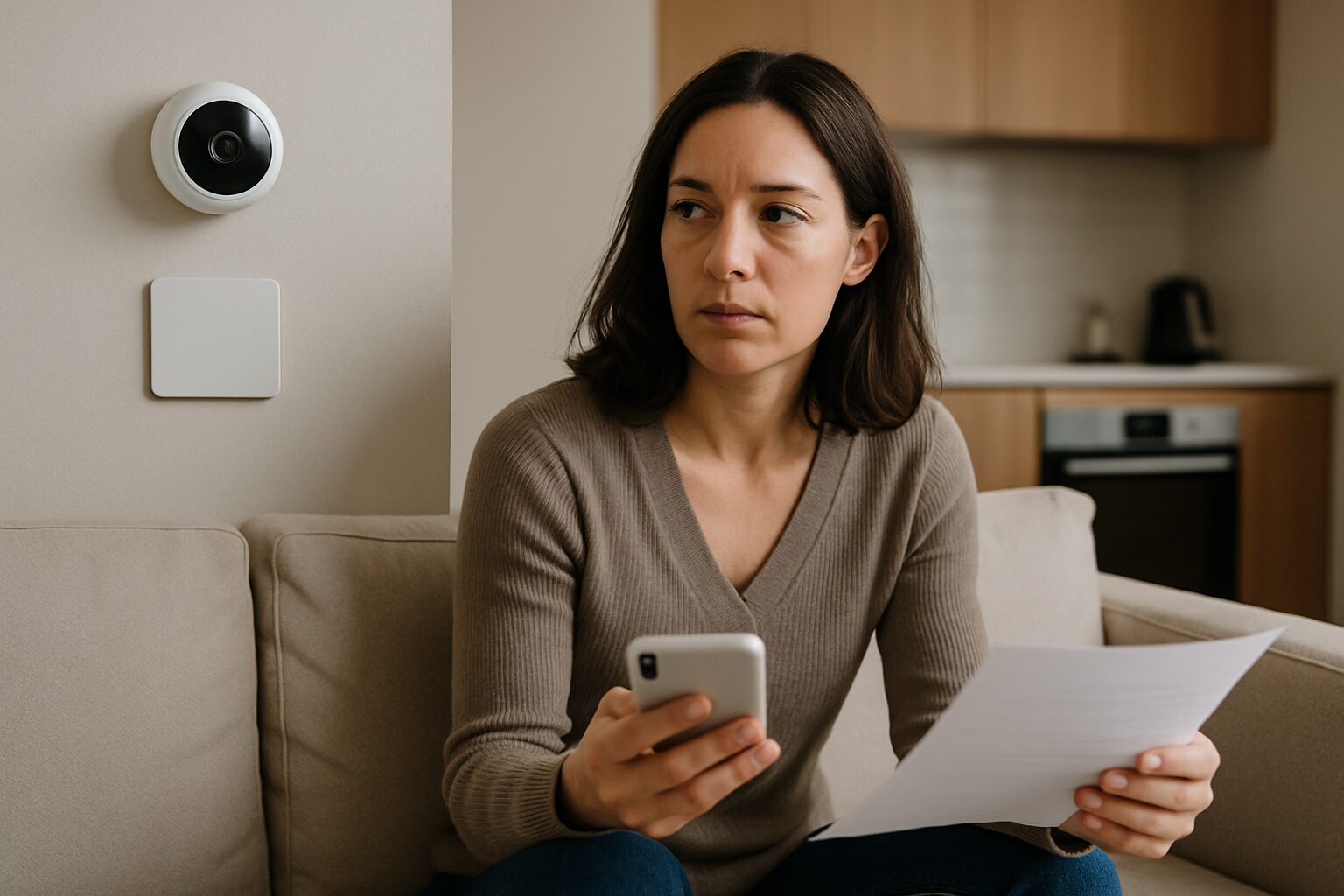
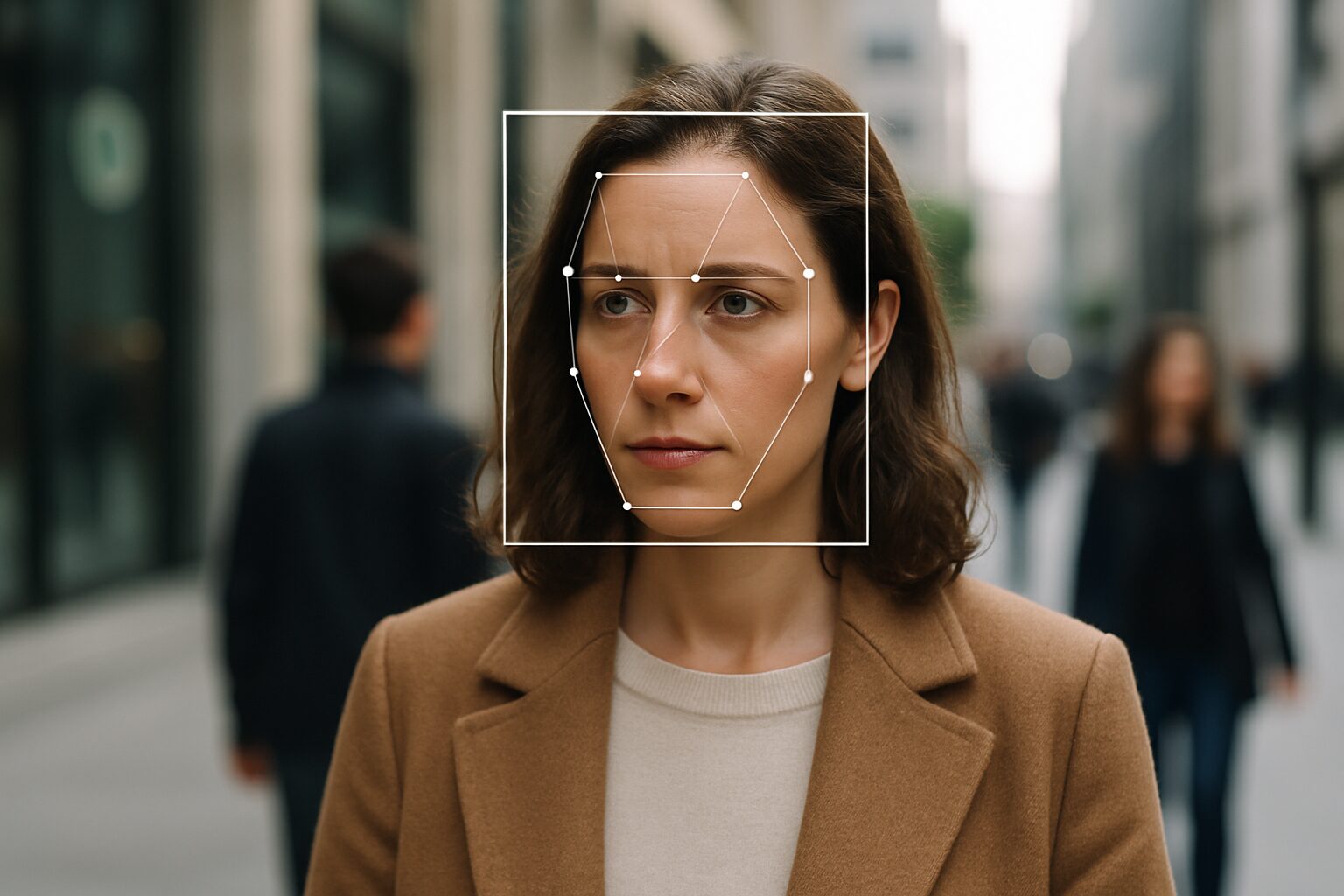
Facial recognition technology in public spaces uses cameras and artificial intelligence to identify individuals by analyzing their facial features. This raises concerns about privacy, as it can collect and process personal data without explicit consent. The implications include potential misuse of data, surveillance overreach, and erosion of anonymity in everyday life.
Why It Matters - Real-world impact
Facial recognition in public spaces poses significant ethical and practical concerns, impacting everyone from marginalized communities to ordinary citizens. Vulnerable groups, such as people of color or political dissidents, often face disproportionate surveillance and misidentification, exacerbating systemic biases. Errors in the technology—whether false positives or unauthorized tracking—can lead to wrongful arrests, loss of privacy, or even harassment. For the general public, the normalization of constant monitoring erodes personal freedoms and creates a chilling effect on public behavior. Without transparency and regulation, these systems risk enabling unchecked government or corporate overreach, turning public areas into zones of passive consent. The issue isn't just about technology—it's about preserving autonomy in an increasingly surveilled world.
Ethical Concerns - What’s wrong or risky?
Facial Recognition in Public Spaces: A Web of Ethical Risks
The deployment of facial recognition technology (FRT) in public spaces—from airports to city streets—raises profound ethical questions that extend far beyond simple privacy violations. While proponents argue it enhances security and efficiency, the ethical landscape is fraught with risks that demand careful scrutiny.
Discrimination and Bias
One of the most pressing concerns is the potential for discrimination. FRT systems are often trained on datasets that lack diversity, leading to higher error rates for people of color, women, and other marginalized groups. This can result in unjust targeting, false identifications, and reinforced societal biases, disproportionately affecting vulnerable communities.
Fairness in Application
Closely related is the issue of fairness. Even if the technology were perfectly accurate, its use in public spaces may not be applied equitably. Law enforcement or private entities might focus surveillance on specific neighborhoods or demographics, perpetuating existing inequalities and eroding trust in public institutions.
Lack of Transparency
Another critical risk is the lack of transparency. Many FRT systems operate as "black boxes," with proprietary algorithms that are not subject to public audit or understanding. Individuals are often unaware they are being scanned, how their data is used, or who has access to it, undermining informed consent and accountability.
Economic and Employment Implications
Some experts also point to the economic impact of widespread surveillance, such as the potential for data exploitation by corporations or the chilling effect on public behavior. Additionally, there are concerns about job loss in sectors where human monitoring is replaced by automated systems, though this is sometimes debated as a trade-off for efficiency.
Worker and Civil Rights
The use of FRT intersects with worker rights, particularly when employees are monitored without consent or when unions argue it creates a hostile environment. Beyond the workplace, civil liberties advocates warn that constant surveillance could stifle free speech, assembly, and other fundamental rights.
Differing Perspectives
Not all stakeholders view these risks uniformly. Proponents of FRT argue that the technology, when regulated, can prevent crime, locate missing persons, and improve public safety—benefits they believe outweigh the ethical concerns. Others contend that any mass surveillance in public spaces is inherently unethical, regardless of potential benefits, and call for bans or strict moratoriums. Meanwhile, some suggest a middle ground: developing ethical frameworks, improving accuracy, and ensuring public oversight to mitigate harms without forfeiting utility.
Solutions - What’s being done or proposed?
Legislative Bans and Restrictions
Several cities and countries have implemented bans or strict regulations on the use of facial recognition technology in public spaces. For example, San Francisco and Portland have prohibited government use of facial recognition, citing privacy concerns. These laws often require transparency, public oversight, and explicit consent before deployment. Such measures aim to balance security needs with individual rights, though enforcement remains a challenge.
Anonymization and Data Minimization Techniques
Technical solutions like anonymization and data minimization have been proposed to reduce privacy risks. This involves blurring faces or using algorithms that only retain essential data for specific purposes, such as counting people without identifying them. While these methods can mitigate some concerns, they are not foolproof and may still leave room for misuse or re-identification.
Public Awareness and Advocacy Campaigns
Civil society groups and privacy advocates have launched campaigns to educate the public about the risks of facial recognition. These efforts include petitions, workshops, and media outreach to push for greater accountability. By raising awareness, these campaigns aim to pressure governments and corporations to adopt ethical practices or face public backlash.
Ethical AI Frameworks and Audits
Institutions and companies have begun adopting ethical AI frameworks that include guidelines for facial recognition use. These frameworks often require impact assessments, third-party audits, and stakeholder consultations before deployment. While voluntary, such measures encourage responsible innovation and help identify potential harms early in the development process.
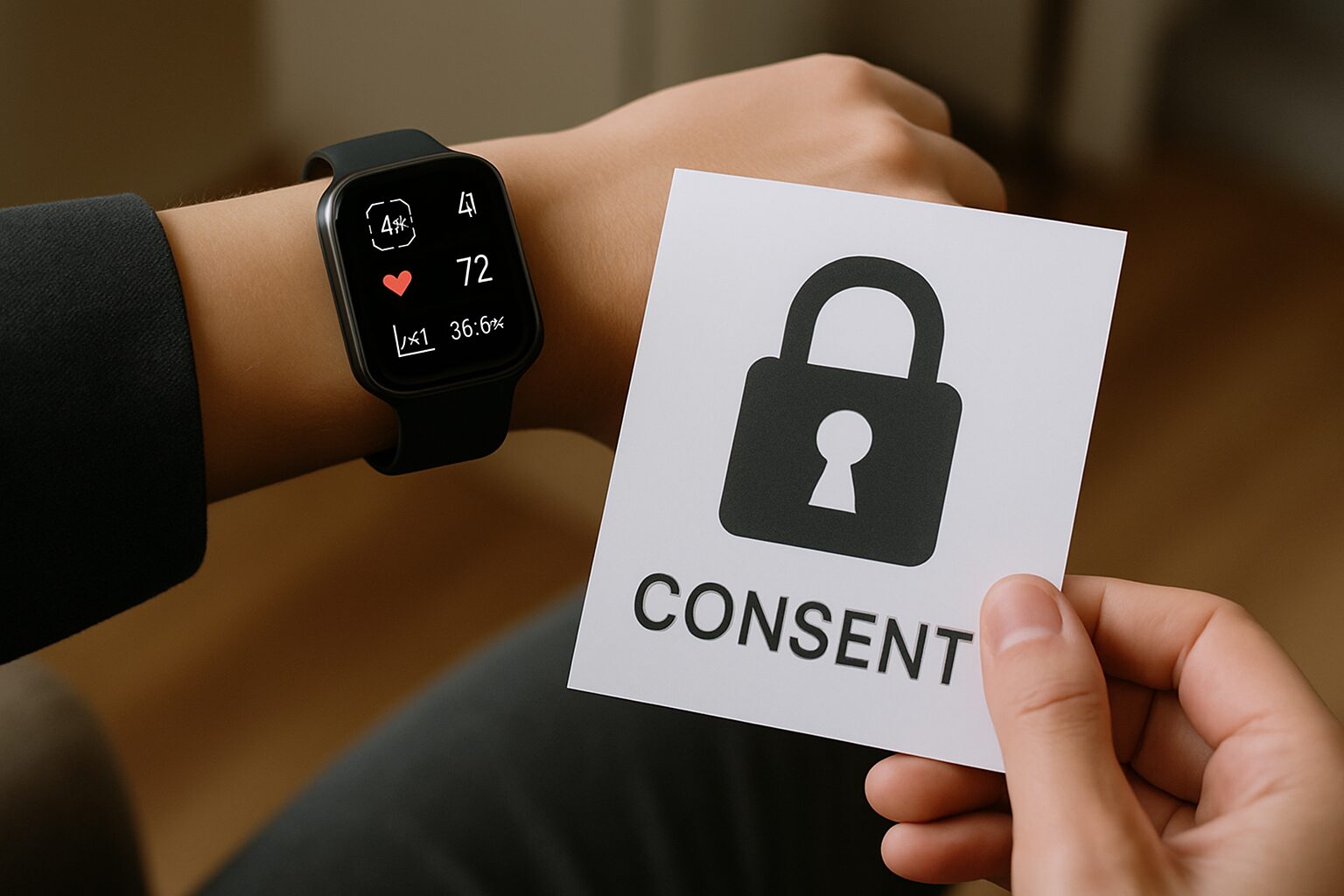
Opt-In Consent Models
Some proposals suggest implementing opt-in systems where individuals must explicitly consent to being scanned by facial recognition systems. This could involve signage in public spaces or mobile apps that allow people to manage their participation. However, critics argue that this approach may not be practical in large-scale deployments and could exclude those who are unaware or unable to opt out.
Decentralized and On-Device Processing
To address privacy concerns, some developers advocate for decentralized systems where facial recognition processing occurs locally on devices rather than in centralized servers. This reduces the risk of mass surveillance and data breaches. However, this approach may limit the scalability and accuracy of the technology, posing trade-offs for widespread adoption.
Examples and Real Cases
Clearview AI and Law Enforcement
In 2020, Clearview AI faced backlash for scraping billions of images from social media to create a facial recognition database used by law enforcement agencies. The company's practices raised privacy concerns, leading to lawsuits and bans in several countries, including Canada and Australia.
Hong Kong Protests (2019-2020)
During the Hong Kong protests, authorities used facial recognition to identify and track demonstrators. This led to widespread criticism over the suppression of free speech and the lack of consent from individuals being surveilled.
London's King's Cross Development (2019)
In 2019, it was revealed that the King's Cross development in London used facial recognition without public knowledge. The backlash forced the developers to halt the system, highlighting the need for transparency in public-space surveillance.
Hypothetical: Retail Stores Tracking Shoppers
A hypothetical scenario could involve a retail chain using facial recognition to analyze customer demographics and behavior without explicit consent. This could lead to targeted advertising or even discrimination based on perceived shopping habits.
San Francisco's Ban (2019)
In 2019, San Francisco became the first major U.S. city to ban facial recognition technology by government agencies. The decision reflected growing concerns over privacy violations and the potential for misuse in public spaces.
Frequently Asked Questions
What is facial recognition in public spaces?
Facial recognition in public spaces is a technology that uses cameras and artificial intelligence to identify or verify individuals by analyzing their facial features in real-time or from recorded footage. It is often used for security, surveillance, or marketing purposes in places like airports, shopping malls, or streets.
Why is facial recognition in public spaces controversial?
Facial recognition in public spaces is controversial because it raises privacy concerns, as it can track people without their consent. There are also worries about accuracy, bias (especially against certain racial or gender groups), and the potential for misuse by governments or corporations.
Do I have to consent to facial recognition in public?
In many places, you do not have to give explicit consent for facial recognition in public spaces because these areas are considered 'open' with no expectation of privacy. However, laws vary by country, and some regions require consent or have banned the technology altogether.
How can facial recognition affect my privacy?
Facial recognition can affect your privacy by collecting and storing your biometric data (like your face scan) without your knowledge. This data could be used for tracking, profiling, or even shared with third parties, leading to potential misuse or identity risks.
Are there laws regulating facial recognition in public?
Yes, some countries and cities have laws regulating or banning facial recognition in public spaces due to privacy concerns. For example, parts of the EU have strict GDPR rules, while some U.S. cities have banned government use. However, regulations are still evolving worldwide.