The Future of Identity Protection: How Tech Shapes Privacy
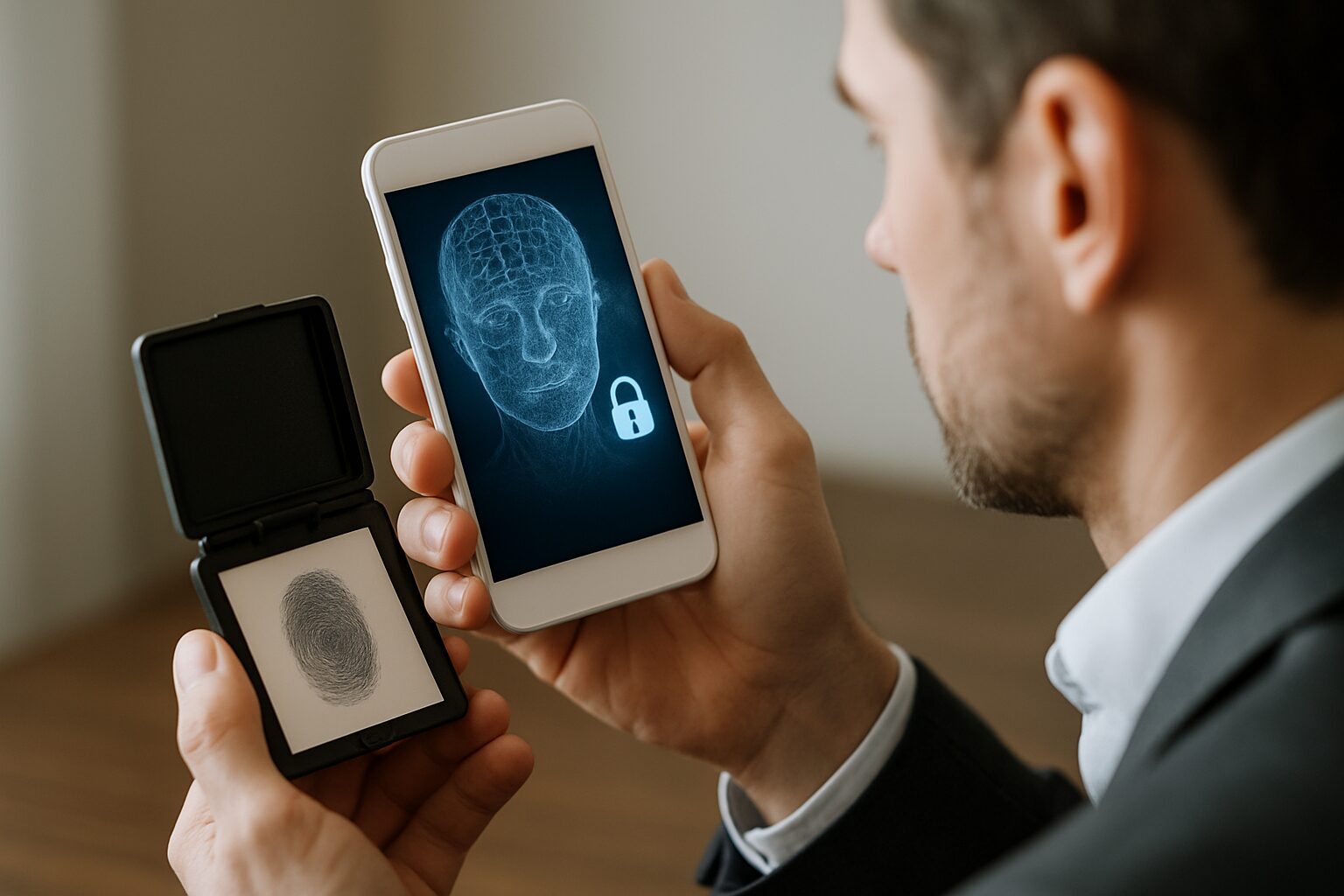
AI systems increasingly rely on biometric data, such as facial recognition, fingerprints, or voice patterns, to identify individuals and deliver personalized services. This raises concerns about how such sensitive information is collected, stored, and used, particularly without explicit consent or transparency. The ethical challenge lies in balancing technological innovation with the protection of individual privacy rights.
Why It Matters - Real-world impact
The ethical use of AI in processing biometric data—such as facial recognition, fingerprints, or voice patterns—has profound real-world implications for individuals and society. From employees subjected to workplace surveillance to marginalized communities disproportionately targeted by biased algorithms, the misuse of biometric data can lead to privacy violations, discrimination, and even wrongful arrests. If collected or stored improperly, this highly personal data could be exploited by malicious actors, enabling identity theft or unauthorized tracking. Everyday people should care because once biometric data is compromised, it cannot be replaced like a password, leaving lifelong vulnerabilities. Without robust safeguards, the erosion of privacy and autonomy becomes inevitable, undermining trust in both technology and institutions.
Ethical Concerns - What’s wrong or risky?
AI and Biometric Data Privacy: Navigating Ethical Risks
As artificial intelligence integrates deeper into daily life, the use of biometric data—such as facial recognition, fingerprints, and voice patterns—raises profound ethical questions. While these technologies promise enhanced security and convenience, they also introduce significant risks to individual privacy and societal values.
Key Ethical Concerns
One primary issue is discrimination, where AI systems trained on biased data may disproportionately misidentify or target marginalized groups, reinforcing existing inequalities. This ties closely to concerns about fairness, as algorithms might not perform equitably across diverse demographics, leading to unjust outcomes in areas like law enforcement or hiring.
Another critical risk involves transparency; many AI systems operate as "black boxes," making it difficult for individuals to understand how their data is used or to challenge erroneous decisions. This lack of clarity undermines accountability and informed consent.
Additionally, the collection and use of biometric data can have broader societal impacts, such as economic disparities or threats to worker rights, if employers misuse surveillance technologies to monitor productivity without respecting privacy.
Differing Perspectives
Not all stakeholders view these risks uniformly. Proponents argue that biometric AI enhances security and efficiency, justifying its use with proper safeguards. Critics, however, emphasize the potential for abuse and the erosion of personal autonomy, advocating for stricter regulations and ethical guidelines to protect individuals.
Balancing innovation with ethical considerations remains a contentious yet essential endeavor in the evolution of AI and biometric technologies.
Solutions - What’s being done or proposed?
Stronger Legal Frameworks and Regulations
Governments and regulatory bodies have proposed stricter laws to govern the collection, storage, and use of biometric data by AI systems. Examples include the EU's General Data Protection Regulation (GDPR), which imposes heavy penalties for misuse, and the Biometric Information Privacy Act (BIPA) in Illinois, USA, which requires explicit consent before collecting biometric data. These frameworks aim to hold organizations accountable and ensure transparency in how data is handled.
Privacy-Preserving AI Techniques
Researchers have developed technical solutions like federated learning and differential privacy to minimize risks. Federated learning allows AI models to be trained on decentralized data without direct access to raw biometric information. Differential privacy adds noise to datasets to prevent identification of individuals while still enabling useful analysis. These methods help balance innovation with privacy protection.
Decentralized Data Storage
Some advocates suggest storing biometric data on personal devices or encrypted decentralized networks rather than centralized servers. This approach, often using blockchain or secure enclaves, gives individuals more control over their data. For example, Apple's Face ID processes facial recognition locally on the device, reducing exposure to external breaches.
Public Awareness and Education Campaigns
Non-profits and advocacy groups run initiatives to educate people about biometric data risks and rights. Workshops, online resources, and media campaigns explain how AI systems use biometrics and how individuals can opt-out or demand deletion. Informed users are better equipped to make choices and pressure organizations for ethical practices.
Ethical Review Boards for AI Projects
Institutions like universities and corporations are establishing ethics committees to evaluate AI projects involving biometrics. These boards assess potential harms, require justification for data collection, and ensure compliance with ethical standards. Similar to medical ethics reviews, they aim to prevent misuse and promote responsible innovation.
Transparency and User Control Tools
Some companies provide dashboards where users can view, manage, and delete their biometric data. For example, clear consent interfaces explain what data is collected and for what purpose, with easy opt-out options. Transparency reports from organizations also build trust by disclosing how often data is shared with third parties or authorities.
Examples and Real Cases
Clearview AI's Facial Recognition Controversy
In 2020, Clearview AI faced backlash for scraping billions of images from social media without consent to build a facial recognition database. The company sold this data to law enforcement agencies, raising concerns about privacy violations and lack of transparency.
Amazon's Rekognition and Racial Bias
In 2018, the ACLU tested Amazon's Rekognition software and found it misidentified 28 members of Congress as criminals, disproportionately affecting people of color. This highlighted the ethical risks of using biased AI for biometric identification.
Hypothetical: Workplace Emotion Tracking
A hypothetical company installs AI-powered cameras to analyze employee facial expressions for 'engagement levels.' Workers are unaware their biometric data is being collected and used in performance reviews, sparking debates over consent and workplace surveillance.
China's Social Credit System
China's nationwide social credit system uses AI to analyze citizens' behavior, including facial recognition in public spaces. This has raised global concerns about mass surveillance and the erosion of personal privacy under the guise of security.
Facebook's DeepFace and Tag Suggestions
In 2014, Facebook introduced DeepFace, which used biometric data to suggest photo tags with 97% accuracy. Users were automatically opted into this feature, leading to criticism over the collection and use of facial data without explicit consent.
Frequently Asked Questions
What is biometric data privacy in AI?
Biometric data privacy in AI refers to protecting sensitive personal information like fingerprints, facial recognition, or voice patterns that AI systems collect and process. It ensures this data is used ethically, with user consent, and safeguarded against misuse or breaches.
Why is consent important for biometric data collection?
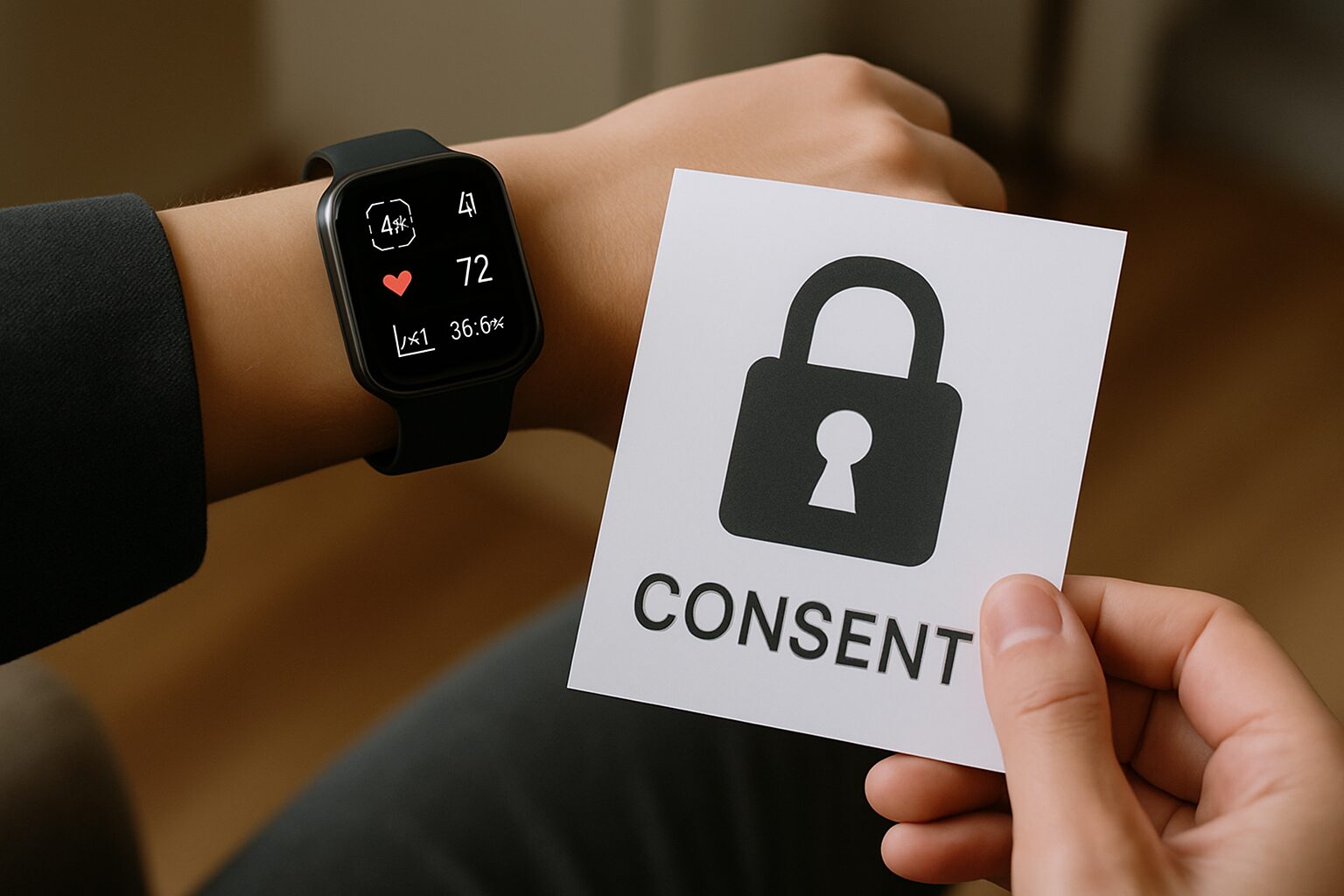
Consent is crucial because biometric data is uniquely personal and permanent. Without clear permission, collecting or using it can violate privacy rights. Proper consent ensures individuals understand how their data will be used and have control over it.
How does AI use biometric data today?
AI uses biometric data for applications like unlocking phones with facial recognition, airport security checks, or banking authentication. While convenient, these uses raise privacy concerns if data is stored or shared without transparency.
What are the risks of poor biometric data privacy?
Poor privacy practices can lead to identity theft, surveillance misuse, or discrimination if data is leaked or exploited. Unlike passwords, biometrics can't be changed, making breaches especially harmful.
How can I protect my biometric data?
Always review privacy policies before sharing biometric data, use trusted apps/devices with strong security, and opt out where possible. Advocate for laws that require clear consent and limit data retention.