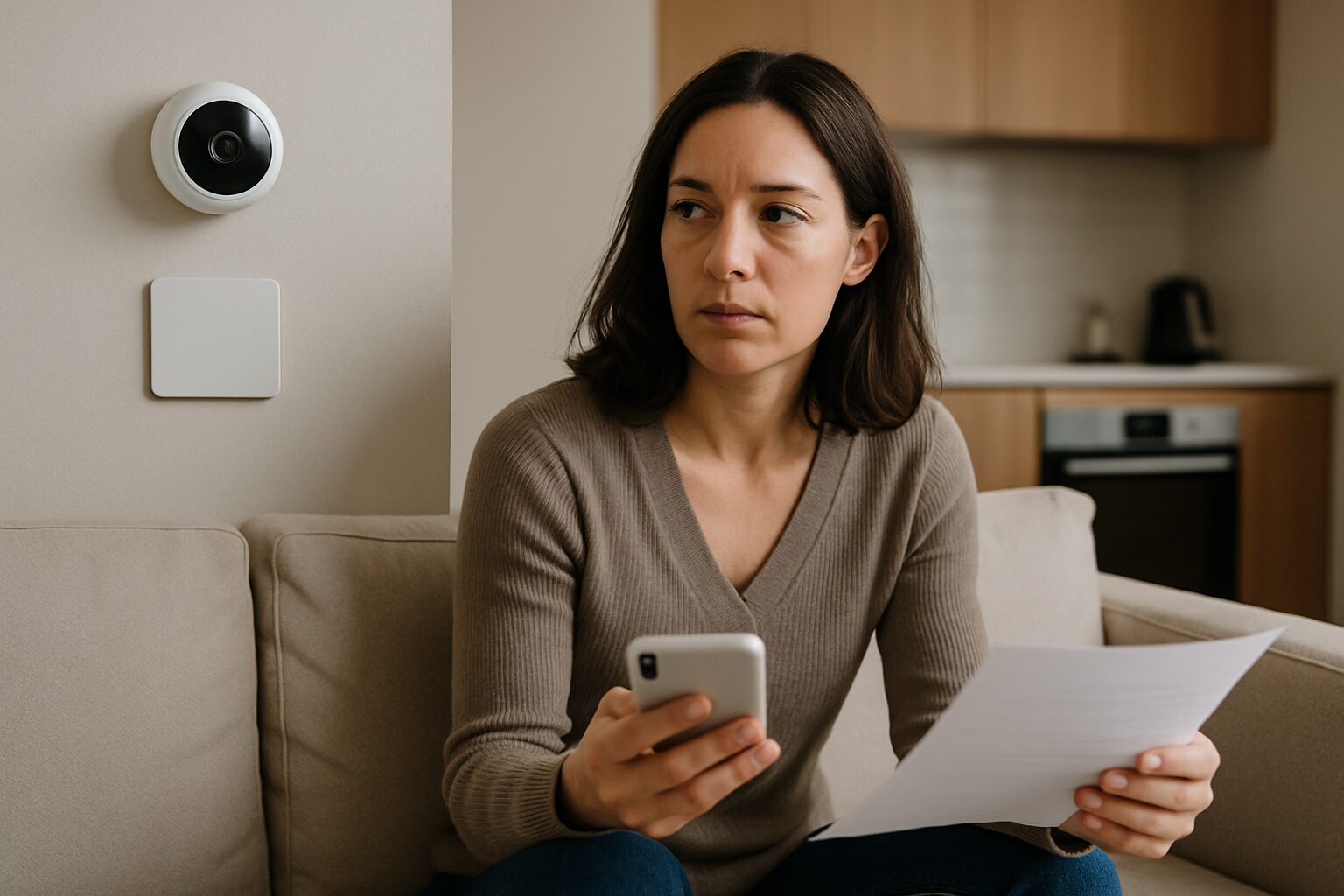
How Smart Homes Use AI to Monitor and Improve Daily Life
AI tracking in smart homes involves the collection and analysis of user behavior through connected devices, such as voice assistants, security cameras, and sensors. This raises privacy concerns as data may be gathered without explicit consent or clear transparency about its use. The issue centers on how much control individuals retain over their personal information in an increasingly automated living environment.
Why It Matters - Real-world impact
AI tracking in smart homes isn't just a theoretical privacy concern—it directly impacts millions of households. From voice assistants recording private conversations to smart cameras analyzing family routines, these systems collect intimate data that could be exploited by hackers, corporations, or even abusive partners. Renters, children, and vulnerable populations often have no meaningful way to opt out of surveillance embedded in their living spaces. When sensitive behaviors—like medical needs or relationship conflicts—are logged and leaked, the consequences range from discrimination to physical danger. Even ordinary users risk having their data sold to advertisers or used to manipulate purchasing habits without transparency. This erosion of domestic privacy fundamentally alters what it means to feel safe at home.
Ethical Concerns - What’s wrong or risky?
Economic Impact of AI Tracking
AI tracking in smart homes raises significant concerns about economic impact. Data collected by these systems can be monetized, often without users fully understanding the value of their information or receiving fair compensation. This creates a power imbalance where corporations profit from personal behaviors, potentially widening economic inequality.
Discrimination Through Data
AI systems can inadvertently perpetuate or even amplify discrimination. For example, if tracking data reflects societal biases—such as favoring certain lifestyles or behaviors—algorithms might unfairly target or exclude individuals based on race, socioeconomic status, or disability, reinforcing existing inequalities.
Fairness in Algorithmic Decisions
Issues of fairness arise when AI makes decisions affecting home life, like adjusting energy use or security settings. If these decisions are based on opaque criteria, they may disadvantage some households, particularly if the AI prioritizes efficiency over equitable outcomes for all residents.
Transparency and User Awareness
A lack of transparency is a core ethical risk. Users often don’t know what data is collected, how it’s used, or who has access. Without clear explanations, consent becomes meaningless, and individuals cannot challenge or correct inaccurate or harmful inferences made by the AI.
Differing Perspectives
Not everyone views these risks uniformly. Some argue that AI tracking enhances convenience, security, and sustainability, justifying data collection as a trade-off. Others believe that without strict ethical safeguards, the benefits do not outweigh the potential for harm, especially to vulnerable populations.
Additional Moral Concerns
Beyond the linked issues, AI tracking threatens autonomy by subtly influencing behavior—for instance, nudging users toward certain purchases or routines. It also raises questions about long-term psychological effects, such as increased surveillance anxiety or erosion of trust within households.
Solutions - What’s being done or proposed?
Legislation and Regulatory Frameworks
Governments and regulatory bodies have proposed and implemented laws like the GDPR in Europe and CCPA in California to protect user privacy. These laws mandate transparency in data collection, require explicit consent from users, and give individuals the right to access or delete their data. Such frameworks aim to hold companies accountable for how they use AI in smart homes, ensuring that tracking technologies are used ethically and with user permission.
Local Data Processing
To minimize privacy risks, some smart home devices now process data locally instead of sending it to the cloud. By keeping data on the device or within a home network, users can reduce exposure to third-party tracking. Companies like Apple and some open-source smart home platforms emphasize on-device AI processing to enhance privacy while still providing smart functionalities.
Transparent User Controls
Many smart home manufacturers have introduced more granular privacy controls, allowing users to opt out of data collection or adjust tracking settings. Features like activity logs, permission management, and clear notifications about data usage empower users to make informed choices. Transparency dashboards also help users understand what data is being collected and for what purpose.
Decentralized and Open-Source Alternatives
Privacy-conscious users and developers have created decentralized smart home ecosystems that avoid reliance on corporate-controlled AI. Open-source platforms like Home Assistant and Mycroft allow users to self-host their smart home systems, reducing dependency on external tracking. These solutions prioritize user ownership of data and minimize exposure to invasive AI monitoring.
Public Awareness and Advocacy
Nonprofits and advocacy groups have launched campaigns to educate consumers about AI tracking risks in smart homes. Organizations like the Electronic Frontier Foundation (EFF) push for stronger privacy protections and provide resources to help users secure their devices. Public pressure has also led some companies to adopt more ethical data practices in response to consumer demand.
Privacy-First Certification Programs
Independent organizations have introduced certification programs, such as the 'Privacy by Design' seal, to identify smart home products that meet high privacy standards. These certifications encourage manufacturers to build AI systems with privacy as a foundational principle, ensuring minimal data collection and strong encryption. Consumers can use these labels to make more informed purchasing decisions.
Examples and Real Cases
Amazon Ring Doorbell Data Sharing with Police
In 2019, it was revealed that Amazon's Ring doorbell cameras had partnerships with over 400 police departments in the US, allowing law enforcement to request footage from users without a warrant. This raised concerns about mass surveillance and lack of transparency regarding data sharing practices.
Google Nest Hub Recording Private Conversations
In 2020, a Dutch family discovered their Google Nest smart speaker had recorded over 1,000 private conversations without their knowledge. The recordings were later found to have been sent to a third-party contractor for transcription analysis, highlighting consent issues in voice data collection.
Roomba Robot Vacuum Mapping Data Sold to Tech Companies
In 2017, iRobot CEO Colin Angle revealed plans to sell floor plan data collected by Roomba vacuums to smart home companies. While the company later backtracked due to privacy concerns, this demonstrated how innocuous smart devices could become surveillance tools.
Hypothetical: Smart Fridge Diet Monitoring Shared with Insurance
A realistic hypothetical scenario could involve smart refrigerators that track users' eating habits through AI-powered cameras. This data could potentially be shared with health insurance companies to adjust premiums without explicit user consent, creating privacy and ethical concerns.
Facebook Portal's Unclear Data Collection Policies
When Facebook launched its Portal smart displays in 2018, privacy advocates raised concerns about the device's always-on microphone and camera combined with Facebook's data collection practices. While Facebook claimed calls were encrypted, the lack of transparency about other data uses created distrust.
Frequently Asked Questions
What is AI tracking in smart homes?
AI tracking in smart homes refers to the use of artificial intelligence to monitor and analyze activities within a home through connected devices like cameras, voice assistants, and sensors. It can recognize patterns, detect anomalies, and automate tasks based on user behavior.
Why is privacy a concern with AI tracking in smart homes?
Privacy is a concern because AI tracking collects sensitive data about daily routines, conversations, and even personal habits. If mishandled, this data could be accessed by unauthorized parties, leading to potential misuse or breaches of personal privacy.
Do I need to give consent for AI tracking in my smart home?
Yes, most smart home devices require user consent to enable AI tracking features. Always review privacy policies and settings to understand what data is collected and how it is used before agreeing.
How can I protect my privacy with AI tracking devices?
You can protect your privacy by disabling unnecessary tracking features, using strong passwords, regularly updating device firmware, and reviewing app permissions. Opting for devices with local data processing (instead of cloud-based) can also help.
Are there laws regulating AI tracking in smart homes?
Yes, some regions have laws like GDPR (Europe) or CCPA (California) that regulate data collection and require transparency about AI tracking. Always check local regulations to understand your rights regarding smart home data privacy.