The Future of Smart Schools: How Surveillance Tech is Shaping Education and Society
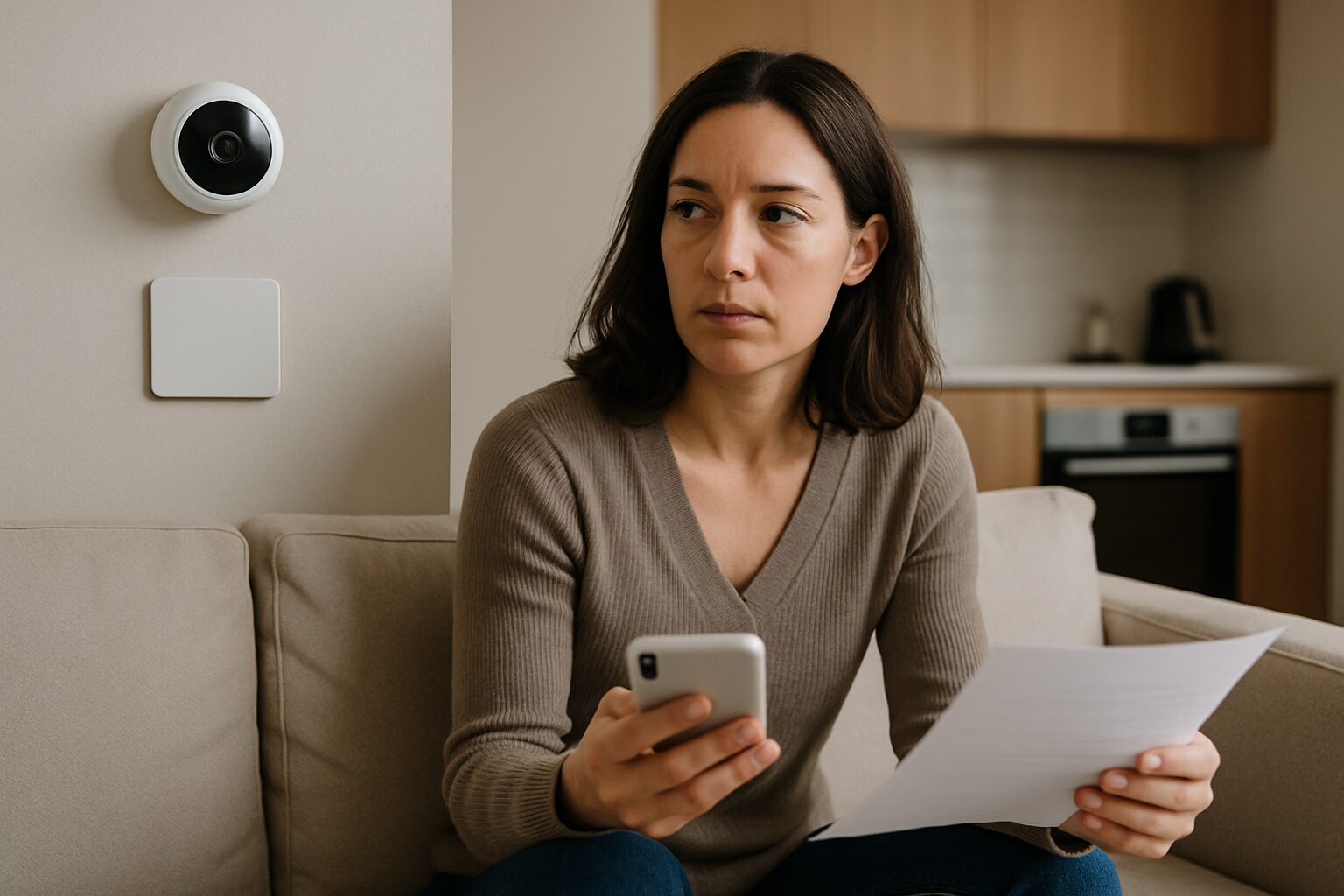
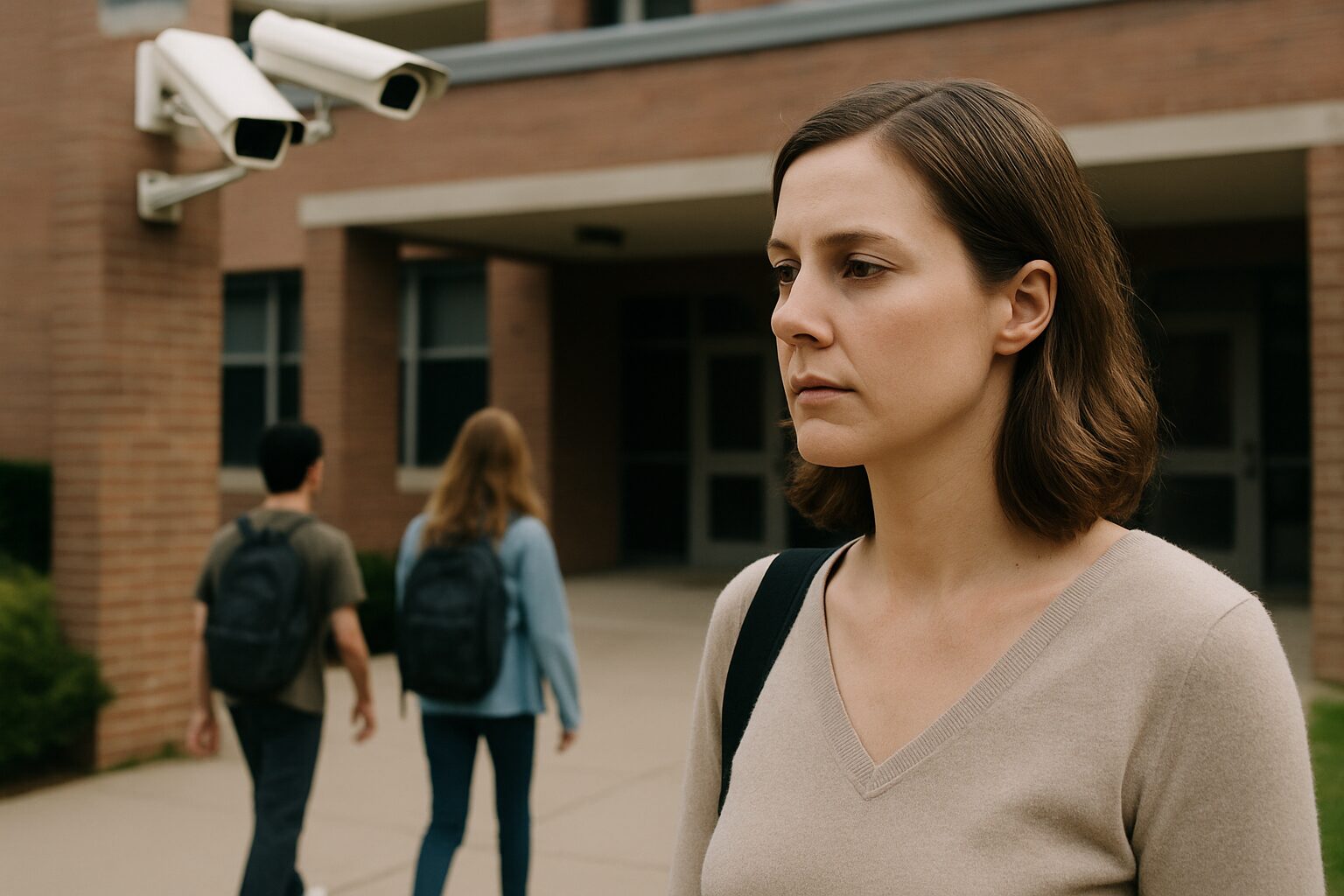
The use of artificial intelligence in school surveillance systems raises ethical concerns about privacy and consent. These systems, which may include facial recognition, behavior monitoring, or predictive analytics, collect and analyze student data without always ensuring transparency or individual rights. The growing adoption of such technologies prompts questions about how to balance safety with personal freedoms in educational environments.
Why It Matters - Real-world impact
The issue of AI in school surveillance systems matters because it directly impacts students, educators, and families, shaping the boundaries between safety and privacy. Students, particularly minors, are vulnerable to overreach as constant monitoring—facial recognition, behavior tracking, or emotion detection—can create a climate of distrust and hinder their development. Errors in AI algorithms, such as misidentifying threats or disproportionately flagging marginalized groups, could lead to unjust disciplinary actions or stigmatization. Beyond schools, the normalization of pervasive surveillance risks spilling into broader society, eroding public expectations of privacy. Regular people should care because these technologies, once entrenched, could set precedents for how AI is deployed in workplaces, public spaces, and even homes, with lasting consequences for civil liberties.
Ethical Concerns - What’s wrong or risky?
AI Surveillance in Schools: Balancing Safety and Ethics
As schools increasingly adopt AI-powered surveillance systems—from facial recognition to behavior tracking algorithms—ethical concerns mount regarding student privacy and broader societal implications.
Privacy and Consent Challenges
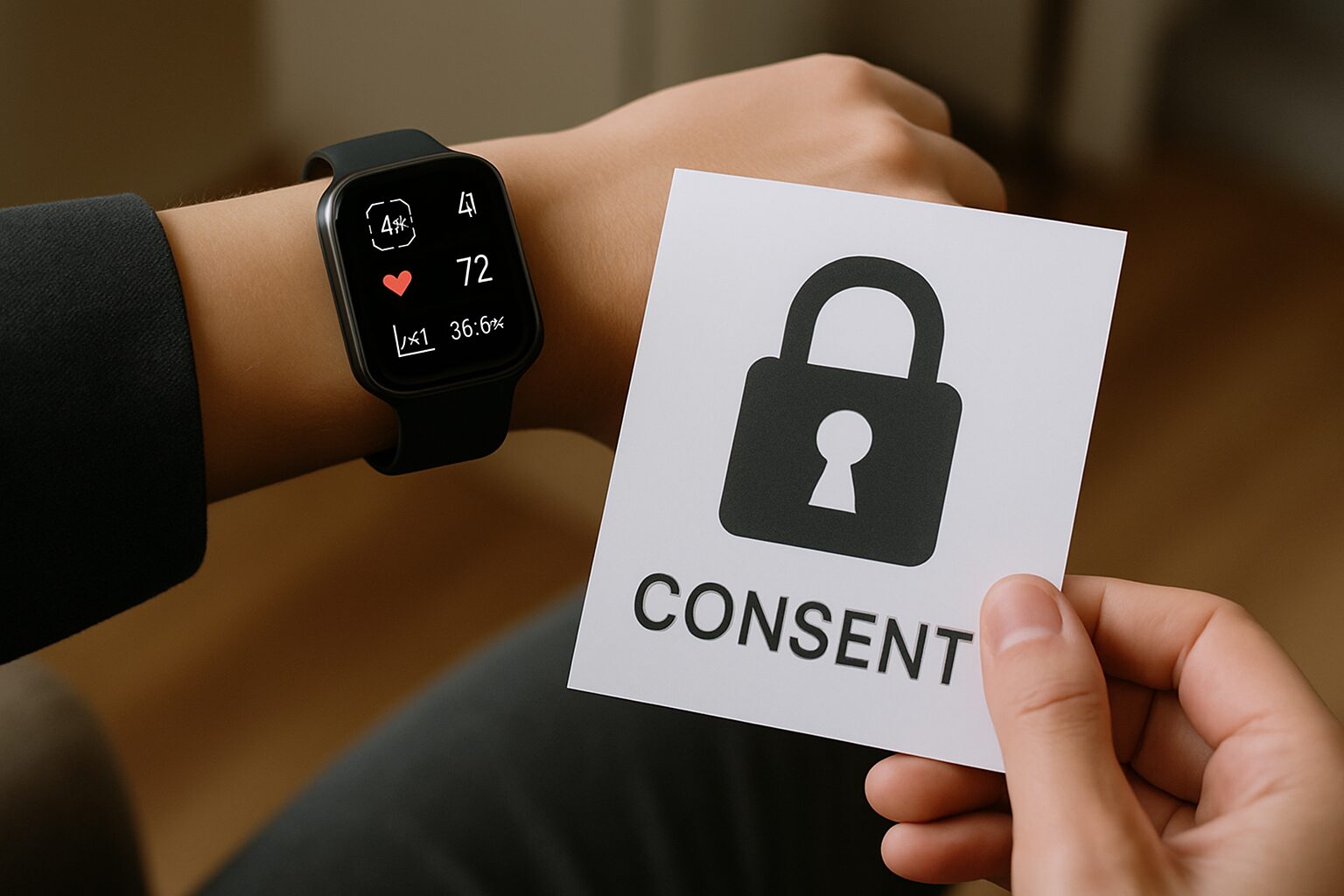
These systems often operate without meaningful consent from students or parents, raising fundamental questions about autonomy and the right to privacy in educational settings.
Risk of Discrimination
AI surveillance can perpetuate or exacerbate discrimination, as algorithms may be biased against certain racial, socioeconomic, or disability groups, leading to disproportionate targeting.
Issues of Fairness
Questions of fairness arise when surveillance data influences disciplinary actions or educational opportunities, potentially reinforcing existing inequalities.
Lack of Transparency
The opaque nature of many AI systems creates a significant transparency deficit, making it difficult for stakeholders to understand how decisions are made or challenge errors.
Broader Societal Concerns
Beyond immediate school impacts, these systems normalize surveillance for young people, potentially shaping societal attitudes toward privacy and authority in concerning ways.
Differing Perspectives
Proponents argue such systems enhance safety and security, while critics warn they create hostile learning environments and undermine trust. Some educators and parents see value in data-driven interventions, whereas civil liberties advocates emphasize the risks of pervasive monitoring.
Unintended Consequences
Over-reliance on automated systems may lead to eroded human judgment in educational settings, and data collected could have long-term consequences for students' futures without adequate safeguards.
Solutions - What’s being done or proposed?
Implementing Strict Data Protection Laws
Governments and institutions have proposed or enacted strict data protection laws, such as the General Data Protection Regulation (GDPR) in the EU, to regulate how AI surveillance systems collect, store, and use student data. These laws mandate transparency, require consent for data collection, and impose penalties for misuse. Schools adopting AI surveillance are encouraged to comply with such regulations to protect student privacy.
Developing Privacy-Preserving AI Technologies
Researchers and tech companies are working on AI systems that prioritize privacy, such as federated learning or differential privacy techniques. These methods allow surveillance systems to function without storing identifiable student data centrally. For example, anonymizing footage or using edge computing to process data locally can reduce risks of misuse or breaches.
Establishing Independent Oversight Committees
Some schools and districts have formed independent oversight committees comprising educators, parents, and privacy experts to review AI surveillance deployments. These committees assess the ethical implications, ensure compliance with policies, and provide recommendations. Their role is to balance security needs with student rights and foster accountability.
Promoting Transparency and Community Engagement
Transparency initiatives, such as public forums and detailed disclosures about how AI surveillance operates, have been suggested to build trust. Schools can engage students, parents, and staff in discussions about the technology's purpose, limitations, and potential risks. Clear communication helps address concerns and ensures stakeholders are informed participants.
Adopting Ethical AI Guidelines for Schools
Educational institutions and advocacy groups have developed ethical guidelines for AI use in schools, emphasizing proportionality, necessity, and fairness. These frameworks encourage schools to evaluate whether surveillance is justified, minimize data collection, and avoid discriminatory practices. Adhering to such guidelines can help prevent overreach and misuse.
Encouraging Alternative Non-Invasive Measures
Instead of relying solely on AI surveillance, some schools have explored alternative measures like increased human supervision, mental health support, or peer mediation programs. These approaches address safety concerns without compromising privacy. Combining these with limited, targeted AI use can create a more balanced security strategy.
Examples and Real Cases
Lockport City School District's Facial Recognition System
In 2020, the Lockport City School District in New York implemented a facial recognition system for surveillance, funded by a state grant. The system, intended to identify threats, raised privacy concerns and was temporarily halted by the New York State Education Department due to these issues.
China's Smart Classroom Surveillance
In 2018, schools in China began using AI-powered 'smart classrooms' equipped with facial recognition to monitor student behavior, such as tracking attentiveness. This system, developed by companies like Hikvision, sparked debates over student privacy and the psychological impact of constant surveillance.
Hypothetical: AI-Powered Emotion Detection in U.S. Schools
A hypothetical scenario involves a U.S. school district deploying AI to analyze students' facial expressions for signs of distress or disengagement. While intended to support mental health, critics argue it could lead to profiling or misuse of sensitive emotional data without consent.
France's Experiment with AI School Surveillance
In 2019, two high schools in France tested an AI system called 'Lycu00e9e 4.0' to monitor students via cameras and predict 'suspicious behavior.' The pilot faced backlash from privacy advocates and was scrutinized under the EU's GDPR regulations.
Hypothetical: Predictive Policing in School Hallways
A realistic hypothetical involves schools using AI to predict 'potential troublemakers' based on gait analysis or social media activity. This could disproportionately target marginalized students, echoing broader concerns about bias in predictive policing algorithms.
Frequently Asked Questions
What is AI school surveillance?
AI school surveillance uses artificial intelligence technologies like facial recognition and behavior analysis to monitor students and staff in schools, aiming to enhance safety and security.
Why is privacy a concern with AI surveillance in schools?
Privacy is a concern because AI surveillance can collect sensitive data like facial images or behavior patterns without clear consent, potentially violating students' rights and exposing them to misuse of their personal information.
Do students and parents have a say in AI surveillance at schools?
In many places, schools are required to inform and sometimes seek consent from parents and students before implementing AI surveillance, but policies vary widely, and not all systems prioritize transparency or opt-out options.
How does AI surveillance impact student behavior?
AI surveillance can create a sense of constant monitoring, which may discourage misconduct but also lead to stress, reduced trust, or reluctance to express oneself freely in school environments.
Are there laws regulating AI surveillance in schools?
Laws vary by region, but some countries and states have introduced regulations to limit or ban certain AI surveillance tools in schools, especially those involving facial recognition, to protect student privacy and rights.