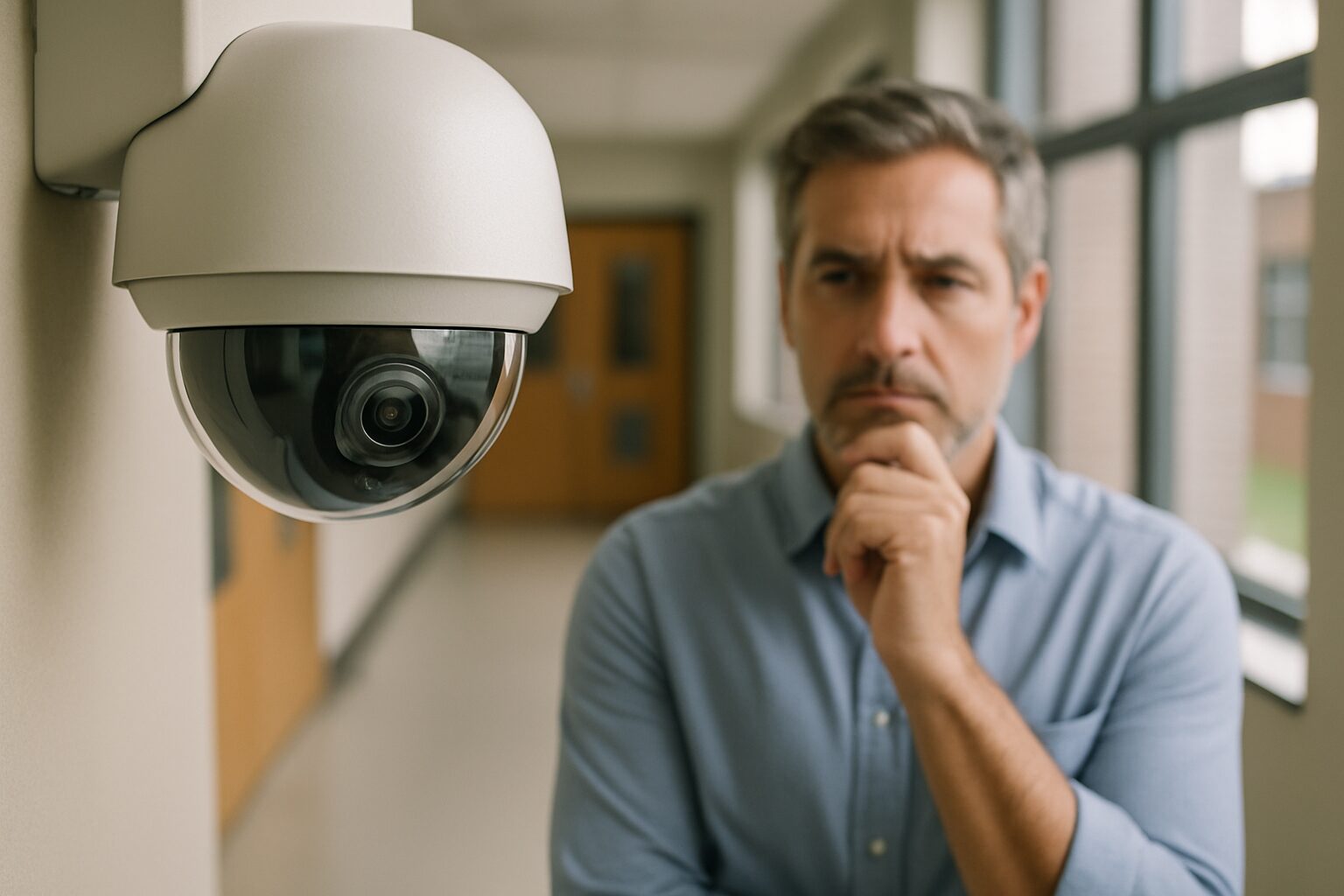
Smart Tech Transforming School Safety: The Future of Campus Monitoring
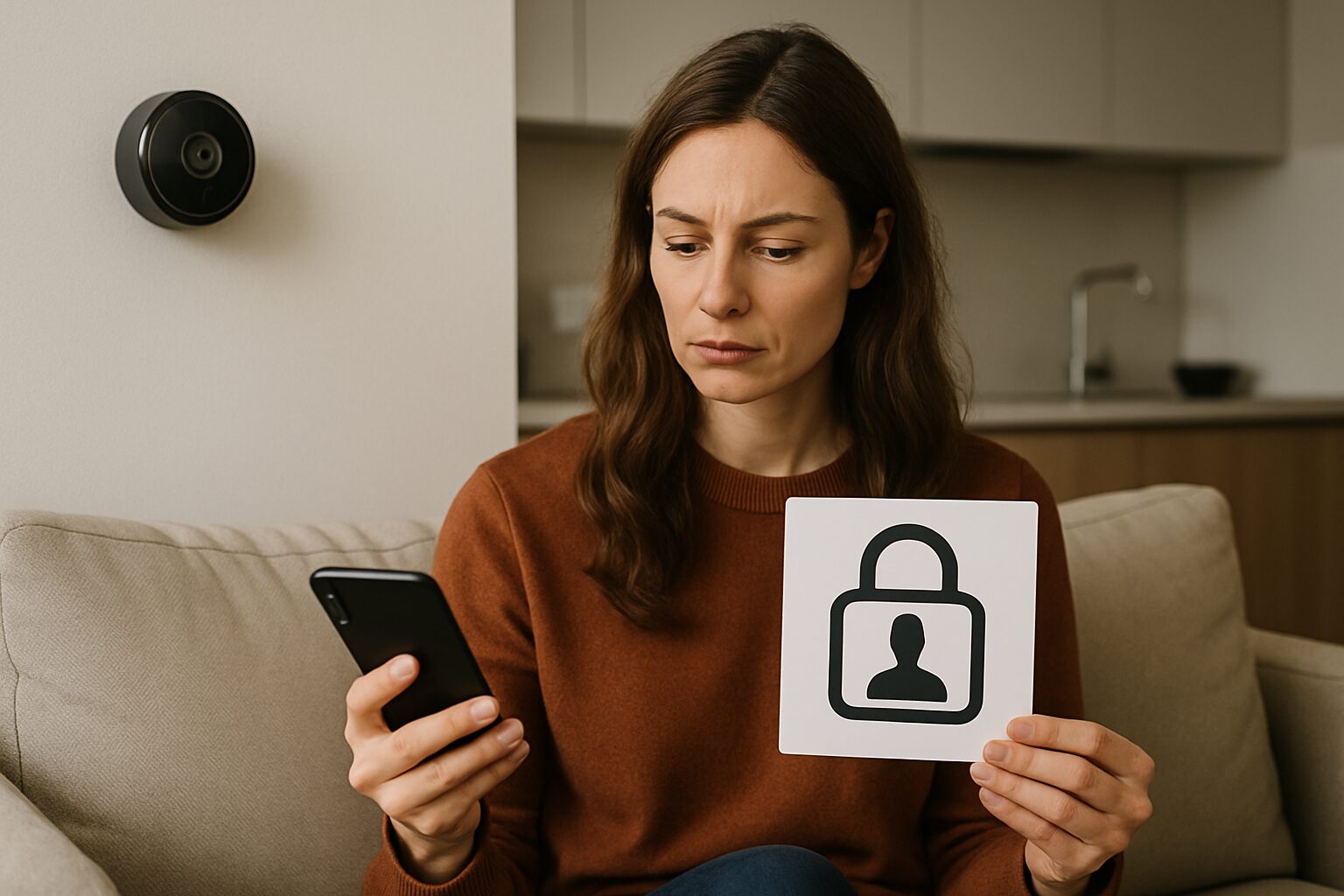
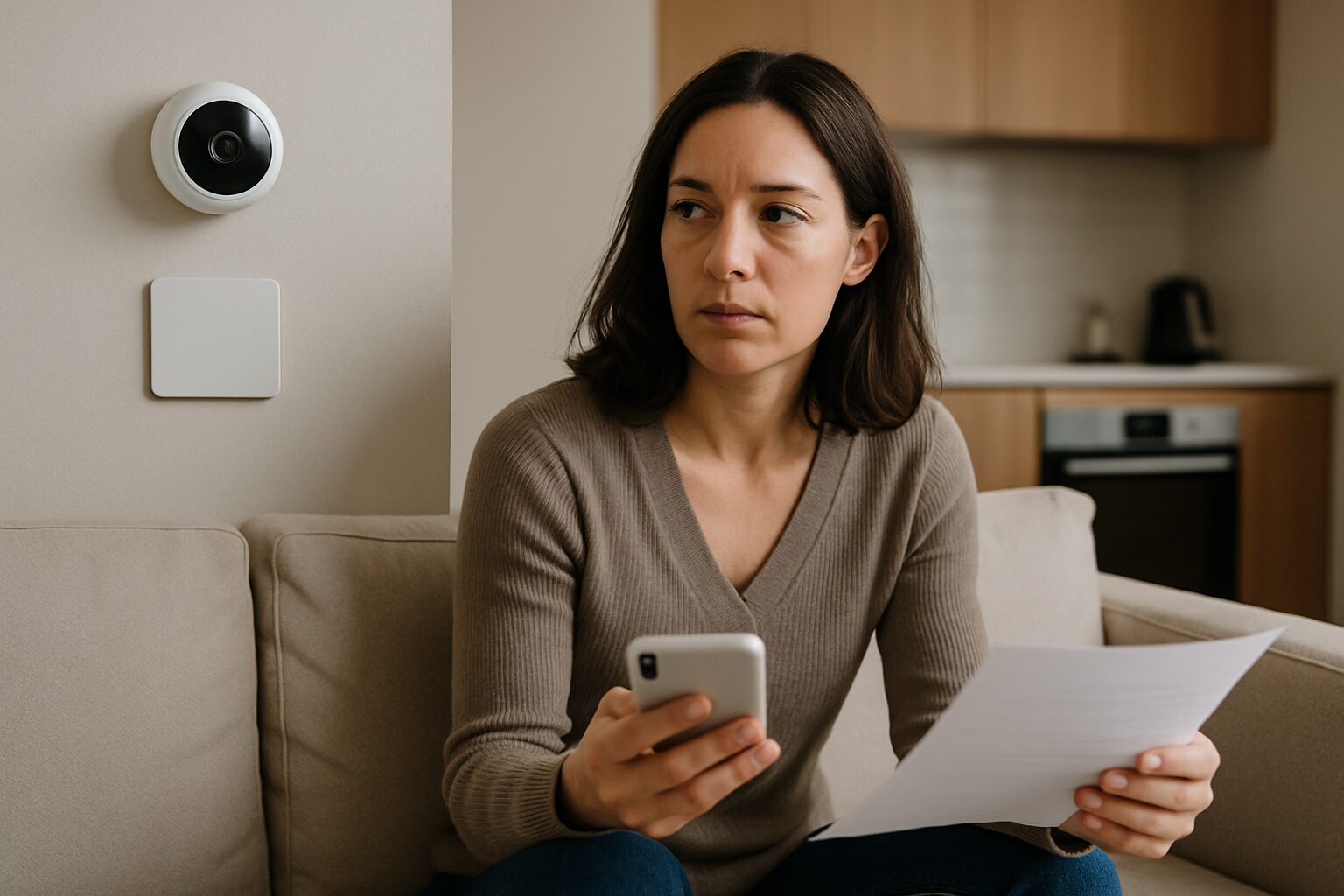
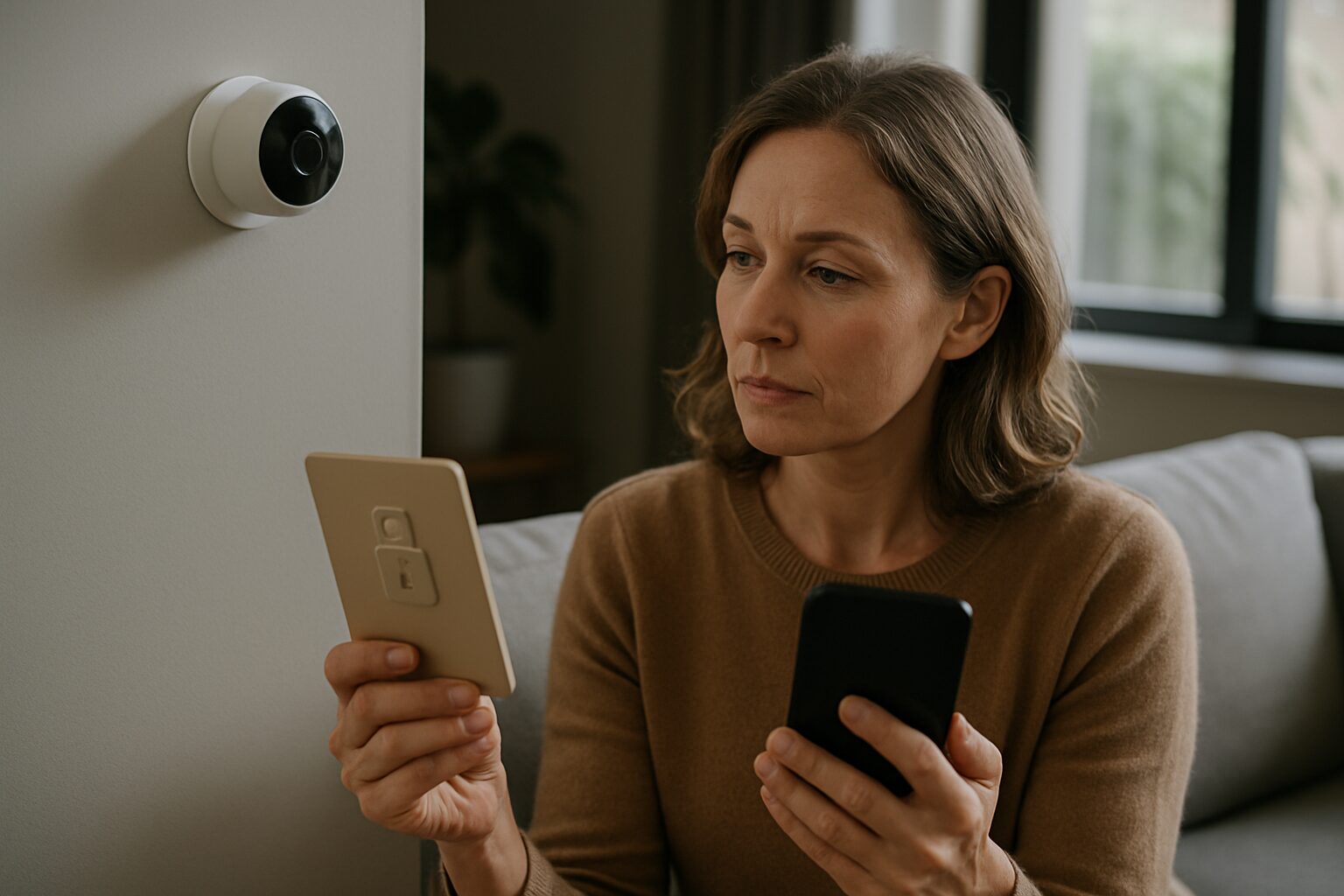
AI-powered surveillance systems are increasingly being used in schools to monitor students through cameras, facial recognition, and behavior analysis tools. These technologies raise concerns about student privacy, as they often collect and process personal data without clear consent. The ethical debate centers on balancing safety and security with the rights of minors to privacy and autonomy in educational spaces.
Why It Matters - Real-world impact
The use of AI in school surveillance systems raises critical ethical concerns with real-world consequences. Students, teachers, and parents are directly affected, as pervasive monitoring can erode trust, stifle personal growth, and normalize intrusive data collection. Errors in facial recognition or behavioral analysis algorithms could lead to false accusations, disproportionately targeting marginalized groups due to biased training data. Beyond schools, such systems set a precedent for broader societal surveillance, where privacy is traded for perceived security. Regular people should care because once these technologies are entrenched, reversing their misuse becomes exponentially harder—impacting not just education but the future of civil liberties.
Ethical Concerns - What’s wrong or risky?
Ethical Risks of AI in School Surveillance
The integration of AI into school surveillance systems raises significant ethical concerns, particularly around privacy and consent. One major issue is the potential for discrimination, as algorithms may disproportionately target certain student groups based on biased training data. This ties directly into questions of fairness, where surveillance outcomes might unjustly affect marginalized communities, reinforcing existing inequalities.
Another critical concern is transparency. Many AI systems operate as "black boxes," making it difficult for students, parents, and educators to understand how decisions are made or what data is being collected. Without clear insight, it becomes challenging to hold systems accountable or ensure they align with educational values.
There are also broader moral worries, such as the normalization of constant monitoring and its impact on student development. Critics argue that pervasive surveillance could erode trust and stifle creativity, while proponents claim it enhances safety and prevents incidents like bullying or violence.
Not everyone agrees on the severity of these risks. Some view AI surveillance as a necessary tool for modern security, emphasizing its potential to protect students. Others caution that the trade-offs in privacy and autonomy may outweigh the benefits, urging careful regulation and oversight.
Solutions - What’s being done or proposed?
Implementing Strict Data Protection Laws
Several regions have introduced or updated data protection laws to regulate how AI surveillance systems in schools collect, store, and use student data. For example, the General Data Protection Regulation (GDPR) in Europe mandates transparency, consent, and the right to be forgotten. Schools must comply with these laws, ensuring that surveillance is justified and data is handled securely. Advocates argue that such legal frameworks can prevent misuse while allowing beneficial applications of AI.
Developing Ethical AI Guidelines for Schools
Educational institutions and AI developers have collaborated to create ethical guidelines for deploying AI surveillance in schools. These guidelines emphasize minimizing data collection, avoiding biased algorithms, and ensuring surveillance is used only for safety, not discipline. By adopting clear principles, schools can balance security with student privacy and foster trust among parents and students.
Transparency and Community Involvement
Some schools have addressed privacy concerns by involving parents, students, and teachers in decisions about AI surveillance. Public forums, consent forms, and clear communication about how the technology works help build accountability. When stakeholders understand the purpose and limitations of surveillance, they are more likely to support its use in justified cases, such as preventing violence or bullying.
Technical Safeguards and Anonymization
Technologists have proposed using anonymization and encryption to protect student identities in surveillance data. For instance, facial recognition systems can be designed to blur faces or use non-identifiable markers. Additionally, limiting access to raw data and implementing strong cybersecurity measures can reduce risks of breaches or misuse.
Alternative Non-Invasive Monitoring Methods
Instead of relying on intrusive AI surveillance, some schools have explored alternative methods like anonymous reporting tools, increased staff presence, or behavioral analysis software that doesnu2019t require video or audio recording. These approaches aim to address safety concerns without compromising privacy, though their effectiveness varies depending on implementation.
Regular Audits and Independent Oversight
To ensure accountability, independent audits and oversight committees have been suggested to review AI surveillance systems in schools. These audits would assess whether the technology is used as intended, check for biases, and evaluate its impact on student rights. External oversight can help identify and rectify issues before they escalate.
Examples and Real Cases
Lockport City School District's Facial Recognition System
In 2020, the Lockport City School District in New York implemented a facial recognition system for surveillance, funded by a state grant. The system, intended to identify threats, raised privacy concerns as it could track students' movements without clear consent.
Pisa, Italy's AI-Powered Behavior Monitoring
In 2021, schools in Pisa, Italy, tested an AI system to monitor students' behavior via cameras, analyzing facial expressions and body language. Critics argued it invaded privacy and could misinterpret natural student behavior as suspicious.
Hypothetical: AI-Driven Social Media Monitoring in Schools
A hypothetical school district partners with an AI firm to scan students' public social media posts for signs of distress or violence. While aimed at safety, the program lacks transparency, leaving students unaware their online activity is being analyzed.
China's Classroom Surveillance Systems
In 2019, reports revealed Chinese schools using AI cameras to monitor student attentiveness, tracking eye movements and facial expressions. The system, part of broader surveillance efforts, sparked debates over student autonomy and data privacy.
Texas' AI Gun Detection Software
In 2022, Texas schools deployed AI software like ZeroEyes to scan surveillance footage for firearms. While intended to prevent shootings, privacy advocates questioned the lack of student consent and potential for misuse of recorded data.
Frequently Asked Questions
What is AI school surveillance?
AI school surveillance uses artificial intelligence technologies like facial recognition and behavior analysis to monitor students and staff in schools, aiming to enhance safety and security.
Why is privacy a concern with AI surveillance in schools?
Privacy is a concern because AI surveillance can collect sensitive data about students, like their movements and behaviors, without clear consent, raising issues about data misuse and personal rights.
Do students and parents have to consent to AI surveillance?
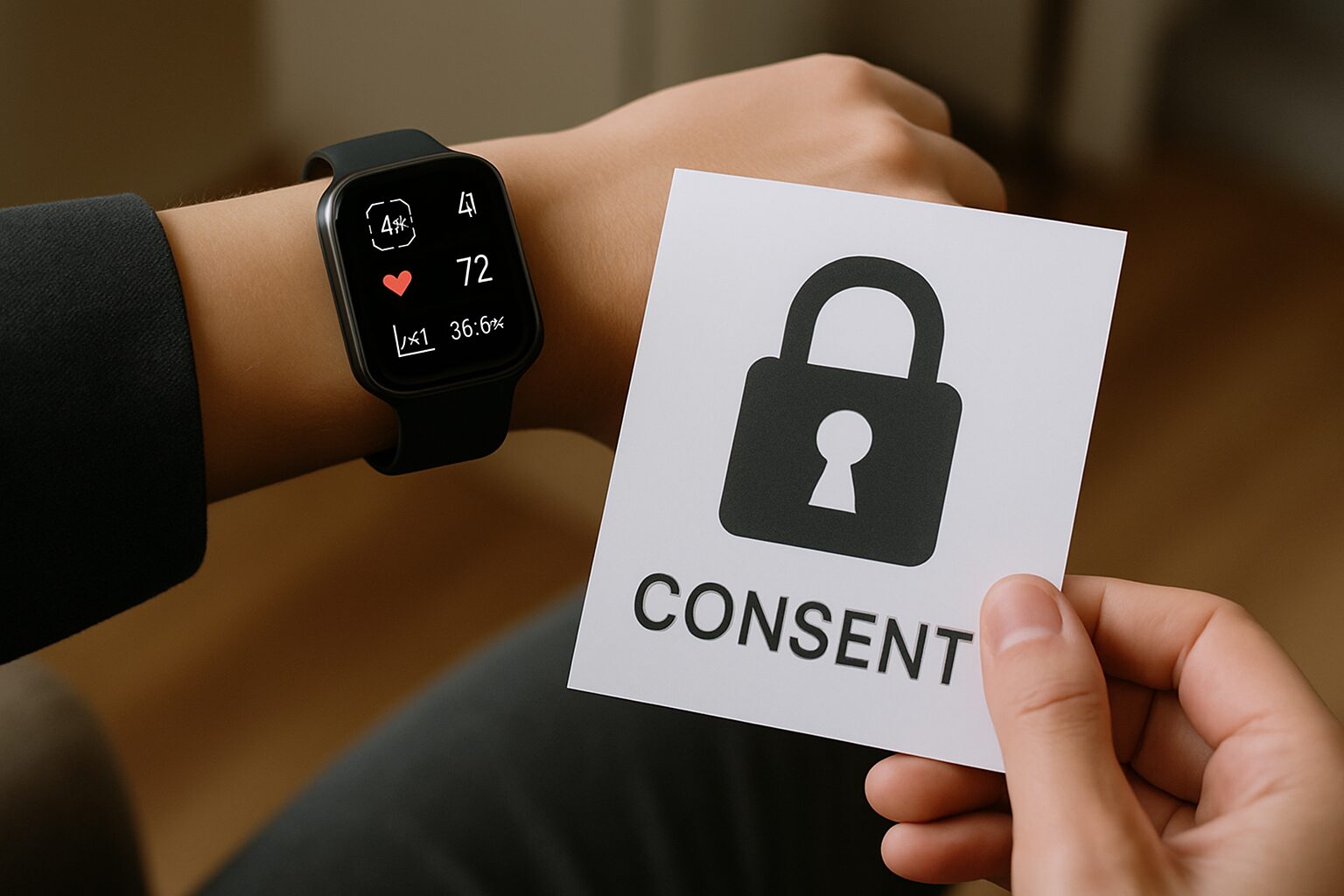
Consent requirements vary by location, but many places require schools to inform and sometimes obtain consent from parents or students before implementing AI surveillance systems.
How can AI surveillance impact student behavior?
AI surveillance may create a sense of constant monitoring, which can discourage negative behaviors but might also increase stress or reduce students' sense of privacy and trust.
Are there alternatives to AI surveillance for school safety?
Yes, alternatives include increased human supervision, anonymous reporting systems, and safety education programs that don't rely on invasive monitoring technologies.