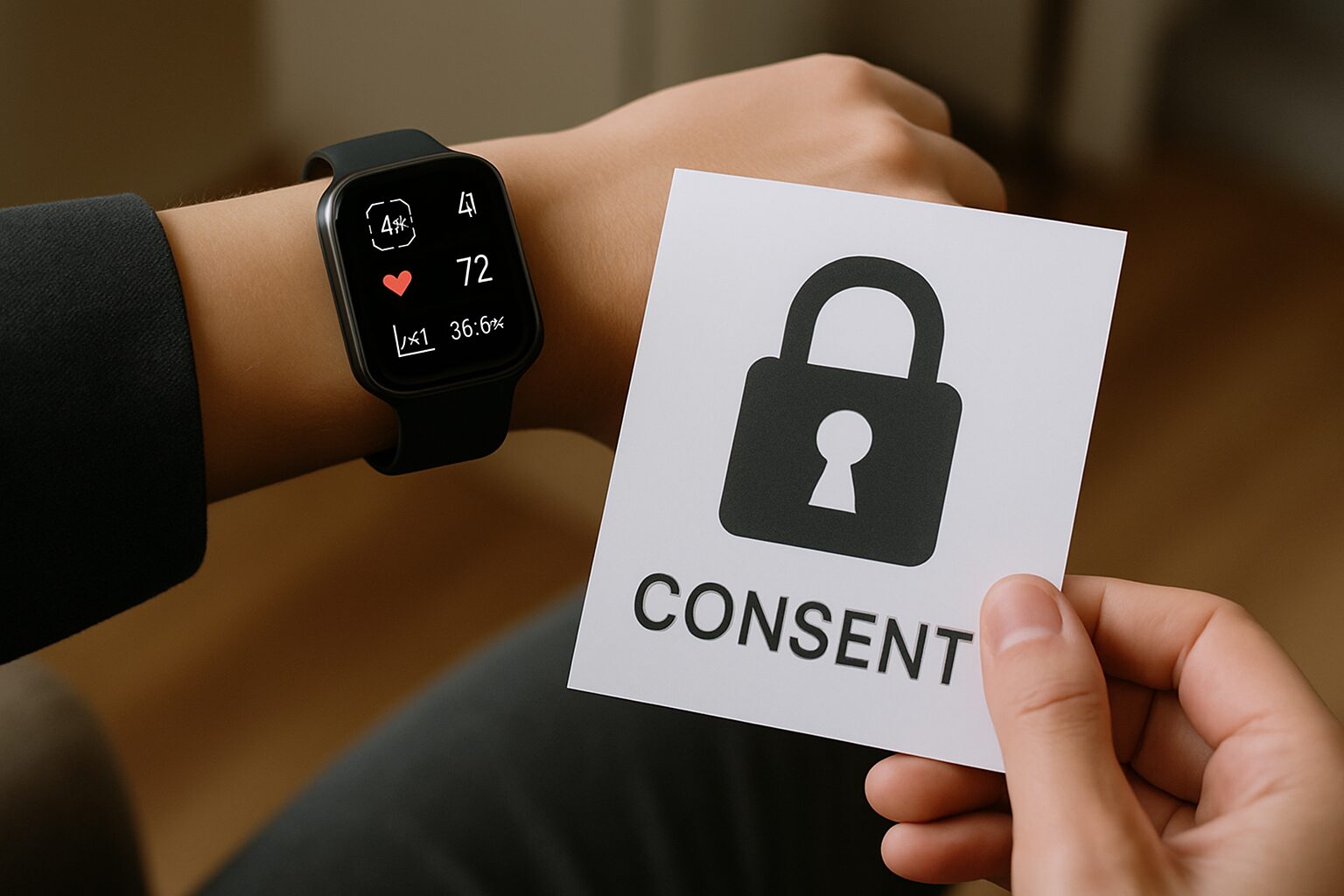
The Hidden Dilemma: How Smart Devices Listen and the Moral Questions They Raise
Voice assistants, such as those found in smart speakers and smartphones, are designed to respond to wake words or phrases, requiring them to continuously listen to ambient conversations. This always-on listening capability raises ethical concerns about privacy and consent, as users may not always be aware of when or how their data is being recorded, stored, or analyzed. The issue centers on balancing convenience with the potential for unauthorized data collection and the lack of transparent user control over these processes.
Why It Matters - Real-world impact
Always-on listening in voice assistants raises significant ethical concerns because it blurs the line between convenience and surveillance. Millions of users—including children, vulnerable populations, and private individuals—unknowingly surrender snippets of their daily conversations, which can be stored, analyzed, or even misused by corporations or malicious actors. Without explicit, informed consent, this practice risks exposing sensitive information, from personal habits to confidential discussions, to data breaches or unauthorized profiling. Regular people should care because normalized passive listening erodes privacy norms, creating a society where constant monitoring becomes acceptable. The implications extend beyond individual risk, shaping broader cultural and legal standards around autonomy and digital rights.
Ethical Concerns - What’s wrong or risky?
Always-On Listening: A Privacy Paradox
Voice assistants, designed for convenience, operate under an "always-on" model, perpetually listening for activation commands. This raises significant ethical questions about privacy and consent, as users may not fully grasp the extent of data collection or how their information is used.
Transparency and Informed Consent
A core issue is the lack of transparency regarding data handling practices. Users often consent to terms without understanding the implications, such as who accesses their data or how long it is stored. This opacity challenges the principle of informed consent, as true agreement requires clear, comprehensible information.
Fairness in Data Usage
Questions of fairness arise when considering how voice data might be used to make decisions affecting users. For instance, could recordings be analyzed to infer health conditions or emotional states, potentially leading to biased outcomes in services like insurance or lending?
Discrimination Through Voice Analysis
Voice assistants may inadvertently perpetuate discrimination. Accent or dialect recognition algorithms might perform poorly for certain demographic groups, limiting access to technology or services. Moreover, voice data could be used to profile users based on socioeconomic or cultural backgrounds.
Economic and Labor Implications
The operation of voice assistants often involves human reviewers analyzing recordings to improve accuracy, raising concerns about worker rights. These workers may face low wages, high stress, and exposure to sensitive content without adequate protections. Additionally, the automation driven by these technologies contributes to fears of job loss in sectors like customer service.
Differing Perspectives
Not all stakeholders view these risks uniformly. Some argue that the benefits of convenience and innovation outweigh privacy concerns, trusting companies to self-regulate. Others emphasize that economic efficiencies and new job creation in tech sectors counterbalance displacement fears. Meanwhile, proponents of strict regulation insist that without robust safeguards, ethical breaches are inevitable.
Other Moral Concerns
Beyond the linked issues, always-on listening poses risks like unauthorized surveillance, where devices could be co-opted for eavesdropping, and data security vulnerabilities, exposing personal conversations to breaches. The normalization of constant monitoring may also erode societal expectations of privacy over time.
Solutions - What’s being done or proposed?
Opt-In Consent Models
Some advocates have proposed stricter opt-in consent models where users must explicitly enable always-on listening features. This would require voice assistants to ask for permission before activating microphones, ensuring users are fully aware of when their data is being collected. Companies like Apple have implemented similar approaches with app permissions, but broader adoption across all devices remains limited.
Local Data Processing
Technical solutions include processing voice data locally on the device rather than sending it to cloud servers. This reduces privacy risks by keeping sensitive information offline. For example, some smart home devices now offer on-device processing for basic commands, though advanced features may still require cloud connectivity. This approach balances functionality with privacy but requires more powerful hardware.
Transparency and Data Access
Institutional efforts have pushed for greater transparency, such as providing users with logs of their voice interactions and clear explanations of how data is used. Regulations like GDPR in Europe mandate that companies disclose data practices and allow users to delete their data. While this doesn't prevent collection, it empowers users to make informed choices and hold companies accountable.
Legislative Restrictions
Legal solutions include banning or restricting always-on listening without explicit consent. Some jurisdictions have introduced laws requiring devices to have physical switches to disable microphones or cameras. For instance, the U.S. state of Illinois has strict biometric data laws that could extend to voice recognition. However, enforcement and global consistency remain challenges.
User Education and Awareness
Social solutions focus on educating users about the risks and settings of voice assistants. Nonprofits and tech-savvy communities have created guides to help people disable unnecessary features or adjust privacy settings. While effective for informed users, this approach relies on individuals taking proactive steps, which may not reach all demographics equally.
Third-Party Audits
Independent audits of voice assistant systems have been suggested to ensure compliance with ethical standards. Organizations like the Electronic Frontier Foundation (EFF) have called for regular reviews of data practices by neutral parties. This could build trust but depends on companies willingly submitting to scrutiny and auditors having full access to systems.
Examples and Real Cases
Amazon Echo Records Private Conversation (2018)
In 2018, an Amazon Echo device in Portland, Oregon, recorded a private conversation between a couple and sent it to a random contact without their knowledge. The incident raised concerns about the device's always-on listening feature and its potential for privacy violations.
Google Assistant Accidental Activations (2019)
In 2019, it was reported that Google Assistant devices were accidentally activating thousands of times a day, recording snippets of conversations without user intent. Belgian public broadcaster VRT NWS revealed that contractors listened to some of these recordings, including sensitive personal discussions.
Apple Siri Grading Program Controversy (2019)
In 2019, Apple admitted that contractors working on the Siri grading program listened to recordings of users, including private medical details and intimate moments. The program was suspended after whistleblowers exposed the lack of transparency and consent.
Hypothetical: Voice Assistant Used for Unauthorized Surveillance
In a hypothetical scenario, a government agency could exploit always-on voice assistants to conduct mass surveillance without warrants. For instance, a smart speaker manufacturer might be compelled to share audio data, turning private devices into unwitting spies.
Facebook Portal Voice Data Sharing (2020)
In 2020, Facebook admitted that audio recordings from its Portal smart displays were reviewed by contractors. While the company claimed the data was anonymized, critics argued the practice violated user trust, especially given Facebook's history of privacy issues.
Frequently Asked Questions
What is always-on listening in voice assistants?
Always-on listening means voice assistants like Alexa or Google Assistant continuously listen for a wake word (e.g., 'Hey Google') to activate. While they process audio locally until triggered, privacy concerns arise over potential accidental recordings or data misuse.
Why is privacy important with voice assistants?
Privacy matters because voice assistants may record sensitive conversations unintentionally. Without proper consent or transparency, this data could be stored, analyzed, or shared, risking personal information exposure or misuse by companies or hackers.
How can I control what my voice assistant records?
Check your device's settings to review or delete recordings, disable always-on listening if possible, and use mute buttons. Regularly audit permissions and opt out of data storage in your account preferences to limit privacy risks.
Do voice assistants listen to everything I say?
Nou2014they only start recording after detecting a wake word. However, false triggers (e.g., similar-sounding phrases) can lead to unintended recordings, raising ethical questions about constant audio monitoring in private spaces.
What are the ethical concerns around voice assistants?
Key issues include lack of clear user consent, opaque data handling, and potential surveillance. Ethical design should prioritize transparency, user control, and minimal data collection to balance convenience with privacy rights.