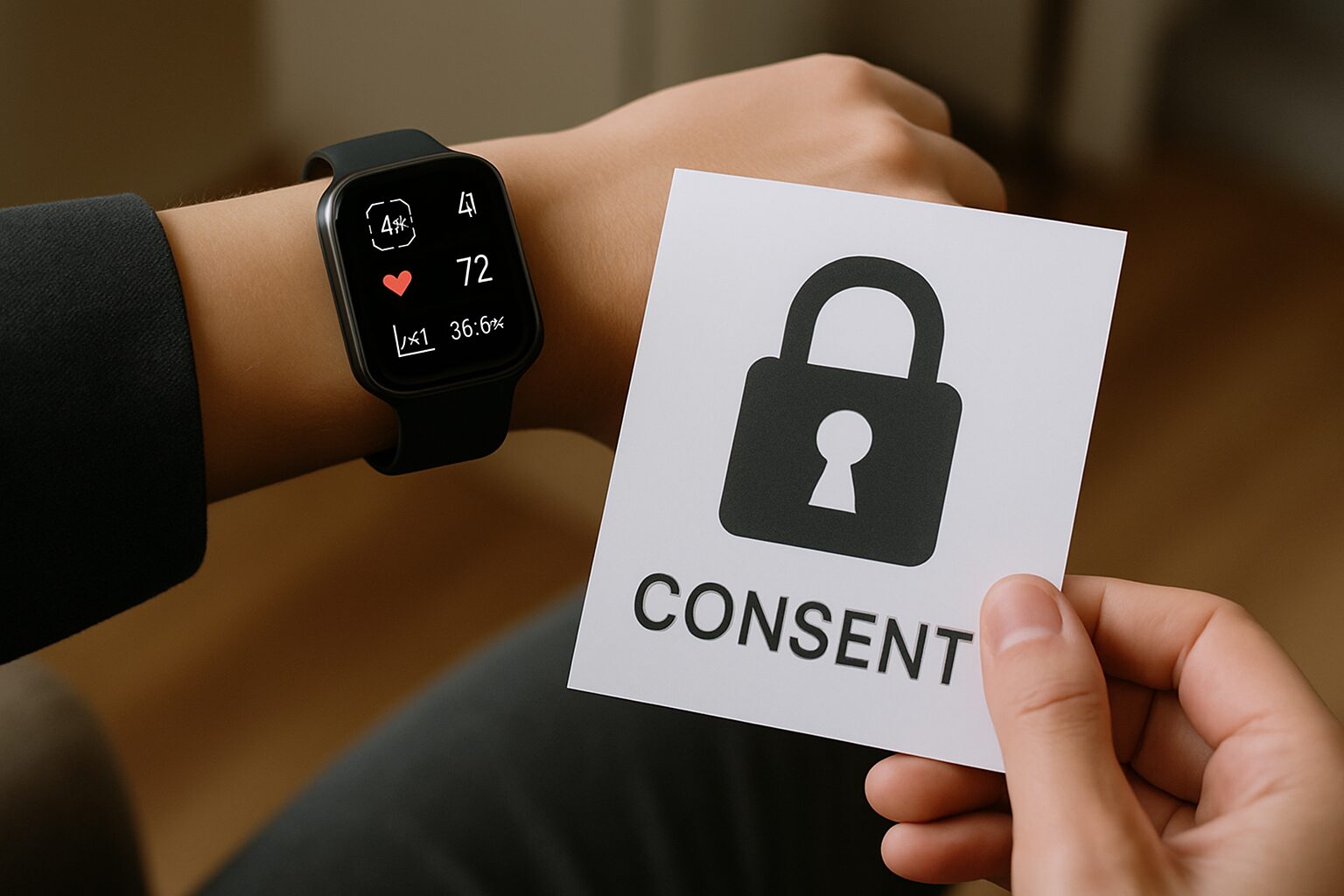
Smart Eyes on Campus: Ensuring Digital Responsibility in Education
The use of artificial intelligence in school surveillance systems raises ethical questions about privacy and accountability. These systems, which may include facial recognition, behavior monitoring, or predictive analytics, collect and analyze student data without always ensuring meaningful consent. The lack of clear guidelines on data usage and oversight creates concerns about how this information is stored, shared, and acted upon.
Why It Matters - Real-world impact
The use of AI in school surveillance systems raises critical ethical concerns with real-world consequences for students, educators, and families. When schools deploy facial recognition, behavior tracking, or predictive analytics, they risk normalizing invasive monitoring of young people, potentially chilling free expression and reinforcing biased algorithms. Errors in these systems—such as misidentifying students or flagging innocent behavior—can lead to unjust disciplinary actions, disproportionately harming marginalized groups. Parents and community members should care because these technologies often operate without meaningful consent or transparency, setting dangerous precedents for privacy erosion. If unchecked, such surveillance could extend beyond schools, shaping a society where constant algorithmic scrutiny becomes the norm.
Ethical Concerns - What’s wrong or risky?
AI in School Surveillance: A New Frontier for Ethical Scrutiny
The integration of AI into school surveillance systems—ranging from facial recognition to behavior analytics—raises profound ethical questions, particularly around privacy and consent. While proponents argue these technologies enhance safety and efficiency, critics highlight significant moral risks that demand careful consideration.
Discrimination and Bias
AI systems can perpetuate and even amplify existing biases. For instance, facial recognition algorithms have been shown to misidentify individuals from certain racial or ethnic groups at higher rates, potentially leading to unfair targeting or disciplinary actions against minority students. This ties directly into broader Ethical Concerns: Discrimination, where automated decisions reflect societal inequalities rather than objective safety measures.
Lack of Transparency
Many AI surveillance tools operate as "black boxes," making it difficult for educators, parents, or students to understand how decisions are made. When a student is flagged for suspicious behavior, the inability to scrutinize the algorithm's reasoning undermines accountability and trust. Issues of Ethical Concerns: Transparency are critical here, as stakeholders deserve to know the criteria and processes influencing disciplinary outcomes.
Fairness in Implementation
Even when algorithms are technically unbiased, their deployment can still be unfair. Schools in wealthier districts may implement more sophisticated (and less error-prone) systems, while underfunded schools rely on cheaper, less reliable options—exacerbating resource gaps. This reflects concerns about Ethical Concerns: Fairness, where equitable access and just application of technology are paramount.
Chilling Effects on Learning
Constant monitoring may create an environment of suspicion, stifling students' willingness to express themselves or engage in creative, critical thinking. This psychological impact, while not directly economic, parallels worries about how surveillance cultures can inhibit personal and intellectual growth.
Differing Perspectives
Supporters of AI surveillance emphasize the potential to prevent incidents like bullying, violence, or self-harm, arguing that the benefits to safety outweigh privacy compromises. Others contend that invasive monitoring normalizes a culture of surveillance and erodes trust between students and institutions. There is also debate over whether these systems truly improve safety or simply create an illusion of control.
Worker and Stakeholder Rights
The use of AI in schools doesn't only affect students; it also implicates educators and staff. Teachers may face pressure to rely on algorithmic judgments over their professional expertise, potentially undermining their autonomy and role. This touches on Ethical Concerns: Worker Rights, as employees navigate new responsibilities and oversight mechanisms introduced by technology.
Economic and Resource Allocation
Investing in high-tech surveillance systems diverts funds from other educational needs, such as counseling, arts, or smaller class sizes. This prioritization raises questions about Ethical Concern: Economic Impact, especially when the long-term benefits of surveillance are unproven compared to investments in supportive, rather than punitive, environments.
Solutions - What’s being done or proposed?
Strict Legal Frameworks and Regulations
Some jurisdictions have implemented or proposed strict legal frameworks to govern the use of AI systems in school surveillance. These laws often require transparency about how AI systems are used, mandate regular audits, and impose penalties for misuse. For example, the EU's General Data Protection Regulation (GDPR) has been cited as a model for ensuring student data privacy, requiring explicit consent and limiting data collection to what is necessary.
Transparency and Public Reporting
Advocates have pushed for schools to adopt transparency measures, such as publicly reporting how AI surveillance systems are deployed, what data is collected, and how it is used. This includes publishing impact assessments and allowing independent reviews. Transparency helps build trust and ensures that stakeholders, including parents and students, are informed about potential privacy implications.
Technical Safeguards and Anonymization
Technical solutions like data anonymization and encryption have been suggested to mitigate privacy risks. By anonymizing footage or data, schools can reduce the chances of misuse while still achieving security goals. Some systems also use edge computing to process data locally, minimizing the need to store sensitive information in centralized databases.
Community Engagement and Consent
Some schools have involved parents, students, and teachers in decision-making processes about AI surveillance. This includes holding public forums, surveys, and pilot programs to gather feedback. Obtaining community consent ensures that surveillance measures align with the values and expectations of those affected, reducing resistance and fostering collaboration.
Ethical AI Guidelines for Schools
Educational institutions and advocacy groups have developed ethical guidelines for AI use in schools. These guidelines often emphasize proportionality, fairness, and accountability, urging schools to balance security needs with student rights. For instance, guidelines may recommend avoiding facial recognition for minor infractions or ensuring algorithms are free from bias.
Independent Oversight Committees
To ensure accountability, some proposals suggest forming independent oversight committees to monitor AI surveillance systems. These committees, composed of educators, privacy experts, and community representatives, would review policies, investigate complaints, and recommend changes to prevent abuse or overreach.
Alternative Non-Invasive Measures
Instead of relying solely on AI surveillance, some schools have adopted less invasive measures, such as increased human supervision, mental health support, and conflict resolution programs. These approaches address root causes of behavioral issues without compromising privacy, offering a more holistic solution to school safety.
Examples and Real Cases
Lockport City School District's Facial Recognition System
In 2020, the Lockport City School District in New York implemented a facial recognition system for surveillance, funded by a state grant. The system sparked controversy over privacy concerns and potential misuse, leading to temporary halts and ongoing legal debates about student data protection.
Hypothetical: AI-Powered Behavior Monitoring in Texas
A hypothetical scenario involves a Texas school district using AI to analyze student behavior through cameras, flagging 'suspicious' actions like prolonged stillness or rapid movements. Without clear accountability measures, this could lead to unjust disciplinary actions based on algorithmic errors.
China's Smart Classroom Surveillance
In 2019, Chinese schools deployed AI systems to monitor students' facial expressions and posture, claiming it improved engagement. Critics argued it violated privacy and normalized surveillance, with data stored indefinitely without explicit consent from students or parents.
Hypothetical: Predictive Policing in California Schools
A realistic hypothetical involves a California district using AI to predict 'at-risk' students based on attendance and social media activity. Without transparency, such systems could disproportionately target marginalized groups, reinforcing biases under the guise of safety.
Broward County's Social Media Monitoring
In 2018, Broward County Public Schools in Florida partnered with a tech firm to scan students' social media for threats. The program faced backlash for vague criteria and lack of oversight, raising concerns about overreach and misinterpretation of harmless posts.
Frequently Asked Questions
What is AI school surveillance?
AI school surveillance uses artificial intelligence technologies like facial recognition and behavior tracking to monitor students and staff in schools, aiming to enhance safety and security.
Why is privacy a concern with AI surveillance in schools?
Privacy is a concern because AI surveillance can collect sensitive data on students without their consent, potentially leading to misuse, discrimination, or violations of their personal rights.
Do students and parents have a say in AI surveillance at schools?
In many cases, schools implement AI surveillance without clear consent from students or parents, raising ethical questions about transparency and the right to opt-out.
How can AI surveillance impact student behavior?
Constant monitoring may create a stressful environment, making students feel like they're always being watched, which could hinder their ability to learn and express themselves freely.
Are there laws regulating AI surveillance in schools?
Laws vary by region, but many places lack strict regulations, leaving gaps in accountability for how schools use AI surveillance and protect student data.