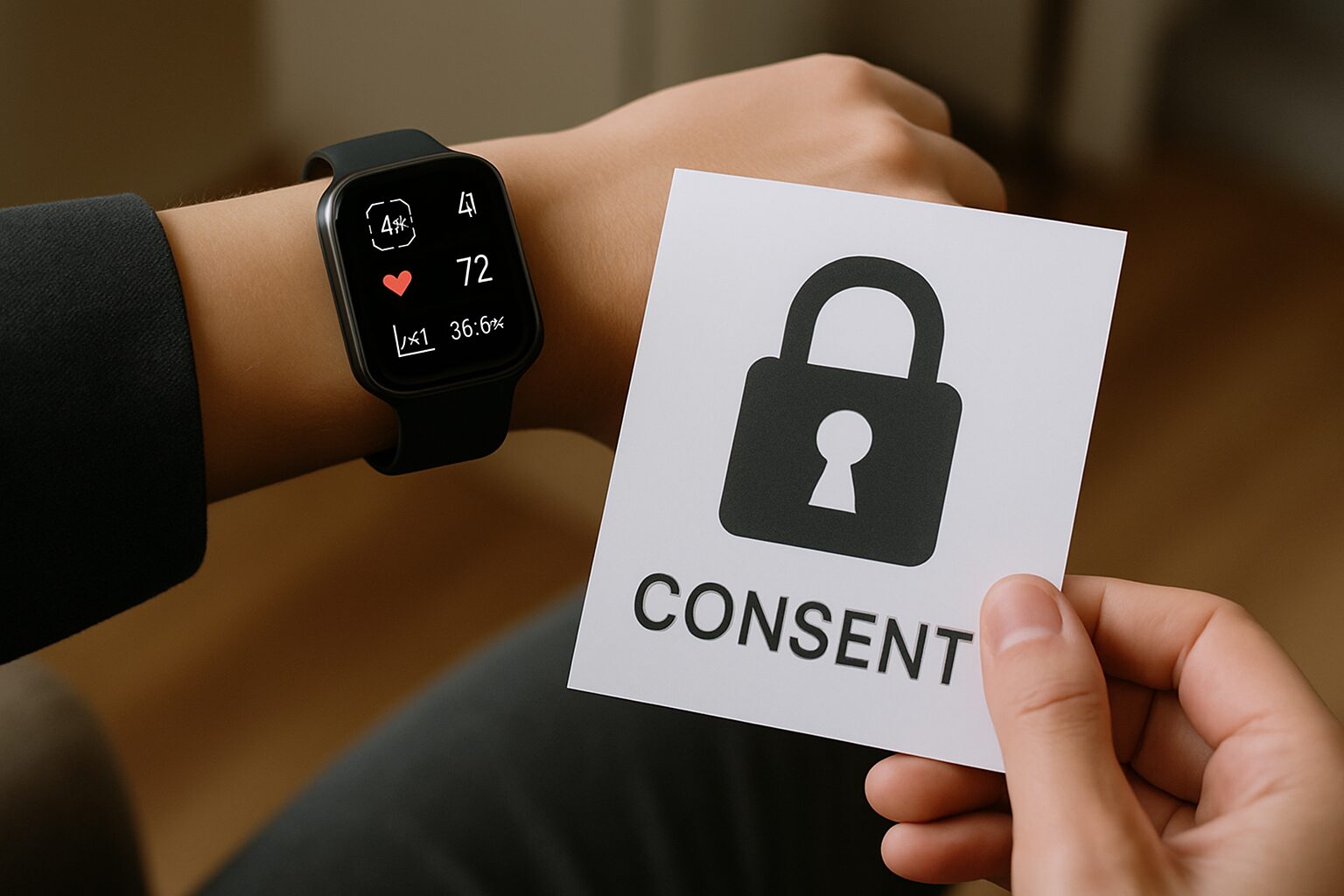
The Future of Identity: Balancing Tech Innovation and Personal Privacy
The use of artificial intelligence to process biometric data—such as facial recognition, fingerprints, or voice patterns—has raised significant privacy concerns. As AI systems collect and analyze this highly personal information, debates center on how to balance technological benefits with individual rights. Key issues include consent, data security, and the potential for misuse or bias in automated decision-making.
Why It Matters - Real-world impact
The ethical use of AI in processing biometric data—such as facial recognition, fingerprints, or voice patterns—has profound real-world implications for individuals and society. Governments and corporations increasingly deploy these technologies for security, convenience, or surveillance, often without transparent consent, disproportionately affecting marginalized communities through misidentification or over-policing. If misused, biometric data can lead to irreversible privacy violations, identity theft, or even oppressive monitoring, eroding trust in institutions. Regular people should care because once biometric information is collected, it cannot be replaced like a password, leaving permanent risks if breached or exploited. Without proper safeguards, these systems risk normalizing intrusive surveillance, fundamentally altering the balance between security and personal freedom.
Ethical Concerns - What’s wrong or risky?
AI and Biometric Data Privacy: Navigating Ethical Risks
As artificial intelligence integrates deeper into biometric data processing—from facial recognition to fingerprint scans—ethical concerns around privacy and consent intensify. These systems collect and analyze highly personal information, raising significant moral questions.
Key Ethical Risks
One major issue is discrimination, where biased algorithms may misidentify or disproportionately target certain demographic groups, reinforcing societal inequalities. This ties closely to concerns about fairness, as not all individuals may receive equal treatment or accuracy in AI-driven biometric applications.
Another critical area is transparency. Many AI systems operate as "black boxes," making it difficult for users to understand how their data is being used or how decisions are made, eroding trust and informed consent.
There are also broader societal risks, such as the economic impact of monetizing biometric data, which could exacerbate wealth gaps if data ownership and profits are concentrated among a few corporations.
Differing Perspectives
Not all stakeholders view these risks uniformly. Proponents argue that biometric AI enhances security and efficiency, justifying its use with proper safeguards. Critics, however, emphasize the potential for surveillance overreach and erosion of personal autonomy, advocating for stricter regulations and ethical guidelines.
Worker rights advocates highlight risks like worker rights infringements, where biometric monitoring could lead to undue surveillance in workplaces, affecting privacy and dignity. Others point to fears of job loss as automation replaces roles in security, identification, and data management.
Ultimately, balancing innovation with ethical safeguards remains a contentious and evolving debate, requiring ongoing dialogue among technologists, policymakers, and the public.
Solutions - What’s being done or proposed?
Stronger Legal Frameworks and Regulations
Governments and international bodies have proposed stricter laws to regulate the use of biometric data by AI systems. Examples include the EU's General Data Protection Regulation (GDPR), which imposes heavy penalties for misuse of personal data, and the proposed AI Act, which specifically addresses biometric surveillance. These frameworks aim to ensure transparency, accountability, and user consent before collecting or processing biometric information.
Privacy-Preserving AI Technologies
Technical solutions such as federated learning, differential privacy, and homomorphic encryption have been developed to allow AI systems to analyze biometric data without directly accessing raw personal information. These methods enable data to remain decentralized or anonymized, reducing the risk of breaches or misuse while still allowing for meaningful analysis.
Decentralized Data Storage
Some organizations advocate for decentralized storage solutions, such as blockchain-based systems, where biometric data is stored in a distributed manner rather than in centralized databases. This approach minimizes single points of failure and makes it harder for malicious actors to access large datasets, thereby enhancing security and user control over their own data.
Public Awareness and Education Campaigns
Nonprofits and advocacy groups have launched initiatives to educate the public about the risks and rights associated with biometric data. By increasing awareness, individuals can make informed decisions about sharing their data and demand greater accountability from companies and governments. These campaigns often include guides on opting out of biometric systems or understanding privacy policies.
Ethical AI Certification Programs
Institutions and industry groups have introduced certification programs to evaluate AI systems for ethical compliance, including biometric data handling. Companies that meet certain standardsu2014such as fairness, transparency, and user consentu2014receive certifications that signal trustworthiness to consumers and regulators. This encourages responsible practices through market incentives.
User-Controlled Consent Mechanisms
Some platforms now offer granular consent options, allowing users to specify exactly how their biometric data can be used, for how long, and by whom. For example, facial recognition systems might let individuals opt in or out of specific use cases (e.g., security vs. marketing). These mechanisms prioritize user autonomy and reduce blanket data collection.
Bans on Certain Biometric Applications
Cities and countries have implemented outright bans on specific uses of biometric AI, such as facial recognition in public spaces. For instance, San Francisco and several European cities have prohibited law enforcement from using real-time facial recognition, citing privacy and bias concerns. These bans act as a stopgap while longer-term solutions are developed.
Examples and Real Cases
Clearview AI's Facial Recognition Controversy
In 2020, Clearview AI faced widespread criticism for scraping billions of images from social media and other websites to create a facial recognition database without individuals' consent. The company's technology was used by law enforcement agencies, raising concerns about mass surveillance and privacy violations.
Amazon's Rekognition and Racial Bias
In 2018, the ACLU tested Amazon's Rekognition software and found it disproportionately misidentified people of color, including falsely matching 28 members of Congress with criminal mugshots. This highlighted ethical concerns about biased AI systems being used for policing and surveillance.
China's Social Credit System
China's nationwide social credit system, implemented in 2020, uses AI-powered facial recognition and biometric data to monitor citizens' behavior. This has raised significant human rights concerns about privacy erosion and government overreach in personal lives.
Hypothetical: Workplace Emotion Tracking
A hypothetical company develops AI that analyzes employees' facial expressions and voice tones via workplace cameras to assess engagement and productivity. While intended to improve workplace satisfaction, this raises ethical questions about constant biometric monitoring without meaningful consent.
IRS's Facial Recognition Plan (2022)
In 2022, the IRS announced plans to require facial recognition via ID.me for accessing tax records, but reversed course after public backlash about privacy risks and potential bias. The incident demonstrated public resistance to mandatory biometric verification by government agencies.
Frequently Asked Questions
What is biometric data in AI?
Biometric data in AI refers to unique physical or behavioral characteristics like fingerprints, facial recognition, or voice patterns that AI systems use to identify individuals. It's often collected for security, authentication, or personalization purposes.
Why is biometric data privacy a big concern?
Biometric data privacy is a major concern because unlike passwords, biometric traits (like your face or fingerprints) can't be changed if compromised. If leaked or misused, it could lead to identity theft, surveillance, or discrimination with long-term consequences.
Do companies need my consent to use my biometric data?
In many regions, companies legally require your explicit consent before collecting or using your biometric data. However, laws vary globallyu2014some places have strict regulations (like GDPR in the EU), while others have fewer protections, making user awareness critical.
How is AI making biometric data collection more controversial?
AI enables mass collection and analysis of biometric data at scale (e.g., facial recognition in public spaces), raising debates about consent, accuracy, and bias. Critics argue it can invade privacy or target marginalized groups unfairly without clear oversight.
What can I do to protect my biometric data privacy?
To protect your biometric data, review privacy policies before sharing it, opt out of biometric systems where possible, use alternatives (like PINs), and support regulations that demand transparency and user control over how this sensitive data is used.