Big Brother in the Virtual Classroom: The Rise of Digital Monitoring in Education
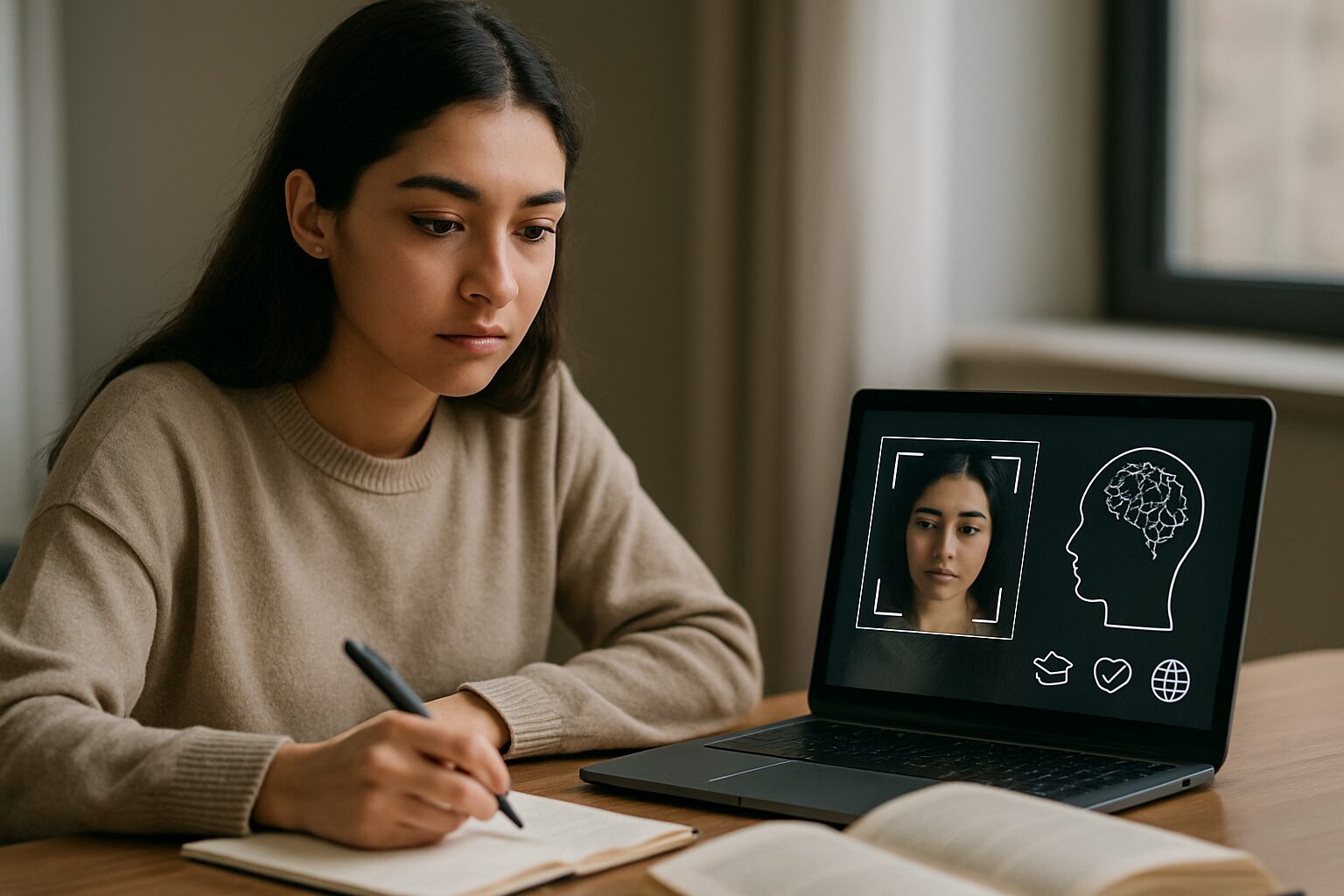
Student surveillance in online learning refers to the use of digital tools to monitor students' activities during virtual classes or exams. These tools may include tracking browsing history, recording video and audio, or using AI to detect suspicious behavior. The practice raises ethical questions about privacy, consent, and the balance between academic integrity and personal rights.
Why It Matters - Real-world impact
Student surveillance in online learning matters because it directly impacts privacy, trust, and educational equity. Students—especially minors—are subjected to intrusive monitoring tools like facial recognition, keystroke logging, and browser tracking, often without meaningful consent. This normalization of surveillance can erode trust in educational institutions, stifle intellectual curiosity, and disproportionately harm marginalized groups who may face biased algorithmic judgments. If misused, collected data could lead to profiling, discrimination, or even breaches of sensitive information. Regular people should care because these practices set precedents for how technology governs privacy and freedom in learning spaces, shaping the future of education for generations.
Ethical Concerns - What’s wrong or risky?
Student Surveillance in Online Learning: Ethical Risks
As online learning becomes more prevalent, so does the use of surveillance technologies to monitor students. While proponents argue these tools ensure academic integrity and engagement, they raise significant ethical concerns.
Fairness
Surveillance systems may inadvertently disadvantage certain students. For example, those with unreliable internet connections or shared living spaces might trigger false flags for "suspicious behavior," unfairly penalizing them. This challenges the principle of fairness, as not all students have equal conditions for being monitored accurately.
Discrimination
AI-driven monitoring tools can embed and amplify biases. Facial recognition or behavior analysis algorithms might misinterpret cultural expressions, disabilities, or neurodiverse traits as disengagement or cheating. This risks discrimination, disproportionately affecting marginalized groups and reinforcing existing inequalities.
Transparency
Many institutions fail to clearly communicate how surveillance data is collected, used, or stored. Students and parents are often left in the dark about the extent of monitoring, undermining trust. Ensuring transparency is crucial for informed consent and accountability.
Privacy and Autonomy
Constant monitoring invades students' privacy and can stifle intellectual freedom. The pressure to perform under surveillance may hinder authentic learning, reducing education to a performative act rather than a developmental process.
Points of View
Supporters of surveillance argue it is necessary to maintain academic standards and prevent cheating, especially in remote settings. Critics, however, contend that it creates a culture of distrust and normalizes invasive practices, potentially doing more harm than good to the educational experience.
Solutions - What’s being done or proposed?
Implementing Transparent Data Policies
Educational institutions and online learning platforms have started adopting transparent data policies to address concerns over student surveillance. These policies clearly outline what data is collected, how it is used, and who has access to it. By providing students and parents with detailed information, institutions aim to build trust and ensure informed consent. Some platforms also allow users to opt out of certain data collection practices, giving them more control over their privacy.
Developing Privacy-First Technologies
Technologists and educators are collaborating to create privacy-first tools that minimize invasive surveillance. For example, some online proctoring software now uses less intrusive methods, such as randomized checks instead of constant monitoring. Additionally, encryption and anonymization techniques are being employed to protect student data. These solutions aim to balance the need for academic integrity with respect for student privacy.
Advocating for Legal Protections
Advocacy groups and lawmakers are pushing for stronger legal protections to regulate student surveillance. Proposed legislation includes bans on certain types of monitoring, such as facial recognition in virtual classrooms, and requirements for explicit consent before data collection. Some regions have already enacted laws that limit how educational institutions can use surveillance technologies, setting a precedent for others to follow.
Promoting Digital Literacy and Awareness
Educational campaigns are being launched to raise awareness about the implications of online surveillance. Schools and universities are incorporating digital literacy programs that teach students about their rights and how to protect their privacy online. By empowering students with knowledge, these initiatives aim to foster a culture of critical thinking and self-advocacy in digital spaces.
Establishing Ethical Guidelines for AI Use
Institutions are developing ethical guidelines to govern the use of AI and surveillance technologies in education. These guidelines often involve input from diverse stakeholders, including educators, students, and ethicists, to ensure fairness and accountability. By setting clear standards, institutions hope to prevent misuse of surveillance tools and promote ethical practices that prioritize student well-being.
Creating Student-Led Oversight Committees
Some schools and universities have formed student-led oversight committees to monitor the use of surveillance technologies. These committees review policies, investigate complaints, and recommend changes to ensure that student privacy is respected. Giving students a direct role in oversight helps institutions stay accountable and responsive to concerns.
Examples and Real Cases
Proctorio's Remote Exam Monitoring (2020)
In 2020, Proctorio, an AI-based remote proctoring tool, faced backlash for its invasive monitoring during online exams. Students reported being recorded via webcam, having their screen activities tracked, and even being flagged for minor movements like looking away from the screen.
New York City Schools' Gaggle Monitoring (2021)
In 2021, New York City public schools implemented Gaggle, an AI tool that monitors students' online activities on school-issued devices. The software flagged keywords in emails and documents, leading to concerns about privacy and the potential for over-policing students' communications.
Hypothetical: AI-Powered Attendance Tracking
A hypothetical scenario involves a university using facial recognition software to track attendance in virtual lectures. The system could mistakenly mark students as absent if lighting or camera angles are poor, raising concerns about accuracy and privacy.
University of Illinois' Examity Controversy (2019)
In 2019, the University of Illinois faced criticism for requiring students to use Examity, a proctoring service that recorded keystrokes and eye movements. Students argued the tool created an atmosphere of distrust and disproportionately affected those with disabilities.
Hypothetical: Behavioral Analytics in K-12
A realistic hypothetical involves a school district using AI to analyze students' behavior during online classes, such as frequency of participation or time spent on tasks. This could lead to unfair labeling of students without considering external factors like home environment or learning differences.
Frequently Asked Questions
What is student surveillance in online learning?
Student surveillance in online learning refers to the monitoring of students' activities, behaviors, and data during virtual classes. This can include tracking login times, participation, screen activity, and even webcam usage to ensure engagement and prevent cheating.
Why is student surveillance important in online education?
Student surveillance helps educators maintain academic integrity, ensure participation, and identify students who may need additional support. It also helps institutions prevent cheating and uphold fairness in online assessments.
What are the common tools used for student surveillance?
Common tools include learning management systems (LMS) like Canvas or Blackboard, proctoring software like Proctorio or Respondus, and browser monitoring extensions. These tools track activity, record sessions, and flag suspicious behavior.
How does student surveillance affect privacy?
Student surveillance raises privacy concerns because it often collects personal data, such as facial recognition, keystrokes, or browsing history. Schools must balance monitoring with transparency and comply with data protection laws like FERPA or GDPR.
Can students opt out of surveillance in online learning?
Opting out depends on the institution's policies. Some schools allow alternatives like in-person proctoring, while others require compliance for course completion. Students should review their school's guidelines and discuss concerns with instructors.