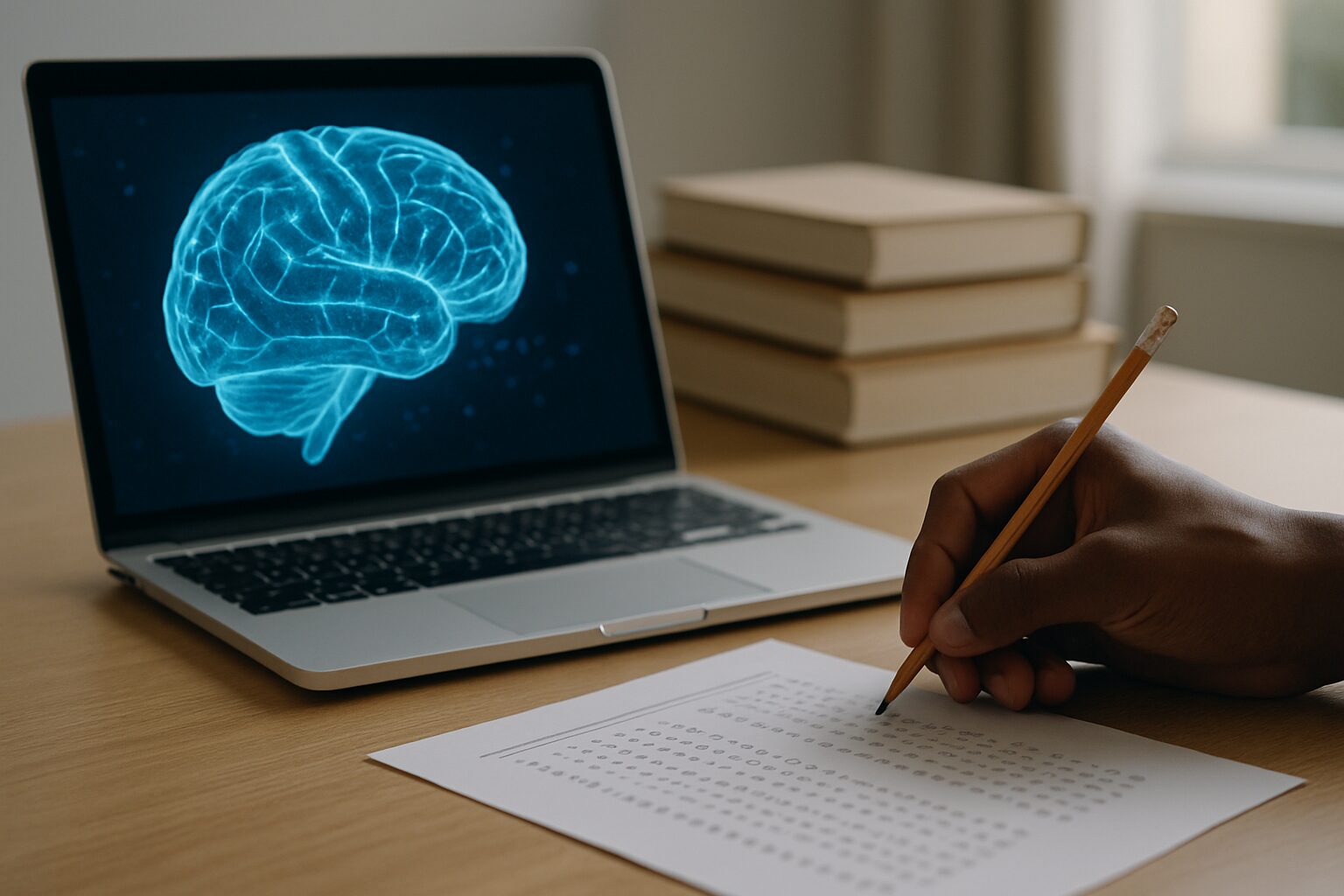
Is AI Plagiarism Detection Fair? Unpacking the Debate
The use of AI to detect plagiarism in academic and professional work raises ethical questions about fairness and accuracy. While these tools aim to uphold integrity by identifying copied content, concerns arise over potential biases, false positives, and the lack of transparency in their algorithms. The debate centers on whether AI-driven plagiarism detection balances accountability with equitable treatment of individuals.
Why It Matters - Real-world impact
The issue of AI detecting plagiarism carries significant real-world implications, affecting students, educators, researchers, and content creators alike. Overreliance on automated systems may lead to false accusations, unjust penalties, or the stifling of original thought due to algorithmic biases or flawed databases. Conversely, undetected plagiarism undermines academic integrity and devalues legitimate work. For regular people, this matters because it shapes trust in education, media, and intellectual property—cornerstones of a fair and informed society. Missteps in AI-driven plagiarism detection could erode credibility in institutions or unfairly alter career trajectories, making transparency and accountability essential.
Ethical Concerns - What’s wrong or risky?
AI Plagiarism Detection: The Ethical Landscape
As AI-powered plagiarism detection tools become standard in education, they raise significant ethical questions. While intended to uphold academic integrity, these systems can introduce risks related to fairness, discrimination, and transparency.
Fairness in Algorithmic Judgment
AI tools may not account for cultural or linguistic diversity, penalizing non-native speakers or those with different writing conventions. This challenges the principle of fairness, as the algorithms might favor certain styles or backgrounds over others.
Discrimination and Bias
If training data is skewed, AI can perpetuate biases, disproportionately flagging work from underrepresented groups. This ties directly to concerns about discrimination, where systemic biases in data lead to unfair outcomes.
Transparency and Accountability
Many AI detectors operate as "black boxes," making it difficult to understand why something is flagged as plagiarized. Lack of transparency undermines trust and prevents students from challenging erroneous results effectively.
Economic and Access Implications
Subscription-based AI tools may create barriers for underfunded institutions, exacerbating educational inequality. This highlights worries about the economic impact of privatized academic integrity enforcement.
Worker Rights in Education
Over-reliance on AI could devalue the role of educators in assessing originality, potentially affecting worker rights by shifting judgment from humans to automated systems.
Job Loss Concerns
While not immediate, automation in plagiarism detection might reduce demand for human evaluators over time, echoing broader job loss anxieties associated with AI adoption.
Differing Perspectives
Proponents argue AI ensures consistency and efficiency, upholding standards impartially. Critics worry about error rates, privacy, and the dehumanization of learning. Some educators see it as a supportive tool, while others view it as a threat to teacher autonomy and student trust.
Solutions - What’s being done or proposed?
Implementing Transparent AI Algorithms
One proposed solution is to make the AI algorithms used for plagiarism detection more transparent. By providing clear explanations of how the AI evaluates and flags content, educators and students can better understand the process. This transparency can reduce mistrust and ensure that the AI's decisions are fair and unbiased. Open-source models or detailed documentation can help achieve this goal.
Human-in-the-Loop Review Systems
Another approach is to combine AI detection with human review. In this system, AI flags potential plagiarism cases, but a human educator makes the final judgment. This hybrid model leverages the efficiency of AI while maintaining the nuance and contextual understanding that humans provide. It can reduce false positives and ensure that edge cases are handled fairly.
Educational Programs on Proper Citation
Some institutions have focused on prevention by implementing educational programs that teach students proper citation and paraphrasing techniques. By addressing the root cause of unintentional plagiarism, these programs reduce reliance on punitive AI detection. Workshops, tutorials, and interactive tools can help students understand academic integrity better.
Legal Frameworks for AI Accountability
Legal solutions have been suggested to hold AI plagiarism detection tools accountable. Regulations could require these tools to meet certain fairness and accuracy standards before being used in educational settings. This could include periodic audits, bias testing, and mechanisms for appealing AI decisions. Such frameworks aim to protect students' rights while maintaining academic standards.
Customizable Detection Thresholds
Technical solutions include allowing educators to customize the sensitivity of plagiarism detection tools. By adjusting thresholds for matching text or considering context, educators can tailor the AI to their specific needs. This flexibility can help balance rigorous detection with fairness, especially in disciplines where certain phrases or terminology are commonly reused.
Peer Review and Collaborative Checking
A social solution involves integrating peer review processes alongside AI detection. Students can review each other's work for potential plagiarism before submission, fostering a culture of accountability and collaboration. This method not only reduces the burden on AI systems but also encourages students to engage critically with their own and others' work.
Institutional Policies on AI Use
Some schools and universities have developed institutional policies to govern the use of AI plagiarism detectors. These policies outline acceptable use cases, student rights, and procedures for disputing AI findings. By formalizing these guidelines, institutions can ensure that AI tools are used ethically and consistently across departments.
Examples and Real Cases
Turnitin's AI Detection Controversy (2023)
In 2023, Turnitin's AI detection tool falsely flagged academic papers as AI-generated, including original work by students at the University of California. Professors reported cases where students faced unjust accusations, leading to debates over the tool's reliability and fairness in academic evaluations.
GPTZero and High School Plagiarism Cases (2022)
GPTZero, an AI detection tool, was used by several U.S. high schools in 2022 to identify AI-written essays. However, some students argued their original work was misclassified, sparking discussions about the ethical implications of relying on AI for plagiarism detection without human oversight.
Hypothetical: University AI Policy Backlash
In a hypothetical scenario, a university implements a strict AI plagiarism detection system in 2024, leading to a student protest after 30% of flagged submissions are later proven to be original. The incident raises questions about bias in AI tools and the need for transparent appeal processes.
OpenAI's Classifier Tool Discontinued (2023)
OpenAI discontinued its AI classifier tool in July 2023 due to low accuracy rates in detecting AI-generated text. Educators had reported instances where the tool failed to distinguish between human and AI writing, undermining trust in automated plagiarism detection systems.
Hypothetical: Corporate Training AI Scandal
In a fictional case, a Fortune 500 company in 2025 uses an AI system to detect plagiarism in employee training submissions. Dozens of employees are wrongly penalized before an audit reveals the tool's bias against non-native English speakers, prompting legal scrutiny.
Frequently Asked Questions
What is AI plagiarism detection?
AI plagiarism detection is the use of artificial intelligence tools to scan and compare written content against existing sources to identify potential copying or unoriginal work. It helps educators and publishers ensure academic integrity.
Why is AI plagiarism detection important in education?
AI plagiarism detection is important in education because it promotes fairness, ensures students submit original work, and maintains academic standards. It also helps educators efficiently identify dishonest practices while teaching proper citation and research skills.
Is AI plagiarism detection always accurate?
No, AI plagiarism detection isn't always 100% accurate. It can sometimes flag properly cited content or common phrases as plagiarism, or miss sophisticated paraphrasing. Human review is still important for fair assessment.
How does AI plagiarism detection affect students with limited access to resources?
AI plagiarism detection may disadvantage students with limited access to original research materials or proper citation guidance. However, many tools now include educational features to help these students learn proper attribution rather than just punishing mistakes.
Can AI plagiarism detection be used for non-English content?
Yes, many modern AI plagiarism tools support multiple languages, though their accuracy may vary depending on the language and available databases for comparison. Some are better at detecting cross-language plagiarism than others.