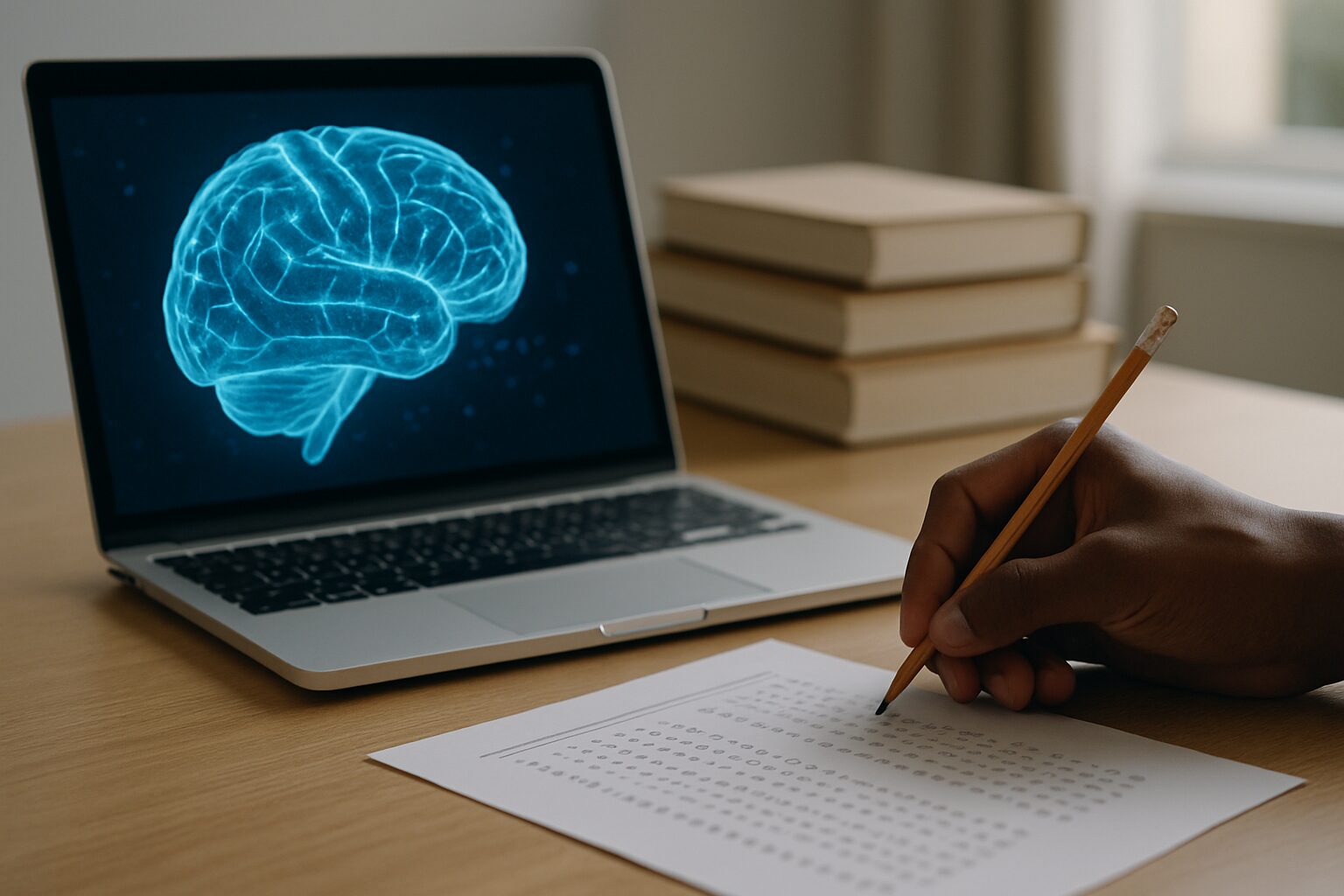
Balancing Tech and Trust: The Future of Exam Monitoring and Data Protection
AI proctoring refers to the use of artificial intelligence to monitor students during exams, often through video, audio, or screen-recording tools. While it aims to prevent cheating, it raises concerns about student privacy, as these systems collect and analyze sensitive personal data. The lack of clear regulations governing how this data is stored, used, or shared further complicates the ethical implications of AI proctoring in education.
Why It Matters - Real-world impact
AI proctoring tools, which monitor students during exams using facial recognition, eye tracking, and other surveillance technologies, raise significant ethical concerns about privacy, consent, and bias. Students are directly affected, as these systems collect sensitive biometric data without clear safeguards, potentially exposing them to misuse or discrimination if algorithms misinterpret behavior. Educational institutions risk eroding trust by deploying invasive tools that may disproportionately target marginalized groups due to flawed training data. Beyond academia, the normalization of such surveillance sets a troubling precedent for workplace monitoring and government oversight. Regular people should care because unchecked AI proctoring could accelerate a broader culture of constant scrutiny, where personal autonomy is undermined by opaque algorithms claiming objectivity.
Ethical Concerns - What’s wrong or risky?
AI Proctoring: A Privacy and Regulation Minefield
As educational institutions increasingly adopt AI proctoring tools to monitor exams remotely, significant ethical risks emerge, particularly concerning student privacy and the need for robust regulation. These systems often use facial recognition, eye-tracking, and background noise detection to flag potential cheating, but the implications extend far beyond academic integrity.
Privacy Intrusions and Data Security
AI proctoring collects vast amounts of personal data, including biometric information, home environments, and behavioral patterns. This raises concerns about how this data is stored, who has access to it, and whether it could be misused or breached. Students may feel they are under constant surveillance, eroding trust and creating a stressful testing atmosphere.
Fairness and Algorithmic Bias
These systems can perpetuate existing biases. For example, facial recognition algorithms may struggle with darker skin tones or certain facial features, leading to false flags for some demographic groups. This ties directly into concerns about fairness, as students may be unfairly penalized due to technical limitations rather than actual misconduct.
Transparency and Accountability
Many AI proctoring tools operate as "black boxes," where the decision-making process is not transparent to students or educators. This lack of transparency makes it difficult to challenge erroneous flags or understand how conclusions are drawn, undermining accountability and due process.
Discrimination and Equity
AI proctoring can exacerbate inequities. Students from low-income households may lack reliable internet, quiet spaces, or high-quality webcams, leading to higher rates of flags for technical reasons rather than cheating. This intersects with issues of discrimination, as socioeconomic factors indirectly influence outcomes.
Differing Perspectives
Proponents argue that AI proctoring is necessary to maintain academic standards in remote learning environments and can reduce human bias in monitoring. Critics, however, emphasize that the trade-off between surveillance and privacy is too steep, and that these tools may create more problems than they solve.
Regulatory Gaps
Current regulations often lag behind technological advancements, leaving students vulnerable. Without clear guidelines on data usage, retention, and consent, institutions may implement these tools in ways that infringe on student rights. Future policies must balance innovation with ethical safeguards.
Solutions - What’s being done or proposed?
Implementing Stronger Data Protection Laws
Some advocates have pushed for stricter data protection laws specifically targeting AI proctoring tools. These laws would require explicit consent from students before their data is collected, mandate transparency about how the data is used, and impose penalties for misuse. The European Union's GDPR serves as a model, but tailored regulations for educational contexts could address unique concerns like biometric data and behavioral monitoring.
Developing Privacy-Preserving AI Algorithms
Researchers are working on AI proctoring systems that minimize data collection by using techniques like federated learning or differential privacy. These methods allow the system to function effectively while reducing the amount of personally identifiable information stored. For example, algorithms could analyze behavior patterns without retaining video footage, ensuring student privacy is protected.
Creating Institutional Oversight Committees
Schools and universities have begun forming oversight committees to evaluate and regulate the use of AI proctoring tools. These committees, often composed of educators, legal experts, and student representatives, review the ethical implications of such technologies and establish guidelines for their use. This approach ensures accountability and aligns proctoring practices with institutional values.
Promoting Alternative Assessment Methods
To reduce reliance on invasive proctoring tools, some educators advocate for alternative assessment methods like project-based evaluations, open-book exams, or oral presentations. These methods focus on measuring understanding and critical thinking rather than surveillance, thereby sidestepping privacy concerns while maintaining academic integrity.
Enhancing Transparency and Student Consent
Institutions are increasingly requiring clear communication about how AI proctoring tools work and what data they collect. Students are given the option to opt out or choose alternative proctoring methods. This transparency builds trust and ensures students are aware of their rights, fostering a more ethical implementation of the technology.
Establishing Third-Party Audits
Independent audits of AI proctoring systems by third-party organizations have been proposed to ensure compliance with privacy and ethical standards. These audits would evaluate the algorithms for bias, accuracy, and data handling practices, providing an additional layer of accountability and helping institutions make informed decisions about which tools to adopt.
Encouraging Student-Led Advocacy
Student organizations have played a key role in raising awareness about the privacy risks of AI proctoring. By organizing campaigns, petitions, and discussions, students have pressured institutions to reconsider or modify their use of these tools. This grassroots approach empowers students to demand ethical practices and shapes institutional policies from the ground up.
Examples and Real Cases
Proctorio's Data Collection Controversy (2020)
In 2020, Proctorio, an AI proctoring tool, faced backlash after students discovered it collected extensive data, including biometric information and browsing history, without clear consent. The Electronic Frontier Foundation (EFF) filed a complaint, highlighting violations of student privacy under FERPA.
ExamSoft and Bar Exam Privacy Concerns (2021)
During the 2021 Bar Exam, ExamSoft's AI proctoring software flagged legitimate movements (e.g., lip-reading due to hearing impairments) as cheating, leading to accusations of bias. Students also raised concerns about the lack of transparency in how their data was stored and shared.
Hypothetical: University X's Unregulated AI Proctoring (2023)
In a hypothetical scenario, University X deploys an unvetted AI proctoring system that disproportionately flags students of color for 'suspicious behavior' due to biased training data. The lack of regulatory oversight leads to widespread protests and legal action under anti-discrimination laws.
Honorlock's Room Scanning Feature (2020)
Honorlock, another AI proctoring service, drew criticism in 2020 for requiring students to scan their rooms before exams, which many argued was an invasive privacy violation. The University of Florida paused its use after student protests and legal scrutiny.
EU GDPR Challenges for AI Proctoring (2022)
In 2022, several European universities abandoned AI proctoring tools after GDPR regulators ruled that continuous facial recognition and data storage practices violated EU privacy laws. This forced companies to redesign their systems for compliance.
Frequently Asked Questions
What is AI proctoring?
AI proctoring is the use of artificial intelligence to monitor students during online exams. It uses tools like facial recognition, eye tracking, and screen monitoring to detect cheating or unusual behavior.
Why is student privacy important in AI proctoring?
Student privacy is important because AI proctoring collects sensitive data like facial images and browsing activity. Without proper safeguards, this data could be misused or exposed, violating students' rights.
How does AI proctoring affect online education access?
AI proctoring can create barriers for students with limited technology, disabilities, or privacy concerns. Strict monitoring may discourage some learners from participating in online education.
Are there regulations for AI proctoring in education?
Yes, some regions have laws like GDPR (Europe) or FERPA (U.S.) that protect student data. Schools must ensure AI proctoring complies with these privacy regulations.
What are the alternatives to AI proctoring for fair exams?
Alternatives include open-book exams, project-based assessments, honor codes, or human proctors. These methods can reduce privacy concerns while maintaining academic integrity.