Balancing Tech and Trust: The Future of Online Exam Integrity
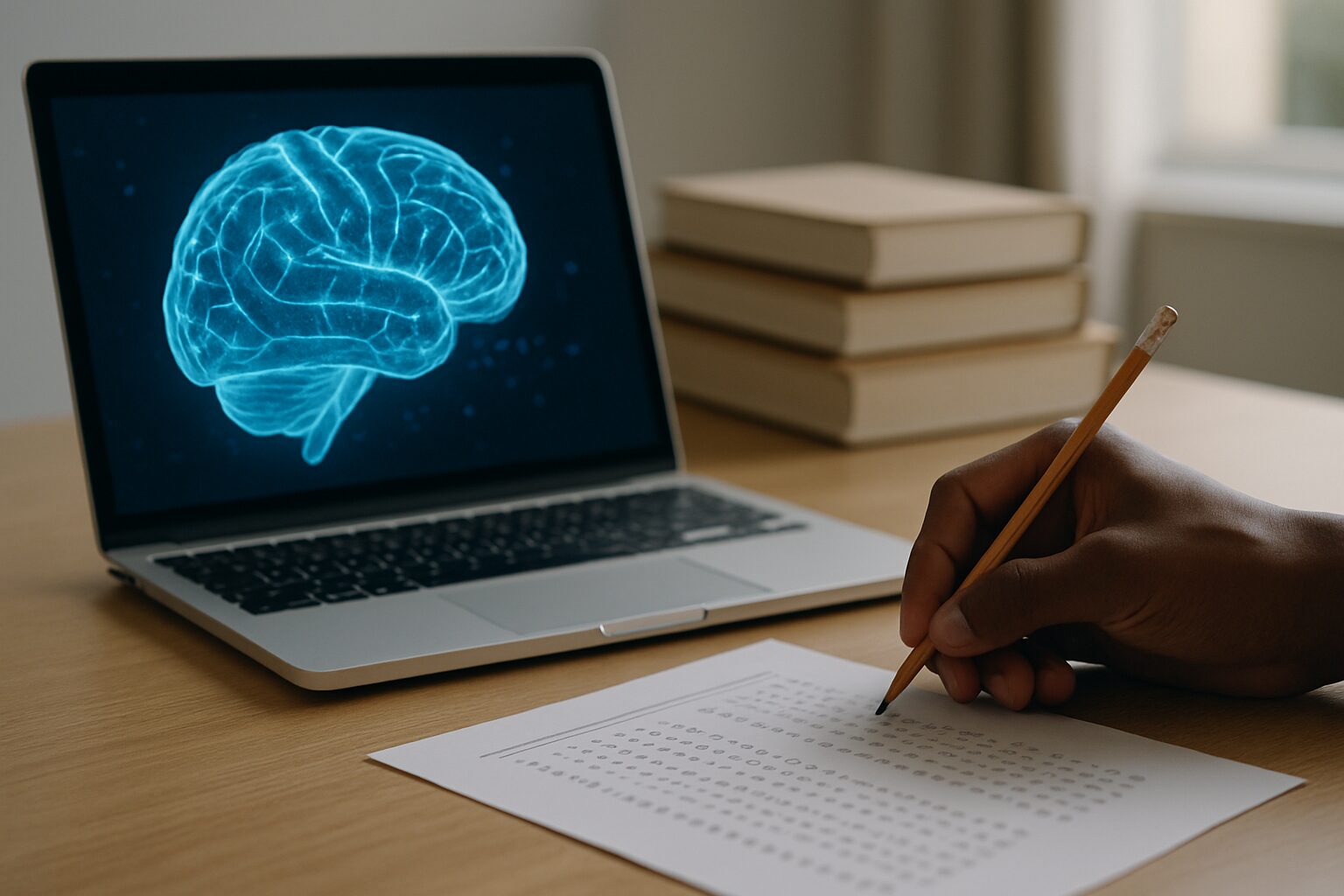
AI proctoring refers to the use of artificial intelligence to monitor students during exams, often through video, audio, or screen recording. While it aims to prevent cheating, it raises concerns about student privacy due to the collection and analysis of personal data. The debate centers on balancing academic integrity with the right to privacy, particularly regarding how data is stored, shared, and used. This issue is especially relevant as educational institutions increasingly adopt remote learning tools.
Why It Matters - Real-world impact
AI proctoring tools, which monitor students during exams using facial recognition, eye tracking, and other surveillance technologies, raise significant privacy concerns that extend beyond the classroom. Students are the most directly affected, as these systems collect sensitive biometric data, often without clear consent or transparency about how it is stored and used. Errors in AI monitoring—such as false accusations of cheating—can have lasting academic and emotional consequences, disproportionately impacting marginalized groups who may face higher rates of misidentification. Institutions risk eroding trust by prioritizing convenience over student rights, while broader societal implications include normalizing invasive surveillance in education. Regular people should care because the normalization of such technologies in schools could pave the way for similar intrusions in workplaces and public spaces, undermining privacy for everyone.
Ethical Concerns - What’s wrong or risky?
AI Proctoring and Student Privacy: Navigating Ethical Risks
AI proctoring systems, which use algorithms to monitor students during exams, raise significant ethical concerns regarding student privacy and broader moral implications. These tools often collect sensitive biometric and behavioral data, creating risks that extend beyond mere surveillance.
Privacy and Data Security
One of the most pressing issues is the erosion of student privacy. AI proctors may record video, audio, keystrokes, and even eye movements, storing this data on third-party servers. Without robust encryption and clear data retention policies, students face potential exposure of personal information, leading to misuse or breaches.
Fairness in Algorithmic Decisions
Questions of fairness arise when AI systems flag students for suspicious behavior. Algorithms might misinterpret natural movements—like looking away from the screen—as cheating, penalizing innocent students. This can undermine academic integrity rather than uphold it, especially if the system lacks human review.
Discrimination and Bias
AI proctoring can perpetuate discrimination if trained on non-diverse datasets. For example, it might misread the behaviors of students with disabilities, neurodivergent traits, or cultural differences, leading to false accusations. Such biases can exacerbate existing inequalities in education.
Transparency and Accountability
Many AI proctoring tools operate as "black boxes," with little transparency about how decisions are made. Students and institutions may not understand why a flag was raised, making it difficult to challenge errors. This lack of accountability can erode trust in the educational process.
Informed Consent and Autonomy
Students are often required to use these systems as a condition of participation, raising concerns about voluntary consent. They may not fully grasp the extent of data collection or how it will be used, compromising their autonomy and right to make informed choices about their privacy.
Psychological Impact
Constant surveillance can induce anxiety, stress, and a feeling of being distrusted, which may negatively impact performance and mental health. This creates an adversarial testing environment, contrary to supportive educational values.
Points of View
Proponents argue that AI proctoring ensures academic honesty in remote learning environments and scales easily for large institutions. Critics, however, contend that the trade-offs in privacy, fairness, and mental well-being are too significant, advocating for alternative assessment methods that prioritize trust and equity.
Solutions - What’s being done or proposed?
Enhanced Data Encryption and Anonymization
Technical solutions include implementing advanced encryption methods for data collected during AI proctoring to ensure that student information is secure. Anonymization techniques can also be applied to dissociate personal identifiers from the data, reducing privacy risks. These measures help protect student data from unauthorized access while still allowing the AI system to function effectively.
Strict Data Retention Policies
Institutional policies can mandate that data collected by AI proctoring tools be deleted after a specific period, such as immediately after grading or at the end of the academic term. This limits the exposure of student data over time and reduces the risk of misuse. Clear guidelines on data retention can be enforced through contracts with proctoring service providers.
Transparency and Consent Mechanisms
Social and legal approaches emphasize the importance of transparency. Institutions can require AI proctoring services to provide clear explanations of what data is collected and how it is used. Students should be given the option to consent or opt-out where feasible, ensuring they are aware of and agree to the monitoring practices being employed.
Legislation and Regulatory Oversight
Legal frameworks can be established to govern the use of AI proctoring tools, setting standards for data privacy and usage. Regulations like GDPR in Europe or state-level laws in the U.S. can be expanded to include specific provisions for educational technologies, ensuring compliance and protecting student rights through enforceable penalties for violations.
Alternative Assessment Methods
Institutions can explore non-invasive assessment strategies that reduce reliance on AI proctoring. Options include open-book exams, project-based evaluations, or oral presentations, which focus on measuring understanding without extensive surveillance. This approach addresses privacy concerns by minimizing the collection of sensitive data altogether.
Third-Party Audits and Accountability
Independent audits of AI proctoring systems can ensure they adhere to privacy and ethical standards. Institutions can partner with third-party organizations to evaluate the algorithms and data practices of proctoring tools, providing accountability and building trust among students and educators. Regular audits can also identify and mitigate biases or inaccuracies in the systems.
Examples and Real Cases
ProctorU Data Breach (2020)
In July 2020, ProctorU experienced a data breach exposing sensitive information of 444,000 students, including names, email addresses, and passwords. The breach raised concerns about the security measures in place for AI proctoring platforms handling student data.
ExamSoft Facial Recognition Controversy (2021-2015)
ExamSoft's facial recognition software used in law school bar exams was found to disproportionately flag non-white test-takers for potential cheating between 2011-2015. This highlighted racial bias in AI proctoring algorithms and their impact on equitable testing environments.
Hypothetical: University X's Room Scanning AI
A hypothetical University X implemented AI proctoring that required 360-degree room scans before exams. In 2023, students reported the software collected and stored personal items visible in scans (medical devices, family photos) without clear data retention policies.
Honorlock FTC Complaint (2021)
In 2021, the Electronic Privacy Information Center filed an FTC complaint against Honorlock for deceptive practices regarding biometric data collection. The complaint alleged the company failed to properly disclose its use of facial recognition and voice detection technologies.
Hypothetical: K-12 Eye Tracking Study
A 2022 hypothetical study found that AI proctoring tools tracking eye movements in K-12 standardized tests incorrectly flagged students with learning disabilities like dyslexia at 3x the rate of neurotypical students, raising ADA compliance concerns.
Frequently Asked Questions
What is AI proctoring?
AI proctoring is the use of artificial intelligence to monitor students during online exams. It can track activities like eye movements, screen activity, and background noise to detect potential cheating.
Why is student privacy important in AI proctoring?
Student privacy is important because AI proctoring often collects personal data like video recordings and browsing history. Protecting this data ensures students' rights aren't violated and builds trust in online learning.
How does AI proctoring work?
AI proctoring uses cameras, microphones, and software to analyze student behavior during tests. It flags suspicious actions like looking away from the screen or having unauthorized devices nearby.
Can AI proctoring be wrong?
Yes, AI proctoring can make mistakes, like flagging innocent movements as cheating. That's why many systems include human review to ensure fairness and accuracy.
What are the alternatives to AI proctoring?
Alternatives include open-book exams, project-based assessments, or honor codes. These methods focus on learning outcomes rather than surveillance, often reducing privacy concerns.