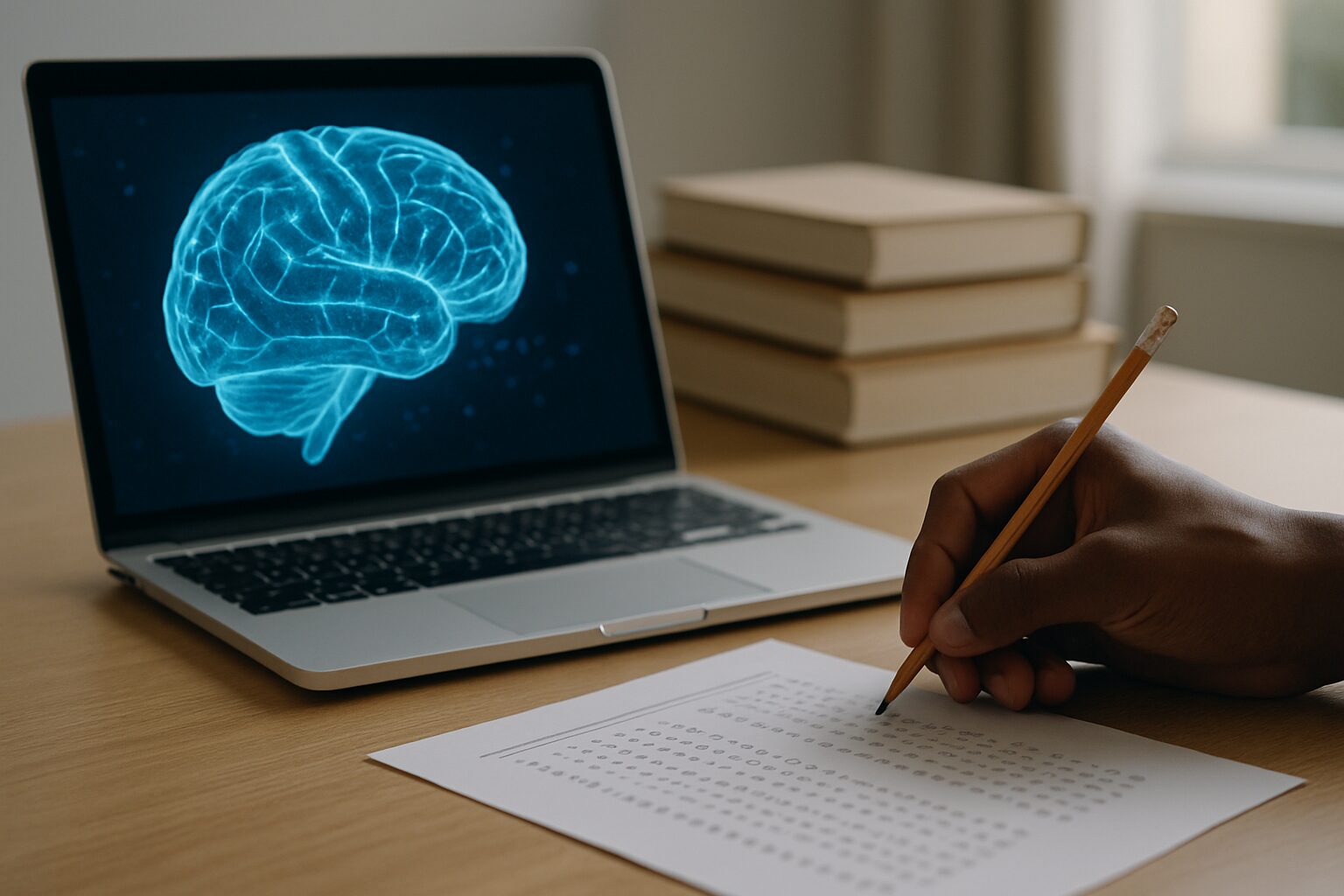
Balancing Tech and Trust: The Debate Over Digital Exam Monitoring
AI proctoring refers to the use of artificial intelligence to monitor students during exams, often through video, audio, or screen recording. While it aims to prevent cheating, it raises concerns about student privacy due to the collection and handling of sensitive personal data. The debate centers on balancing academic integrity with the ethical implications of surveillance and data security in educational settings.
Why It Matters - Real-world impact
AI proctoring impacts students, educators, and institutions by introducing significant privacy risks in the pursuit of academic integrity. These systems often rely on invasive surveillance, such as facial recognition, eye-tracking, and screen monitoring, which can collect sensitive biometric data without clear consent or safeguards. If mishandled, this data could be exploited for profiling, discrimination, or even breaches exposing personal information. Regular people should care because these technologies set precedents for how surveillance is normalized in education, potentially extending to workplaces and other areas of life. Without proper oversight, the trade-off between convenience and privacy may erode fundamental rights under the guise of technological progress.
Ethical Concerns - What’s wrong or risky?
AI Proctoring and Student Privacy: An Ethical Minefield
AI proctoring systems, which use algorithms to monitor students during exams, raise significant ethical concerns. These tools often employ facial recognition, eye-tracking, and audio monitoring, potentially infringing on student privacy and autonomy.
Privacy and Surveillance
Constant monitoring can create a "Big Brother" environment, where students feel scrutinized and anxious. This may disproportionately affect those already prone to test anxiety, undermining the very goal of fair assessment.
Fairness and Bias
AI systems may not perform equally across all demographics. For instance, facial recognition has been shown to have higher error rates for people of color, which could lead to false flags for cheating. This ties directly into concerns about fairness in automated decision-making.
Transparency and Accountability
Many AI proctoring tools operate as "black boxes," with little explanation of how decisions are made. When a student is flagged, they may have no way to challenge or understand the algorithm's reasoning. This lack of transparency can erode trust in the educational system.
Discrimination Risks
Beyond technical bias, these systems may discriminate against students with disabilities. For example, eye-tracking might penalize those with neurodiverse conditions like ADHD. Such outcomes highlight broader discrimination risks when AI is deployed without adequate safeguards.
Alternative Perspectives
Proponents argue that AI proctoring ensures academic integrity in remote learning environments. They claim it levels the playing field by preventing cheating, thus upholding fairness in grading. Others contend that the trade-off between surveillance and integrity is necessary for scalable education.
Other Ethical Considerations
There are also concerns about data security: who stores the recordings, and how are they used? Additionally, the pressure to perform under surveillance could exacerbate mental health issues among students. These factors underscore the need for a balanced, ethically informed approach to AI in education.
Solutions - What’s being done or proposed?
Implementing Stronger Data Protection Laws
Some advocates have pushed for stricter data protection laws specifically targeting AI proctoring tools. These laws would require explicit consent from students before data collection, mandate transparency about how data is used, and impose penalties for misuse. The European Union's GDPR has been cited as a model, but adapting it to educational contexts remains a challenge.
Developing Privacy-First AI Proctoring Tools
Technologists have proposed designing AI proctoring systems that minimize data collection. For example, tools could process video and audio locally on a student's device rather than uploading it to cloud servers. Edge computing and federated learning are emerging as potential solutions to reduce privacy risks while maintaining functionality.
Institutional Policies on AI Proctoring Transparency
Universities and schools have begun adopting internal policies requiring transparency in AI proctoring. These policies often include disclosing what data is collected, how long it is stored, and who has access. Some institutions also allow students to opt for human proctors instead of AI systems, providing an alternative for those concerned about privacy.
Student-Led Advocacy and Awareness Campaigns
Student groups have organized campaigns to raise awareness about AI proctoring privacy issues. These efforts include petitions, workshops, and collaborations with faculty to push for ethical guidelines. By amplifying student voices, these campaigns aim to hold institutions and tech companies accountable for privacy violations.
Third-Party Audits of AI Proctoring Systems
Independent audits of AI proctoring software have been suggested to ensure compliance with ethical standards. Auditors would evaluate algorithms for bias, data security measures, and adherence to privacy laws. This approach could build trust by providing an objective assessment of the technology's risks and benefits.
Alternative Assessment Methods
Educators are exploring assessment formats that don't require invasive proctoring, such as open-book exams, project-based evaluations, or oral presentations. These methods reduce reliance on surveillance while still measuring student learning effectively. Shifting pedagogical approaches could mitigate privacy concerns altogether.
Examples and Real Cases
Proctorio's Data Collection Controversy (2020)
In 2020, Proctorio, an AI proctoring tool, faced backlash when students discovered it collected extensive data, including biometric information and browsing history. The Electronic Frontier Foundation (EFF) filed a lawsuit against Proctorio for allegedly violating student privacy rights under the California Consumer Privacy Act (CCPA).
ExamSoft's Facial Recognition Errors (2021)
During the 2021 bar exams, ExamSoft's AI proctoring system flagged numerous false positives, accusing students of cheating due to glitches in facial recognition. Many students reported being wrongfully penalized, leading to widespread criticism and calls for greater transparency in AI proctoring algorithms.
Hypothetical: University X's Unauthorized Data Sharing
In a hypothetical scenario, University X partners with an AI proctoring company that secretly shares student data with third-party advertisers. Students later discover their personal information was sold without consent, sparking a debate over institutional accountability in AI-driven education tools.
Honorlock's Room Scans Raise Concerns (2022)
In 2022, Honorlock, another AI proctoring service, drew scrutiny for requiring students to perform 360-degree room scans before exams. Privacy advocates argued this practice invaded personal spaces and created unnecessary stress, especially for students in shared living environments.
Frequently Asked Questions
What is AI proctoring?
AI proctoring is the use of artificial intelligence to monitor students during online exams. It can track activities like eye movements, keyboard use, and background noise to detect potential cheating.
Why are students concerned about privacy with AI proctoring?
Students worry because AI proctoring often requires access to their webcam, microphone, and sometimes even screen recordings, which can feel invasive and raise concerns about how their personal data is stored and used.
How does AI proctoring impact accessibility in education?
AI proctoring can create barriers for students with disabilities, such as those who need screen readers or have physical conditions affecting movement, as the software may flag their natural behaviors as suspicious.
What are the benefits of AI proctoring for schools?
Schools use AI proctoring to maintain academic integrity in online learning by reducing cheating, automating exam monitoring, and saving time compared to human proctors.
Can AI proctoring be used fairly for all students?
Fairness depends on how the technology is implemented. Issues like bias in AI algorithms, unequal access to technology, and privacy concerns must be addressed to ensure equitable use for all students.